How to Budget for Commercial HVAC Replacement
Planning a commercial HVAC replacement requires a clear understanding of equipment costs, labor, and efficiency. This guide helps you budget effectively for your next upgrade.
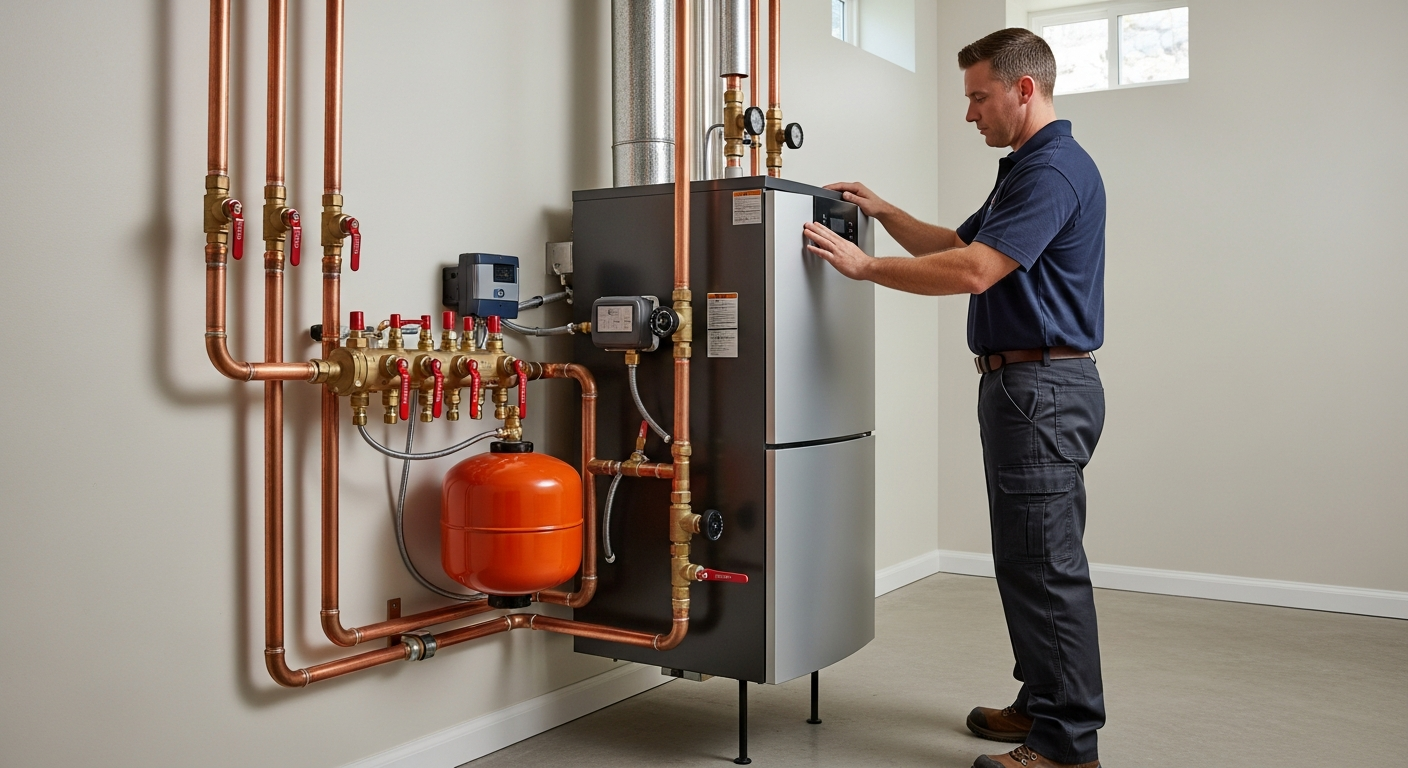
Planning for Your Commercial HVAC Investment
Replacing a commercial HVAC system is one of the largest capital expenditures a building owner or manager will face. Unlike residential units, commercial systems are complex, heavy, and integrated into the building’s core infrastructure.
Proper budgeting ensures you aren't caught off guard by emergency failures. By understanding the variables that drive costs, you can make informed decisions that protect your bottom line. At HVACDatabase.com, we connect property owners with verified professionals who specialize in these high-stakes installations.
Primary Factors Driving Commercial HVAC Costs
The total cost of a replacement is rarely just the price of the unit itself. Several variables determine the final invoice, and understanding them is the first step toward an accurate budget.
System Size and Capacity
Commercial units are measured in tons. A larger building requires more tonnage to maintain climate control. However, simply buying the biggest unit is a mistake; an oversized system cycles too frequently, leading to premature wear and higher energy bills.
The Type of System
Whether you are installing a rooftop unit (RTU), a variable refrigerant flow (VRF) system, or a split system significantly impacts the price. For specialized scenarios, such as a cost to install HVAC in a small restaurant, the need for advanced ventilation and grease-resistant components can drive prices higher.
Labor and Accessibility
Will the installation require a crane to lift equipment onto the roof? Is the ductwork already in place, or does it need a total overhaul? Labor often accounts for 30% to 50% of the total project cost, especially in complex environments like those discussed in our warehouse HVAC installation cost guide.
Hidden Costs Often Overlooked
Many building owners forget to budget for the peripheral requirements of a new system. These 'hidden' costs can easily add thousands to a project if not identified early.
- Structural Reinforcement: Modern high-efficiency units are often heavier than older models. Your roof may need additional support.
- Permits and Inspections: Local municipalities require permits for mechanical work, and code compliance inspections are mandatory.
- Disposal Fees: Removing and legally disposing of an old 10-ton unit and its refrigerant involves environmental fees.
- Electrical Upgrades: A new, more efficient system might require different voltage or updated circuit breakers.
The Role of Energy Efficiency in Your Budget
While a high-efficiency system has a higher upfront cost, it is often the more economical choice over the long term. Systems with high SEER (Seasonal Energy Efficiency Ratio) or EER ratings reduce monthly utility bills significantly.
When budgeting, calculate the 'Payback Period.' This is the number of years it takes for the energy savings to cover the price difference between a standard unit and a high-efficiency model. This is particularly relevant if you are looking for tips for choosing HVAC for a passive house or a LEED-certified commercial space.
Integrating Smart Technology
Modern commercial budgeting should include funds for building automation. Integrating your new HVAC with a centralized control system allows for remote monitoring and precision scheduling. You can learn more about this by reading how to set up building automation for HVAC.
Smart controls don't just provide convenience; they extend the life of the equipment by ensuring it only runs when necessary. They also help in maintaining high standards for the occupants, as detailed in our guide on how to improve air quality in a commercial building.
Steps to Build Your HVAC Replacement Budget
- Conduct an Audit: Have a professional assess your current system's age and performance.
- Get Multiple Quotes: Never settle for the first estimate. Use HVACDatabase.com to find and compare reputable contractors in your area.
- Check for Rebates: Many utility companies and federal programs offer financial incentives for installing energy-efficient commercial equipment.
- Allocate a Contingency Fund: Always set aside an extra 10-15% for unforeseen issues, such as discovering mold or damaged ductwork during the tear-out.
Special Considerations for Different Buildings
If your property has unique challenges, your budget must reflect that. For instance, if you are managing a residential-style commercial property without existing infrastructure, you might need tips for heating a home with no ductwork. Furthermore, if you are replacing equipment due to environmental damage, keep a post-hurricane HVAC inspection checklist handy to ensure all secondary damage is accounted for in the budget.
Finding the Right Partner
The most important part of budgeting is ensuring the work is done correctly the first time. A poor installation can negate all the energy savings of a new unit and lead to frequent repairs. By using HVACDatabase.com, you can browse a directory of trusted HVAC professionals with the experience necessary to handle complex commercial replacements. Investing in quality labor is the best way to protect your equipment investment for years to come.
Related articles
Connect this page to adjacent guides so readers keep moving deeper into the topic cluster.
Tips for HVAC in Schools and Educational Buildings
Learn how to optimize HVAC systems in schools to ensure a healthy learning environment and reduce operational costs through expert maintenance and zoning.

Understanding HVAC Requirements for Restaurants
Running a restaurant requires specialized HVAC systems to manage heat, smoke, and odors. Learn the essential requirements to keep your kitchen and dining area comfortable.
Central Plant vs Distributed HVAC for Commercial
Choosing between central plant and distributed HVAC systems impacts your building's efficiency and maintenance costs. Explore the pros and cons of each setup.