Tips for HVAC in Schools and Educational Buildings
Learn how to optimize HVAC systems in schools to ensure a healthy learning environment and reduce operational costs through expert maintenance and zoning.
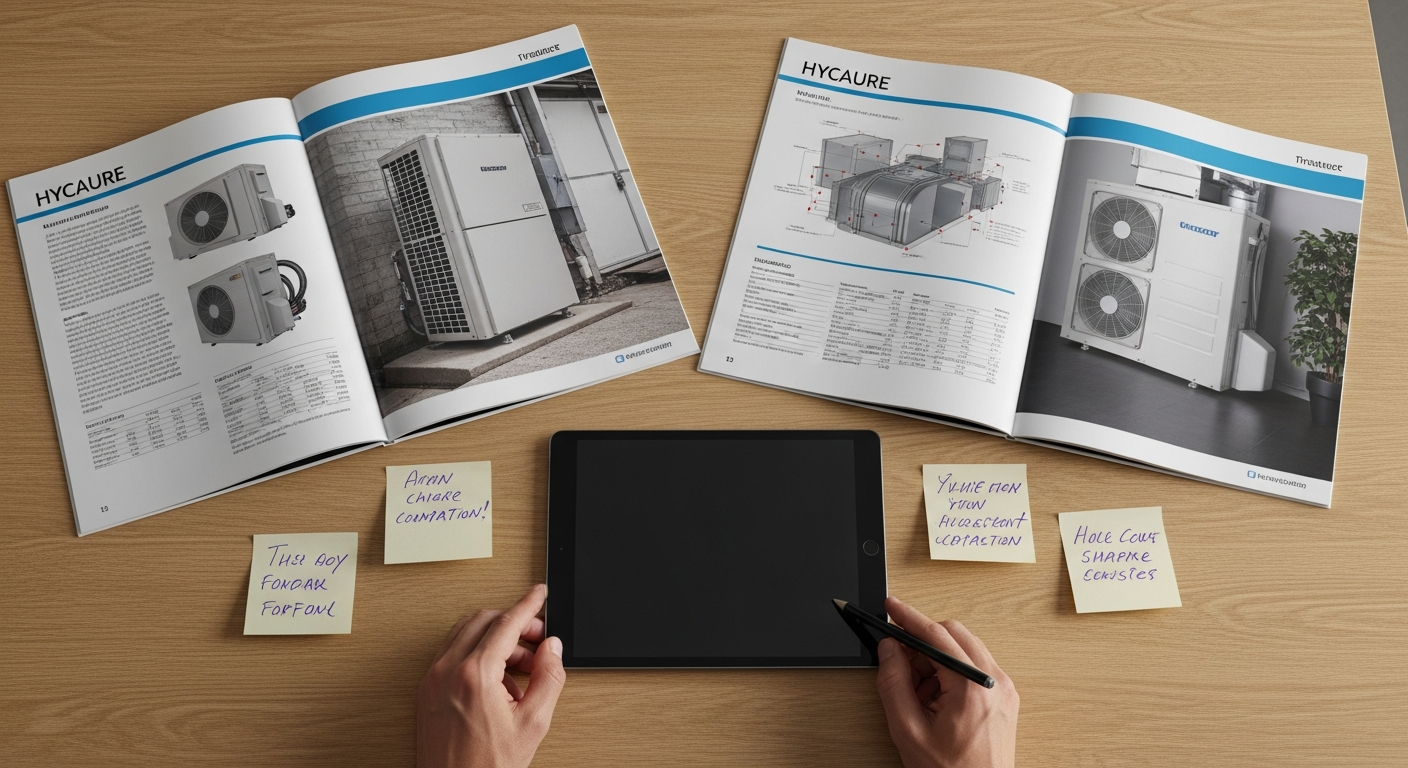
Optimizing HVAC Systems in Educational Facilities
Maintaining a comfortable temperature and high air quality in schools is about more than just comfort. It directly impacts student performance and teacher retention.
Educational buildings present unique challenges due to varying occupancy levels and diverse room uses. From gymnasiums to computer labs, every space has different heating and cooling requirements.
Prioritize Indoor Air Quality (IAQ)
Schools are high-density environments where germs and allergens can spread quickly. Proper filtration is the first line of defense in protecting the health of students and faculty.
Upgrading to MERV 13 filters or higher can significantly reduce airborne pathogens. Additionally, ensuring a steady intake of fresh outdoor air helps dilute indoor pollutants and CO2 levels.
Implementing Commercial Zoning Solutions
Not every room in a school needs to be at the same temperature at the same time. An administrative office might be occupied while the cafeteria remains empty for hours.
To manage this efficiently, many facilities learn how to install commercial hvac zoning to tailor climate control to specific areas. This prevents energy waste in unoccupied classrooms.
The Benefits of Modern Technology
Many older schools are moving away from traditional boilers and chillers toward more flexible systems. These modern solutions offer precision control and lower long-term operating costs.
For instance, understanding what is a vrf system and how does it work can help school boards make informed decisions about infrastructure upgrades. These systems allow for simultaneous heating and cooling in different zones.
Energy Efficiency Strategies
Utility bills are often the second-largest expense for school districts after salaries. Reducing these costs allows more funding to go directly toward educational resources.
Building managers should implement commercial hvac energy saving tips, such as installing programmable thermostats and conducting regular duct inspections. Small changes often lead to massive annual savings.
- Schedule preventive maintenance during summer and winter breaks.
- Use CO2 sensors to demand-controlled ventilation.
- Ensure all vents and registers are unobstructed by furniture or posters.
- Calibrate thermostats annually to ensure accurate readings.
Budgeting for Major Upgrades
When it comes time to replace aging units, transparency regarding costs is essential for public or private school budgeting. Replacing units at scale requires careful financial planning.
Researching the vrf system installation cost for commercial applications helps administrators present realistic proposals to stakeholders. Investing in high-efficiency equipment often pays for itself through reduced energy consumption.
Common HVAC Troubleshooting in Large Buildings
Even with the best equipment, issues can arise. One common problem is short-cycling, which puts immense strain on compressors and blowers.
If you notice equipment turning off prematurely, it is helpful to understand why your furnace cycles on and off too quickly to prevent long-term damage. Rapid cycling is often a symptom of oversized equipment or airflow restrictions.
Regional Considerations for School HVAC
Climate plays a massive role in how school systems are designed and maintained. Coastal areas deal with humidity, while midwestern states face extreme temperature swings.
For example, specialized hvac tips for st louis homeowners or those managing schools in that region focus heavily on managing high summer humidity. Similarly, following hvac tips for durham homeowners can help those in the southeast prepare for mild winters and hot summers.
Finding Trusted Professionals
Managing a school's HVAC system is a complex task that requires licensed expertise. It is not a job for a general handyman or an uncertified technician.
Whether you are a building manager or a concerned parent, you can find trusted HVAC contractors on HVACDatabase.com to ensure your local schools are safe and comfortable. Our directory connects you with pros who specialize in commercial and institutional climate control.
Final Thoughts on School Climate Control
A well-maintained HVAC system is an investment in the future. By prioritizing air quality, energy efficiency, and regular maintenance, schools can create the ideal environment for learning.
Remember that the best time to service these systems is before the peak of summer or winter. Reach out to a professional today at HVACDatabase.com to schedule a comprehensive system audit.
Related articles
Connect this page to adjacent guides so readers keep moving deeper into the topic cluster.

Understanding HVAC Requirements for Restaurants
Running a restaurant requires specialized HVAC systems to manage heat, smoke, and odors. Learn the essential requirements to keep your kitchen and dining area comfortable.
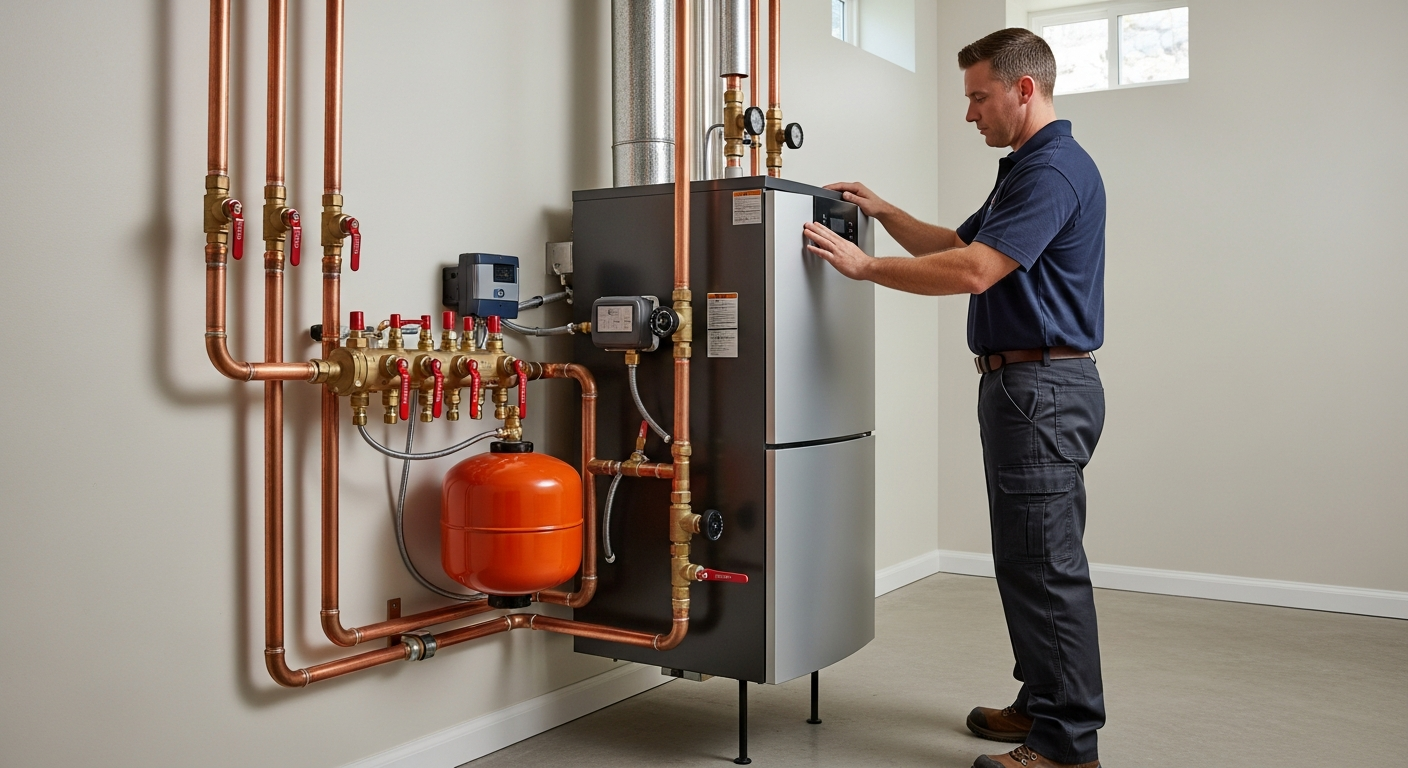
How to Budget for Commercial HVAC Replacement
Planning a commercial HVAC replacement requires a clear understanding of equipment costs, labor, and efficiency. This guide helps you budget effectively for your next upgrade.
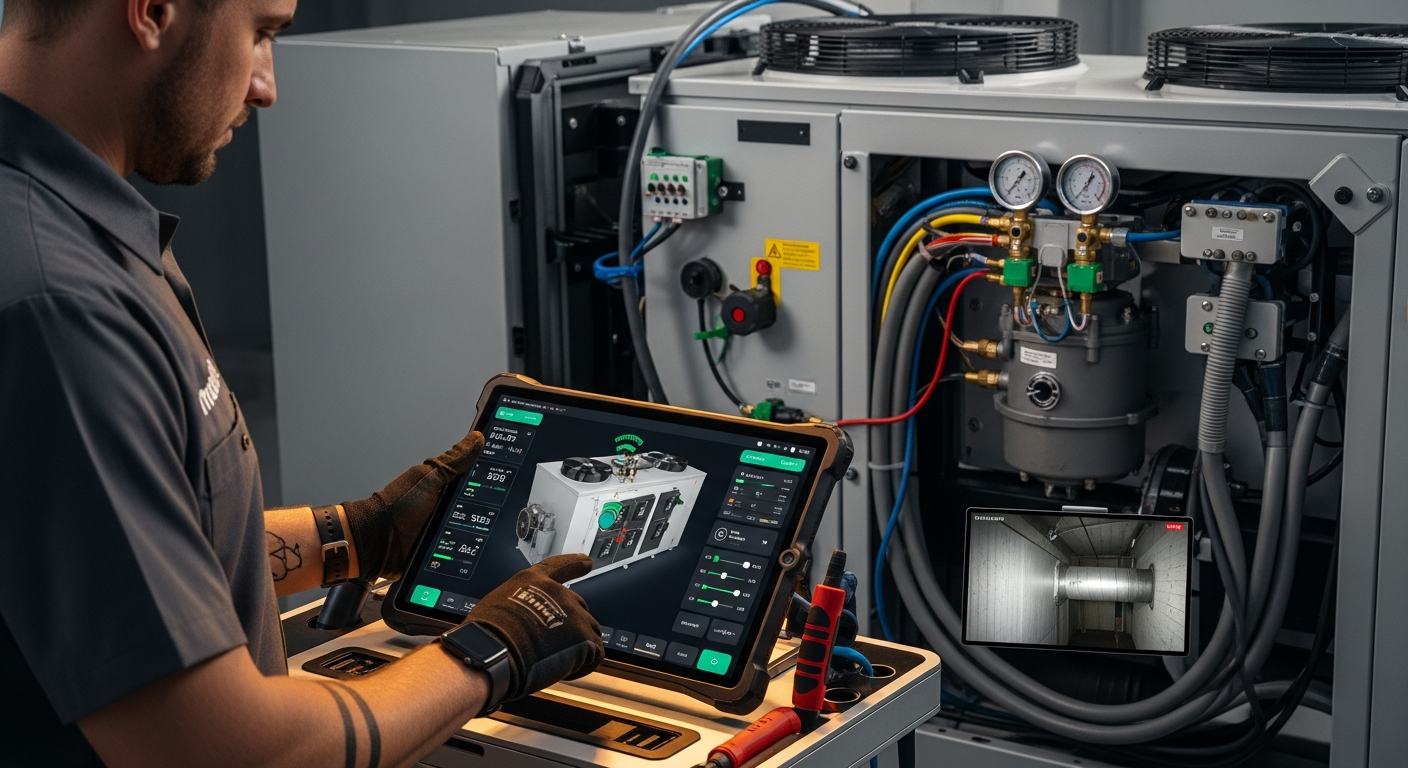
Central Plant vs Distributed HVAC for Commercial
Choosing between central plant and distributed HVAC systems impacts your building's efficiency and maintenance costs. Explore the pros and cons of each setup.