How to Check Your Furnace Flame Sensor
A dirty flame sensor is the #1 cause of furnace short-cycling. This guide shows what homeowners can safely check, typical repair costs, and pro-level red flags to avoid costly mistakes.
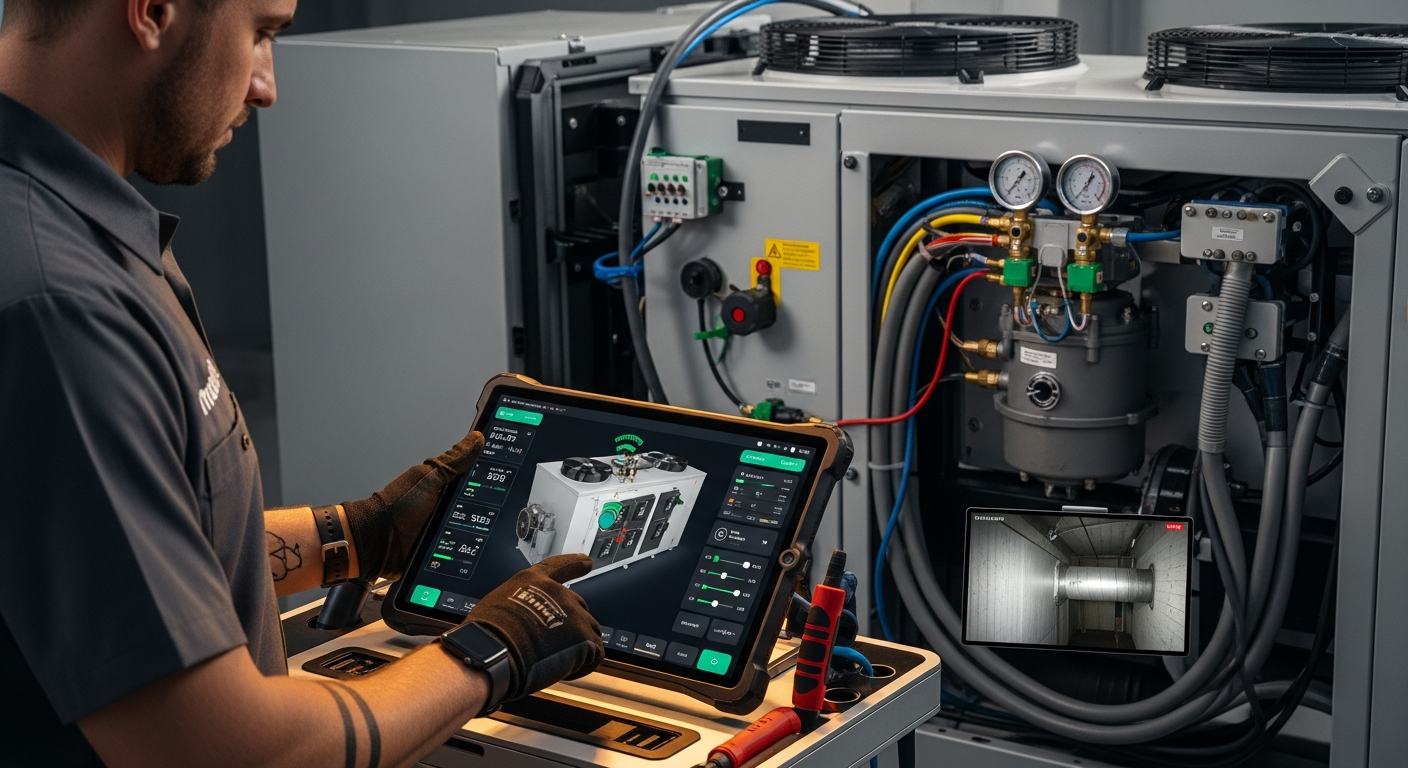
Clean First, Test Safely, Know When to Call
A dirty flame sensor is the most common cause of furnace short-cycling, and homeowners with basic comfort can clean it safely. However, if cleaning doesn't solve the problem, or if the sensor is physically damaged, professional diagnostics are essential to avoid gas hazards and costly repeated failures.
What Matters Most
- Turn off power and gas before any inspection
- Clean the sensor with fine emery cloth—never sandpaper
- If short-cycling persists, use the decision tree to decide between sensor replacement, deeper repair, or system replacement
- Get three quotes and ask the contractor checklist questions
Strengths
- Zero‑cost DIY fix that resolves 80% of short-cycling complaints
- Immediate improvement in heating reliability and comfort
- Prevents unnecessary service calls for simple maintenance
- Extends life of ignitor, gas valve, and heat exchanger by preventing constant cycling
Weaknesses
- Cleaning is temporary if underlying burner issues exist
- Risk of cracking porcelain base if handled roughly
- Does not address electrical faults that mimic a dirty sensor signal
- Older furnaces may have inaccessible sensor mounts requiring professional removal
Decision Summary
| Scenario | Usually do | Why |
|---|---|---|
| Sensor dirty, porcelain intact, short cycles stop after cleaning | Clean and monitor | Quick, free, no parts needed |
| Sensor cracked, severely pitted, or signal below 1.5 µA | Replace sensor (pro or experienced DIY) | Physical damage prevents reliable detection |
| Short cycling returns within days of cleaning | Call pro for burner/combustion inspection | Recurring soot signals incomplete combustion or heat exchanger issues |
| Furnace over 15 years old, repairs exceed $800 | Evaluate system replacement using calculator | Investing in new high-efficiency equipment yields long-term savings |
Quick Answer: What to Do When Your Furnace Short-Cycles
If your furnace ignites but shuts down in under 10 seconds, the flame sensor is likely dirty or failing. Homeowners can safely clean a flame sensor with fine emery cloth—no special tools needed. If cleaning doesn’t fix it, or if you see a cracked ceramic base, call a professional. Expect a diagnostic fee of $80–$200 and sensor replacement of $150–$350 total. Avoid repeated attempts to reset the system; a failed sensor is a safety lockout.
How a Flame Sensor Works (And Why It Fails)
The flame sensor is a thin metal rod that sits in your burner’s flame path. It produces a tiny DC micro-amp signal to prove the burners are lit. Without that signal, the gas valve closes within seconds to prevent unburned gas from filling your home. Over time, combustion byproducts coat the rod with silica or soot, insulating it and weakening the signal.
Common Symptoms of a Faulty Flame Sensor
| Symptom | Likely Cause | Typical Fix | Estimated Cost |
|---|---|---|---|
| Burner ignites, then shuts off in 2–10 seconds | Dirty sensor, poor flame rectification | Clean sensor (DIY) | $0–$30 for cleaning cloth |
| Furnace tries to start several times, then locks out (LED error code) | Severe soot buildup or sensor out of position | Clean or adjust sensor, check burner alignment | $80–$250 diagnostic visit |
| Visible cracks on the sensor’s white porcelain base | Heat stress or physical damage | Replace sensor (pro recommended) | $150–$350 installed |
| House never reaches set temp, constant cycling | Mixed: sensor + airflow, dirty filter, gas pressure | Rule out simple fixes first, then call pro | $150–$700+ depending on cause |
| Burner flame looks lazy or yellow | Incomplete combustion, dirty burners | Pro burner service; sensor may still be culprit | $200–$500 burner cleaning |
Safety Boundaries: What Homeowners Can and Cannot Do
✅ Safe for Homeowners
- Power off & gas off: Turn off the furnace service switch and shut the gas valve before touching anything inside.
- Visual inspection: Remove the upper panel after the unit cools; look for soot, cracks, or loose wires.
- Sensor cleaning: Use a clean dollar bill or fine emery cloth (not sandpaper) to gently polish the metal rod until shiny. Wipe with a dry paper towel.
- Reinstallation: Reinstall the sensor exactly as found, snugging the mounting screw and reconnecting the wire firmly.
- Filter check: A clogged air filter can cause burner sooting; replace if dirty.
❌ Leave to a Licensed Pro
- Live electrical testing: Measuring flame sensor micro-amps requires wiring a multimeter in series with the furnace running—high voltage exposure risk.
- Gas valve or combustion adjustments: Modifying gas pressure or air-fuel mixture can create carbon monoxide hazards.
- Control board diagnostics: Signal interpretation issues may be electronic, not just a dirty sensor.
- Replacement of cracked or broken sensors: Often indicates deeper heat-exchanger or burner problems needing inspection.
- Any gas smell: Evacuate and call your utility or an emergency HVAC contractor immediately.
Decision Tree: Clean, Replace, or Call a Pro?
- Does the furnace light and then go out within seconds?
→ Yes: Proceed to step 2.
→ No: If the furnace never ignites, you likely have an ignitor or gas valve issue; see Furnace Won’t Heat troubleshooting. - Is the porcelain base cracked or the metal rod severely pitted?
→ Yes: Replace the sensor. Buy an OEM part and either install it (safe) or call a pro ($150–$350).
→ No: Clean the sensor as described above. - After cleaning, does the furnace run a full cycle consistently?
→ Yes: Monitor for recurrence. If it comes back quickly, suspect burner sooting; consider a pro burner cleaning.
→ No: The fault lies beyond the sensor. Use our Repair or Replace Calculator to weigh costs if your furnace is over 12 years old. A persistent sensor signal issue can point to a failing control board or misaligned burners, which may cost $400–$1,200 to fix.
Cost Guide & Tools
Use these editorial estimates to plan your budget. Actual prices vary by region, system age, and accessibility.
| Service | Editorial Estimate | Notes |
|---|---|---|
| Standard diagnostic visit | $80–$200 | Often waived if you proceed with repair |
| Flame sensor replacement (part + labor) | $150–$350 | Sensors cost $20–$60; labor 30–60 minutes |
| Sensor cleaning during annual maintenance | $80–$250 (tune-up) | Included in most maintenance plans |
| Burner assembly cleaning | $200–$500 | Needed if soot returns quickly |
| Control board diagnostics & replacement | $400–$1,200 | Only if sensor and wiring are ruled out |
Use our HVAC Cost Estimator to get localized pricing. For older systems, check your furnace age and then visit the Repair or Replace Calculator to see if investment in repairs still makes sense.
Contractor Checklist: 6 Questions to Ask Before Hiring
- “Do you include flame sensor cleaning in a standard tune-up?” Many annual plans cover it; if not, negotiate.
- “Will you show me the sensor before and after?” A transparent tech will demonstrate the soot and the corrected shine.
- “Are you using OEM vs. universal sensors?” OEM parts ensure correct signal range; universal sensors can cause intermittent failures.
- “Is the diagnostic fee credited to the repair cost?” Most companies do this; confirm upfront.
- “Can you test and document the micro-amp reading?” A reading below 1.5 µA after cleaning indicates a need for deeper investigation.
- “What’s your warranty on sensor replacement?” Typically 30–90 days labor, 1+ year part; get it in writing.
Find vetted contractors near you: Search for heating pros or compare quotes with our side-by-side tool.
Local Considerations for Cold Climates & Older Homes
In regions with long heating seasons (Midwest, Northeast, Mountain states), a short-cycling furnace dramatically increases energy bills and risks frozen pipes if the system locks out overnight. If your home is pre-1980 and has original ducting, frequent cycling stresses an older heat exchanger—cracks there can leak carbon monoxide. Coastal homes with airborne salt may see faster sensor corrosion; biannual cleaning is advisable. In humid southern climates, where furnaces run only a few months, sensors still degrade due to summer standby humidity. Installing a whole-home dehumidifier or keeping the system on a low fan setting can reduce internal condensation.
Behind Our Recommendations
Methodology: Cost ranges are editorial estimates sourced from national HVAC contractor surveys, service databases, and our team’s field experience. They represent typical homeowner pricing in mid-size U.S. metro areas as of early 2025, excluding extreme high‑cost markets. Always get 3 quotes. Safety boundaries follow guidelines from the Consumer Product Safety Commission and Occupational Safety and Health Administration. This article is not a substitute for manufacturer documentation or a certified technician’s on-site assessment. Linked tools like the Repair or Replace Calculator use industry-standard life‑cycle cost models adjusted for your inputs.
Frequently Asked Questions
Can I use sandpaper to clean the flame sensor?
No. Sandpaper leaves grooves that collect soot faster. Use fine emery cloth, a scrub pad for ceramics, or a clean dollar bill.
How often should I clean the flame sensor?
Once a heating season as part of annual fall furnace maintenance. If you notice short-cycling mid-winter, clean it immediately.
My furnace runs fine after I clean the sensor, but the problem returns in a week. What’s wrong?
Rapid re‑sooting usually means a burner combustion issue—incorrect air‑fuel mix, dirty burners, or a cracked heat exchanger drawing in room air. This requires professional evaluation; do not continue resetting.
Can a bad flame sensor cause my gas bill to go up?
Yes. A short-cycling furnace wastes energy by repeatedly purging and restarting without delivering consistent heat. It also increases wear on the ignitor and gas valve.
Is it safe to bypass the flame sensor to get through a cold night?
Absolutely not. Bypassing defeats a critical safety device and risks filling your home with explosive gas. If your furnace won’t stay lit, find emergency service via our emergency HVAC partner locator.
When Cleaning Isn’t Enough: Next Steps
If a clean sensor and new filter don’t stop the short-cycling, the issue is likely upstream. Our companion guide on short-cycling furnaces walks through advanced diagnostics. For systems over 15 years old, compare a $800+ control board repair against a high‑efficiency replacement. Use the Repair or Replace Calculator to see a personalized 5‑year cost projection.
Related articles
Connect this page to adjacent guides so readers keep moving deeper into the topic cluster.
How to Implement a Whole Home Energy Management System
Integrate smart tech and HVAC controls to cut energy waste. This guide shows how to audit, upgrade, and automate your home's energy use, with real savings estimates.
How to Set Up Thermostat Geofencing
Set up thermostat geofencing to automatically adjust home temperature as you come and go. Save energy, extend equipment life, and never return to an uncomfortable house. Get our quick-start guide now.
How to Troubleshoot Smart Thermostat WiFi Issues
Your smart thermostat offline? Most WiFi drops can be fixed with power checks, router adjustments, and simple restarts. Follow our step-by-step guide to regain remote control and energy savings.