How to Prepare Your AC for Summer
Get your AC summer-ready with this actionable guide: air filter changes, condenser cleaning, thermostat checks, and when a pro tune-up saves you money. Includes cost estimates and contractor hiring tips.
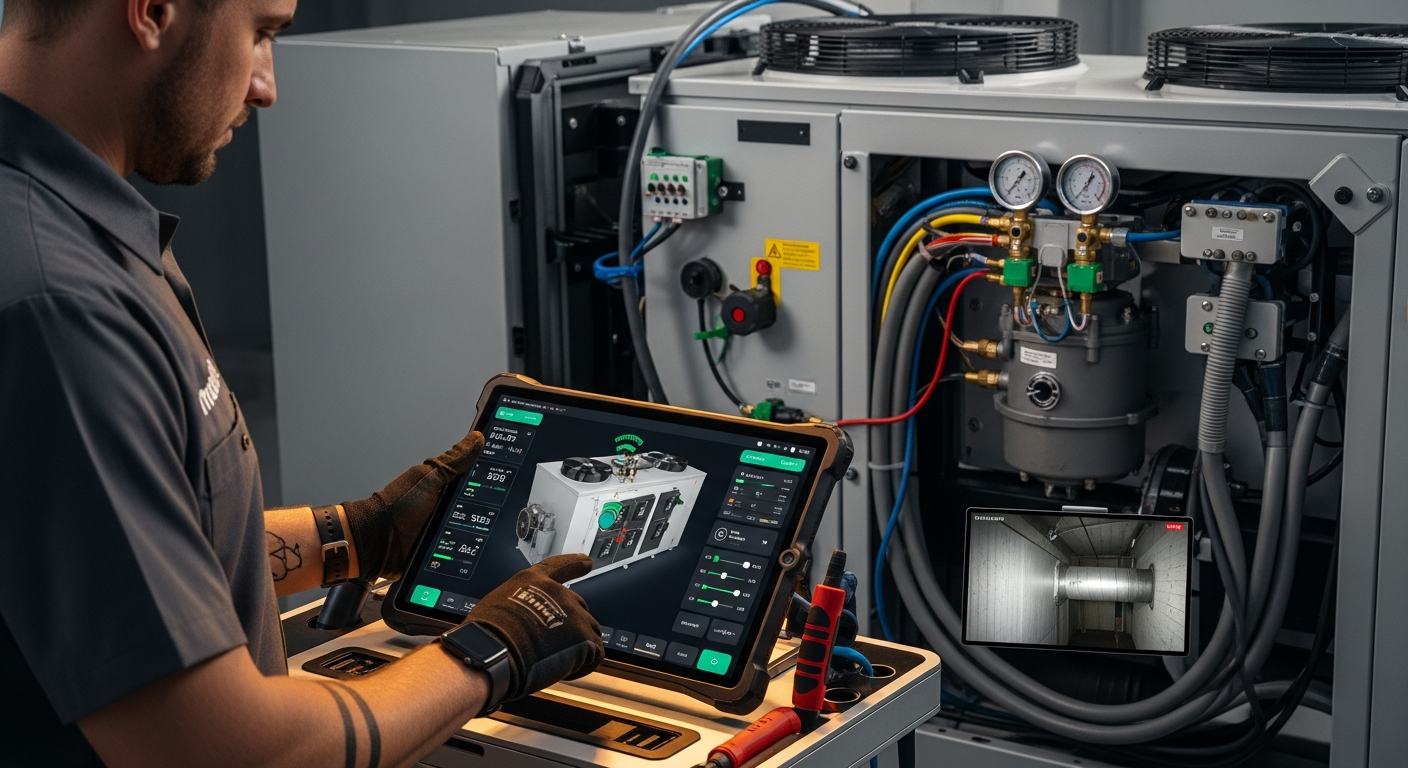
Do basic DIY now, schedule a pro tune-up, and know your replacement thresholds
Most homeowners can safely handle filter replacement, condenser cleaning, vent inspection, and drain flushing. For anything involving refrigerant, electrical components, or major repairs, hire a licensed contractor. Use cost and age benchmarks to decide when to repair or replace.
What Matters Most
- Spend 30 minutes on DIY maintenance before summer heat arrives
- A professional tune-up costs $80–$250 and prevents mid-summer breakdowns
- If your AC is over 12 years old and needs a $2,000+ repair, run the numbers on replacement
- Always verify contractor licensing, insurance, and what a tune-up includes
- High-humidity areas need extra drain maintenance; coastal units need salt protection
Strengths
- Low upfront cost: DIY steps require minimal tools
- Risk reduction: catching a clogged drain or failed capacitor before a heat wave
- Clear thresholds prevent decision paralysis
- Contractor questions empower you to avoid upselling
- Localized tips make the guide relevant across climates
Weaknesses
- DIY coil cleaning can bend fins if done incorrectly
- Filter upgrades can restrict airflow if MERV is too high
- Homeowners might misinterpret thermostat test results as a refrigerant leak
- Cost ranges are estimates; actual prices vary significantly by market
- No step-by-step electrical or refrigerant guidance due to safety constraints
Decision Summary
| Scenario | Usually do | Why |
|---|---|---|
| Filter is visibly dirty or older than 90 days | Replace filter | Restores airflow, prevent freeze-ups |
| Outdoor unit has grass clippings and leaves | Gently hose off fins | Improves heat exchange, lowers pressure |
| AC runs but doesn't cool, or short-cycles | Call a pro for diagnostic | May be capacitor, contactor, or refrigerant issue |
| Unit is 12+ years old, repair quote >$2,000 | Use repair-or-replace tool | Older units waste energy; new SEER2 models pay back |
Introduction: Why Pre-Season AC Prep Pays Off
Waiting until July to discover your AC has failed can leave you facing a $150–$850 emergency diagnostic and repair on top of unbearable indoor heat. Simple maintenance now—tasks you can do in 30 minutes—reduces energy bills by up to 15%, extends equipment life, and catches small problems before they become costly breakdowns. This guide gives you concrete steps, decision thresholds, and cost benchmarks so you can prepare your home without guessing or overstepping safety boundaries.
Quick Answer: Your 30-Minute AC Summer Prep
- Turn off power to the outdoor unit for safety.
- Replace or clean the air filter.
- Clear debris from the condenser and ensure 2 feet of clearance.
- Check supply and return vents: open, unobstructed, and dust-free.
- Flush the condensate drain line if accessible.
- Run a cooling test cycle and listen for unusual noises.
- Schedule a professional tune-up if it has been over 12 months—costs $80–$250 vs. $500+ for a mid-summer emergency repair.
DIY Maintenance Tasks You Can Safely Handle
1. Air Filter Replacement
A dirty filter is the most common cause of poor cooling and high bills. Check your filter every 30 days; replace pleated filters at least every 90 days, or sooner if you have pets or allergies. For step-by-step guidance, see our air filter replacement guide.
| Filter Type | Typical Life | Best For | MERV Rating |
|---|---|---|---|
| Fiberglass | 30 days | Basic filtration | 1–4 |
| Pleated | 90 days | Most homes | 5–8 |
| High-efficiency | 6–12 months | Allergy/pet homes | 9–13 |
Note: Higher MERV ratings restrict airflow—confirm your system can handle the filter before upgrading.
2. Outdoor Condenser Cleaning
Debris and vegetation choke airflow, raising head pressure and energy use. Turn off power at the disconnect box. Gently spray the fins with a garden hose, never a pressure washer. Trim bushes to maintain at least 2 feet of clearance on all sides. For a deeper clean, follow our condenser coil cleaning guide.
3. Vent and Ductwork Inspection
Walk through every room: ensure supply and return vents are open, unobstructed by furniture rugs, or drapes. Closed returns or blocked supplies create pressure imbalances that strain the blower and reduce efficiency. In the attic or crawlspace, look for obvious duct disconnections or crushed sections; seal small gaps with foil tape.
4. Condensate Drain Check
A clogged drain can trigger a safety shutoff or cause water damage. Locate the drain line near the indoor unit; if accessible, pour a cup of vinegar or water into the cleanout or cap to flush debris. See our drain pan maintenance steps for more detail.
5. Thermostat Test
Switch to cooling mode, set the temperature 5°F below room temperature. After a few minutes, feel for cold air at the vents and listen for smooth operation. If the air is warm, the outdoor unit fails to start, or you hear grinding/clicking, stop the test and call a pro—issues could range from a tripped breaker to a failed capacitor.
Safety Boundaries: What Only a Licensed Technician Should Do
To protect yourself and your equipment, never attempt:
- Refrigerant handling, leak checks, or charging—requires EPA certification.
- Electrical component replacement (capacitors, contactors, control boards).
- Compressor or sealed system work.
- Gas valve or combustion adjustments on dual-fuel or furnace systems.
- Bypassing safety switches or pressure controls.
Stick to filter, coil cleaning, drain line maintenance, and visual inspections. For anything else, use our contractor search to find a qualified professional.
Cost Guide: Professional Tune-Up and Repair Benchmarks
| Service | Editorial Estimate Range | When to Expect |
|---|---|---|
| Diagnostic visit | $80–$200 | Fee often waived if repair approved |
| Standard maintenance visit | $80–$250 | Includes coil cleaning, drain flush, electrical check |
| Annual maintenance plan | $150–$500 | 1–2 visits/year, priority scheduling |
| Small electrical repair (capacitor, contactor) | $150–$650 | Common cause of no-start symptoms |
| Refrigerant leak repair & recharge | $500–$1,500 | Requires locating and fixing leak |
| Compressor or evaporator coil replacement | $1,500–$4,000+ | Often means system replacement debate |
Prices vary by region, system size, and urgency. Use our HVAC cost estimator to tailor figures to your location and equipment.
Decision Rules: DIY, Pro Visit, or Replace
| Symptom / Condition | Action | Why |
|---|---|---|
| Filter dirty, airflow weak | DIY filter replacement | Immediate, $0–$20 fix |
| Outdoor unit dirty but cooling | DIY hose-down | Restores efficiency safely |
| AC won’t cool or short-cycles | Schedule pro diagnostic | Electrical or refrigerant issue likely |
| Unit is 12+ years old, needs >$2,000 repair | Use repair-or-replace calculator | New system may pay back in efficiency |
| Frequent breakdowns (2+ in 12 months) | Get replacement quotes | Cumulative repairs exceed value |
Before committing to a large repair, try our repair vs. replace calculator and system age decoder. Also, check for local efficiency rebates that can cut upgrade costs.
Contractor Checklist: Questions to Ask Before a Summer Tune-Up
- Are you licensed, insured, and can you provide proof?
- What exactly is included in your “tune-up” — coil cleaning, drain flush, filter change?
- Will you measure refrigerant pressures and temperature split?
- Do you carry common parts on the truck (capacitor, contactor) to avoid a follow-up trip?
- How much will diagnostics cost if you find a problem?
- Do you offer a maintenance plan with priority service during heat waves?
After contacting contractors, use our contractor comparison tool to evaluate quotes side by side.
Local Climate Considerations
Hot & Humid (Gulf Coast, Southeast)
Pay extra attention to condensate drains—algae grows quickly. Consider a float switch to prevent overflow. Check for mold around vents.
Coastal (Salt Air)
Salt corrodes condenser coils rapidly. Rinse coils monthly during summer and look for fin deterioration. Ask a pro about protective coil coatings.
Cold Climate (Heat Pump)
If your system is a heat pump, ensure the outdoor unit is clear of winter debris and the reversing valve functions in cooling mode.
Older Homes (Duct Leakage)
Older ductwork often leaks 20–30% of cooled air. A professional duct leakage test and sealing can improve performance significantly.
Methodology
Cost ranges are editorial estimates based on aggregated industry data, HVACDatabase project submissions, and public pricing surveys. They are not guaranteed quotes. Actual costs vary by equipment brand, region, seasonal demand, accessibility, and warranty coverage. Recommendations follow manufacturer guidelines and safety codes; for any task involving refrigerant, electricity, or combustion, we direct readers to licensed professionals. Use our cost estimator for personalized figures.
Frequently Asked Questions
1. How often should I really change my AC filter?
At least every 90 days for standard 1–2-inch pleated filters. Homes with pets, dusty construction, or allergies may need monthly changes. Check the filter monthly—if it’s gray and clogged, replace it.
2. Can I clean my AC coils myself?
Yes, you can gently hose down outdoor condenser fins after cutting power. Do not use a pressure washer. Indoor evaporator coils are usually inside the air handler; cleaning those requires opening panels and should be done by a pro unless you’re experienced and the system is safely powered off.
3. What are signs my AC needs refrigerant?
Low refrigerant often shows as ice on the outdoor unit’s larger copper line, warm air from vents, or longer run times with no cooling. A pro must measure pressures and repair any leak—adding refrigerant without fixing the leak is illegal and wasteful.
4. Is an annual maintenance plan worth it?
If a tune-up costs $150–$250 and catches a failing capacitor, you avoid a $300–$600 emergency call on a 95°F day. Many plans include discounts on repairs and priority scheduling. For a system older than 8 years, it’s often a good investment.
5. When should I replace my AC instead of repairing it?
A common rule: if the unit is over 12 years old and the repair exceeds 50% of a new system’s cost, replacement is usually smarter. Use our repair or replace calculator for a customized recommendation.
Related articles
Connect this page to adjacent guides so readers keep moving deeper into the topic cluster.
How to Implement a Whole Home Energy Management System
Integrate smart tech and HVAC controls to cut energy waste. This guide shows how to audit, upgrade, and automate your home's energy use, with real savings estimates.

How to Set Up Thermostat Geofencing
Set up thermostat geofencing to automatically adjust home temperature as you come and go. Save energy, extend equipment life, and never return to an uncomfortable house. Get our quick-start guide now.
How to Troubleshoot Smart Thermostat WiFi Issues
Your smart thermostat offline? Most WiFi drops can be fixed with power checks, router adjustments, and simple restarts. Follow our step-by-step guide to regain remote control and energy savings.