How to Perform a Spring HVAC Checkup
Get your AC summer-ready with this practical spring checkup checklist. Learn what homeowners can safely do and when a pro is needed—plus cost estimates to avoid overpaying.
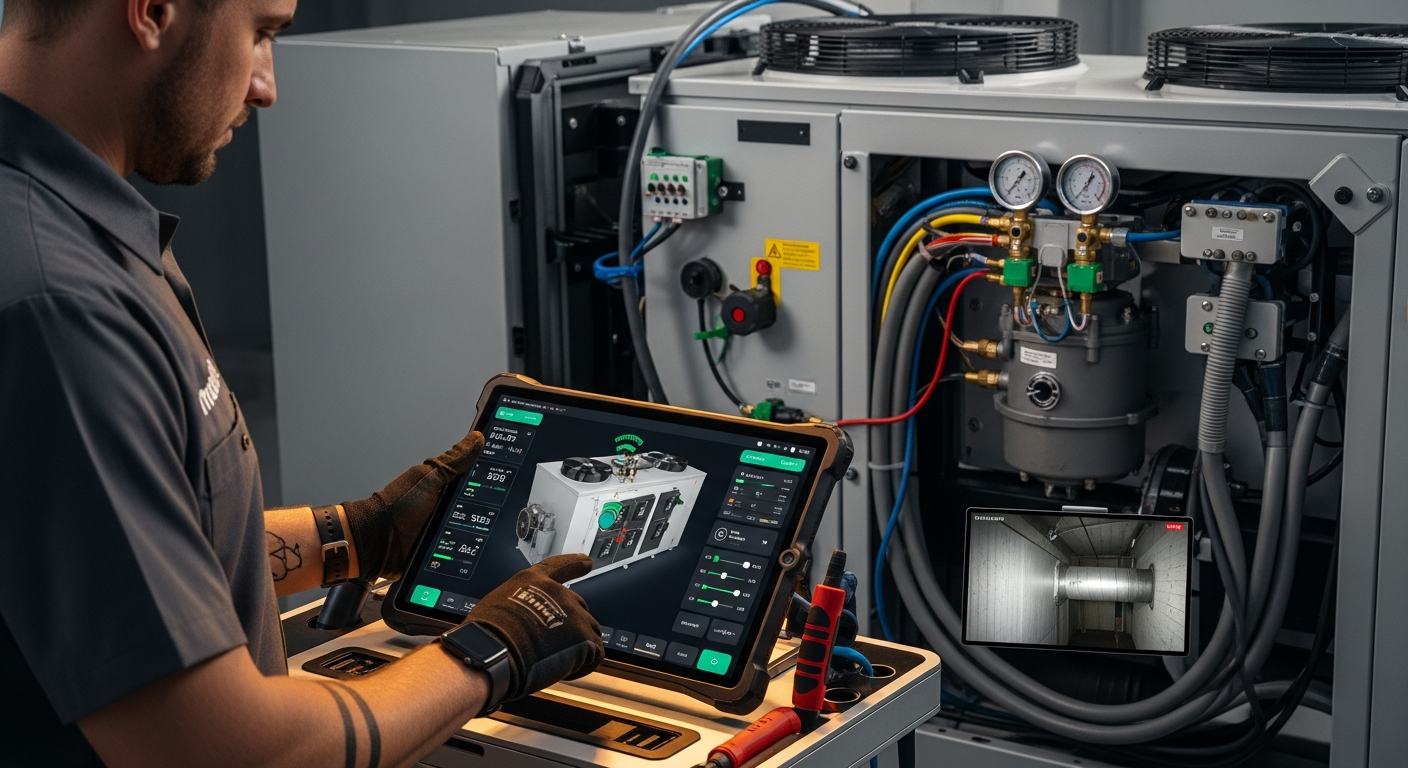
DIY the basics, hire a pro for anything beyond filters, fins, and drain lines.
Homeowners can safely handle filter replacement, simple condenser cleaning, drain line flushing, thermostat testing, and vent clearance. For refrigerant, electrical, or motor issues, always call a licensed technician to protect your safety and equipment.
What Matters Most
- Replace your filter every 30–90 days during cooling season to maintain efficiency.
- Clean around the outdoor unit and flush the condensate drain with vinegar as safe DIY tasks.
- Test your thermostat’s cooling mode well before the first heatwave.
- If the system makes noise, blows warm air, or shows ice, shut it down and call a pro—diagnostic visits start around $80.
- Use HVACDatabase tools to estimate costs, compare contractors, and decide between repair and replacement.
Strengths
- Prevents emergency summer breakdowns by catching issues early.
- Saves 5–15% on cooling costs through simple airflow and cleanliness measures.
- Extends equipment life by reducing strain on components.
Weaknesses
- DIY steps cannot replace a professional check of refrigerant, electrical, or motor components.
- Overly aggressive condenser cleaning can damage fins.
- Drain line flushing with vinegar only treats minor microbial growth; deep clogs need professional tools.
Spring Checkup Decision Summary
| Scenario | Usually Do | Why |
|---|---|---|
| Filter visibly dirty | Replace it yourself | Costs $5–$30 and takes 5 minutes; improves airflow immediately. |
| Outdoor unit full of leaves | Clean it yourself (gentle hose) | Restore heat rejection; professional cleaning needed only if fins are deeply clogged or bent. |
| Water around indoor unit | Pour vinegar down drain line; if repeated, call pro | Minor clogs may dissolve; persistent blockage risks water damage and needs professional clearing. |
| System hums but won’t start | Call a pro | Likely a failed capacitor or contactor—high‑voltage parts that require a licensed technician. |
| Cooling is weak or uneven | Check filter and vents first; if no improvement, call pro | Could be low refrigerant, undersized duct, or a dirty coil—all needing professional diagnosis. |
Quick Answer: Spring HVAC Checkup Checklist
Before you switch from heating to cooling, complete these five safe DIY tasks: (1) Replace your air filter, (2) clear debris around the outdoor condenser, (3) flush the condensate drain line with vinegar, (4) test your thermostat’s cooling mode, and (5) ensure supply vents and returns are unobstructed. If you hear unusual noises, see ice on refrigerant lines, or the system fails to cool, call a licensed technician. A professional checkup typically costs $80–$250 and should include refrigerant measurement, electrical tightening, and coil inspection—none of which a homeowner should attempt.
Why a Spring Checkup Matters
A spring tune-up protects your comfort, your wallet, and your equipment’s lifespan. Clean filters and unobstructed airflow can lower cooling costs by 5–15%. Clearing the condensate line prevents water damage and mold. Testing the system early gives you time to schedule repairs before peak-season pricing and wait times. Homes in hot or humid climates benefit even more: a neglected system can fail during a heatwave, leading to emergency service calls that often cost $200+ just to show up.
DIY Spring HVAC Maintenance: Safe Tasks
1. Replace or Clean Air Filters
Check your filter every 30 days during cooling season. Replace it at least every 90 days, or more often if you have pets or allergy concerns. Use a pleated filter with a MERV rating between 8 and 13 for a good balance of airflow and filtration. (See how to replace an AC air filter for step-by-step guidance.) A clogged filter forces the blower motor to work harder, increasing electricity use and risking overheating.
2. Clean Around the Outdoor Condenser Unit
The outdoor unit rejects heat; if it’s suffocated by debris, efficiency plummets. Turn off power at the disconnect box (a safety switch near the unit). Remove leaves, grass clippings, and overgrown vegetation within two feet. Gently rinse the fins with a garden hose—never a pressure washer, which can bend the aluminum fins. If fins are heavily clogged or damaged, a pro should handle cleaning or seasonal protection.
3. Clear the Condensate Drain Line
Your AC pulls moisture from indoor air; that water exits through a PVC drain line. Over winter, algae and sludge can build up. Locate the drain line (often a white pipe near the indoor unit) and pour one cup of distilled white vinegar down it to kill growth. If you suspect a clog (water pooling around the indoor unit or a safety shutoff has tripped), call a technician—clearing deep blockages may require compressed air or vacuum tools and risks pipe damage if done incorrectly.
4. Check and Calibrate Your Thermostat
Switch the thermostat to “Cool” and set the temperature 3–5°F below the current room temperature. You should hear the outdoor condenser and indoor blower engage within a minute. If not, check batteries and circuit breakers. For programmable or smart thermostats, update your cooling schedule to match spring and summer routines. If the thermostat seems inaccurate, a professional can calibrate it or recommend an upgrade.
5. Inspect Supply Vents and Returns
Walk through each room and confirm that furniture, curtains, rugs, or boxes aren’t blocking supply or return grilles. Obstructions cause pressure imbalances, straining the blower motor and ductwork. Keep at least 12 inches of clearance around all vents.
Safety Boundaries: What Homeowners Should Never Touch
Some tasks require a licensed HVAC technician and carry serious risks if attempted without training:
- Refrigerant handling: Checking charge, adding refrigerant, or repairing leaks is legally restricted and requires EPA certification. Improper handling can cause frostbite, respiratory injury, or compressor failure.
- Gas or combustion components: If you have a gas furnace or boiler, never attempt to inspect burners, heat exchangers, or gas valves. Gas leaks can cause fire or carbon monoxide poisoning.
- Electrical components: Do not open access panels on the furnace or air handler; capacitor discharge (even when power is off) can cause severe shock. Leave contactor, capacitor, and control board checks to pros.
- Compressor or motor work: Testing or replacing a compressor, condenser fan motor, or blower motor involves high voltage, heavy parts, and special tools.
- Coil cleaning with chemicals: Indoor evaporator coils are often difficult to access and may require specialized cleaning chemicals that can damage the coil if misapplied.
When to Call a Professional: Symptoms and Decision Thresholds
Use this logic to decide between DIY monitoring and professional dispatch:
- System doesn’t turn on: First, check breakers, disconnect switch, and thermostat batteries. If no luck, call a pro—the issue may be a failed capacitor or contactor (diagnostic visit: $80–$200).
- No cool air or weak airflow: Verify filter and vents are clear. If the problem persists, refrigerant may be low or coils frozen. A pro should measure refrigerant levels and find the leak (repairs often $500–$1,500 depending on leak location and refrigerant type).
- Odd noises: Banging, screeching, or grinding often indicates a failing motor or loose component. Continuing to run it can cause further damage. Pro repair: $200–$650 for most motor/electrical issues.
- Ice on refrigerant lines: Ice indicates low refrigerant, poor airflow, or a dirty coil. Turn the system off to thaw and call a technician. Running it iced can destroy the compressor.
- System age over 12 years and major failure: If a compressor or coil needs replacement on an older system, use our repair or replace calculator to weigh a high-cost repair against investing in a new, efficient system.
Contractor Checklist: Questions to Ask Before You Hire
Before booking a spring maintenance or repair visit, ask the following (and request answers in writing):
- Are you licensed, insured, and bonded in my state? (Ask for the license number and verify it online.)
- Does your spring tune-up include refrigerant level measurement? (If not, it’s not a full checkup.)
- Will you provide a written report with component measurements (amp draws, capacitor microfarads, temperature split, static pressure)? (Avoid companies offering only a “visual” inspection.)
- What is your diagnostic fee, and is it applied to the repair cost if I proceed with work?
- Can you provide an upfront, itemized estimate before beginning repairs? (Beware of vague “unit needs service” quotes.)
- Do you offer a maintenance plan, and what are the terms? (Annual plans typically run $150–$500 depending on visit frequency and included discounts.)
- What is your warranty policy on parts and labor?
Use our contractor directory to find vetted professionals in your area, and compare quotes side by side.
Local Context: Adjusting for Your Climate
Spring checkup needs vary by environment:
- Hot & dry (e.g., Phoenix, Las Vegas): Focus heavily on condenser cleaning; dust and fine debris clog fins quickly. Consider monthly filter checks. Schedule service before March to avoid the rush. See Phoenix AC repair contractors for desert-specific expertise.
- Humid (e.g., Houston, Miami): Condensate drain line maintenance is critical to prevent mold and water damage. A pro should also check evaporator coil cleanliness and system refrigerant charge for proper dehumidification.
- Cold winters (e.g., Chicago, Boston): You may have used a cover or closed a outdoor unit during winter. Remove covers and check for rodent damage or moisture before starting. If your system is a heat pump, it ran year-round and may need more attention to coil condition.
- Coastal (salt air): Salt accelerates coil corrosion. Professional coil cleaning and a corrosion protection coating may extend life. Annual corrosion checks are recommended.
- Older homes (pre-1990): Ductwork may be leaky or undersized. If cooling is uneven, ask the technician to check static pressure and duct condition. Older systems often benefit from a BTU calculation to ensure the unit is sized correctly.
Cost Estimates for Spring HVAC Service
| Service | Typical Cost Range | Notes |
|---|---|---|
| Diagnostic service call | $80 – $200 | Higher after hours, weekends, or emergencies |
| Standard spring maintenance visit | $80 – $250 | Includes cleaning, inspection, and safety checks |
| Annual maintenance plan (2 visits/year) | $150 – $500 | Often includes priority service and repair discounts |
| Common AC repair (capacitor, contactor, etc.) | $150 – $650 | Minor electrical or control component replacement |
| Refrigerant leak repair + recharge | $500 – $1,500 | Depends on leak location and refrigerant type |
| Compressor or coil replacement | $1,500 – $4,000+ | Consider replacement for older systems |
These ranges are editorial estimates based on national averages and surveys. Actual prices vary by region, equipment, access, and urgency. For a personalized estimate, try our HVAC cost estimator.
Tools and Calculators to Help You Decide
Use these interactive tools to make informed decisions:
- HVAC Cost Estimator: Get a localized price range for common AC repairs or a new system.
- Repair or Replace Calculator: If your system is older and needs a big repair, plug in the numbers to see if replacement is smarter.
- BTU Calculator: Check if your current unit is properly sized for your home’s square footage and climate.
- Rebate Finder: See if upgrading to a high‑efficiency model qualifies for utility or tax rebates.
- System Age Decoder: Decode your unit’s serial number to find the exact manufacture date.
Methodology: How We Form Our Recommendations
Our guidance is based on:
- Manufacturer maintenance guidelines: Tasks officially recommended by major HVAC brands in owner’s manuals.
- Industry standards: ACCA (Air Conditioning Contractors of America) and ASHRAE best practices for residential maintenance.
- Cost data: Aggregated from thousands of homeowner quotes submitted through our platform, adjusted for region and season.
- Safety regulations: EPA refrigerant handling rules and electrical codes. We clearly mark any task requiring a licensed pro.
- Field experience: Input from NATE‑certified technicians who review our content.
Cost ranges are editorial estimates—not guaranteed prices—and are updated annually. Always get multiple quotes for your specific situation.
Frequently Asked Questions
How often should I really change my HVAC filter in spring?
Check it monthly during heavy cooling and replace it when visibly dirty, or at least every 90 days. Homes with pets, smokers, or allergy sufferers may need a new pleated filter every 30–60 days. A clean filter improves airflow and lowers energy use.
Can I spray water on my air conditioner’s outdoor unit to clean it?
Yes, a gentle garden hose spray (not a pressure washer) helps remove dirt and pollen from condenser fins. Always turn off power at the disconnect first. If fins are heavily caked, a professional coil cleaning is safer to avoid bending fins or flooding electrical components.
What is a reasonable price for a spring AC tune-up?
A standalone spring maintenance visit usually costs $80 to $250, depending on your location and what’s included. Annual service plans (typically two visits per year) range from $150 to $500 and often come with repair discounts.
Why is my AC not cooling even after a spring checkup?
If you completed DIY steps and the system still blows warm air, a refrigerant leak, failed compressor, or electrical issue is likely. Turn the system off to prevent damage and call a licensed technician. Low refrigerant must be repaired by an EPA‑certified pro.
Is it worth getting a maintenance plan, or can I just do DIY checkups?
DIY tasks address basic airflow and cleanliness, but only a professional can measure refrigerant, test electrical components, and lubricate motors. For older systems or those in harsh climates, an annual plan (typically $150–$500) catches issues early, often paying for itself by avoiding expensive emergency repairs.
Next Steps
Start with the safe DIY checklist above. If you notice any abnormal symptoms, use our contractor search to find licensed pros, then run quotes through our comparison tool. For cost guidance on a new system, visit the cost guide hub. Prepare now, and your AC will be ready when the heat arrives.
Related articles
Connect this page to adjacent guides so readers keep moving deeper into the topic cluster.
How to Implement a Whole Home Energy Management System
Integrate smart tech and HVAC controls to cut energy waste. This guide shows how to audit, upgrade, and automate your home's energy use, with real savings estimates.

How to Set Up Thermostat Geofencing
Set up thermostat geofencing to automatically adjust home temperature as you come and go. Save energy, extend equipment life, and never return to an uncomfortable house. Get our quick-start guide now.
How to Troubleshoot Smart Thermostat WiFi Issues
Your smart thermostat offline? Most WiFi drops can be fixed with power checks, router adjustments, and simple restarts. Follow our step-by-step guide to regain remote control and energy savings.