How to Safely Restart HVAC After a Gas Leak
Discover the critical safety protocols and inspection steps required to safely restart your HVAC system following a gas leak detection or repair.
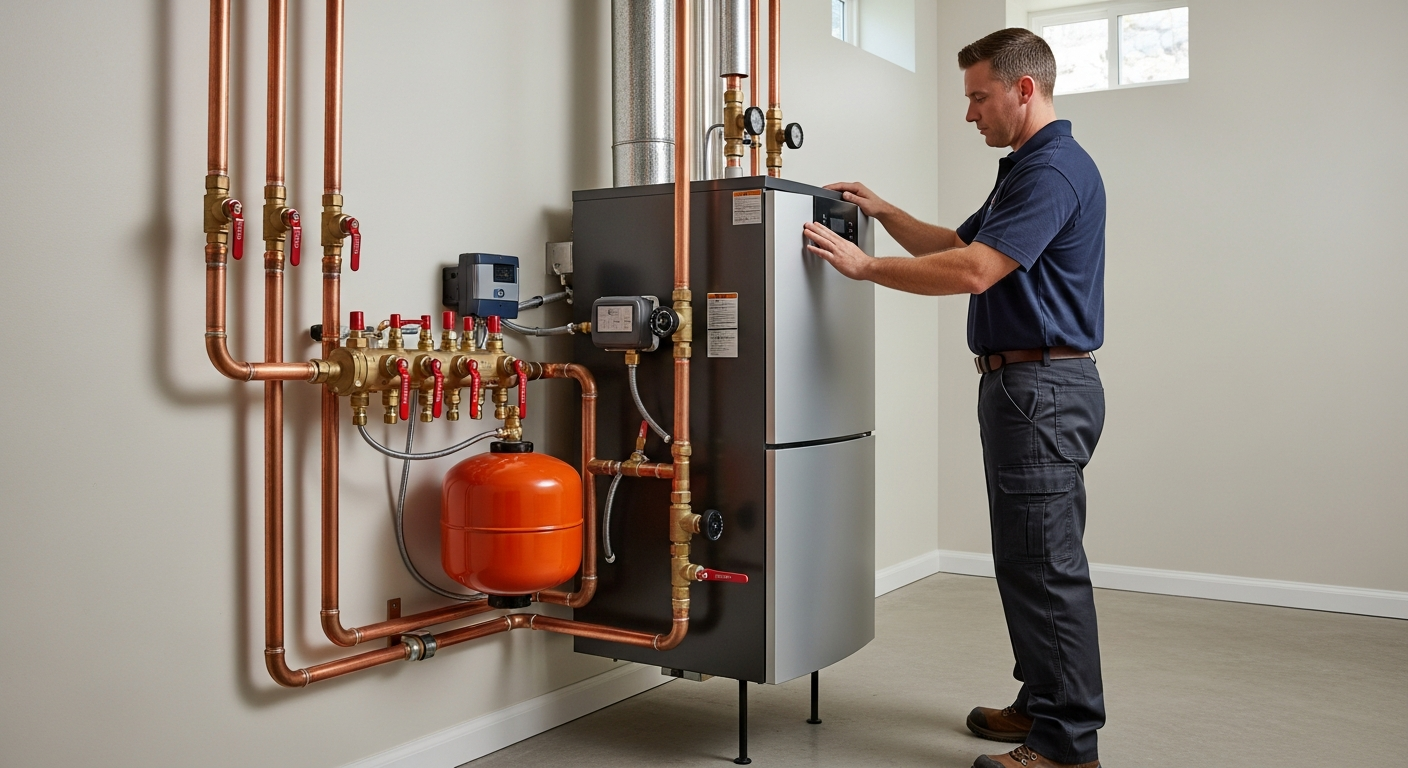
Prioritizing Safety After a Gas Leak
Experiencing a gas leak is a high-stress emergency that requires immediate action. Once the utility company or fire department has cleared your home for reentry, you might be tempted to flip the furnace switch right away.
However, restarting your HVAC system prematurely can be dangerous. You must ensure the source of the leak is fully repaired and the air in your home is safe to breathe.
This guide outlines the professional steps needed to restore your heating system safely. For homeowners looking for expert assistance, you can easily find qualified professionals through the HVACDatabase.com directory.
Step 1: Confirm Official Clearance
Never enter your home or touch your HVAC system until a professional from the gas company or the fire department has declared the building safe. They use specialized sensors to ensure gas concentrations have dissipated.
If you were forced to evacuate, verify that the gas supply has been officially restored to the meter. Sometimes, the utility provider will lock the meter until a licensed technician performs a pressure test.
Step 2: Professional Inspection of the Heat Exchanger
A common source of gas or carbon monoxide leaks within an HVAC system is a cracked heat exchanger. This component separates the combustion process from the air being blown into your rooms.
Before restarting, a technician should check your furnace components and inspect the heat exchanger for any structural integrity issues. If a crack is found, the unit must remain off until the part is replaced.
Step 3: Ventilate the Property
Even if the gas company says the levels are safe, it is wise to ventilate the home one last time. Open windows and doors for at least 30 minutes to create cross-ventilation.
This helps remove any lingering odors or trace amounts of gas that may be trapped in closets or basements. Fresh air also ensures your system has plenty of oxygen for clean combustion upon restart.
Step 4: The Restart Procedure
Once a licensed contractor from HVACDatabase.com has repaired the leak and inspected the unit, follow these steps for a controlled restart:
- Check the Thermostat: Ensure the thermostat is set to the "Off" position before restoring power.
- Turn on the Gas Valve: Slowly turn the manual gas shut-off valve to the "On" position (parallel to the pipe).
- Restore Power: Flip the electrical breaker or the furnace's power switch back to "On."
- Adjust Thermostat: Set the thermostat to "Heat" and raise the temperature to trigger a cycle.
If you encounter issues during this process, consult our guide on staying warm during a heating emergency while you wait for a technician.
Step 5: Monitor the First Cycle
Stay near the furnace during its first full cycle after a leak. Listen for unusual clicking, booming, or whistling sounds that could indicate ignition issues.
Sniff the air near the unit and at the supply vents. If you smell the distinct "rotten egg" odor of mercaptan again, shut the system down immediately and leave the house.
Step 6: Update Your Safety Devices
A gas leak is a wake-up call for home safety. If your system leaked and your detectors didn't go off, they likely need to be replaced.
Consider reviewing the carbon monoxide detector installation cost guide to ensure your family is protected against invisible threats. Place detectors on every floor and near all sleeping areas.
When to Replace vs. Repair
If the leak was caused by a catastrophic failure in an aging furnace, you might face a difficult choice. Frequent leaks or rusted components often signify that the system is reaching the end of its lifespan.
Evaluate your options by looking at emergency repair vs. replacement costs. In many cases, investing in a new, high-efficiency unit is safer and more cost-effective than patching an old, leaky system.
Conclusion
Safety is the only priority when dealing with natural gas or propane. Never take shortcuts when restarting your HVAC system after a leak has been detected.
By working with a trusted local professional found on HVACDatabase.com, you can ensure that your system is sealed, vented, and operating at peak safety. If you have recently dealt with severe weather, you may also want to check the cost to repair HVAC after storm damage to ensure no other external factors are affecting your system.
Related articles
Connect this page to adjacent guides so readers keep moving deeper into the topic cluster.

How to Get a Written HVAC Estimate
Discover the essential steps to obtaining a detailed written HVAC estimate and why documented quotes are critical for every homeowner.
How to Handle HVAC Failure During a Newborn at Home
Discover essential safety tips and actionable steps to manage your home environment when your HVAC system fails with a newborn in the house.

How to Create an HVAC Emergency Kit
Don't get caught in the heat or cold! Learn how to build a DIY HVAC emergency kit to keep your family comfortable while waiting for repairs.