How to Spot Electrical Issues in Your HVAC Before They Become Emergencies
Don't let a small wire issue lead to a total system failure. Learn the early warning signs of HVAC electrical problems and protect your home today.
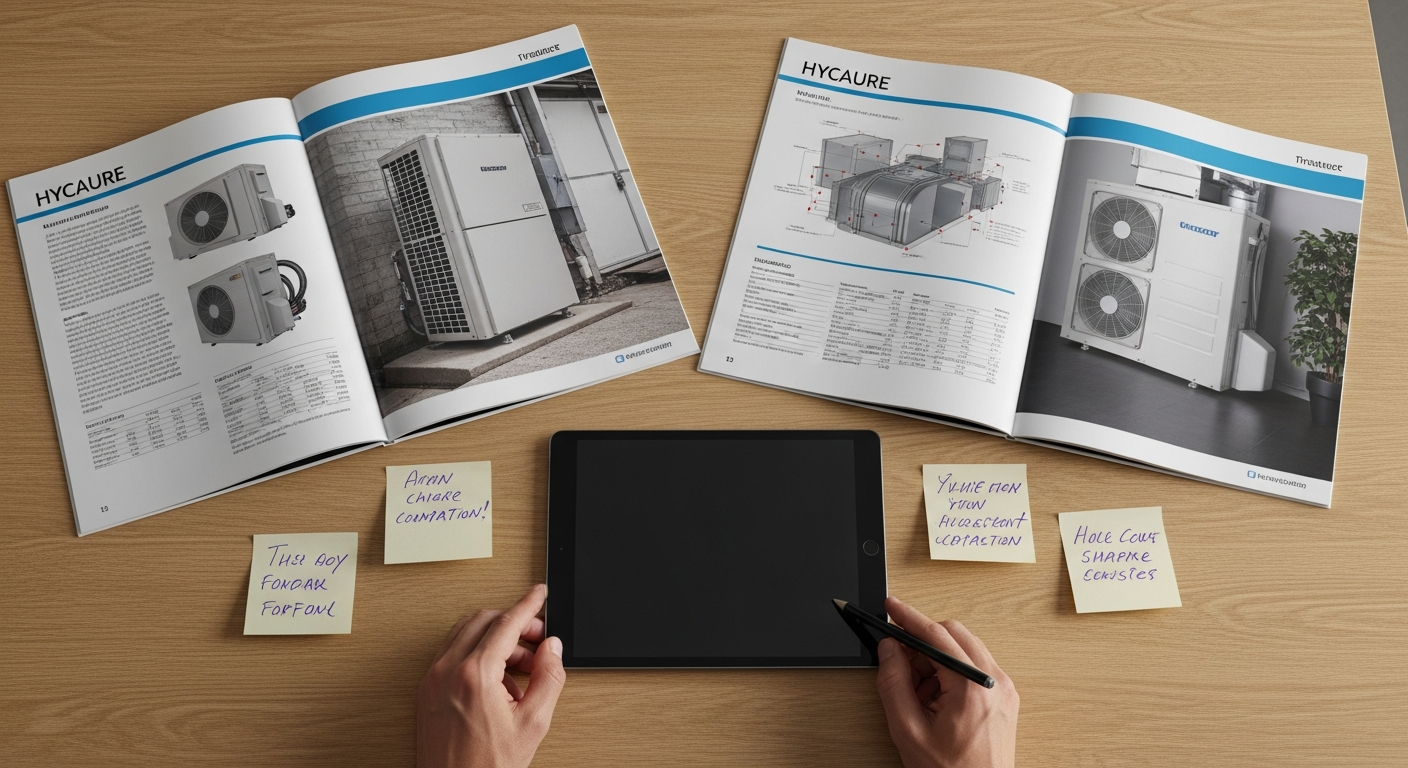
Recognizing Early Warning Signs of HVAC Electrical Issues
Your heating and cooling system is a complex network of motors, sensors, and high-voltage wiring. While mechanical wear and tear is common, electrical failures are often the root cause of sudden system breakdowns.
Ignoring these subtle signals can lead to expensive repairs or even dangerous house fires. Understanding how your system communicates trouble is the first step in maintaining a safe and comfortable home.
If you suspect your unit is struggling, it is essential to know how to shut off your HVAC in an emergency before checking internal components. Safety should always be your primary concern when dealing with electricity.
1. Frequent Tripping of the Circuit Breaker
Circuit breakers are designed to protect your home by cutting power when an electrical circuit is overloaded. If your AC or furnace trips the breaker once, it might be a fluke caused by a power surge.
However, if the breaker trips repeatedly, your system is drawing too much amperage. This often points to a failing compressor or a motor that is overheating and struggling to start.
Never continue to reset a breaker that keeps tripping. Constant resetting can damage your home's electrical panel and leads to much more costly repairs than a simple component replacement.
2. Persistent Buzzing or Humming Noises
While HVAC units aren't silent, they should produce predictable sounds. A loud buzzing or humming noise coming from the outdoor condenser or the indoor air handler is a major red flag.
These sounds often indicate a failing contactor or a capacitor that has lost its ability to hold a charge. If left unaddressed, these small parts can cause the entire motor to burn out.
Identifying these sounds early is a key reason why regular maintenance prevents HVAC emergencies. A technician can swap a cheap capacitor during a tune-up before it strands you in the heat.
Dangerous Smells and Visual Indicators
Your senses are some of the best tools for diagnosing electrical problems. If something looks or smells out of place, do not ignore it.
Acrid Burning Odors
A distinct smell of burning plastic or ozone is a sign of electrical arcing or melting wire insulation. This is a critical situation that requires immediate intervention from a professional.
If you smell burning, turn the unit off at the thermostat and the breaker immediately. This is not a situation where you should wait to see if the smell goes away on its own.
Dimming Lights When the Unit Starts
Does your living room light flicker or dim for a split second when the air conditioner kicks on? This suggests the unit is pulling a massive amount of current to overcome resistance during startup.
This "hard starting" puts immense strain on your electrical system. It can often be solved by installing a hard start kit or replacing a weak capacitor, but it requires an expert eye to diagnose correctly.
When to Call a Professional HVAC Contractor
While some homeowners feel comfortable with minor DIY tasks, such as learning how to replace an AC fan belt, electrical work is inherently dangerous. High-voltage capacitors can hold a lethal charge even after the power is turned off.
The Risk of DIY Electrical Repair
Attempting to fix wiring without proper training can void your equipment warranty and create fire hazards. Modern HVAC systems utilize sensitive circuit boards that are easily fried by improper handling.
If you aren't sure where to turn, you can find trusted HVAC contractors on HVACDatabase.com. Our directory connects you with verified professionals who have the tools and expertise to handle high-voltage repairs safely.
Emergency Service vs. Scheduled Maintenance
If your system is blowing warm air and making a chattering sound, you likely need immediate assistance. Understanding emergency HVAC service contracts vs per-call pricing can help you decide how to manage the costs of these urgent visits.
For those in specific regions, such as Utah, knowing how to choose an HVAC contractor in Salt Lake City or your local metro area ensures you get a technician familiar with local building codes and climate demands.
The Role of the Capacitor and Contactor
The two most common electrical failures involve the capacitor and the contactor. These parts are relatively inexpensive but critical to the system's operation.
- Capacitors: These act like short-term batteries that give the motors the extra boost needed to start. Heat is their primary enemy.
- Contactors: These are essentially switches that close to send power to the compressor and fan. Over time, the silver coating on the points wears down, leading to "pitting" and failure.
If you notice your fan spinning but the compressor not engaging, one of these parts is likely the culprit. Proactive replacement during a seasonal check-up is always cheaper than a midnight emergency call.
Proactive Steps for Homeowners
You can prevent many electrical issues by keeping the area around your outdoor unit clear of debris and ensuring your indoor filters are clean. Restricted airflow causes motors to work harder, which increases electrical load and heat.
In the event of a total system failure during extreme weather, you might consider a portable heater vs space heater for emergencies while you wait for a technician to arrive.
If you ever detect the smell of rotten eggs alongside electrical issues, you may have a secondary problem. Refer to our guide on how to handle an HVAC gas leak to ensure your family's safety.
Conclusion
Electrical issues rarely fix themselves. What starts as a faint buzzing or a single tripped breaker can quickly escalate into a total system meltdown or a fire hazard.
By staying vigilant and performing regular inspections, you can catch these problems early. When you need an expert to verify your system's health, remember that you can find trusted HVAC contractors on HVACDatabase.com to keep your home running smoothly all year long.
Related articles
Connect this page to adjacent guides so readers keep moving deeper into the topic cluster.
How to Set Up HVAC Maintenance Logs for Commercial Buildings
Organized maintenance logs are the backbone of commercial building management. Learn how to track repairs and optimize your HVAC system's performance.
How to Plan HVAC for a Co-Working Space
Designing HVAC for co-working spaces requires balancing high density, varied schedules, and energy efficiency to ensure every member stays comfortable and productive.

How to Choose HVAC for a Data Center
Selecting the right HVAC for a data center is critical for hardware longevity. Learn about precision cooling, airflow management, and finding the right pro.