HVAC Zoning System Cost Guide
Learn how much an HVAC zoning system costs, how it saves energy, and what factors affect your price. Use our tools to estimate your project and find trustworthy contractors.
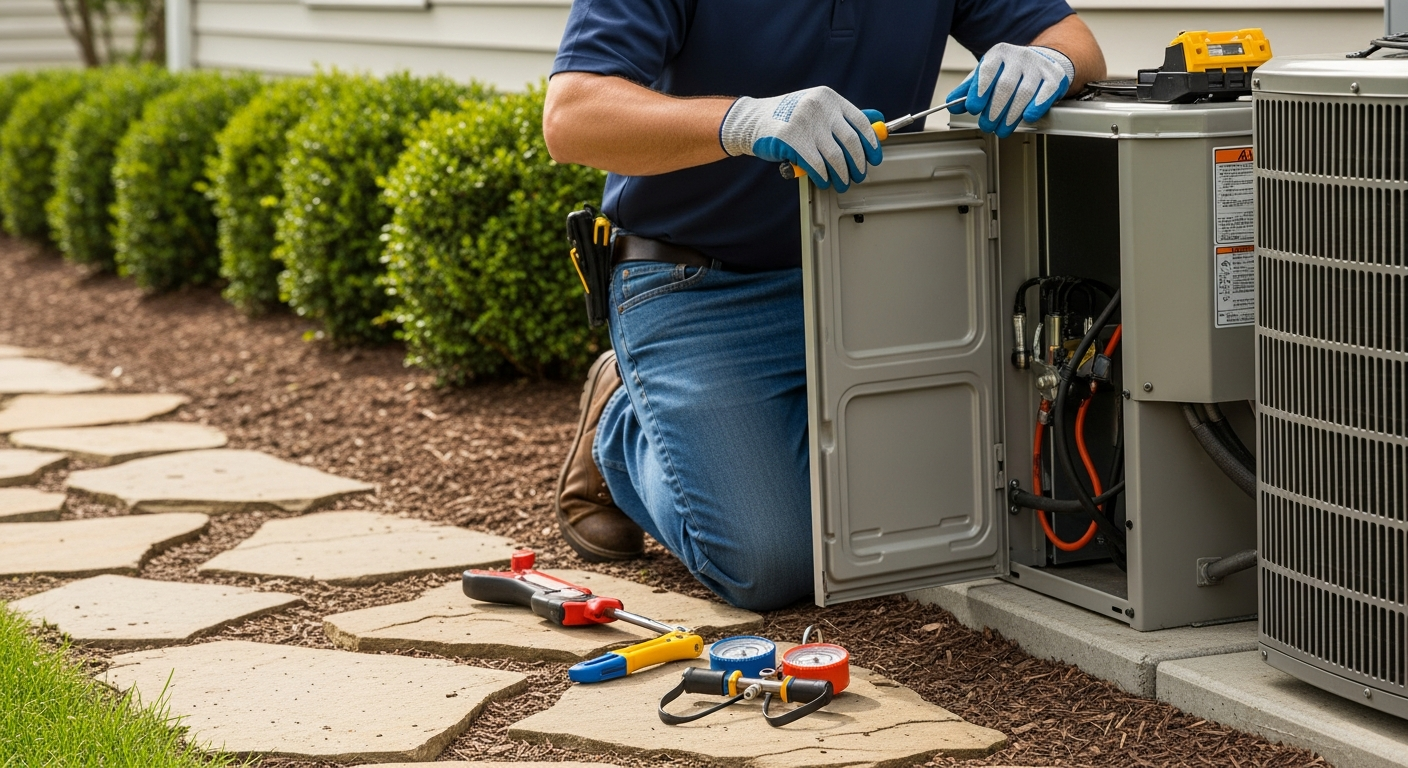
Zoning is a smart upgrade—when your home and budget align
For most multi-story or unevenly heated homes, zoning pays off in comfort and energy savings. But it’s not a one-size-fits-all fix; single-story open layouts often see minimal benefit.
What Matters Most
- Average installation costs $2,000–$5,000 with 2–6 dampers
- DIY is dangerous—static pressure kills equipment; always hire a pro
- Energy savings of 20–30% can recoup costs in 2–5 years
- Ask contractors about Manual J calculations and static pressure tests
- Use our tools to estimate costs and compare quotes before signing
Strengths
- Independent temperature control eliminates hot/cold spots
- Reduces energy waste by conditioning only occupied zones
- Extends HVAC equipment life through reduced cycling
- Works with modern smart thermostats for remote control and automation
Weaknesses
- High upfront cost not always justified in small, open homes
- Older single-stage systems may need costly modifications
- Complex installations in finished spaces can balloon labor charges
- Improper installation risks compressor or heat exchanger failure
Decision Summary
| Scenario | Usually do | Why |
|---|---|---|
| Multi-story home with uneven temps | Install 2+ zones | Fixes comfort issues; saves energy quickly |
| Single-story open concept | Avoid zoning or limit to 2 zones | Balanced airflow already exists; minimal benefit |
| Older single-stage HVAC | Add zoning cautiously; consider system replacement | Risk of static pressure damage; bypass damper helps |
| New construction or major renovation | Include zoning in design | Cheaper and easier integration; future-proof |
| Budget under $2,000 | Try smart thermostat + manual balancing first | Full zoning may exceed budget; simpler fixes may suffice |
Introduction: Is HVAC Zoning Worth It?
If your home suffers from uneven temperatures—like a freezing bedroom and a stuffy living room—HVAC zoning can solve that. By adding motorized dampers and multiple thermostats, you control temperatures room by room. A professionally installed zoning system typically costs $2,000–$5,000 for an average home. While it’s a significant investment, zoning often pays for itself through energy savings of up to 30% and reduced wear on your equipment. This guide breaks down costs, savings, decision criteria, and how to hire a qualified contractor.
Quick Answer
An HVAC zoning system divides your home into separate areas (zones) with independent temperature control. Average cost: $2,000–$5,000, including equipment and labor. Payback: 2–5 years through energy savings of 20–30%. Best if you have a multi-story home, high ceilings, or unused rooms. Not recommended for single-story open concept homes with a well-balanced system. Use our cost estimator for a personalized estimate.
What Does an HVAC Zoning System Cost?
| Component | Cost Range | Notes |
|---|---|---|
| Motorized dampers (each) | $150 – $350 | Most homes need 2–6 dampers |
| Zone control panel | $200 – $500 | Brain of the system; handles bypass logic |
| Thermostats (each) | $150 – $400 | Smart models add WiFi and Alexa compatibility |
| Professional labor | 40–60% of total | Includes duct modifications, wiring, static pressure testing |
| Bypass damper (if needed) | $100 – $300 | Required for older single-stage equipment |
| Duct modifications | $200 – $1,000+ | Access issues or adding new runs |
| Total installation range | $2,000 – $5,000 | For typical 2–4 zone system; complex projects can exceed |
Editorial estimate range. Actual prices vary by region and contractor.
Key Cost Factors
- Number of zones: A 2-zone split (upstairs/downstairs) is cheaper than a 5-zone custom setup.
- Ductwork accessibility: Open basements or attics keep labor low; cutting drywall drives costs up.
- Equipment compatibility: Older single-stage HVAC units may need a bypass damper and extra modifications.
- Smart integration: WiFi thermostats and Alexa control add hardware cost but boost convenience.
Safety Boundaries: What Homeowners Can (and Cannot) Do
HVAC zoning involves electrical wiring, duct modification, and integration with your furnace/AC. You can safely:
- Replace thermostat batteries
- Adjust thermostat schedules and settings
- Clean or replace air filters
- Keep supply and return vents unblocked
Never attempt:
- Installing or wiring dampers
- Modifying control boards
- Handling refrigerant, gas, or combustion components
- Replacing capacitors, contactors, compressors, or bypassing safety switches
Improper damper installation causes static pressure spikes that can crack heat exchangers or destroy compressors. Always hire a licensed contractor who performs a static pressure test after installation.
Decision Rules: Is Zoning Right for You?
Consider zoning if you answer “yes” to two or more:
- You often shut doors to unused rooms.
- Temperature difference between floors exceeds 5°F.
- You have rooms above a garage or with large windows that are hard to heat/cool.
- Your home is multi-story with a single thermostat.
- You plan to stay in the home for 5+ years.
Zoning may not be worth it if:
- Your home is under 1,500 sq ft and single‑story with open layout.
- Existing ductwork is leaky; sealing and balancing are cheaper first steps.
- Your HVAC system is over 15 years old and near replacement—consider a new, zoning‑ready unit. Use our Repair or Replace Calculator to evaluate.
Contractor Checklist: Questions to Ask Before You Hire
Before approving work, ask these questions:
- Do you perform a Manual J load calculation to size the zones?
- Will you conduct a static pressure test after installation?
- Are you familiar with my specific HVAC equipment and its zoning compatibility?
- Can you provide references for recent zoning projects?
- What warranty do you offer on labor and equipment?
- How will you handle bypass air if my system is single-stage?
- Is the control panel compatible with the smart thermostats I want to use?
- Do you pull permits and ensure code compliance?
Find screened contractors through our contractor search and use the quote comparison tool to evaluate bids.
Use Our Tools to Plan Your Project
Estimate local costs with the HVAC Cost Estimator. Vet quotes with the Quote Checker. If your system is aging, the Repair or Replace Calculator can guide you. For sizing, try the BTU Calculator. Check for local rebates with the Rebate Finder.
Long-Term Savings and Comfort
By not heating or cooling unused spaces, you can cut energy bills by 20–30%. A zoned system also reduces equipment runtime, lowering wear and extending life. This can prevent expensive repairs like a failed compressor or condenser replacement. For maximum savings, combine zoning with smart thermostats that use geofencing and scheduling.
Regional Considerations
- Hot climates: Zoning prevents cooling empty rooms during peak heat, saving significantly.
- Cold climates: Zone control keeps unused bedrooms cooler to reduce heating demand.
- Humid regions: Properly sized zones avoid short‑cycling, improving dehumidification.
- Coastal homes: Salt air may corrode damper motors; choose corrosion‑resistant models.
- Older homes: Often need bypass dampers and duct upgrades; expect higher costs.
Methodology: How We Derive Cost Estimates
Our cost figures are editorial estimates based on aggregated pricing data from HVACDatabase contractor transactions, equipment manufacturer MSRP, and regional labor rates. They are not guaranteed prices. Actual costs vary by system size, duct access, local permit fees, seasonal demand, and contractor overhead. Always obtain at least three written quotes and compare them using our tools.
Frequently Asked Questions
Can I add zoning to my existing HVAC system?
Yes, in most cases. Compatibility depends on your unit and duct layout. Older single-stage systems often need a bypass damper and may not be ideal. A qualified contractor can assess viability.
How many zones do I need?
Most homes benefit from 2–4 zones. Common setups: upstairs/downstairs (2), or separate zones for master suite, living area, and bedrooms. Fewer zones keep costs lower; more zones improve comfort but increase complexity.
Does zoning work with smart thermostats?
Absolutely. Modern zone control panels support WiFi thermostats. This lets you control each zone via phone or voice assistant. See our guide on setting up smart thermostats with zoning.
Will zoning void my HVAC warranty?
Not if installed per manufacturer guidelines. However, some modifications may affect coverage. Ask the contractor to verify warranty terms before work begins.
How much can I save monthly?
Typical energy savings of 20–30%. On a $200 monthly bill, that’s $40–$60 saved. Savings depend on climate, usage patterns, and system efficiency.
Related articles
Connect this page to adjacent guides so readers keep moving deeper into the topic cluster.

Cost to Install Multiple Smart Thermostats
Get a clear cost breakdown for installing 2–4+ smart thermostats. Includes equipment, labor, zoning upgrades, and how to save with utility rebates. Practical checks and contractor questions inside.
Duct Booster Fan Installation Cost
Uneven room temps? Duct booster fan installation costs: register fans $30–$100 DIY, inline fans $500–$800+ with pro. Learn when a booster works and when you need a bigger fix.
Makeup Air Unit Installation Cost Guide
Expect to pay $1,500–$4,500 for a pro-installed makeup air unit. Discover passive vs. tempered options, code triggers, and money-saving decision rules.