Tips for Reducing Static Electricity Through Humidity Control
Tired of static shocks? Discover how proper humidity control—from whole-home humidifiers to duct sealing—can eliminate static electricity and protect your home's electronics, wood, and health.
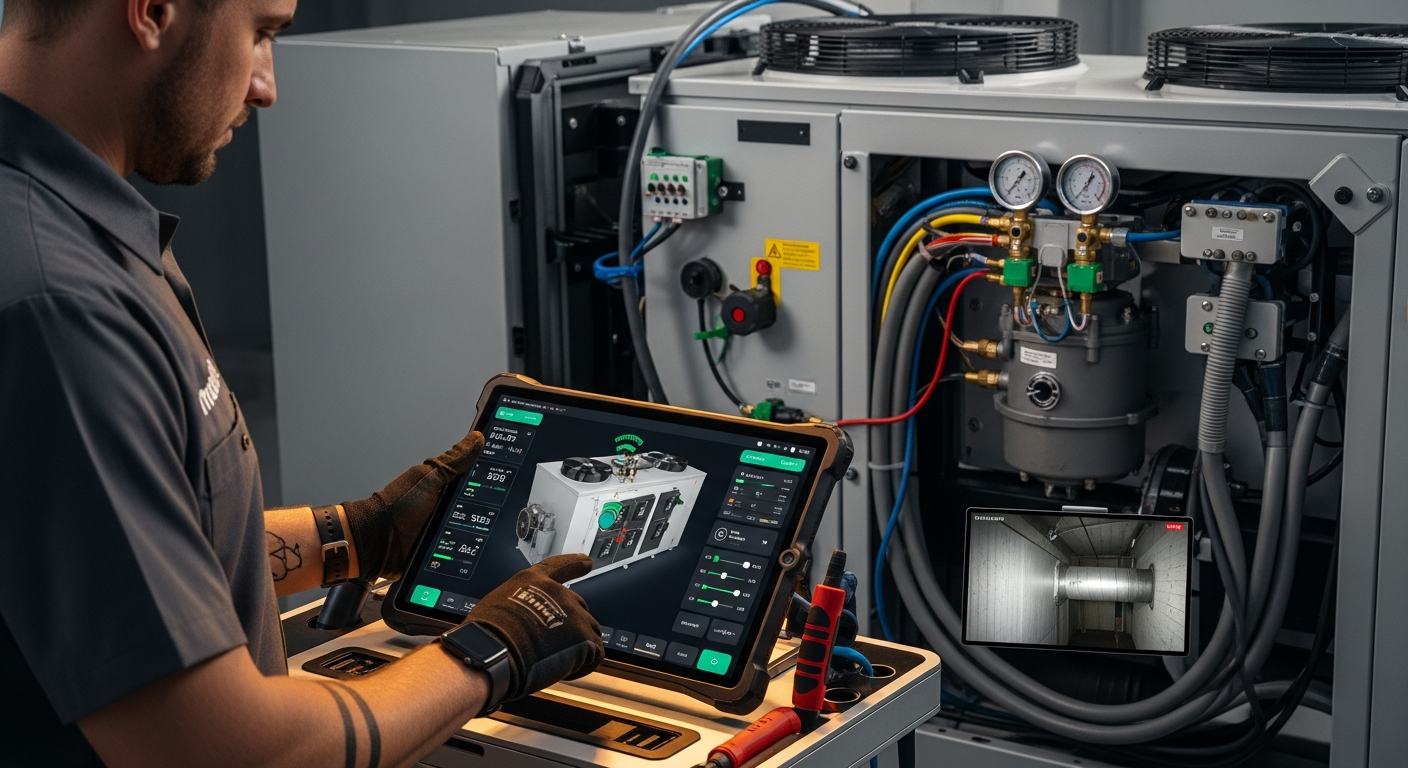
Install a whole-home humidifier if your indoor humidity consistently drops below 30% and you experience frequent static shocks. For budget-conscious or single-
Prioritize whole-home solutions for comprehensive static control and property protection, but recognize that portable units offer a low-cost entry point. Always verify humidity levels with a hygrometer before investing.
What Matters Most
- Maintain 30–50% indoor humidity to stop static shocks and protect health and belongings.
- Whole-home humidifiers are the most effective long-term fix, costing $400–$1,200 installed.
- Seal leaky ducts to maximize humidifier efficiency and comfort.
- Use HVACDatabase tools (Cost Estimator, Rebate Finder) to plan your budget.
- Never DIY humidifier installation—hire a licensed pro to avoid water and electrical risks.
Strengths
- Consistent whole-home humidity control eliminates static everywhere.
- Protects sensitive electronics, wood floors/furniture, and respiratory health.
- Integrates with existing HVAC for low-maintenance, automated operation.
Weaknesses
- Upfront cost of $400–$1,200 for whole-home units may be prohibitive.
- Portable units require daily refilling and weekly cleaning to prevent mold.
- Over-humidification can encourage mold growth if controls are not set correctly.
Whole-Home vs. Portable Humidifier Decision
| Scenario | Usually do | Why |
|---|---|---|
| You have persistent whole-house static | Whole-home humidifier | Covers all rooms, automatic control, protects entire home |
| You want a quick, low-cost fix for one room | Portable humidifier | $30–$150, no installation, immediate relief |
| You have a tight, energy-efficient home | Consider ERV/HRV or steam humidifier | Balances fresh air and humidity without over-drying or energy waste |
Quick Answer
To reduce static electricity, maintain indoor relative humidity between 30% and 50%. The most effective long-term solution is a whole-home humidifier installed on your HVAC system, which typically costs $400–$1,200 installed (editorial estimate). For single-room relief, a portable humidifier may suffice ($30–$150). Sealing leaky ducts and using variable-speed HVAC equipment also help. Always hire a licensed HVAC technician to install or modify humidification equipment—never attempt electrical or ductwork modifications yourself. Use our Air Quality Score tool to assess your dry air risk.
How Low Humidity Causes Static Shocks
Static electricity thrives in dry air because moisture normally helps dissipate electrical charges. When indoor humidity drops below 30%, static builds up on surfaces and your body, leading to shocks. Winter heating systems, especially forced-air furnaces, remove moisture from indoor air, making the problem worse. This is especially common in cold climates where outdoor air is naturally dry.
Ideal Indoor Humidity Levels
Aim for 30%–50% relative humidity. Below 30%, static, respiratory irritation, and wood damage increase. Above 50%, mould and dust mites thrive. Use a hygrometer ($10–$30) to monitor levels. In very cold weather, you may need to lower the setpoint slightly to avoid window condensation—your contractor can help you find the right balance.
Comparing Humidity Solutions for Static Control
| Solution | How It Works | Typical Cost (Editorial Estimate) | Best For | Pros | Cons |
|---|---|---|---|---|---|
| Whole-Home Humidifier | Plumbed into HVAC ductwork; adds moisture to all rooms | $400–$1,200 installed | Whole-house static elimination | Consistent humidity, low maintenance, protects whole home | Requires professional installation; upfront cost |
| Portable Humidifier | Plug-in unit for a single room | $30–$150 per unit | Targeted relief, small spaces | Inexpensive, portable | Daily refilling, cleaning to avoid mold; only covers one room |
| Smart Ventilation (ERV/HRV) | Exchanges stale dry air for fresh humid air | $2,000–$4,000 installed | Tight, energy-efficient homes | Energy efficient, continuous fresh air, manages humidity passively | High upfront cost; not a primary humidifier in very dry climates |
| Houseplants | Transpiration adds tiny amounts of moisture | $10–$100+ per plant | Minor boost, aesthetic | Natural, low-tech | Minimal impact on humidity; require care |
The Role of Ductwork and Air Quality
Leaky ducts can pull in dry, dusty attic or crawlspace air, undermining your humidification efforts. Sealing and insulating ducts typically costs $1,000–$3,000 (editorial estimate) and improves both efficiency and comfort. Also, dirty ducts circulate irritants; consider cleaning if you see dust buildup or mould. Learn more about duct cleaning and ventilation strategies.
HVAC Equipment Upgrades That Help
Variable-speed furnaces and air handlers run longer at lower speeds, which improves moisture distribution and prevents temperature swings. Single-stage equipment cycles on/off, causing humidity fluctuations. When upgrading, compare single-stage vs. two-stage vs. variable-speed (note: link to relevant content; consider a dedicated comparison article). Use our BTU calculator to right-size new equipment and cost estimator to budget for upgrades.
Safety Boundaries – What Homeowners Can and Can’t Do
Safe to do yourself:
- Monitor humidity with a hygrometer
- Adjust thermostat fan settings
- Use portable humidifiers
- Clean or replace air filters ($10–$30 DIY)
- Visually inspect accessible ducts for gaps or disconnections
Leave to a licensed pro:
- Installing whole-home humidifiers (involves water line, electrical, and ductwork)
- Sealing ducts (requires mastic and proper techniques)
- Modifying gas or refrigerant lines
- Any high-voltage electrical work
- Calculating Manual J load and humidifier sizing
Attempting DIY on these can void warranties, cause water damage, or create safety hazards. Find background-checked contractors through HVACDatabase contractor search.
Use Our Tools to Assess Your Dry Air Problem
Try these free calculators and guides:
- Air Quality Score – rate your home’s dryness and get recommendations
- BTU Calculator – ensure your heating system isn’t oversized (which worsens dry air)
- Repair or Replace Calculator – decide if it’s time for a new, humidity-friendly system
- Cost Estimator – budget for humidifier installation
- Rebate Finder – find incentives for energy-efficient upgrades in your area
Decision Tree: Should You Install a Whole-Home Humidifier?
Click to expand decision steps
Step 1: Experience frequent static shocks in winter?
No → Monitor humidity and try small fixes. Yes → Go to step 2.
Step 2: Indoor humidity consistently below 30% (verified with hygrometer)?
No → Check for other issues like synthetic carpeting. Yes → Go to step 3.
Step 3: Have you tried portable humidifiers but find them inconvenient?
Yes → Whole-home likely worth it. No → Start with a portable unit.
Step 4: Is your home older than 20 years and ducts may be leaky?
Yes → Get a duct inspection first (sealing cost $1,000–$3,000). No → Proceed to humidifier sizing.
Step 5: Budget check: Whole-home humidifier ($400–$1,200) vs. portable ($30–$150). If budget allows and you want whole-house consistency, choose whole-home; otherwise, try a high-capacity portable.
Step 6: Consult a licensed HVAC contractor for a Manual J load calculation and proper humidistat installation.
Contractor Checklist: Questions to Ask Before Installing a Humidifier
- “Do you perform a Manual J load calculation to size the humidifier?”
- “Will you inspect and test my existing ductwork for leaks?”
- “What type of humidifier do you recommend (bypass, fan-powered, steam) and why for my home?”
- “Do you include a water shut-off valve and overflow protection in the installation?”
- “What maintenance is required, and can you show me how to change the water panel?”
- “Are you licensed, insured, and familiar with local plumbing/electrical codes?”
- “Can you provide a written quote that includes labor, materials, and any duct modifications?”
- “Will you handle permits if required?”
Compare contractors and quotes with our side-by-side tool.
Local Market Considerations
Cold climates (Chicago, Minneapolis): Outdoor air is very dry in winter; whole-home humidifiers are almost essential. Use steam humidifiers for better performance in extreme cold.
Hot, humid climates (Houston, Miami): Static is rare; focus on dehumidification instead.
Dry climates (Phoenix, Las Vegas): Evaporative coolers (swamp coolers) add moisture but are not substitutes for dedicated humidifiers; consider whole-home units for winter.
Coastal areas: Salt air may corrode some humidifier components; ask about corrosion-resistant models.
Older homes (pre-1970s): Often have leaky ducts; prioritize sealing before humidifier installation.
Newer, tightly built homes: May benefit from an ERV/HRV system for balanced humidity — see our guide.
Find local contractors: Chicago heating contractors or Phoenix AC contractors as examples.
Methodology: How We Estimate Costs and Make Recommendations
Our cost estimates are editorial ranges based on typical national data, including labor, materials, and regional adjustments when possible. Actual costs vary by system size, brand, region, season, access, permits, warranty, and whether extra electrical or ductwork is required. We base recommendations on established HVAC best practices, ASHRAE standards, and input from licensed contractors. Always obtain at least three quotes before proceeding with any installation.
Frequently Asked Questions
Q: Can low humidity damage my electronics?
A: Yes. Static discharge can damage sensitive components. Maintaining 30–50% humidity protects computers, TVs, and other devices.
Q: Do portable humidifiers really help with static?
A: They can in a single room, but they require frequent refilling and won’t solve whole-house static. For whole-home protection, a ducted unit is more effective.
Q: How often should I change my humidifier’s water panel?
A: Typically once per heating season or as recommended by the manufacturer. Hard water may require more frequent changes; use the manufacturer’s guide.
Q: Will a humidifier cause mold?
A: Only if humidity exceeds 50% or if the unit is not cleaned regularly. Properly installed whole-home units include controls to prevent over-humidification.
Q: Can I install a whole-home humidifier myself?
A: No. Installation involves water supply, electrical wiring, and duct modification. Improper installation can lead to leaks, mold, or electrical hazards. Always hire a licensed HVAC contractor.
Related articles
Connect this page to adjacent guides so readers keep moving deeper into the topic cluster.

Understanding C Wire Adapters for Smart Thermostats
Missing the C wire for your smart thermostat? C wire adapters solve power issues without pulling new wiring. Compare types, costs, and installation options.

Tips for Choosing a Smart Thermostat for a Heat Pump
Learn which smart thermostat features prevent expensive auxiliary heat mistakes, how to verify compatibility, and when to call a pro.
Tips for Heating a Home With Radiant Barriers
Radiant barriers can reduce winter heat loss through ceilings, but they are not a replacement for insulation. Learn when they help and what else you need for a warm, efficient home.