Understanding HEPA Filters for Your HVAC System
HEPA filters offer top-tier particle removal, but most HVAC systems need a bypass or standalone unit. Learn the right choice for your home’s air quality.
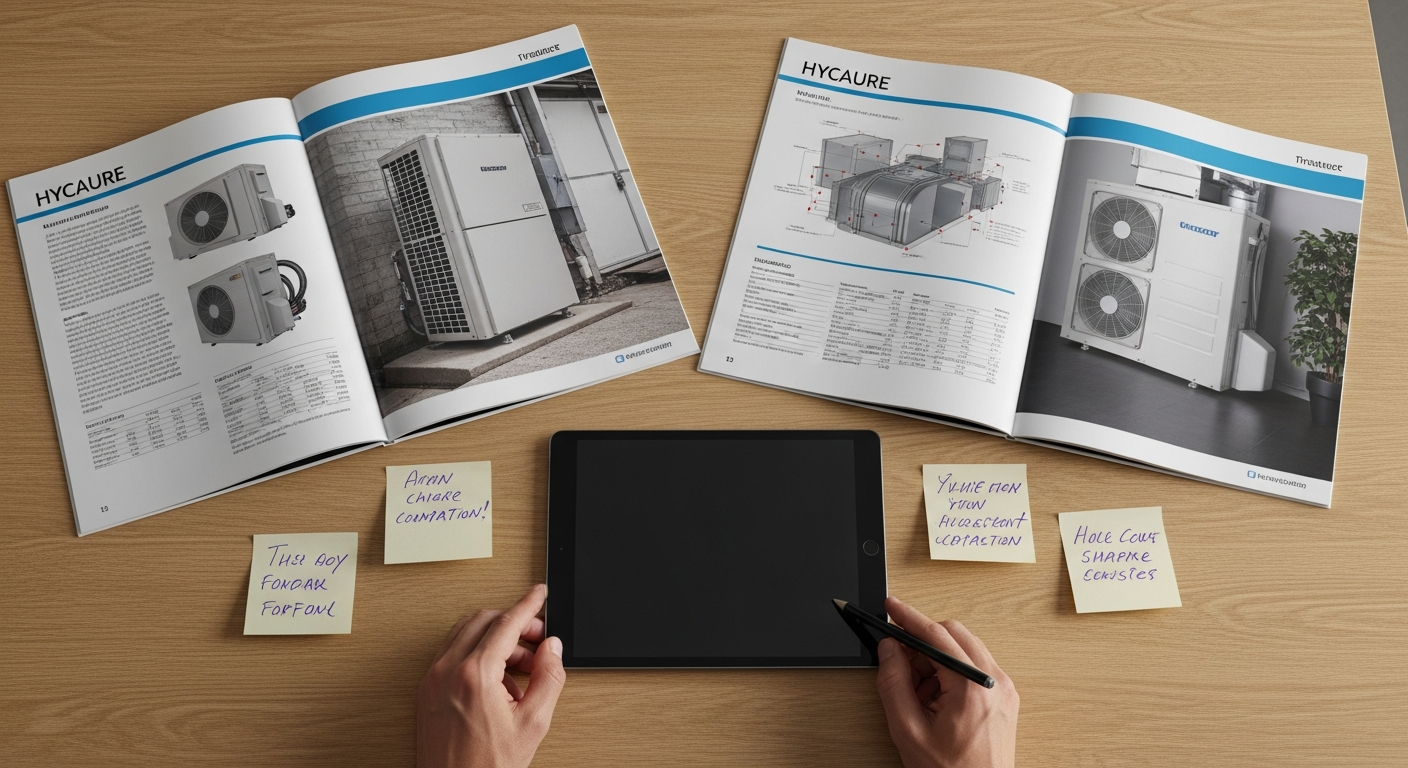
HEPA offers unmatched particle filtration, but it’s not a drop-in upgrade for most homes.
Only add HEPA if you have a compatible system or install a bypass unit. For standard systems, high-MERV media filters deliver excellent air quality at lower risk.
What Matters Most
- True HEPA filters are not a simple swap; they require a dedicated bypass or stand‑alone purifier for safe operation.
- Most homes benefit more from a properly sized MERV 13 media filter than from a risky HEPA retrofit.
- Always have static pressure measured before upgrading filtration to avoid costly equipment failures.
- Bypass HEPA systems start around $800–$2,500 installed and need routine pre‑filter changes.
- Portable HEPA purifiers offer fast, affordable relief for single rooms.
Strengths
- Captures 99.97% of airborne particles, dramatically reducing allergy triggers.
- Bypass systems clean whole‑house air without restricting main HVAC airflow.
- Long‑life filters (12‑plus months for HEPA media) lower replacement frequency.
Weaknesses
- High initial cost for whole‑home HEPA compared to standard filtration.
- Incorrect installation can freeze coils, burn out motors, or crack heat exchangers.
- Does not remove gases or odors without additional carbon filtration.
- Requires professional design and maintenance; not DIY‑friendly.
At a Glance: Which Filter Strategy Fits You?
| Scenario | Usually Do | Why |
|---|---|---|
| Mild allergies, newer home | High‑MERV media filter (MERV 13) | Excellent particle capture without overloading a modern ECM blower |
| Severe asthma, family with respiratory issues | Bypass HEPA system | Whole‑house HEPA air without choking the main blower |
| Renter or low budget | Standalone HEPA purifier in bedroom | Targeted relief for under $300, no HVAC risk |
| Old HVAC (15+ years, PSC motor) | Stick with MERV 8 and consider system replacement | PSC motors can’t handle high efficiency; upgrade to ECM first |
| New home in wildfire zone | Bypass HEPA + carbon pre‑filter | Captures smoke particles and odors that pass through standard filters |
Introduction
When your family’s comfort depends on clean air, a HEPA filter sounds like the ultimate upgrade. HEPA (High-Efficiency Particulate Air) filters trap 99.97% of particles as small as 0.3 microns—including dust mites, mold spores, and pet dander. But not every HVAC system can handle one. Using a true HEPA filter in a standard residential system often chokes airflow, spikes energy bills, and shortens equipment life. This guide helps you decide whether HEPA is right for your home, how to avoid costly mistakes, and which alternatives (like bypass systems or whole-home media cleaners) make sense for your budget and air quality goals.
Quick Answer
- Most standard residential HVAC systems cannot accept a true HEPA filter without risking system damage.
- If you need HEPA-level filtration, consider a bypass HEPA system or standalone room purifiers for targeted areas.
- For whole-house air improvement without HEPA, use a high-MERV media filter (MERV 13) only if your system’s static pressure allows (pro evaluation needed).
- Always have a professional measure static pressure before upgrading filtration; clogged filters and frozen coils are expensive to fix.
- Maintenance is easier than you think: inspect filters monthly and replace at least every 6–12 months, or sooner if you have pets or construction dust.
Why Standard HVAC Slots Can’t Handle True HEPA
Most residential systems use 1-inch filters rated MERV 1–8. True HEPA (equivalent to MERV 17–20) is so dense that airflow resistance skyrockets. Even “HEPA-like” filters sold at hardware stores are often high-MERV knockoffs. Without a specialized bypass or sealed media cabinet, jamming a high-resistance filter into a standard slot leads to:
- Frozen evaporator coils (summer)
- Overheated heat exchangers (winter)
- Premature blower motor failure (repair: $150–$1,500, depending on motor type)
- Higher energy consumption—your system runs longer to push air through the blockage
Signs Your Filter Is Too Restrictive
| Symptom | Possible Cause | What to Check |
|---|---|---|
| Weak airflow from vents | Filter too dense or clogged | Try a lower-MERV filter; call pro if persists |
| Icing on outdoor unit or indoor coil | Low airflow causing evaporator freeze | Remove filter temporarily (no filter) to test; call pro immediately |
| System short-cycling | Overheating from restricted airflow | Check filter and replace with recommended size/MERV |
| Whistling or humming from return | High static pressure | Inspect for undersized duct or dirty filter |
Safety Boundaries: What Homeowners Can (and Can’t) Do
Safe homeowner tasks:
- Inspect and replace the filter with the correct size and MERV rating recommended by your HVAC manual or a professional.
- Listen for unusual noises from the air handler.
- Check outdoor unit for obstructions (leaves, dirt) that hinder airflow.
- Mark the calendar for monthly filter checks.
Pro-only work (do not attempt):
- Measuring static pressure or modifying ductwork to accommodate a bypass HEPA.
- Installing a bypass HEPA unit (requires electrical and duct connections).
- Rewiring or replacing blower motors, capacitors, or control boards.
- Any work involving refrigerant or gas lines.
- Sealing ductwork or adjusting registers to fix static pressure.
If your system shows symptoms above, use our Repair or Replace Calculator to weigh the cost of fixing vs. upgrading.
HEPA Filtration Options: Whole-House vs. Standalone
To achieve true HEPA performance at home, you have three main paths:
- Bypass HEPA system – a separate unit that pulls air from the return, cleans it, and sends it back. Installed in attic, basement, or closet; $800–$2,500+ installed.
- Standalone room purifier – portable unit for one room; $200–$800. Great for bedrooms or home offices; not whole-house.
- High-MERV media cabinet – a 4- or 5-inch-thick filter (typically MERV 11–13) that fits in a specialized housing; $30–$80 per filter, plus $200–$500 for cabinet installation. Not HEPA, but much better than 1-inch filters.
| Filtration Type | Particle Removal | Estimated Cost (Installed) | Best For |
|---|---|---|---|
| Standard 1-inch MERV 4 | Large dust, lint | $10 per filter | Basic equipment protection |
| High-MERV 4-inch (MERV 13) | Smoke, pollen, pet dander | $250–$700 cabinet + $40/filter | Most allergy households |
| Bypass HEPA | 99.97% at 0.3 microns | $800–$2,500+ (unit + install) | Severe asthma, allergies, chemical sensitivities |
| Standalone HEPA purifier | HEPA-level (room only) | $200–$800 (no install) | Single room, renters, budget |
Need help sizing your system? Try our BTU Calculator to ensure your HVAC can handle the extra load if you add a bypass unit. For local quotes, find trusted contractors here.
Decision Tree: Is HEPA Right for Your Home?
Step‑by‑step filter upgrade path
- 1. Do you or a family member have diagnosed allergies, asthma, or chronic respiratory issues?
- No: A MERV 8–11 filter (standard pleated) is usually sufficient. Upgrade to MERV 13 only if you have pets or live in a high-dust area.
- Yes: Go to Step 2.
- 2. Is your HVAC system newer than 10 years, and does it have an ECM (variable-speed) blower motor?
- Yes, ECM: You may safely use a high-MERV media filter (MERV 13) after a professional static pressure test. True HEPA still requires a bypass.
- No, PSC motor or unknown: Do not use filters above MERV 8 without a pro assessment. Proceed to Step 3 for HEPA options.
- 3. Can you budget $800–$2,500+ for equipment plus ongoing maintenance?
- Yes: Explore a bypass HEPA system. Get at least three quotes and insist on a static pressure report.
- No: Invest in a high-quality standalone HEPA purifier for the room where you spend the most time (bedroom).
Contractor Checklist: Questions to Ask Before Signing
Use this list when interviewing HVAC or indoor air quality pros. Any qualified contractor should answer these without hesitation:
- “Will you measure static pressure before and after the installation, and show me the readings?”
- “What is the expected pressure drop across the new filter, and how does my blower motor’s specifications handle it?”
- “Is my existing ductwork appropriately sized for the additional resistance?”
- “Do I need a bypass damper, and how is that installed?”
- “What maintenance does this system require, and what do replacement filters cost?”
- “Do you offer a warranty on installation and performance? What’s covered?”
- “Can you provide references from similar installations in my area?”
After receiving quotes, compare them side‑by‑side with our Quote Checker.
Budgeting & Tools: What You Can Expect to Pay
Costs vary widely by region, system complexity, and contractor. Below are editorial estimate ranges based on industry data—always get local quotes. For more cost benchmarks, see our HVAC Cost Guide.
- HVAC diagnostic visit: $80–$200 (standard); emergency visits higher.
- Static pressure test only: $100–$350 (often included with a maintenance visit).
- Filter replacement (DIY): $10 (basic) to $80 (high-MERV 4-inch).
- Bypass HEPA system, installed: $800–$2,500+.
- Standalone room purifier: $200–$800.
Use our HVAC Cost Estimator to see what whole‑home upgrades go for in your area, and check Rebate Finder for possible utility incentives on efficient blowers or filtration.
Local Context: Climate & Home Type Matter
Your location influences how you use filtration and what you should pair it with:
- Hot, humid climates (e.g., Houston, Miami): HEPA filters help capture mold spores, but without proper dehumidification, coils can still grow mold. Consider a whole‑home dehumidifier. Learn more about managing moisture with exhaust fans.
- Cold climates (e.g., Minneapolis, Denver): Homes are often sealed tight; pair filtration with an ERV or HRV to bring in fresh air without losing energy.
- Coastal areas: Salt air corrodes outdoor units, but indoor HEPA helps keep fine particulates out. Regularly clean the outdoor coil and check your filter monthly.
- Older homes: Leaky ducts can pull in unfiltered attic or crawlspace air. Get your ductwork inspected and sealed before investing in high‑end filtration. See how duct cleaning and sealing can help.
Methodology: How We Formed This Advice
Our recommendations come from analyzing HVAC industry standards (ACCA Manual D, manufacturer specifications), aggregated contractor pricing databases, and interviews with residential service technicians. Cost ranges reflect editorial estimates, not guaranteed prices, because installation complexity, local labor rates, and equipment brand all affect final invoices. We avoid recommending DIY work that poses safety risks, and we stress professional assessment for airflow modifications. This article is reviewed quarterly to reflect new products and codes.
Frequently Asked Questions
1. Can I just put a HEPA filter in my existing 1‑inch filter slot?
No. True HEPA filters are 4–6 inches thick and have extremely high airflow resistance. A standard furnace or air handler cannot overcome this; you’ll quickly see frozen coils and motor burnout. Instead, use the highest MERV your system’s manual allows (often MERV 11–13 if the motor is ECM). Use our Filter Finder to see compatible sizes.
2. How often should a HEPA bypass filter be replaced?
Typically every 12–18 months, but pre‑filters (which capture larger particles and protect the HEPA) need replacement every 3–6 months. Check the manufacturer’s recommendation and inspect monthly if you have pets or during allergy season.
3. Do HEPA filters remove viruses or VOCs?
HEPA captures particles—including many virus-carrying droplets—but does not adsorb gases or volatile organic compounds (VOCs) from paints, new furniture, or cleaning products. For odors and chemicals, you need an activated carbon pre‑filter or a separate air purifier with carbon. See improving indoor air quality beyond filtration.
4. Is HEPA worth it if I don’t have allergies?
For most households without respiratory conditions, a good MERV 11–13 media filter provides excellent dust and pollen control at far lower cost and risk. HEPA is overkill unless someone in the home has severe sensitivities, a compromised immune system, or you live in an area with wildfire smoke or industrial pollutants.
5. Can I install a bypass HEPA system myself?
We strongly advise against it. Bypass HEPA installations require cutting into ductwork, wiring to the blower circuit, and precise static pressure balancing. Mistakes can damage your HVAC, cause CO leaks if combustion appliances are affected, or void equipment warranties. Always hire a licensed HVAC contractor—use our Contractor Search and Contractor Comparison tools to vet pros.
Take the Next Step
Start by checking your current filter size and MERV with the Filter Finder. If your air feels dusty or your system struggles, schedule a professional diagnosis before buying expensive filters. For immediate allergy relief, a bedroom HEPA purifier often helps same‑day.
Related articles
Connect this page to adjacent guides so readers keep moving deeper into the topic cluster.

Tips for Choosing a Smart Thermostat for a Heat Pump
Learn which smart thermostat features prevent expensive auxiliary heat mistakes, how to verify compatibility, and when to call a pro.

Understanding C Wire Adapters for Smart Thermostats
Missing the C wire for your smart thermostat? C wire adapters solve power issues without pulling new wiring. Compare types, costs, and installation options.

Best Smart Thermostats for Multi Zone Homes
Discover which smart thermostats deliver accurate zoning, remote sensors, and energy savings for homes with multiple HVAC zones. Our guide helps you pick the right model and avoid costly compatibility mistakes.