Why Spring Is the Best Time for an HVAC Tune-Up
Spring is the ultimate window for HVAC maintenance. Learn how a pre-summer tune-up saves you money and prevents emergency breakdowns.
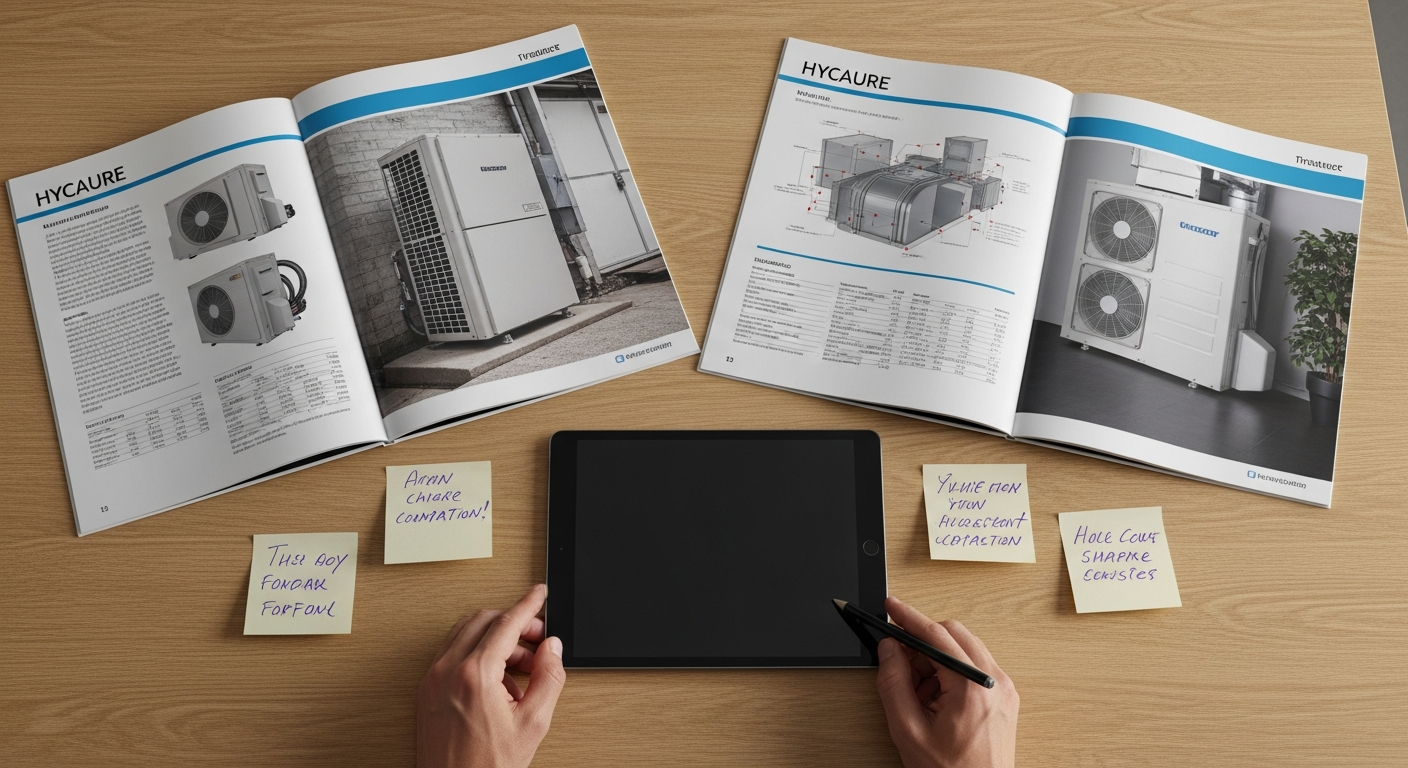
Spring tune‑ups are the single best investment for reliable summer cooling
A $80–$250 spring maintenance visit prevents 80% of mid‑summer failures, lowers utility bills by up to 15%, and keeps your warranty valid. Waiting until June risks emergency rates and days of discomfort.
What Matters Most
- Schedule your tune‑up between March and May to avoid the summer rush and get lower rates.
- Expect to invest $80–$250 for a professional check; annual plans often provide the best value.
- A professional visit can reduce cooling costs by up to 15% and extend equipment life by years.
- Use HVACDatabase tools to estimate costs, vet contractors, and never miss a maintenance slot.
Strengths
- Proactive maintenance prevents 4 out of 5 mid‑summer AC failures.
- Validates manufacturer warranties, saving thousands on major repairs.
- Improves indoor air quality just when spring allergies peak.
- Lets you choose a convenient appointment instead of begging for an emergency slot.
Weaknesses
- Upfront cost, though small compared to emergency repair bills.
- May uncover needed repairs, but addressing them early saves money and stress.
Spring Tune‑Up Decision Guide
| Scenario | Usually do | Why |
|---|---|---|
| Your AC is less than 3 years old | Schedule annual maintenance to maintain warranty | Warranty requires proof; skipping may void comprehensive coverage |
| System is 5–10 years old | Spring tune‑up is critical to catch wear and tear | Prevents mid‑summer breakdowns and spots aging parts before they fail |
| You live in a humid climate | Include drain line inspection and cleaning | Clogged drains cause water damage; humidity makes clogs more likely |
| You already have a maintenance plan | Use spring slot for AC check | Ensures readiness for summer; fall slot handles heating |
| You hear strange noises or weak airflow | Book a diagnostic visit immediately | Could indicate a failing motor, refrigerant leak, or duct issue |
Quick Answer
A spring HVAC tune-up typically costs $80–$250 and is the single most effective step to avoid emergency breakdowns when summer heat hits. Scheduling in April or May lets you choose a convenient time, secure a lower rate, and ensure your system runs at peak efficiency—potentially lowering cooling costs by up to 15%.
Why Spring? The Pre‑Summer Advantage
Spring is the ‘Goldilocks’ window for HVAC maintenance. The mild weather means technicians are less rushed, and you aren’t competing with emergency calls. Once the first heat wave arrives, HVAC companies become overwhelmed, and you could wait days or weeks for service—often at inflated after‑hours rates. A proactive tune‑up catches worn belts, low refrigerant, or clogged drains before they cause a total shutdown on a 95°F day.
| What You Gain | How It Pays Off |
|---|---|
| Lower energy bills | Clean coils and calibrated controls can reduce cooling costs by 5–15% |
| Fewer emergency repairs | 80% of mid‑summer breakdowns trace back to neglected maintenance |
| Longer equipment life | Regular care extends a typical 15‑year lifespan by 3–5 years |
| Valid warranty | Most manufacturers require proof of annual professional service |
| Better indoor air quality | Fresh filters and clean ducts reduce allergens during peak allergy season |
What a Professional Tune‑Up Includes
A qualified technician performs a thorough inspection and cleaning. The work is not a DIY project—many steps involve live electricity, high‑pressure refrigerant, or combustion byproducts.
- Measure refrigerant level and test for leaks (requires EPA certification)
- Inspect and tighten electrical connections; test capacitors and contactors
- Clean evaporator and condenser coils
- Clear condensate drain line (prevents water damage)
- Lubricate motors and moving parts
- Check thermostat calibration and cycle operation
- Replace or clean air filter (homeowners can do this monthly)
- Verify safety controls and airflow
Safety Boundaries: What You Can Do, What Needs a Pro
Homeowner‑Friendly Checks
- Replace disposable air filters every 1–3 months
- Keep outdoor unit free of leaves, grass clippings, and debris (2‑foot clearance)
- Listen for unusual rattling, grinding, or hissing when system runs
- Check visible drain line for standing water or algae (but do not dismantle)
Pro‑Only Tasks (Never DIY)
- Refrigerant handling, leak detection, or recharging
- Electrical component testing or replacement (capacitors, contactors, control boards)
- Gas furnace or boiler combustion inspection
- Compressor diagnosis or replacement
- Any repair requiring opening sealed system or high‑voltage panels
Decision Rules: When to Schedule a Tune‑Up
Use these concrete thresholds to decide:
- System older than 1 year and no maintenance in the last 12 months → Schedule now.
- You hear new sounds, smell musty odors, or notice weak airflow → Book a diagnostic visit, not wait.
- Your warranty requires annual professional service → Spring tune‑up fulfills that requirement.
- You live in a humid, coastal, or desert climate → Request drain line and coil cleaning emphasis.
- System is 10+ years old → Ask technician to evaluate overall condition; consider repair‑or‑replace calculator.
Tools to Plan and Budget
Use these free HVACDatabase resources before you call:
- Cost estimator — see typical tune‑up and repair ranges in your area.
- Maintenance reminders — never miss a seasonal check.
- System age decoder — check your unit’s age from its serial number.
- Repair vs. replace calculator — decide if a major repair is worth it.
Local Climate Considerations
- Hot & humid (e.g., Atlanta, Houston, New Orleans): Insist on thorough drain‑line cleaning; clogs cause the most summer water damage. Consider a contractor experienced with dehumidification. New Orleans AC pros often include humidity checks.
- Hot & dry (e.g., Phoenix, Las Vegas): Coils collect dust quickly. Ask for coil cleaning and refrigerant pressure check. Phoenix AC experts prioritize cooling capacity.
- Coastal (salt air): Corrosion on outdoor coils and fins accelerates. Request a protective coating inspection.
- Older homes: Ductwork may leak; a static pressure test can reveal hidden airflow problems.
Contractor Checklist: Questions to Ask Before You Book
Ask these questions and compare answers from at least three companies using our contractor comparison tool:
- Are you licensed, bonded, and insured in my state?
- What exactly does your spring maintenance include? Can you provide a written checklist?
- What is the total cost? Are there extra charges for refrigerant testing, drain cleaning, or filter replacement?
- Do you offer an annual maintenance plan? What are the savings versus one‑time visits?
- How do you handle repairs found during the tune‑up? Will you show me the issue before proceeding?
- What’s your emergency service policy? Am I a priority customer if I’m on your maintenance plan?
- Can you provide references from homeowners in my neighborhood?
Find pre‑screened pros on HVACDatabase or check specific cities like Chicago heating experts (who often service AC as well).
Methodology: How Our Estimates Are Formed
All cost ranges are editorial estimates based on national survey data, contractor interviews, and market analysis. Typical prices: diagnostic visit $80–$200; maintenance visit $80–$250; annual plans $150–$500. Emergency or after‑hours rates are higher. Actual quotes vary by location, system size, brand, accessibility, and local labor rates. Use our cost estimator for a tailored range.
Frequently Asked Questions
How much does a spring HVAC tune‑up cost?
Standard maintenance visits run $80–$250. Annual service plans—often covering two visits—range from $150 to $500. Emergency diagnostic calls start at $150 and can exceed $300 after hours.
Can I do my own spring AC maintenance?
You can replace the air filter, clear debris around the outdoor unit, and visually inspect the drain line. All other tasks—refrigerant checks, electrical testing, coil cleaning with chemicals—require a licensed professional to avoid safety hazards and voiding warranties.
What happens if I skip annual maintenance?
Efficiency drops 5–10% per year due to dirty coils and loose connections, raising utility bills. Small issues worsen, often leading to a $500–$1,500 repair that could have been prevented. Most manufacturers void the warranty without proof of annual service.
How long does a tune‑up take?
Expect 1–2 hours for a thorough inspection and cleaning. Larger or older systems may take longer. A repair found during the visit adds time and requires your approval.
Is spring really better than fall for an AC tune‑up?
Yes—spring gets your AC ready for its hardest work. Fall is ideal for heating systems. Many homeowners choose a combined plan that covers both in one contract.
Related articles
Connect this page to adjacent guides so readers keep moving deeper into the topic cluster.

Tips for Choosing a Smart Thermostat for a Heat Pump
Learn which smart thermostat features prevent expensive auxiliary heat mistakes, how to verify compatibility, and when to call a pro.

Understanding C Wire Adapters for Smart Thermostats
Missing the C wire for your smart thermostat? C wire adapters solve power issues without pulling new wiring. Compare types, costs, and installation options.

Best Smart Thermostats for Multi Zone Homes
Discover which smart thermostats deliver accurate zoning, remote sensors, and energy savings for homes with multiple HVAC zones. Our guide helps you pick the right model and avoid costly compatibility mistakes.