How to Get Your HVAC Ready for Fall
Not sure what your HVAC needs before winter? Our fall readiness guide gives clear steps, cost tables, and safety boundaries—so you can decide what to tackle and when to call a contractor.
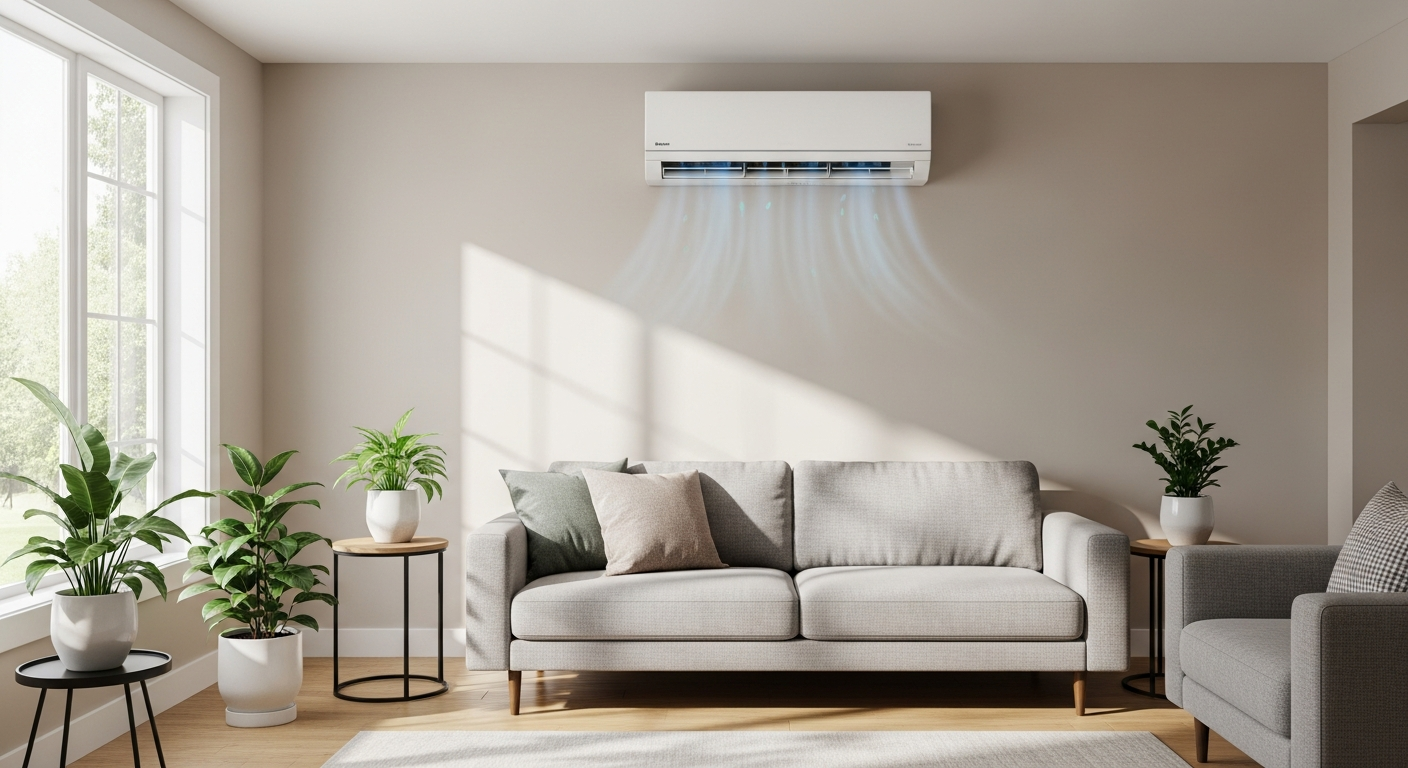
Proactive Fall Readiness Saves Money and Stress
Your fall HVAC prep should start with a DIY filter change and outdoor unit cleaning, followed by a professional tune-up if you haven't had one in 12 months. Don't wait until the first freeze to discover problems.
What Matters Most
- Change your air filter now and check it monthly.
- Test your heating system early to avoid a no-heat emergency.
- Clear debris from the outdoor unit and check vents for blockages.
- If your system is over 12 years old or needed summer repairs, consider replacement now.
- Always hire a pro for gas, refrigerant, or electrical work.
Strengths
- Drastically reduces risk of sudden heating failure.
- Improves energy efficiency and lowers utility bills.
- Identifies safety hazards like cracked heat exchangers early.
- Off-season replacement can save money and stress.
Weaknesses
- Some tasks require a professional, adding upfront cost.
- Neglecting maintenance can void warranties.
- DIY duct sealing can be messy if done improperly.
- Waiting too long may mean contractor shortages during cold snaps.
Decision summary
| Scenario | Usually do | Why |
|---|---|---|
| No heat on first cold day | Call an HVAC contractor immediately | Could be a tripped breaker, faulty ignition, or gas issue—needs diagnostics. |
| Dirty filter | Replace yourself | Simple task; clean filter boosts efficiency. |
| System >12 years with frequent repairs | Use repair-or-replace calculator; start shopping for replacement | Older systems are less efficient and more prone to failures. |
| Slight burning odor when first starting | Monitor for 5–10 minutes; if persists, call contractor | Normal dust burn-off vs. electrical hazard. |
Quick Answer: Your HVAC Fall Readiness Checklist
- Replace or clean air filters—aim for every 30–90 days.
- Test heating mode now, not during the first freeze.
- Clear debris from the outdoor unit, keeping a 2-foot clearance.
- Check and unblock all vents and returns.
- Schedule professional maintenance if you skipped spring service.
- Test carbon monoxide detectors.
- Consider an upgrade if your system is over 12 years old or needed frequent summer repairs.
Tools to Help You Decide
Before you spend a dollar, use these free calculators from HVACDatabase:
- Repair or Replace Calculator — plug in your system's age and repair history to see if fall is the time for a new unit.
- HVAC Cost Estimator — get local price ranges for maintenance, repairs, or replacements.
- BTU Calculator — make sure your heating system is sized right for your home.
- Rebate Finder — check for utility or federal incentives on high-efficiency equipment.
- System Age Decoder — decode your serial number to find the exact age.
Decision Rules: When to DIY vs. When to Hire
| Issue | DIY Safe? | Call a Professional |
|---|---|---|
| Dirty air filter | Yes—replace per manufacturer instructions. | No |
| Leaves/debris around outdoor unit | Yes—clear away with gloves, gently rinse coils with a garden hose (low pressure). | If you see bent fins, ice, or oily residue. |
| Heater won't start or short cycles | Check thermostat settings, breakers, and filter. | Always—call for diagnostics if basic checks fail. |
| Burning smell that persists >5 minutes | Shut system down immediately. | Always—possible electrical or gas issue. |
| Visible duct leaks | Seal small accessible gaps with mastic or metal tape (not duct tape). | Extensive leaks, or if you can't access safely. |
| No heat, or system running but cold air | Check thermostat mode and filter. | Always—may involve gas, refrigerant, or electrical. |
Safety Boundaries: What You Can and Cannot Touch
As a homeowner, you can safely:
- Replace air filters.
- Clean the outdoor condenser coil (gentle water spray, removing surface debris).
- Inspect and seal accessible ductwork with mastic or foil tape.
- Check thermostat settings and replace batteries.
- Test carbon monoxide and smoke detectors.
- Clear vegetation within a 2-foot radius of the outdoor unit.
Never attempt: refrigerant handling, gas line repairs, electrical component replacement (contactor, capacitor, control board, compressor), heat exchanger inspection or repair, bypassing safety switches, or any combustion-related work. These require EPA certification or specialized training and can cause injury, fire, or carbon monoxide poisoning.
What Does Fall HVAC Prep Cost?
Below are editorial estimates for common autumn HVAC tasks. Actual prices vary by region, system type, and urgency.
| Service | Typical Range | Notes |
|---|---|---|
| Basic maintenance visit | $80–$250 | Includes filter check, cleaning, safety inspection. Annual plans: $150–$500. |
| Diagnostic call (no repair) | $80–$200 | Higher for after-hours or emergency visits. |
| Duct sealing (per project) | $300–$1,500 | Depends on accessibility and extent of leaks. |
| Heat exchanger replacement | $1,500–$3,500+ | Often means new furnace if out of warranty. |
Use our HVAC cost estimator to narrow the price down for your zip code.
Contractor Checklist: 7 Questions to Ask Before You Book
- Are you licensed, bonded, and insured in my state?
- Will you provide a written estimate with a breakdown of parts and labor?
- Do you perform a combustion safety or heat exchanger inspection as part of the tune-up?
- Can you show me my system's current AFUE or HSPF rating and compare it to newer models?
- What maintenance plan options do you offer, and what's included?
- How do you handle emergency calls after hours?
- Can you check my ductwork for leaks and advise on sealing?
Ready to book a professional? Find a local HVAC contractor near you.
Preparing Your HVAC for Fall in Different Climates
Cold/Northern Climate
- Prioritize heating efficiency; schedule a tune-up early before contractor schedules fill.
- Consider a furnace upgrade if your unit is >15 years old—modern high-efficiency models can save 30% on fuel.
- Insulate exposed ductwork in unconditioned spaces.
Hot/Humid Southern Climate
- Your AC may still run in fall. Keep the outdoor coil clean to avoid strain during shoulder seasons.
- Check for mold or mildew on coils and in drain pans—humidity is still high.
- If you have a heat pump, switch to heating mode on a mild day and listen for odd sounds.
Coastal/Storm-Prone Areas
- After hurricane season, inspect the outdoor unit for salt corrosion or flood debris. Read our guide on winterizing your outdoor AC unit for more tips.
- Secure loose panels and consider a protective cover for winter (if not a heat pump).
Older Home
- Ductwork may be leaky or undersized. A blower door test or duct leakage test can reveal hidden losses.
- Upgrade to a programmable or smart thermostat to better manage temperature swings.
How We Determine Recommendations
Our advice is based on aggregated industry standards (ASHRAE, ACCA), manufacturer maintenance guidelines, and real-world contractor feedback. Cost ranges are editorial estimates from our data partners and regional contractor surveys; they are not guaranteed quotes. Safety boundaries follow EPA refrigerant handling rules and NFPA 70E electrical safety practices. Always consult a licensed professional for diagnosis and repair involving gas, combustion, or high-voltage electricity.
Frequently Asked Questions
How often should I really change my air filter in the fall?
Check monthly and replace when dirty—typically every 30–90 days. Homes with pets, smokers, or high pollen counts may need more frequent changes. A clean filter improves airflow and indoor air quality during closed-window season.
Can I leave my outdoor AC unit uncovered in the fall?
Yes, most modern outdoor units are designed to withstand weather. However, if you live where falling leaves and debris are heavy, consider a breathable cover or a plywood shield on top only after shutting it down for the season. Never wrap tightly—that can trap moisture and cause rust. See our winterizing guide for details.
Is a fall HVAC tune-up worth the cost?
Yes, especially for furnaces and boilers. A typical $100–$200 tune-up can catch a cracked heat exchanger or gas leak before it becomes a safety hazard, and it often pays for itself in energy savings and avoided emergency repairs.
My heater smells like something is burning—should I be worried?
A faint burning odor when first starting the season is normal as dust burns off the heat exchanger. If it lasts more than 5–10 minutes, smells like plastic or gas, or you see smoke, shut the system off and call a technician immediately. This could indicate an electrical fault or gas leak.
When is the best time to replace my HVAC system?
Fall and spring are ideal—milder weather means less urgency, more installer availability, and sometimes off-season pricing. If your system is over 12 years old, needed multiple repairs this summer, or uses R-22 refrigerant, start shopping now. Use our repair or replace calculator to decide.
Methodology
HVACDatabase estimates combine common contractor price patterns, service-category pricing ranges, equipment complexity, urgency, regional labor variation, and known HVAC safety boundaries. Actual prices vary by city, brand, system size, access, warranty status, permit requirements, and whether the visit discovers ductwork, electrical, refrigerant, gas, or drainage issues. Use these numbers to sanity-check quotes, not as a guaranteed price.
Related articles
Connect this page to adjacent guides so readers keep moving deeper into the topic cluster.
How to Implement a Whole Home Energy Management System
Integrate smart tech and HVAC controls to cut energy waste. This guide shows how to audit, upgrade, and automate your home's energy use, with real savings estimates.

How to Set Up Thermostat Geofencing
Set up thermostat geofencing to automatically adjust home temperature as you come and go. Save energy, extend equipment life, and never return to an uncomfortable house. Get our quick-start guide now.
How to Troubleshoot Smart Thermostat WiFi Issues
Your smart thermostat offline? Most WiFi drops can be fixed with power checks, router adjustments, and simple restarts. Follow our step-by-step guide to regain remote control and energy savings.