Cost to Add Zoning to an Existing HVAC System
Adding zones to existing ductwork can fix uneven temps, but isn't right for every home. See price ranges, decision thresholds, and safety rules before you spend.

Add zoning only with measurable imbalance and accessible ducts
Zoning is a targeted fix, not a universal upgrade. It pays off when you have persistent stratification and accessible ductwork; otherwise, simpler, cheaper solutions exist.
What Matters Most
- Get an airflow and static pressure assessment before committing.
- Smart thermostats enhance zoning savings but aren’t mandatory.
- Always verify your installer’s experience with retrofits.
- Cheaper alternatives may solve mild temperature swings.
- Factor in drywall repair if ducts are behind finished ceilings.
Strengths
- Customized comfort by room or floor.
- Potential energy savings by conditioning only occupied zones.
- Modern zone panels integrate with smart home ecosystems.
- Increases home value by solving a common comfort complaint.
- Can prolong equipment life by reducing overall runtime.
Weaknesses
- High upfront cost, especially when duct access is difficult.
- Can shorten equipment life if static pressure isn’t managed correctly.
- Complex installations may require wall and ceiling repairs.
- Not all thermostat brands or furnace models are compatible without additional parts.
- Potential for increased fan energy use and noise if ductwork is undersized.
Zoning Decision Matrix
| Scenario | Usually do | Why |
|---|---|---|
| Multi-story home, 8+ years old, >5°F difference between floors | Install zoning with professional static pressure design | Solves stratification permanently. |
| Single-story ranch or open-concept, <3°F variation | Do not zone; try duct balancing or register dampers | Cost outweighs benefit. |
| Older single-speed furnace, planning to keep it 5+ years | Proceed with caution; only if bypass damper and duct modifications included, and accept shorter equipment life | High static pressure risk. |
| Ductwork inside finished ceilings/walls, minimal access | Get quotes for damage-free install; if impossible, consider mini-splits | Repair costs can exceed zoning equipment. |
| Variable-speed heat pump or AC with accessible attic/basement ductwork | Ideal candidate; zoning yields best efficiency and comfort | System naturally adapts to zoning. |
If your upstairs is baking hot while the downstairs is frosty, you’re not alone. Uneven temperatures often signal a single thermostat trying to serve too many different spaces. HVAC zoning adds motorized dampers and multiple thermostats so each area gets its own temperature control. But retrofitting zoning into existing ductwork isn’t cheap or always the right fix. This guide gives you realistic price estimates, decision thresholds, and a contractor vetting checklist so you can decide whether to invest.
Quick Answer
Adding zoning to an existing forced-air system typically costs $2,000–$5,000 for a two- or three-zone setup. Hardware (zone panel, dampers, thermostats) accounts for $600–$1,800, while labor and sheet-metal work make up 40–60% of the total. The final price hinges on duct accessibility, the number of zones, and your current furnace or air handler type. With easily exposed ductwork in an attic or basement, you could pay as little as $1,800 for a simple two-zone job. By contrast, a complex retrofit involving finished ceilings, many zones, or an older single-speed blower can reach $6,000 or more. Before opening walls, also consider less expensive fixes like duct balancing or insulation upgrades; the decision tree below helps you sort through options.
Cost Breakdown
| Component | Price Range | Notes |
|---|---|---|
| Zone control panel | $200–$400 | Brain of system; popular models: Honeywell HZ432, Aprilaire 6404 |
| Motorized damper (each) | $150–$350 | 6″–12″ round or rectangular; custom sizes cost more |
| Thermostats per zone | $50–$300 | Basic manual vs. Wi‑Fi smart; smart options may need a C‑wire |
| Bypass damper (if needed) | $100–$250 | Relieves excess static pressure; required for single‑speed blowers |
| Labor per zone | $300–$800 | Includes duct cutting, wiring, static pressure testing; varies by region |
All prices are editorial estimates; actual quotes depend on local labor rates, duct access, and system specifics. For a typical two‑zone (upstairs/downstairs) installation, total project cost usually falls between $1,800 and $4,500. Going to three or more zones adds $600–$1,500 per extra zone.
When Adding Zoning Makes Sense (Decision Rules)
Use these concrete thresholds to decide if zoning is worth the expense. If your situation doesn’t tick at least two of these boxes, explore cheaper alternatives first.
- Temperature split ≥ 5°F between floors or rooms with the same thermostat setting, measured with a digital thermometer at the same time of day. Lesser gaps can often be fixed by balancing dampers or adding insulation.
- Multi‑story home (2+ floors) with a single thermostat on the main level. Heat rises, cooling stays low—zoning solves the stack effect.
- Ductwork fully accessible in an unfinished attic, basement, or crawlspace. If ducts are hidden behind finished drywall or plaster, the cost of patching and painting may cancel out the comfort benefit.
- Modern variable‑speed or two‑stage blower (typically in equipment less than 10 years old). These adjust airflow automatically, making zoning efficient and quiet. Older single‑speed blowers need a bypass damper and still face stress.
- You plan to stay in the home 5+ years. Payback through energy savings and added comfort takes time; recovering the cost at resale is hit or miss.
If your home is a single‑level ranch with < 3°F variation and a single‑speed furnace from 2005, zoning will likely disappoint. Instead, have a tech inspect your duct dampers and consider a simple balancing service ($200–$600). Use our Repair or Replace Calculator to weigh a system upgrade instead.
Safety Boundaries
What Homeowners Can Safely Do
- Check manual volume dampers in accessible ducts and make sure they aren’t rusted shut or broken.
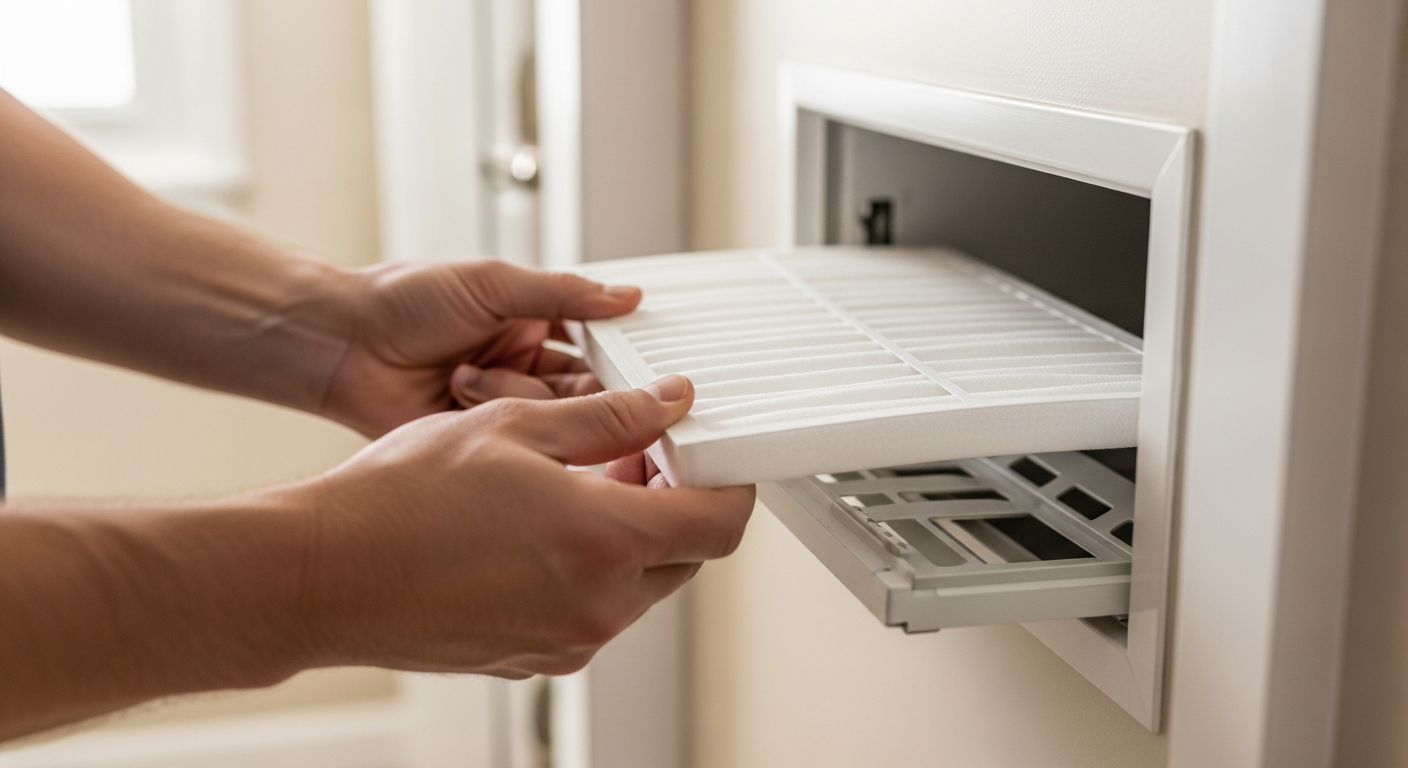
- Replace HVAC air filters (clogged filters worsen temperature imbalance).
- Ensure supply and return vents are unblocked by furniture or drapes.
- Install and program zone thermostats—provided you follow manufacturer low‑voltage wiring instructions and turn off power to the furnace first. Most modern thermostats use 24 V wiring, which is safe but should still be handled with care.
- Monitor static pressure after installation only if a technician leaves you a pressure gauge and shows you how; never adjust dampers while the system is running under high stress.
Pro‑Only Work
- Motorized damper installation: making cuts in metal ductwork, mounting the damper, and sealing it properly.
- Zone control panel wiring: connecting to the furnace/air handler’s control board. A miswire can short out expensive components or cause the blower to run continuously, overheating the heat exchanger or freezing the coil.
- Bypass damper setup: sizing and calibrating it to relieve static pressure when zones close. Incorrect settings can damage the compressor or furnace.
- Static pressure measurement and airflow adjustment: required to ensure the system operates within manufacturer specifications.
Never attempt to add zoning by simply closing off registers—that creates dangerously high pressure and can lead to cracked heat exchangers (risking carbon monoxide leaks) or frozen evaporator coils. Only a professional can design a zone system that maintains safe airflow. See How to Install a Zoning Damper System for a detailed overview of what a qualified technician does.
Tools & Calculators
Run your own numbers before getting quotes:
- HVAC Cost Estimator – Get a localized price range for zoning installations.
- Repair or Replace Calculator – Compare the cost of retrofitting zoning against replacing your aging furnace or AC.
- BTU Calculator – Verify your current equipment can handle the zoned heating and cooling loads.
- Quote Checker – Upload contractor bids and check for missing items or overpricing.
Contractor Checklist (Questions to Ask Before Hiring)
- Are you licensed and insured for HVAC and sheet‑metal work? (Ask to see credentials.)
- Will you perform a Manual D duct design and a Manual J load calculation for each zone?
- Do you recommend a bypass damper for my single‑speed blower, or is my variable‑speed system compatible without one?
- What brand of zone panel and dampers do you use, and what’s the warranty length?
- How will you handle thermostat wiring—do I need a C‑wire in each zone? (We can recommend wiring guidance and Wi‑Fi thermostat setup.)
- Do you offer smart zone controls that integrate with Alexa, Google Home, or smart zoning systems?
- Will you provide a commissioning report showing static pressure, airflow (CFM), and damper positions after installation?
- What is your plan to minimize drywall damage—can you access ducts from the attic or crawlspace?
- How long will the job take, and will you clean up and dispose of debris?
- Can you provide three recent local references for similar retrofits?
Local Climate & Home Type Considerations
- Hot, humid regions (e.g., Southeast, Gulf Coast): Zoning can improve dehumidification by running the AC longer in occupied zones, but undersized zones may short‑cycle and leave moisture behind. Ensure the system includes humidity control logic.
- Cold climates (e.g., Midwest, Northeast): Never completely shut a zone that contains supply vents; residual airflow is needed to prevent duct freezing. The contractor should calculate minimum airflow for each zone.
- Coastal homes: Salt air corrodes standard galvanized dampers; specify stainless‑steel or aluminum dampers to prolong life.
- Older homes (pre‑1960): Ductwork may be undersized by modern standards, and access through lath‑and‑plaster walls is difficult and expensive. The condition and layout of existing ducts may make ductless mini‑splits (see AC condenser replacement cost guide) a smarter investment.
Methodology
Cost figures in this guide are editorial estimates drawn from HVACDatabase’s network of contractor pricing surveys, manufacturer list prices for common zone panels and dampers (Honeywell, Carrier, Aprilaire), and Bureau of Labor Statistics data for HVAC mechanic labor rates. Actual costs vary by region, season, job complexity, and contractor overhead. We update estimates quarterly. Always obtain at least three itemized quotes and verify that any quoted price includes a static pressure test, commissioning report, and a minimum one‑year labor warranty.
Frequently Asked Questions
Can I add zoning to any HVAC system?
Most forced‑air systems can be zoned, but the type of blower matters. Single‑speed blowers need a bypass damper and can experience more wear because they push full airflow even when some zones are closed. Variable‑speed or two‑stage blowers modulate airflow, making them ideal for zoning. A technician must test static pressure before committing—if external static pressure exceeds 0.5 in. w.c. for typical residential units, zoning may damage the equipment.
Will zoning really lower my energy bills?
Yes, but only if the system is properly designed. By conditioning only occupied rooms, you can reduce heating and cooling runtime by 20–30%, according to U.S. Department of Energy studies. However, if the ductwork is leaky or the fan runs at higher speeds to overcome zoning restrictions, savings can be wiped out. Insist on a static pressure test to ensure efficient operation.
How long does a zoning retrofit take?
For a two‑zone system in an accessible attic or crawlspace, expect 1–2 days. Jobs requiring drywall cuts, custom sheet‑metal work, or more than three zones can take 2–4 days. After the HVAC work is done, you’ll need separate time (and budget) for drywall repair, mudding, sanding, and painting.
What’s the difference between a zone damper and a bypass damper?
A zone damper is a motorized door that opens or closes to send air to a specific zone. A bypass damper is a pressure‑relief damper that routes excess supply air back into the return duct when some zones are closed. It prevents the blower from pushing against a dead end, which can cause ductwork to whistle, collars to pop, or the heat exchanger to overheat. Bypass dampers are essential for single‑speed blowers but usually unnecessary for variable‑speed systems that ramp down airflow.
I have a two‑bedroom house; is zoning worth it?
Probably not unless you have a severe temperature discrepancy. In smaller homes, adjusting supply registers, sealing duct leaks, adding ceiling fans, or installing a $100 smart thermostat with remote sensors often solves comfort issues for far less money. Use the BTU Calculator to see if your system is oversized; short cycling can also cause uneven temperatures.
Still not sure? Find a zoning specialist near you or calculate your project estimate.
Related articles
Connect this page to adjacent guides so readers keep moving deeper into the topic cluster.

Cost to Install Multiple Smart Thermostats
Get a clear cost breakdown for installing 2–4+ smart thermostats. Includes equipment, labor, zoning upgrades, and how to save with utility rebates. Practical checks and contractor questions inside.
Duct Booster Fan Installation Cost
Uneven room temps? Duct booster fan installation costs: register fans $30–$100 DIY, inline fans $500–$800+ with pro. Learn when a booster works and when you need a bigger fix.
Makeup Air Unit Installation Cost Guide
Expect to pay $1,500–$4,500 for a pro-installed makeup air unit. Discover passive vs. tempered options, code triggers, and money-saving decision rules.