Fresh Air Intake Installation Cost
Fresh air intake installation costs range from $500–$2,500. Learn how system type, home layout, and climate affect price, and use our tools to budget and hire wisely.
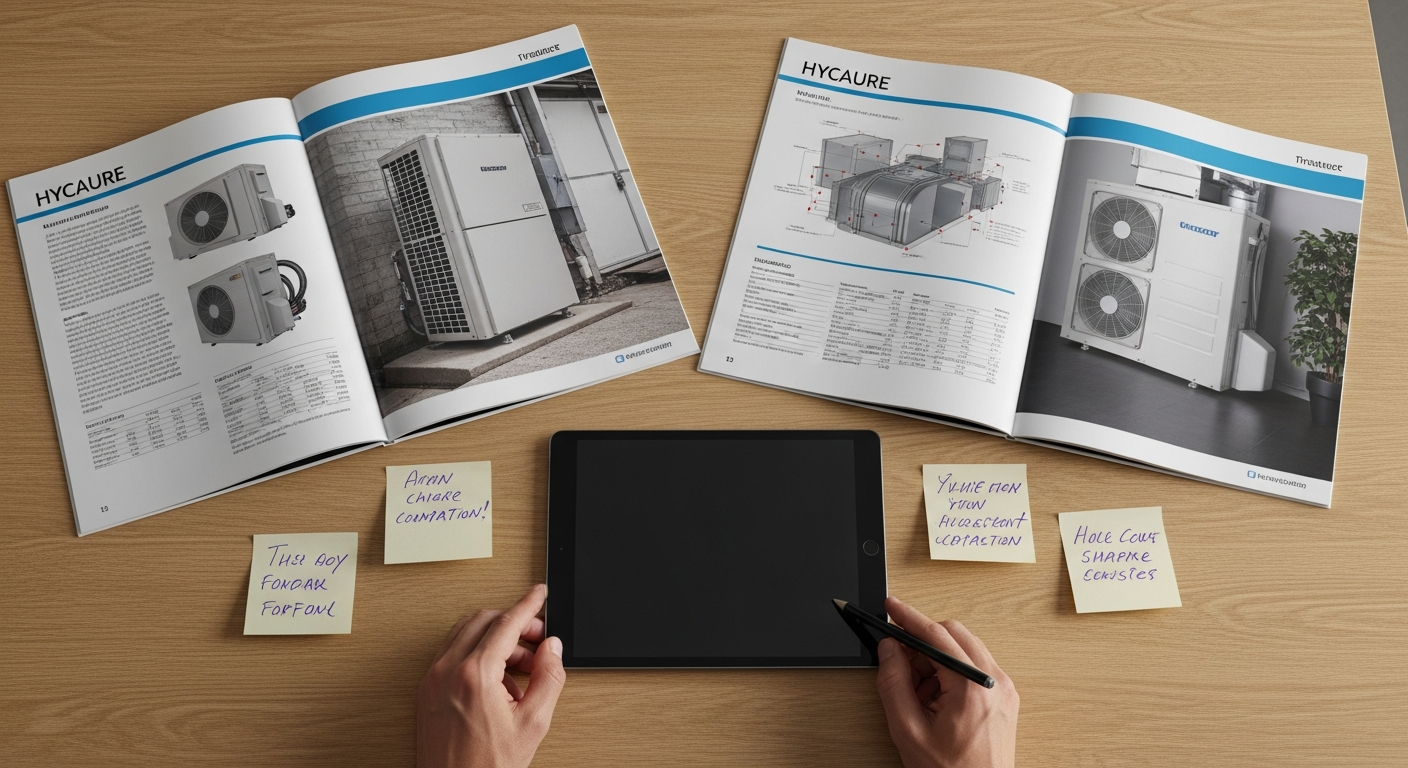
Install a fresh air intake when indoor CO2 exceeds 1,000 ppm or humidity stays high; ERV/HRV systems offer superior long‑term value for tightly sealed homes.
For most post‑2000 homes, a motorized damper or ERV/HRV is a smart investment that pays off in health and structural protection. Always verify sizing with a blower door test.
What Matters Most
- Get three quotes and use the quote checker tool to compare.
- Choose based on climate: HRV for cold, ERV for humid.
- Insist on a blower door test for proper sizing.
- Pair with high‑MERV filters for allergy relief.
- Never DIY duct or exterior envelope modifications.
Strengths
- Improves indoor air quality and reduces health risks.
- Protects home structure from mold and wood rot.
- Motorized dampers and ERV/HRV minimize energy loss.
Weaknesses
- Upfront cost can be high for ERV/HRV systems.
- Requires professional installation and ongoing maintenance.
- May slightly increase energy use without proper controls.
Fresh Air Intake Decision Summary
| Scenario | Usually do | Why |
|---|---|---|
| Tight, new home in cold climate | Install HRV | Recovers heat from exhaust air, reducing heating demand. |
| Older home with noticeable drafts | Try passive vent first | Existing leaks may already provide enough air exchange. |
| Home with high indoor humidity | Install ERV | ERV transfers moisture to incoming air in winter, removes it in summer. |
| Budget under $800 | Motorized damper system | Balances cost‑effectiveness with draft prevention. |
What Does a Fresh Air Intake Cost Installed?
Modern airtight homes trap pollutants, moisture, and stale air. A fresh air intake system connects outdoor air to your HVAC return, improving indoor air quality. Average installed cost: $500–$2,500, depending on system complexity. This guide covers types, factors, tools, and smart questions to get fair pricing.
Quick Answer
- Typical installed cost: $500–$2,500
- Simple passive vent: $300–$700
- Motorized damper: $600–$1,200
- ERV or HRV: $1,200–$3,500
- Labor runs $75–$150/hour
- Always get three itemized quotes
Cost Breakdown by System Type
| System Type | Typical Installed Cost | Best For |
|---|---|---|
| Basic passive intake | $300–$700 | Older, leaky homes needing minimal dilution |
| Motorized damper system | $600–$1,200 | Most modern homes; prevents backdrafting |
| Heat Recovery Ventilator (HRV) | $1,200–$3,000 | Cold climates; recovers heat from exhaust |
| Energy Recovery Ventilator (ERV) | $1,500–$3,500 | Humid or mixed climates; manages moisture |
Key Factors That Influence Price
- Duct accessibility: Tight crawlspaces or finished attics increase labor
- Home layout: Distance from exterior to return plenum matters
- Filtration level: MERV 13 filters add $50–$150 versus basic MERV 8
- Damper automation: Motorized dampers cost $200–$400 more than manual
- Climate zone: ERV/HRV systems require more ductwork and controls
Safety Boundaries: What You Can Check vs. Pro‑Only Work
Homeowner checks: Inspect outdoor intake grille for debris monthly; listen for damper actuation when blower starts; replace filter every 1–3 months; ensure condensate drains freely. Pro‑only tasks: Cutting into ductwork or exterior envelope, electrical wiring for dampers, combustion appliance venting tests to avoid backdrafting, refrigerant line modifications (if part of HVAC). Improper installation can cause carbon monoxide risks or moisture damage.
Decision Rules: Which System Matches Your Home?
- If home built after 2000 and tightly sealed → consider motorized damper or ERV
- If in cold climate (Zone 5–7) → HRV often best
- If in hot/humid climate (Zone 1–4) → ERV helps dehumidify
- If budget under $800 and home not super tight → passive intake may suffice
- If allergies or asthma → upgrade to MERV 13 or bypass HEPA
Cost‑Saving Tools from HVACDatabase
Use the HVAC cost estimator for a personalized range. After getting quotes, run them through the quote checker to spot outliers. If your HVAC is aging, the repair‑or‑replace calculator helps decide. Find local incentives with the rebate finder.
Contractor Checklist: Questions to Ask Before You Hire
- Are you licensed and insured for HVAC and ductwork modifications?
- Will you perform a blower door test to properly size the intake?
- What type of damper (manual, motorized, pressure‑actuated) do you recommend and why?
- How will you prevent condensation in the intake duct?
- Does the quote include sealing and insulating the exterior penetration?
- Can you provide references from similar homes in this climate?
- Is the system compatible with my existing HVAC controls?
Local Market Considerations
- Cold climates (e.g., Chicago): HRV prevents heat loss; insulate intake duct to avoid condensation.
- Hot/humid (e.g., Phoenix, Miami): ERV manages humidity; motorized damper should close when AC is off.
- Coastal areas: Salt corrosion—use stainless steel outdoor grilles.
- Older homes (pre‑1980): Often naturally leaky; test airtightness first—a simple passive vent may be enough.
How We Calculate These Estimates
Cost ranges are editorial estimates compiled from aggregated contractor data, national average labor rates ($75–$150/hour), and equipment pricing as of 2025. They assume a typical single‑family home with accessible ductwork. Complex layouts, permits, or additional electrical work raise the final price. Always obtain site‑specific quotes.
Frequently Asked Questions
Can I install a fresh air intake myself?
Cutting into exterior walls and HVAC ducts requires permits, structural knowledge, and specialized tools. DIY risks moisture problems, pest intrusion, and unsafe backdrafting of gas appliances. Leave it to licensed HVAC pros.
Does a fresh air intake help with allergies?
Yes, when paired with a MERV 13 or higher filter. It dilutes indoor allergens by bringing in filtered outdoor air. An ERV also helps keep indoor humidity below 50%, inhibiting dust mites.
Is an ERV worth the extra cost over a simple vent?
In humid or very cold climates, the energy recovery pays off over time. ERVs can cut the load on your AC or furnace by preconditioning incoming air. Use our cost estimator to compare.
How often should I change the fresh air intake filter?
Every 1–3 months, depending on outdoor air quality and filter rating. A clogged filter restricts airflow and reduces efficiency.
Will this increase my energy bills?
An unmotorized passive vent may increase heating/cooling costs slightly. Motorized dampers and ERV/HRV systems minimize energy loss. In tightly sealed homes, the health benefits often outweigh the minor cost increase.
For more on whole‑home air quality, see How to Improve Indoor Air Quality and How to Use an ERV or HRV System. Ready to hire? Find pre‑screened pros at HVACDatabase.com/search.
Methodology
HVACDatabase estimates combine common contractor price patterns, service-category pricing ranges, equipment complexity, urgency, regional labor variation, and known HVAC safety boundaries. Actual prices vary by city, brand, system size, access, warranty status, permit requirements, and whether the visit discovers ductwork, electrical, refrigerant, gas, or drainage issues. Use these numbers to sanity-check quotes, not as a guaranteed price.
Practical Next Steps
- Write down the system age, brand, model number, thermostat setting, and exact symptom before calling.
- Take photos of visible ice, water, error codes, dirty filters, or unusual equipment conditions without opening sealed or electrical compartments.
- Use HVAC cost estimator, Quote checker, Repair or replace calculator to estimate the budget or compare next steps.
- Get at least two written quotes for major repairs or replacements, especially when the system is more than 8-10 years old.
The strongest quote is not always the cheapest. Look for a contractor who explains the cause, confirms whether the repair is durable, documents warranty coverage, and gives you a clear path if the first repair does not fully solve the issue.
Related articles
Connect this page to adjacent guides so readers keep moving deeper into the topic cluster.
Cost to Install Multiple Smart Thermostats
Get a clear cost breakdown for installing 2–4+ smart thermostats. Includes equipment, labor, zoning upgrades, and how to save with utility rebates. Practical checks and contractor questions inside.
Duct Booster Fan Installation Cost
Uneven room temps? Duct booster fan installation costs: register fans $30–$100 DIY, inline fans $500–$800+ with pro. Learn when a booster works and when you need a bigger fix.
Makeup Air Unit Installation Cost Guide
Expect to pay $1,500–$4,500 for a pro-installed makeup air unit. Discover passive vs. tempered options, code triggers, and money-saving decision rules.