Furnace Ductwork Installation Cost
Confused by ductwork quotes? We break down material and labor costs, flag hidden fees, and show you how to compare bids using data, not guesswork.

Insist on a Manual D calculation and multiple itemized quotes before replacing ductwork.
Properly designed and sealed ductwork is the backbone of an efficient HVAC system. Invest in upfront due diligence to avoid energy loss and comfort issues, and never approve work without understanding what you're paying for.
What Matters Most
- Get at least three itemized bids; use the cost estimator to spot outliers.
- Prioritize duct sealing over full replacement if existing ductwork is under 15 years old and structurally sound.
- Always verify that a Manual D calculation has been performed for sizing.
- Choose sheet metal ducts for long-term value in accessible basements or attics.
- Book installation in shoulder seasons (spring/fall) for better pricing and availability.
Strengths
- Lower energy bills and improved comfort throughout the home
- Extended life of your furnace and AC due to proper airflow
- Reduced indoor allergens and dust when switching to sheet metal
- Potential rebates for duct sealing and high-efficiency upgrades
Weaknesses
- Higher upfront cost compared to repair, especially in existing walls
- Disruptive installation process with possible drywall ceiling patches
- Discovery of hidden damage or asbestos in older homes can increase budget
- Permit and inspection delays may extend project timeline
Decision Summary
| Scenario | Usually do | Why |
|---|---|---|
| Ducts over 20 years old, multiple visible leaks | Replace all | Insulation and materials likely degraded; modern sizing improves efficiency |
| Leaky but accessible ducts in good structural shape | Seal/repair | Sealing costs 60–80% less than replacement and often resolves comfort complaints |
| Adding a new room or major addition | Extend/install new | Manual D ensures proper airflow without overtaxing your HVAC equipment |
| High energy bills and dusty air in well‑maintained home | Diagnose, then seal or replace | Blower door tests pinpoint leakage; decide based on repair‑vs‑replace calculator |
Quick Answer: What Does New Ductwork Cost?
A full new ductwork installation in a typical single-family home ranges from $2,000 to $5,000, with many projects landing near $3,500. Total cost depends on home size, accessibility, material choice, and whether you’re adding zoning. The table below gives scenario-based cost benchmarks.
| Scenario | Typical Cost Range | Key Drivers |
|---|---|---|
| New construction, open walls | $1,800 – $3,500 | Lowest labor; bulk material pricing possible |
| Retrofit in existing home | $3,000 – $6,000+ | Cutting into walls/ceilings; access challenges |
| Partial duct replacement (e.g., one trunk line) | $1,000 – $2,500 | Limited scope; less disruption |
| Ductwork + zoning system | $4,500 – $8,500+ | Dampers, controls, additional design work |
These are editorial estimates, not guaranteed prices. Use our HVAC cost estimator and quote checker to validate bids.
Material Options at a Glance
| Material | Cost per Linear Foot (Materials Only)* | Durability | Best For |
|---|---|---|---|
| Flexible duct (wire coil + plastic) | $1.50 – $4 | 15–20 years | Tight spaces, lower budgets, easy snaking |
| Sheet metal (galvanized steel/aluminum) | $2.50 – $8 | 30+ years | Long-term value, allergen reduction, cleaning ease |
| Fiberglass duct board | $2 – $6 | 20–30 years | Built-in insulation, moderate budget |
*Labor, insulation, and accessories add $5–$15+ per linear foot to the total project cost.
What Really Drives Your Total Cost?
- Home size & layout: Larger homes need more linear feet and additional vents. Multi-story homes often require longer trunk runs.
- Accessibility: Crawl spaces, finished attics, or tight basements can double labor time. Open unfinished basements keep costs low.
- Insulation requirements: Ducts in unconditioned spaces must be wrapped or lined to prevent energy loss and condensation. Expect $1–$3 per sq ft extra for insulation materials.
- Permitting & inspections: Most jurisdictions require a mechanical permit ($50–$300). Some include a separate electrical permit if your system ties into new controls.
- Old duct disposal: Removal and disposal of existing ductwork typically adds $300–$800, depending on accessibility and dump fees.
Safety Boundaries: What You Can Check vs. Pro-Only Work
Safe for Homeowners
- Visually inspect exposed ducts in basements or attics for disconnected joints, dented sections, or wet insulation.
- Check that all supply and return vents are open and not blocked by furniture or debris.
- Replace your HVAC filter regularly to reduce dirt buildup inside ducts.
- Listen for whistling or rattling when the blower runs—signs of air leaks or loose hangers.
Professional Only (Do Not DIY)
- Designing or altering duct layout, sizing, or airflow balance (Manual D calculation required).
- Cutting into walls, ceilings, or floors for new registers.
- Sealing ducts with mastic or aerosol sealant in inaccessible spaces.
- Connecting or disconnecting ductwork from the furnace/air handler—requires gas and electrical safety checks.
- Installing zoning dampers, bypass ducts, or smart HVAC controls.
Should You Replace or Repair? A Decision Tree
Use these thresholds to guide your conversation with contractors. For personalized help, try our repair or replace calculator.
If ducts are over 20 years old
→ Replace. Even if no leaks are visible, insulation has likely degraded, and modern duct design standards are much higher.
If repair quote exceeds 30% of full replacement cost
→ Replace. Patch jobs on aging ductwork rarely solve root problems and waste money long-term.
If you’re adding a new room or finishing a basement
→ Extend or replace affected sections. An undersized system will cause uneven temperatures and higher energy bills. Use our BTU calculator to verify if your unit can handle the extra load.
If you have persistent hot/cold spots in a home under 15 years old
→ Get a duct leakage test and airflow balance service first. Sealing and minor adjustments ($400–$1,200) often fix the issue without replacement.
Use Our Free Tools to Lock In a Fair Price
- Cost Estimator: Get a personalized range based on your ZIP code and home specs. Try it here.
- Quote Checker: Upload a PDF bid and our algorithm flags oversize markups or missing line items. Check your quote.
- Repair or Replace Calculator: Compare the financial sense of patching vs. a full re-duct. Start comparing.
- Rebate Finder: See if your utility or state offers incentives for duct sealing, insulation, or high-efficiency equipment. Search rebates.
Contractor Quote Checklist: 7 Questions to Ask Before You Sign
- “Will you perform a Manual D calculation?” Needed to ensure duct sizes match your HVAC system’s airflow requirements.
- “Is the quote itemized with material, labor, insulation, and permit fees?” Avoid flat-rate bids that hide details. Use our contractor comparison tool to line up multiple quotes.
- “How do you seal duct joints—mastic, tape, or both?” Mastic and foil-backed tape are the industry standard; cloth duct tape fails quickly.
- “Will you take before/after photos of inaccessible areas?” Verify work in crawlspaces or attics without crawling in yourself.
- “What R-value insulation will you install on ducts in unconditioned spaces?” R-8 is minimum for many climates; cold regions require R-12 or higher.
- “How will you protect my home during installation?” Look for promises of drop cloths, shoe covers, and HEPA vacuuming.
- “Can you provide local references for recent duct replacements?” Call at least two references; ask about punctuality, cleanup, and if the final bill matched the estimate.
Local Factors That Change the Price
- Cold climates (e.g., Midwest, Northeast): Greater insulation requirements and potential need for duct sealing to prevent heat loss. Find Chicago heating & duct pros familiar with R-10+ codes.
- Hot/humid climates (e.g., Phoenix, Houston): Condensation control is critical; poorly insulated ducts drip onto ceilings. In Phoenix, AC repair specialists often bundle duct upgrades to solve humidity and efficiency problems.
- Coastal areas with high humidity: Ductwork must resist corrosion. Aluminum or stainless‑steel components add 15–30% to material costs.
- Older homes (pre‑1970s): Lath-and-plaster walls, narrowed chase ways, and asbestos wrapping (if present) can add $1,500+ in abatement and custom fabrication.
Methodology: How We Form Estimates
Our cost ranges are editorial estimates built from national construction databases, contractor surveys, and permit‑fee schedules. We adjust for material price fluctuations and regional labor rates. These ranges are designed to help you budget and evaluate quotes—they are not guaranteed final prices. For the most accurate estimate, combine our online tools with at least three itemized in‑person bids. Always verify local permit requirements with your municipality.
Frequently Asked Questions
Can I install ductwork myself to save money?
No. Proper duct installation requires precise fabrication, sizing based on a Manual D load calculation, and sealing with specialized tools. DIY errors lead to wasted energy, comfort issues, and possible equipment damage. This is not a DIY‑friendly project.
How long does new ductwork last?
Galvanized steel ducts often last 30+ years with proper insulation. Flex ducts typically need replacement after 15–20 years. Longevity depends heavily on installation quality and environmental conditions (e.g., rodents, moisture).
Will new ducts lower my energy bills?
If your existing ducts are leaky (the average system loses 20–30% of conditioned air), replacing them can cut heating and cooling bills by 15–30%. Use our cost estimator to see if the investment pencils out.
Do I really need a permit for ductwork?
Yes. Most municipalities require a mechanical permit for new duct installations or major modifications. The permit ensures the work meets fire and energy codes, and it protects you in the event of an insurance claim.
What’s the most efficient duct material?
Sheet metal (galvanized steel or aluminum) is the most efficient for airflow and long‑term durability. It resists mold, cleans easily, and maintains its shape over decades when properly supported.
Ready to start? Find trusted local HVAC contractors or explore more cost guides to plan your whole‑home comfort project.
Related articles
Connect this page to adjacent guides so readers keep moving deeper into the topic cluster.
Cost to Install Multiple Smart Thermostats
Get a clear cost breakdown for installing 2–4+ smart thermostats. Includes equipment, labor, zoning upgrades, and how to save with utility rebates. Practical checks and contractor questions inside.
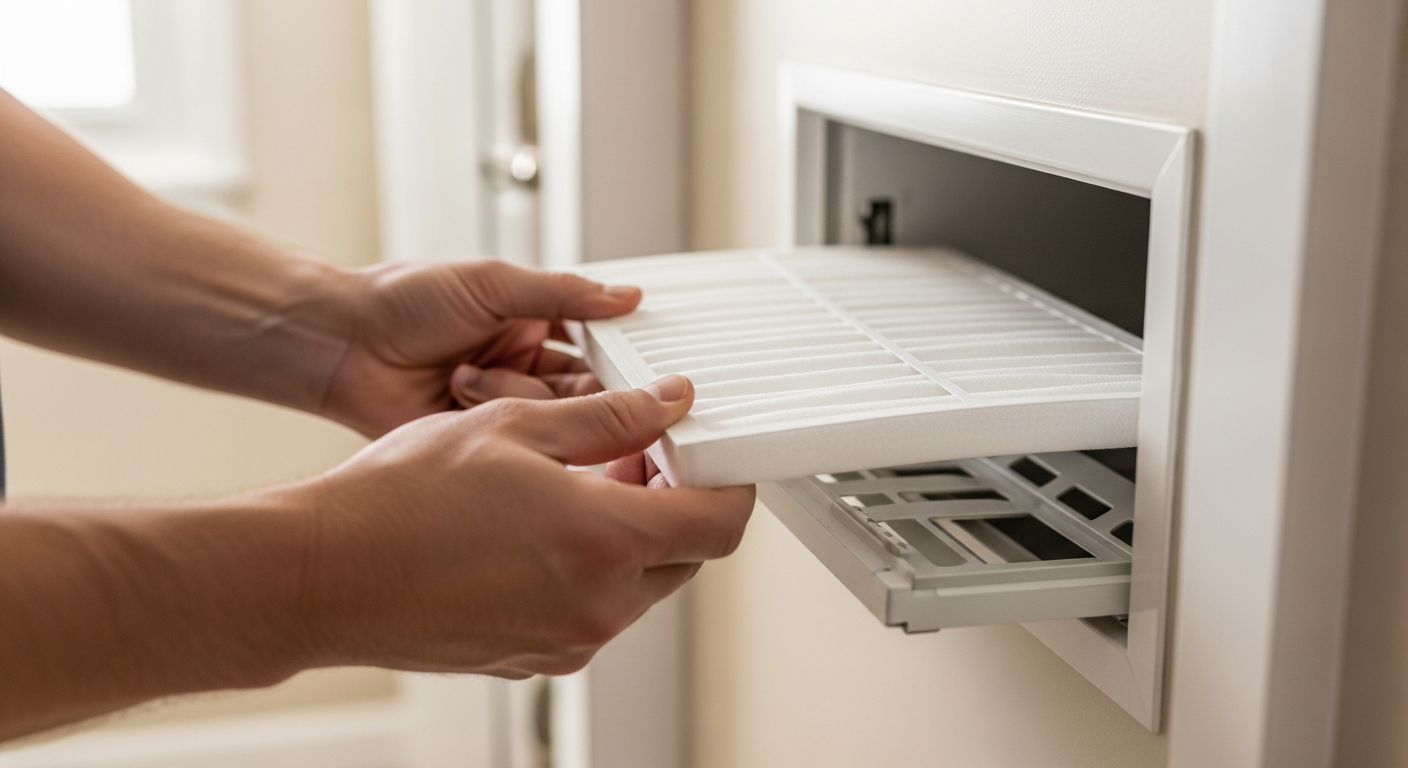
Duct Booster Fan Installation Cost
Uneven room temps? Duct booster fan installation costs: register fans $30–$100 DIY, inline fans $500–$800+ with pro. Learn when a booster works and when you need a bigger fix.
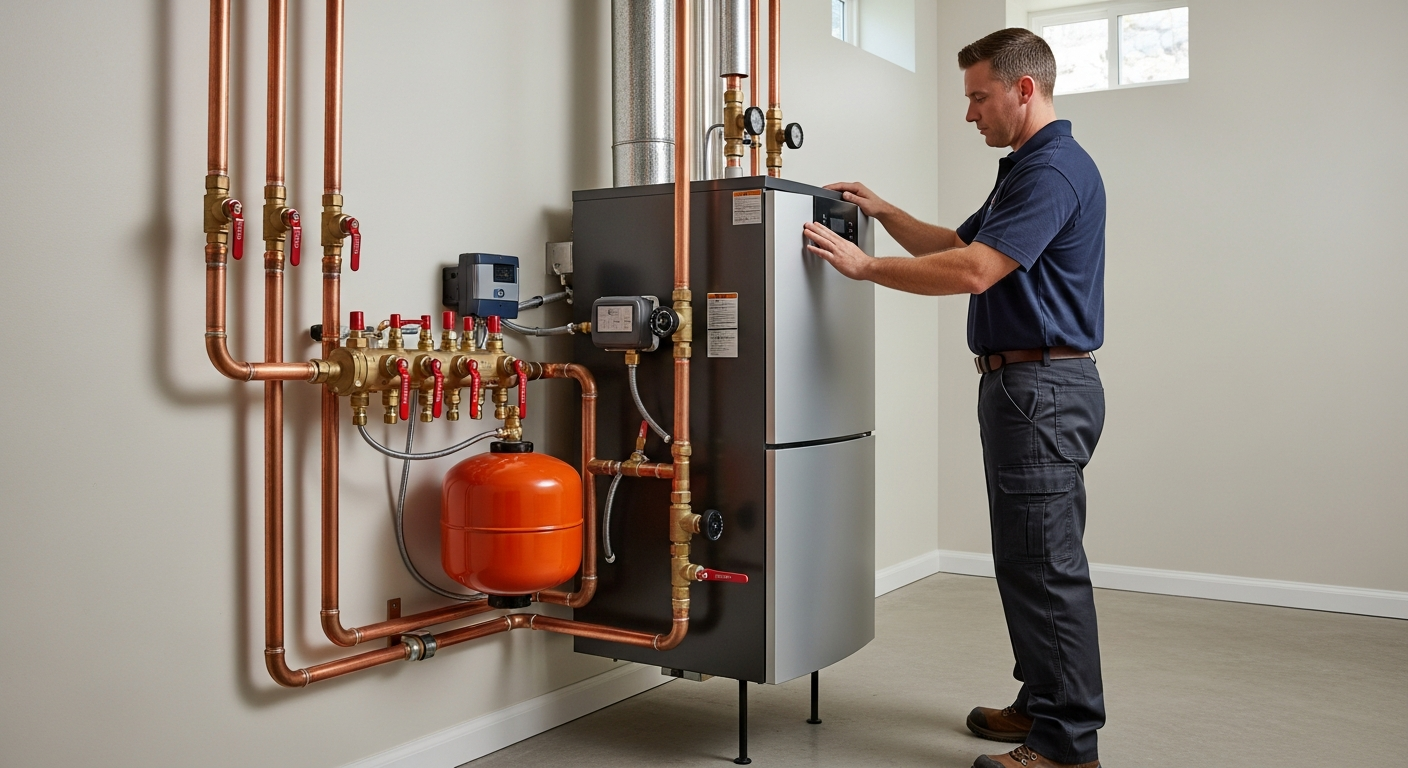
Makeup Air Unit Installation Cost Guide
Expect to pay $1,500–$4,500 for a pro-installed makeup air unit. Discover passive vs. tempered options, code triggers, and money-saving decision rules.