Gas Fireplace Installation Cost
Gas fireplace installation costs $2,500–$7,500 on average. Our guide breaks down unit, labor, venting, and finishing costs so you can budget accurately and hire the right pro.
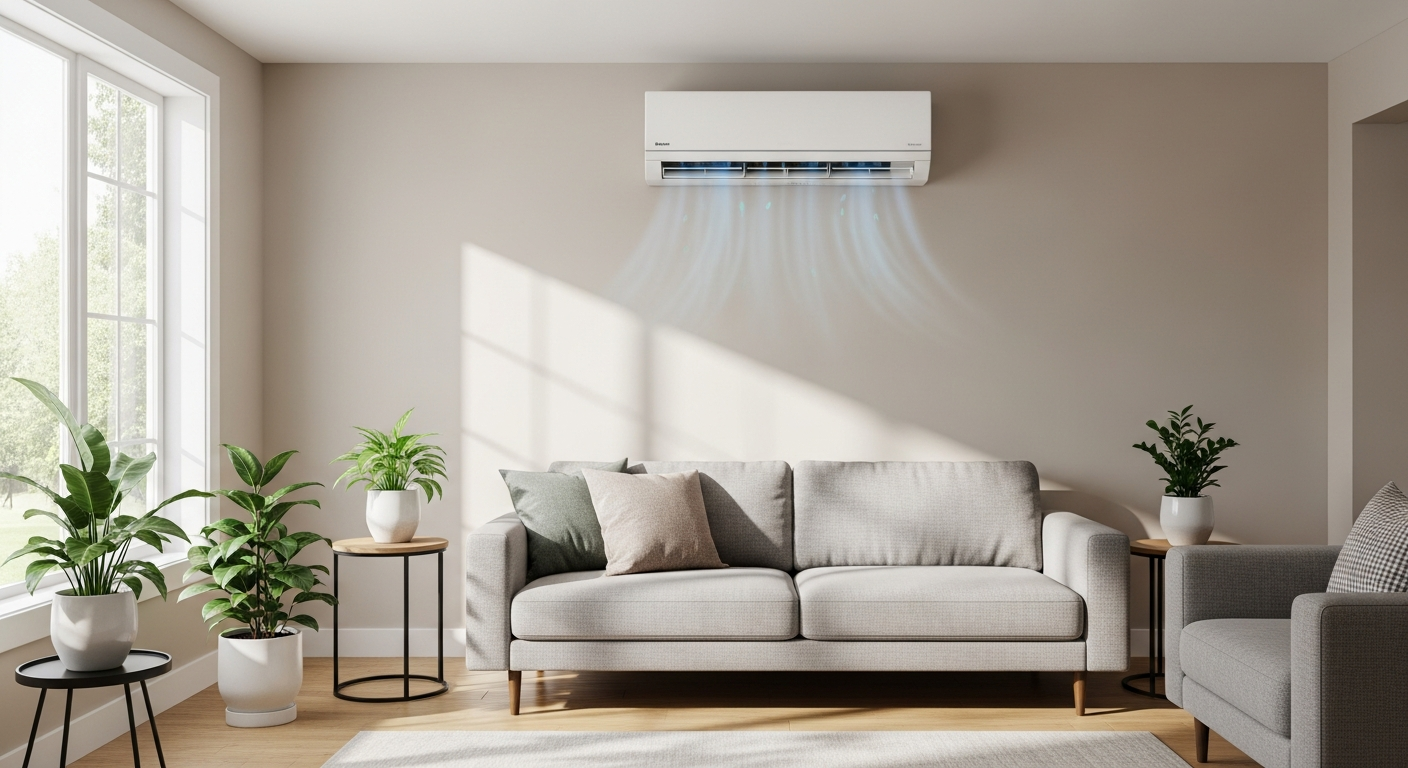
Direct-vent gas fireplaces offer the best balance of safety, efficiency, and indoor air quality for most homeowners.
Unless you have an existing masonry chimney in good condition, a direct-vent unit provides the most reliable heat without compromising home air quality. Ventless options are cheaper but come with code restrictions and health warnings.
What Matters Most
- Budget $2,500–$7,500 for a turnkey installation; exact price depends on unit type and venting.
- Never DIY gas or venting work; hire licensed pros and verify permits.
- Use a direct-vent model if you value efficiency and indoor air quality.
- Always get three itemized quotes and check local codes for ventless restrictions.
- Finishing costs (mantels, tile) can add $800+ so include them in your budget.
Strengths
- Sealed combustion uses outside air, preserving indoor air quality.
- High efficiency (70-85%) compared to traditional fireplaces.
- Flexible placement as it doesn't need a chimney.
Weaknesses
- Higher upfront cost ($3,500–$8,000).
- Requires professional venting through wall or roof.
- Not suitable for quick DIY install.
Decision Summary
| Scenario | Usually Do | Why |
|---|---|---|
| I have a functional masonry chimney and budget $2.5–4K | Gas insert | Leverages existing chimney for cost-effective venting and installation. |
| I want a new fireplace location and prioritize safety/efficiency | Direct-vent | Sealed combustion and dedicated venting provide clean heat and flexible placement. |
| I'm in a mild climate, need occasional heat, and local codes allow | Ventless | Cheapest to buy and install; no chimney required, but code and health risks must be weighed. |
Quick Answer: Gas Fireplace Installation Cost
Complete project costs range from $2,500 to $7,500 for most standard installations. The final price depends on unit type, venting complexity, gas line distance, and finish materials. A gas insert in an existing fireplace often costs less than a direct‑vent unit that needs new venting. Vent‑free models are cheaper but come with health and code restrictions.
Typical Gas Fireplace Costs by Type
| Fireplace Type | Unit Cost | Installation Complexity | Best For |
|---|---|---|---|
| Gas Insert | $2,000 – $4,000 | Fits existing masonry fireplace; uses chimney for venting | Homes with a functional chimney |
| Direct‑Vent | $3,500 – $8,000 | Requires dedicated vent through wall/roof; sealed combustion | New locations, highest efficiency |
| Ventless (Vent‑Free) | $1,000 – $3,500 | No chimney needed; simple install, but air quality concerns | Supplemental heat, low budget, check local codes |
What Drives the Total Price?
Beyond the unit, several factors add significantly to your invoice:
- Labor: Licensed gas technician ($150–$200/hr) for gas line; HVAC tech for venting. Labor often 20–50% of total.
- Gas Line Extension: $200–$500 for short run; $1,000+ for long, complex runs through finished spaces.
- Venting: Direct‑vent pipe materials alone cost $500–$1,000. Proper venting prevents carbon monoxide.
- Finishing & Surrounds: Stone/tile surround ($500–$2,500), mantel ($300–$1,200), drywall/paint ($400–$800).
Safety Boundaries: What You Can and Cannot DIY
Gas fireplace installation is not a DIY project — it involves natural gas, combustion, and venting that can be lethal if done incorrectly. Below is a clear division of responsibilities.
Safe Homeowner Checks
- Choose and purchase the fireplace unit and finishing materials.
- Paint or patch drywall around the finished installation.
- Confirm that your home has an existing gas line and enough capacity—your gas supplier can often advise.
- Test CO detectors before and after install.
Require a Licensed Professional For
- Running new gas lines or connecting to the gas supply.
- Installing and sealing vent pipes, especially through walls or roofs.
- Electrical connections for ignition systems and blowers (if any).
- Structural modifications, such as cutting into framing or masonry.
- Any work that requires a permit—permits are mandatory in most jurisdictions.
Never attempt to connect or modify gas lines yourself. Even a small leak can cause fire or carbon monoxide poisoning. Always hire a licensed gas fitter or plumber, and verify their insurance and credentials before work begins.
Decision Guide: Which Fireplace Type Is Right for You?
Use this simple decision tree to narrow your options.
- Do you have an existing, fully functional masonry chimney?
- Yes: A gas insert is usually the most cost‑effective option. It uses the chase for venting, reducing installation cost.
- No, or I want to place the fireplace in a new location: Go to next question.
- Is your budget below $4,000, and do you only need supplemental heat?
- Yes: Consider a ventless fireplace, but first check your local building codes—they are banned in some areas (e.g., California, certain municipalities) due to indoor air quality concerns.
- No, I want reliable primary zone heating and better air quality: Direct‑vent is the safest, most efficient choice. It uses outside air for combustion and sealed glass front, keeping indoor air clean.
Our BTU calculator can help you size the fireplace correctly for your room.
Use Our Tools to Estimate Your Project
HVACDatabase offers free calculators to help you budget and compare options:
- Cost Estimator – Get a personalized range based on your location and project scope.
- BTU Calculator – Find the right heating output for your space.
- Quote Checker – Upload your contractor quotes for a fairness analysis.
- Repair or Replace Calculator – If you're debating upgrading vs. repairing an existing fireplace.
Contractor Checklist: 7 Questions to Ask Before You Sign
- “Are you licensed, bonded, and insured for gas and HVAC work in my area? May I see proof?”
- “Will you pull all required permits, and is that included in the quote?”
- “What type of venting do you recommend for my specific setup, and why?”
- “What is the total length of gas line you’ll install, and how will you size it for the fireplace’s BTU demand?”
- “Do you subcontract any portion (electrical, masonry, finishing)? If so, how do you vet them?”
- “Can you provide three recent references for similar fireplace installations?”
- “What is your warranty on labor, and how does it align with the manufacturer’s warranty on parts?”
Search for qualified professionals on HVACDatabase or compare contractors side‑by‑side.
Local Factors That Change the Price
Installation quotes vary by region and home age. Keep these in mind:
- Older Homes: May require structural upgrades, chimney liner repairs, or extensive electrical updates. Expect an extra $500–$2,000.
- Cold Climates: Direct‑vent units with high efficiency are worth the premium; look for models with a standing pilot or intermittent ignition if power outages are a concern.
- Coastal Areas: Salt air can corrode metal components; choose stainless steel venting and marine‑grade surrounds when possible.
- Urban vs. Rural: Urban areas often have higher permit fees and labor rates. Rural installations might require extra tank setup if natural gas isn’t available (propane conversions add $300–$600).
While a gas fireplace adds zone heat, make sure your central system is in good shape. If your furnace acts up, see our guide on how to troubleshoot a furnace that won't heat.
Methodology: How We Estimate Costs
Our cost guides draw from multiple data sources:
- National contractor surveys and wholesale equipment pricing.
- Bureau of Labor Statistics wage data for plumbers and HVAC technicians.
- Real project quotes submitted by homeowners through HVACDatabase tools.
- Regional labor rate and permit fee databases.
All ranges represent typical residential installations under 2025 conditions. Your actual price may differ based on local market factors, seasonal demand, and home‑specific conditions. Always obtain at least three itemized quotes before proceeding.
Frequently Asked Questions
1. Can I install a gas fireplace myself to save money?
No. Connecting gas lines and installing venting requires a licensed professional, permits, and inspections. Mistakes can lead to gas leaks, carbon monoxide poisoning, or house fires. You can do some finishing work (paint, simple mantel) but nothing involving gas, combustion, or structural changes.
2. How much does it cost to run a gas fireplace per hour?
At average U.S. natural gas rates (around $1.20 per therm), a 30,000 BTU fireplace costs about $0.36 per hour. Propane costs roughly $1.50–$2.50 per hour for equivalent heat. Use our cost estimator to compare fuel expenses in your area.
3. Do ventless fireplaces cause health problems?
Ventless fireplaces burn gas cleanly but release small amounts of water vapor, carbon dioxide, and nitrogen dioxide into the room. They are not recommended for people with asthma, allergies, or respiratory issues. Many states (like California) and Canada prohibit their use in bedrooms or small rooms. If you choose ventless, install an oxygen depletion sensor and always follow manufacturer clearances.
4. Will a gas fireplace heat my whole house?
By itself, probably not. Most gas fireplaces are designed for zone heating—warming the room they’re in and adjacent spaces. For whole‑house heating, you’ll need a central system (furnace, boiler, or heat pump). However, a direct‑vent fireplace can significantly reduce your central heating load if placed in a central living area.
5. Do I need a permit for a gas fireplace installation?
Almost always yes. Most municipalities require permits for gas line additions, venting modifications, and structural changes. A reputable contractor will pull permits as part of the project. Unpermitted work can cause insurance issues and complicate home sales. Verify permit status before final payment.
Related articles
Connect this page to adjacent guides so readers keep moving deeper into the topic cluster.

Cost to Install Multiple Smart Thermostats
Get a clear cost breakdown for installing 2–4+ smart thermostats. Includes equipment, labor, zoning upgrades, and how to save with utility rebates. Practical checks and contractor questions inside.
Duct Booster Fan Installation Cost
Uneven room temps? Duct booster fan installation costs: register fans $30–$100 DIY, inline fans $500–$800+ with pro. Learn when a booster works and when you need a bigger fix.
Makeup Air Unit Installation Cost Guide
Expect to pay $1,500–$4,500 for a pro-installed makeup air unit. Discover passive vs. tempered options, code triggers, and money-saving decision rules.