How Much Do HVAC Emergency Service Calls Cost
Discover what emergency HVAC service calls truly cost, from diagnostic fees to repairs, and use our decision tools to avoid overpaying and find reliable help quickly.
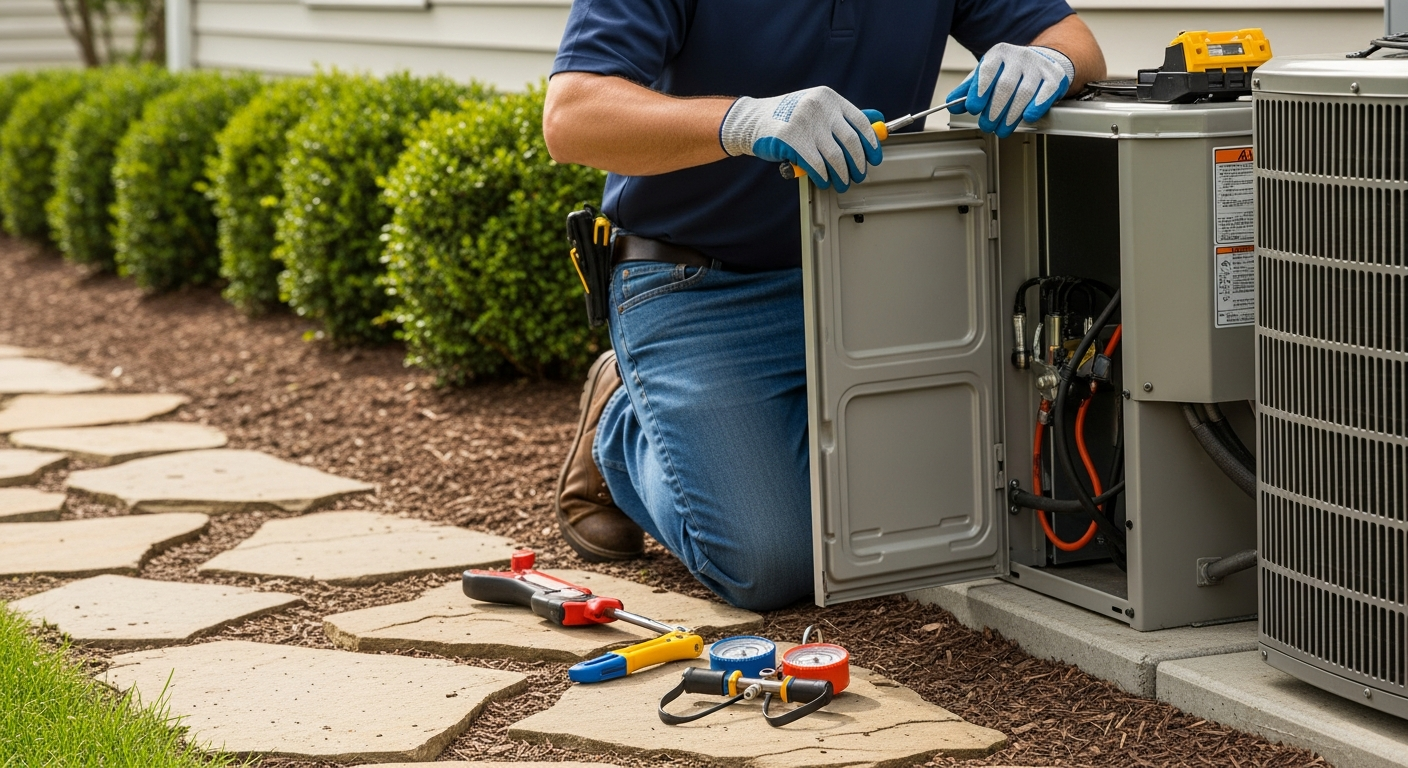
Plan, don't panic: Manage emergency HVAC costs by checking basics and using vetted pros
Emergency HVAC service calls are expensive, but homeowners can reduce costs by performing safe self-checks, understanding fair pricing, and insisting on written estimates before work begins. Our tools help you budget and compare quotes.
What Matters Most
- Emergency visit fees often triple standard rates ($150–$600)
- Always check thermostat, breaker, and filter before calling
- Get a written diagnostic and repair estimate; use our Quote Checker
- Prevent emergencies with annual maintenance and membership plans
- Replace rather than repair if unit is old and repair exceeds 50% of new cost
Strengths
- Immediate self-troubleshooting can restore comfort at zero cost
- Vetted contractors reduce risk of price gouging
- Clear comparison table removes pricing guesswork
- Integrated calculators provide personalized guidance
Weaknesses
- Emergency premiums are unavoidable for true off-hours needs
- Parts delays can still leave you without heat/AC despite high fee
- Older systems may have hidden issues that require costly upgrades
Emergency HVAC Decision Summary
| Scenario | Usually do | Why |
|---|---|---|
| No heat and freezing outside | Call emergency service immediately | Prevent burst pipes and safety risk |
| AC out during extreme heat (vulnerable occupants) | Call emergency service | Heat stroke danger outweighs cost |
| AC not cooling but mild weather | Schedule standard appointment | No immediate safety threat; save money |
| System over 12 years, major failure | Get quotes for replacement | Avoid sinking money into aging equipment |
| Frequent breakdowns (3+ per year) | Plan for system replacement | Recurring emergency fees add up quickly |
How Much Do HVAC Emergency Service Calls Cost?
When your furnace dies on a freezing night or your AC stops during a heatwave, getting answers fast is critical. Emergency HVAC service calls come at a premium, but knowing the typical costs and how to avoid common pitfalls can save you hundreds. In this guide, we break down what you’ll pay for after-hours dispatch, diagnostics, and repairs—plus give you tools to make informed decisions without panic.
Quick Answer
Emergency HVAC visits typically include a diagnostic/trip fee of $150–$600 (2–3× the standard $80–$200). This fee covers the technician’s travel and time to identify the problem; it rarely includes parts or labor for the repair. Actual repair costs range from $150 for minor fixes to over $4,000 for compressor failure. Our free Emergency Cost Estimator lets you estimate your total bill instantly.
Standard vs. Emergency HVAC Costs
| Service | Standard Rate | Emergency Rate (After-Hours) |
|---|---|---|
| Diagnostic / Trip Fee | $80 – $200 | $150 – $600 |
| Capacitor Replacement | $150 – $450 | $250 – $650 |
| Contactor Replacement | $150 – $400 | $250 – $600 |
| Blower Motor Repair | $400 – $1,200 | $600 – $1,800 |
| Refrigerant Leak Repair (minor) | $200 – $1,500+ | $400 – $2,000+ |
| Compressor Replacement | $1,500 – $4,000+ | $2,000 – $5,000+ |
Prices vary by region, season, and system type. Use our HVAC cost estimator for a personalized estimate.
Safety Boundaries: What You Can—and Cannot—Do Yourself
Before you dial for emergency service, perform these safe checks. They cost nothing and may restore comfort instantly:
- Check thermostat settings (cool/heat mode, fan auto/on, setpoint)
- Replace or clean a clogged air filter
- Verify the circuit breaker is on (turn it off and on once)
- Ensure the outdoor unit isn’t blocked by debris or ice
- Confirm gas supply valve is open (for furnaces)
If these don’t work, shut off the system and call a pro. Never attempt any of the following, which involve high voltage, gas, refrigerant, or specialized equipment:
- Electrical component replacement (capacitors, contactors, circuit boards)
- Gas or combustion adjustments
- Refrigerant handling or leak repair
- Compressor or coil replacement
- Bypassing safety switches or resetting limit controls repeatedly
These tasks require EPA certification, specialized tools, and can cause injury or damage if mishandled. Instead, use our contractor search to find a licensed, insured pro immediately.
Emergency or Wait? A Decision Framework
Click to see when to call now vs. schedule later
- Freezing outdoor temps + no heat: Call emergency. Pipes can burst within hours.
- Heat wave (indoor temp >90°F) with elderly/children/pets: Call emergency.
- Gas smell or burning odor: Evacuate and call 911, then your utility; not an HVAC call.
- AC out but outdoor temp below 85°F: Wait for next business day if you can tolerate it.
- System over 12 years old with major component failure: Ask for repair-vs-replace quote; if repair exceeds $1,500, consider using our Repair or Replace Calculator.
- Frequent breakdowns (3+ per year): Time to plan replacement, not another emergency patch.
Many HVAC companies charge less for emergency calls to service plan members. Check if a maintenance agreement makes sense before you need it.
Questions to Ask Before Approving Emergency Work
When the technician arrives, don’t just say yes to everything. Get clarity:
- What is the total diagnostic fee, including any after-hours or trip charges?
- Can you provide a written estimate for the repair before starting?
- Is this a permanent fix or a temporary patch?
- Are parts and labor guaranteed? For how long?
- Do you have the parts on the truck, or will there be a second trip fee?
- Are you licensed and insured? Can I see proof? (Or verify via license check)
Get a second opinion if the quote seems high. Our Quote Checker can flag outliers instantly.
How Your Location Affects Emergency HVAC Costs
Labor rates and demand surge differ by region. In hot-weather cities like Phoenix, AC emergency calls peak in July–August. In cold-weather regions like Chicago, furnace calls skyrocket in January. Use our Phoenix AC contractors or Chicago heating contractors pages to see local pros and typical pricing. Coastal areas with salt air may see more corrosion-related failures, while older homes often require electrical upgrades not included in the base repair.
Tools to Plan and Budget for HVAC Emergencies
Use these free resources before and during an emergency:
- Emergency Cost Estimator – projected total bill based on your scenario.
- Repair or Replace Calculator – when replacing is cheaper.
- HVAC Cost Estimator – typical install/repair costs by system.
- Quote Checker – compare your written estimate to fair market range.
- Maintenance Reminders – avoid emergencies with seasonal prompts.
How We Develop Cost Estimates
This guide’s price ranges are editorial estimates based on a blend of published contractor rate sheets, industry surveys, and aggregated consumer reports. They reflect typical costs as of 2025 and assume a single-family home with standard access. Actual prices vary by region, season, system size, and required parts. No DIY repair instructions are provided; always hire a qualified technician for work beyond the safety checks listed above.
Frequently Asked Questions
1. Why are emergency HVAC calls so expensive?
Technicians are on-call 24/7, often traveling long distances outside normal hours. The premium covers overtime wages, fleet costs, and the inconvenience. An after-hours dispatch fee is typically 2–3 times a standard diagnostic fee.
2. Can I avoid the emergency trip charge by waiting until morning?
If your home isn’t at risk of freezing pipes, extreme heat, or gas leaks, waiting for a standard appointment can save $150–$400. Use our decision framework above to assess urgency.
3. Does homeowners insurance cover emergency HVAC repairs?
Usually no. Home insurance covers sudden, accidental damage (like a tree falling on your AC) but not mechanical breakdowns. Some home warranty plans cover repairs, but often with restrictions and caps. Check your policy.
4. How can I prevent HVAC emergencies?
Regular maintenance is key. Change filters monthly, schedule annual professional tune-ups ($80–$250), and address minor issues before they escalate. Our maintenance reminders can help.
5. Should I repair or replace an old system that fails during an emergency?
If the repair cost exceeds 50% of a new system’s price and the unit is over 12 years old, replacement is often smarter. Use our Repair or Replace Calculator for a personalized recommendation.
Methodology
HVACDatabase estimates combine common contractor price patterns, service-category pricing ranges, equipment complexity, urgency, regional labor variation, and known HVAC safety boundaries. Actual prices vary by city, brand, system size, access, warranty status, permit requirements, and whether the visit discovers ductwork, electrical, refrigerant, gas, or drainage issues. Use these numbers to sanity-check quotes, not as a guaranteed price.
Related articles
Connect this page to adjacent guides so readers keep moving deeper into the topic cluster.

Cost to Install Multiple Smart Thermostats
Get a clear cost breakdown for installing 2–4+ smart thermostats. Includes equipment, labor, zoning upgrades, and how to save with utility rebates. Practical checks and contractor questions inside.
Duct Booster Fan Installation Cost
Uneven room temps? Duct booster fan installation costs: register fans $30–$100 DIY, inline fans $500–$800+ with pro. Learn when a booster works and when you need a bigger fix.
Makeup Air Unit Installation Cost Guide
Expect to pay $1,500–$4,500 for a pro-installed makeup air unit. Discover passive vs. tempered options, code triggers, and money-saving decision rules.