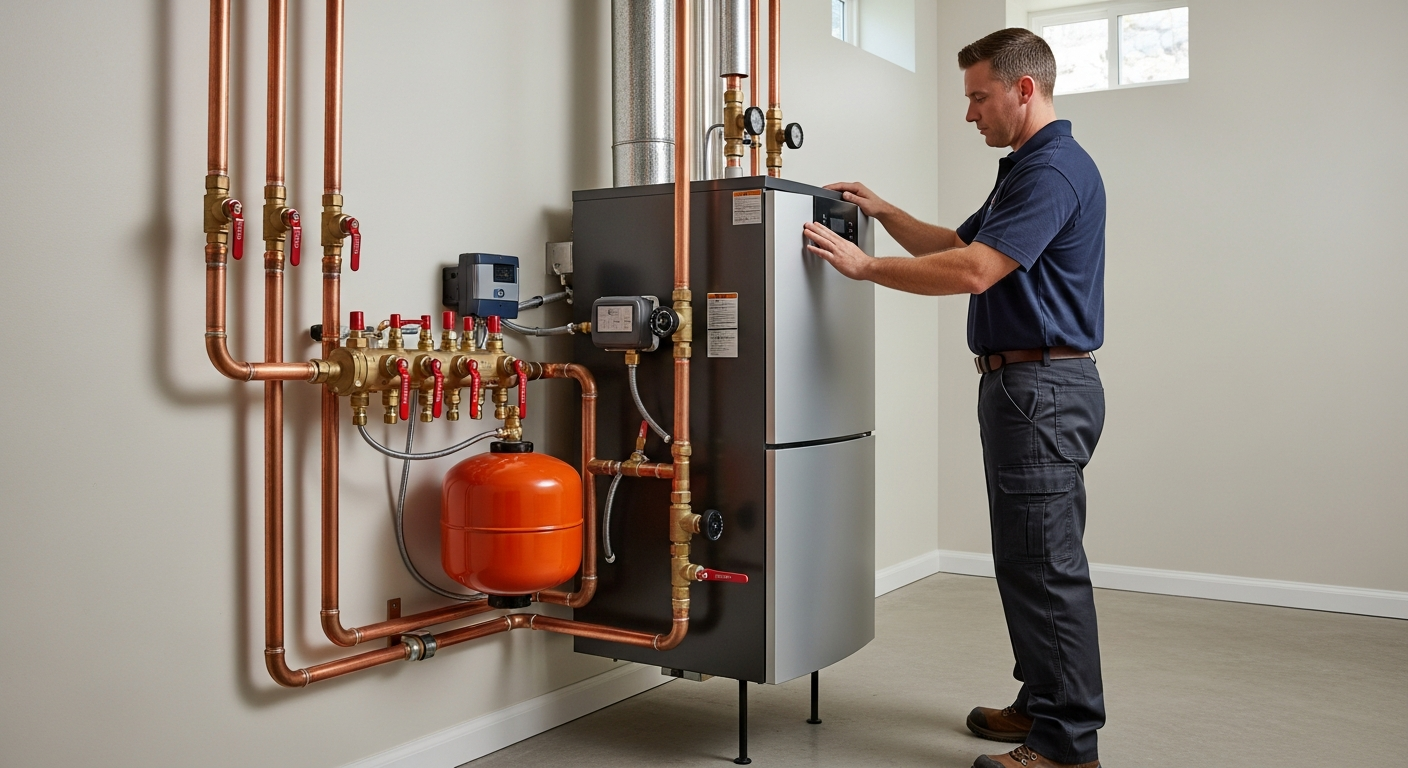
Always hire a licensed technician for gas burner cleaning
Do not attempt DIY burner cleaning; the risks of gas leaks, carbon monoxide poisoning, and fire outweigh any cost savings. A pro inspection costs $120–$250 and restores safety and efficiency safely.
What Matters Most
- Schedule an annual professional furnace tune-up that includes burner cleaning before heating season
- Monitor for yellow flame, banging noises, or soot—these demand immediate pro attention
- Get written quotes and a combustion analysis after cleaning
- Factor in furnace age and repair costs to decide between cleaning and replacement
- Use our free calculators and contractor search to make informed, budget-friendly decisions
Strengths
- Eliminates carbon monoxide risk from dirty, incomplete combustion
- Reduces gas bills by 5–10% and prevents premature heat exchanger failure
- Extends furnace lifespan by preventing overheating
- Provides peace of mind with documented safety checks
Weaknesses
- Professional cleaning has a cost ($120–$250) that some homeowners may try to avoid
- Requires scheduling and may uncover underlying expensive repairs (e.g., cracked exchanger)
- Not all tune-up packages include detailed burner cleaning—must verify scope
DIY Observation vs. Professional Burner Cleaning
| Task | Who Does It | Cost | Risk Level |
|---|---|---|---|
| Check flame color and noise | Homeowner | Free | None |
| Replace air filter | Homeowner | $10–$30 | Low (power off first) |
| Clean burner assembly and ports | Licensed Pro | $120–$250 | High DIY; safe if pro |
| Adjust gas/air mixture | Licensed Pro | Included in tune-up | Very high DIY; not allowed |
Why Burner Cleaning Matters (And When to Worry)
If your gas furnace produces yellow flames instead of blue, makes a loud bang on startup, or leaves soot around the cabinet, the burners likely need cleaning. Dirty burners can increase your heating bill by 5–10% and cause the furnace to overheat, shortening its life. While YouTube tutorials show DIY cleaning, working inside a gas appliance carries risks you shouldn't ignore. This article explains what professional burner cleaning accomplishes, safe checks you can do yourself, and how to decide whether a $120–$250 cleaning is worth it or if your furnace needs more extensive repair.
Quick Answer
Furnace burner cleaning is a professional maintenance task costing $120–$250 on average, often included in an annual tune-up ($150–$400). Homeowners can safely check flame color (should be blue), listen for delayed ignition pops, and ensure nothing blocks vents. Never attempt to clean burners or gas components yourself. Instead, hire a licensed HVAC technician to inspect and clean the burner assembly, flame sensor, and ignition system.
Safety Boundaries: What You Can and Cannot Do
Safe Homeowner Checks (No Tools Needed)
- Look through the furnace sight glass: flame should be steady blue, not yellow, orange, or flickering.
- Listen for a loud “bang” or “pop” when the heat cycles on—this signals delayed ignition from clogged ports.
- Check for black soot around the furnace cabinet or on vents.
- Ensure nothing is stacked against the furnace or blocking return grilles.
- Replace the air filter every 1–3 months to keep airflow strong.
Professional-Only Work (Never DIY)
- Removing or cleaning burner assemblies, orifices, or gas tubes.
- Adjusting gas pressure, air shutters, or ignition electrodes.
- Testing or repairing the flame sensor, ignitor, or gas valve.
- Inspecting the heat exchanger for cracks.
- Any task requiring gas-line disconnection or combustion analysis.
If you notice any of the warning signs below, turn off the furnace at the thermostat and breaker, then call a pro.
Signs Your Burners Need Attention
| Sign | What It Means | Action |
|---|---|---|
| Yellow or jumping flame | Incomplete combustion; soot buildup | Schedule professional cleaning immediately |
| Loud pop or bang at ignition | Delayed ignition from clogged burner ports | Turn off furnace, call technician |
| Soot around furnace cabinet | Dirty burners or misaligned gas | Have burner and heat exchanger inspected |
| Unusual gas smell | Possible gas leak or incomplete burn | Evacuate, call gas company, then HVAC pro |
| Higher-than-normal gas bills | Reduced efficiency from dirty burners | Compare 12-month usage; consider tune-up |
What Professional Cleaning Actually Involves
A trained technician follows strict safety protocols:
- Turns off electrical power and gas supply.
- Removes the burner assembly and uses specialized brushes and compressed air to clear ports.
- Inspects and cleans the flame sensor with a non-abrasive pad.
- Checks ignition operation and adjusts air/fuel mixture for a clean blue flame.
- Tests for carbon monoxide and gas leaks after reassembly.
This thorough process restores efficiency and prevents dangerous combustion byproducts. Ask your contractor to show you before/after flame photos or combustion analysis readings.
Decision Tree: Clean, Tune-Up, or Replace?
Use these thresholds to decide your next step. For personalized guidance, try our Repair or Replace Calculator and System Age Decoder.
- Furnace <10 years old, minor symptoms: Schedule a professional cleaning and inspection (expected cost $120–$250).
- Furnace 10–15 years old, soot or banging present: Get a full tune-up ($150–$400) that includes burner cleaning, plus a heat exchanger inspection. If the exchanger is cracked, replacement is usually necessary.
- Furnace >15 years old, multiple part failures, or repair quote >50% of new system cost: Strongly consider replacing. Use our calculator with quotes from at least two local pros. Find them via our contractor search.
Contractor Checklist: Questions to Ask Before You Hire
- "Will you clean the burners and flame sensor as part of the tune-up, or is it extra?"
- "Can you provide a written combustion analysis report after cleaning?"
- "Are you licensed, insured, and experienced with my furnace brand?"
- "What would a worst-case scenario look like (e.g., cracked heat exchanger), and how much would it cost?"
- "Do you offer maintenance plans, and is burner cleaning included annually?"
Always get a second opinion if major repairs are recommended, especially on older units. Use our contractor comparison tool to vet options.
Local Climate Considerations
- Cold climates (e.g., Chicago, Minneapolis): Annual pre-winter cleaning is non-negotiable. Neglected burners in hard-freezing months can fail when you need heat most. Find Chicago heating contractors.
- Humid regions (e.g., Houston, Miami): Moisture can accelerate corrosion on burner surfaces. Request a corrosion inspection during cleaning.
- Coastal areas (salt air): Burners may require stainless steel replacements sooner. Ask technicians about corrosion-resistant options.
- Older homes: Original furnaces may have outdated burners that are no longer safe to clean. Consider a complete system upgrade; see cost guides.
In all markets, a cost estimator can help you budget for cleaning or replacement based on your region.
Related Maintenance Tips
After burner service, remember these jobs that impact system performance:
- Troubleshoot a furnace that won’t heat
- Fix a short-cycling furnace (dirty flame sensor often the cause)
- Replace your air filter to keep burners clean longer
Methodology
Cost ranges are editorial estimates based on national HVAC maintenance surveys, technician interviews, and regional price data. Actual prices vary by system size, furnace brand, accessibility, and local labor rates. Always obtain written quotes from multiple licensed contractors.
Frequently Asked Questions
1. Can I clean furnace burners myself?
No. DIY cleaning risks gas leaks, fire, and carbon monoxide poisoning. Only a licensed technician should open the burner compartment and clean gas components. Homeowners can safely check flame color and listen for abnormal sounds, but internal work requires professional tools and training.
2. How much does professional burner cleaning cost?
Standalone burner cleaning typically runs $120–$250. As part of a comprehensive furnace tune-up, expect $150–$400, which often includes filter replacement, safety checks, and performance testing. Get a local estimate.
3. How often should burners be cleaned?
Annually, ideally before the heating season. If you have pets, live in a dusty area, or notice performance issues, more frequent cleaning may be needed. Most HVAC maintenance plans include annual burner inspection and cleaning.
4. Will cleaning fix a yellow flame?
Usually yes, if the yellow flame is caused by dirt or spider webs inside burner ports. However, a yellow flame can also indicate incorrect gas pressure, a cracked heat exchanger, or poor ventilation—all issues a technician must diagnose and repair.
5. What happens if I ignore dirty burners?
Efficiency drops, gas bills rise, and the furnace can overheat, causing cracks in the heat exchanger. Cracked heat exchangers leak carbon monoxide, a potentially fatal hazard. Prompt professional cleaning prevents these dangers and extends furnace life.
Related articles
Connect this page to adjacent guides so readers keep moving deeper into the topic cluster.
How to Implement a Whole Home Energy Management System
Integrate smart tech and HVAC controls to cut energy waste. This guide shows how to audit, upgrade, and automate your home's energy use, with real savings estimates.

How to Set Up Thermostat Geofencing
Set up thermostat geofencing to automatically adjust home temperature as you come and go. Save energy, extend equipment life, and never return to an uncomfortable house. Get our quick-start guide now.
How to Troubleshoot Smart Thermostat WiFi Issues
Your smart thermostat offline? Most WiFi drops can be fixed with power checks, router adjustments, and simple restarts. Follow our step-by-step guide to regain remote control and energy savings.