How to Convert From Oil to Gas Heating
Converting from oil to gas can cut energy bills by 20-40% and reduce maintenance. See if natural gas is available, compare upfront costs vs. long-term savings, and use our tools to decide.
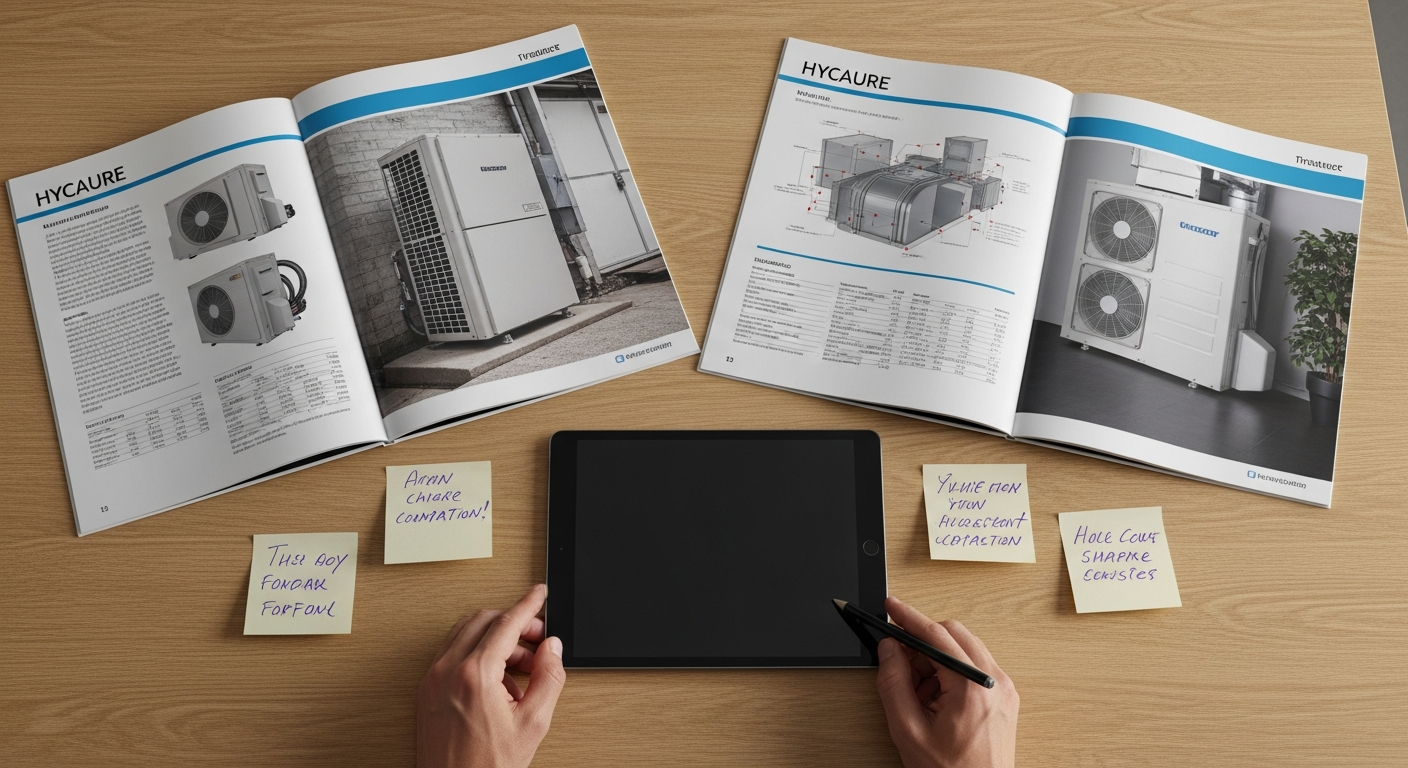
Convert when gas is available and your oil system nears replacement age
For most homeowners with an aging oil furnace or tank, converting to natural gas offers lower energy bills, greater convenience, and a cleaner environmental footprint. The upfront investment typically recoups in 3–7 years, making it a sound long-term decision.
What Matters Most
- Check gas availability with your utility first; without it, alternatives like propane or heat pumps may be better.
- Budget $5,000–$15,000 for a complete conversion, but leverage rebates to reduce net cost.
- Hire a licensed contractor experienced in both gas HVAC and oil tank decommissioning.
- Use our interactive tools to calculate payback and find qualified pros.
Strengths
- 20–40% lower annual heating costs compared to oil
- Eliminates fuel deliveries and tank maintenance
- Cleaner burning, reducing carbon emissions
- Opens options for other gas appliances
- Modern systems achieve 95%+ AFUE, maximizing efficiency
Weaknesses
- High upfront cost if gas line isn't already to the house
- Not available in all rural or remote areas
- Underground tank removal can be complicated and expensive
- May require ductwork modifications if existing system is low-velocity
Decision summary
| Scenario | Usually do | Why |
|---|---|---|
| Oil furnace 15+ years old, gas at street | Convert to gas | Avoids buying a new oil system; gas saves money long-term |
| Underground oil tank leaking or 25+ years | Convert to gas and remove tank | Eliminates environmental liability; bundling reduces cost |
| No natural gas available | Compare propane, heat pump, or dual-fuel | Extending gas main is rarely cost-effective for a single home |
| Oil system under 10 years, gas available | Run numbers with calculator; may delay conversion | Unless energy prices strongly favor gas, payback may exceed 10 years |
Quick Answer: Should You Convert from Oil to Gas?
Switching to natural gas typically lowers heating bills by 20-40% and eliminates oil deliveries, but upfront costs range from $5,000 to $15,000. This conversion pays back fastest when your oil furnace is over 15 years old, your oil tank is aging, or natural gas is already available at the street. Use our repair-or-replace calculator to estimate your break-even point.
Safety Boundaries: What Homeowners Can (and Cannot) Do
Safe homeowner tasks
- Check gas availability with your utility online or by phone.
- Get multiple quotes and verify contractor licenses and insurance.
- Inspect the area around the existing oil tank for signs of leaks or rust—but do not touch or move the tank.
- Test smoke and carbon monoxide detectors monthly after conversion.
- Visually confirm that outdoor gas meter and shut-off valve are accessible and unobstructed.
Work that requires a licensed professional
- Gas pipe installation, pressure testing, and meter connection.
- Oil tank decommissioning, especially underground tanks (environmental hazard).
- Furnace or boiler selection, sizing, and installation—incorrect sizing wastes fuel and shortens equipment life.
- Venting system modification (gas appliances have different exhaust requirements).
- Any electrical wiring for the new furnace, including thermostat and control connections.
Never attempt to connect or modify gas lines yourself; leaks can cause explosions or carbon monoxide poisoning.
Is Natural Gas Available at Your Address?
Call your local gas utility or use their online service address checker. If gas is in the street but not yet connected to your house, they’ll install a service line and meter—often at a subsidized cost, sometimes $500–$2,000 depending on distance and local incentives. If gas isn’t nearby, extending mains can cost $10,000 or more, potentially making propane or a high-efficiency heat pump a better choice.
Conversion Cost Estimates
These are editorial estimate ranges based on typical U.S. residential projects, not guaranteed prices. Final costs vary by region, home layout, equipment selection, and permit fees.
| Component | Typical Range | Notes |
|---|---|---|
| New high-efficiency gas furnace | $2,500 – $6,000 | Includes installation; high-AFUE models cost more but cut utility bills. |
| New gas boiler (if replacing oil boiler) | $5,000 – $12,000 | Condensing models often qualify for rebates. |
| Gas service line & meter | $500 – $2,000 | Varies by utility; some offer free connection promotions. |
| Interior gas piping | $500 – $2,500 | Depends on distance from meter to appliance. |
| Oil tank removal (above-ground) | $800 – $2,000 | Includes draining, cutting, and disposal. |
| Oil tank removal (underground) | $1,500 – $5,000+ | Soil testing may be required; can escalate if contamination found. |
| Permits and inspections | $100 – $500 | Municipal requirements vary. |
| Ductwork modifications (if needed) | $1,000 – $4,000 | High-efficiency gas systems often need more airflow. |
| Typical total project | $5,000 – $15,000 | Before rebates; net cost can be 10–30% lower. |
Check our rebate finder for federal, state, and utility incentives that can offset thousands.
Decision Tree: When to Switch from Oil to Gas
- Is your oil furnace over 15 years old? Replacement is imminent; switching now avoids paying for a new oil system.
- Is your oil tank older than 20 years or showing rust/leaks? Removal is necessary; bundling with a gas conversion reduces overall cost.
- Do you plan to stay in the home 5+ years? The savings usually recoup the investment within 3–7 years.
- Is natural gas already at the street and your utility offers incentives? The financial case is strongest.
- Are you experiencing frequent breakdowns or high maintenance costs? Gas systems require less annual upkeep and have fewer moving parts that fail.
Run the numbers with our HVAC cost estimator and repair-or-replace calculator.
Contractor Checklist: Hiring a Pro for Oil-to-Gas Conversion
Ask these questions before hiring:
- Are you licensed and insured for gas, plumbing, and HVAC work in my state? Verify license numbers online.
- Do you have experience with oil tank removal and decommissioning? Request references and environmental compliance documentation.
- How do you size equipment? Look for a Manual J heat load calculation, not a rule-of-thumb based on square footage.
- What brand(s) do you recommend, and why? Push for specific AFUE ratings and warranty terms.
- Will you handle utility coordination and permits? Reputable contractors manage the entire process.
- Can you provide an itemized quote with labor, materials, and disposal fees? Use our quote checker to spot inflated costs.
- What rebates or financing options are available? Many manufacturers and utilities offer 0% financing or cash-back.
Find vetted contractors with gas conversion experience on HVACDatabase.
Local Market Considerations
- Cold climates (Northeast, Midwest): Gas savings are highest where heating degree days exceed 5,000. Ask about dual-fuel or cold-climate heat pump compatibility for future flexibility.
- Coastal/humid areas: Corrosion protection for exterior gas lines and meters is critical. Underground oil tank removal must meet strict environmental regulations.
- Older homes (pre-1960): Check for asbestos or knob-and-tube wiring that may need abatement during conversion; budget an extra $1,000–$5,000.
- Hot/dry climates (Southwest): A gas heating-only conversion may not be economical if cooling loads dominate; consider a heat pump or dual-fuel system instead.
Oil Tank Removal: What to Expect
Above-ground tanks are cut up and hauled away; underground tanks require excavation, removal, and sometimes soil testing. Many municipalities mandate professional decommissioning with permits. Never attempt to remove a tank yourself—fuel residue and fumes are hazardous.
Maintenance After Conversion
Gas systems need annual professional inspection to check the heat exchanger, burners, venting, and safety controls. Replace the filter every 1–3 months during heating season. Test carbon monoxide detectors monthly. For troubleshooting minor issues like no heat, see our furnace troubleshooting guide. If a furnace short-cycles, learn what to check safely.
Methodology: How We Formed These Recommendations
Our editorial team aggregates cost data from contractor surveys, public utility filings, and third-party data sets updated quarterly. These are not guaranteed prices; they reflect typical ranges for single-family homes in the contiguous U.S. We pair these with guidance from industry standards (ACCA, ASHRAE) and feedback from licensed HVAC professionals. Always get at least three written quotes for your specific project.
Frequently Asked Questions
1. How much can I save annually by switching from oil to gas?
Households typically save 20–40% on heating bills, depending on local fuel prices and system efficiency. For a home burning 800 gallons of oil per year at $3.50/gallon, switching to a 95% AFUE gas furnace at $1.20/therm can cut annual heating costs from $2,800 to about $1,680.
2. Will my existing ductwork work with a gas furnace?
Often yes, but high-efficiency gas furnaces require 400–450 CFM per ton of airflow, while some older oil systems ran at lower air volumes. A contractor should measure static pressure and recommend duct modifications if needed. Minor adjustments can cost $500–$2,000.
3. What if I have an underground oil tank?
Underground tanks must be professionally removed or abandoned in place following EPA and local rules. Soil testing for leaks is almost always required. Total removal and remediation can cost $1,500–$10,000+ if contamination is found.
4. Are there alternatives if natural gas isn’t available?
Yes, consider propane (similar technology but delivered), a high-efficiency cold-climate heat pump, or a dual-fuel system. Use our cost estimator to compare lifecycle costs.
5. How long does a gas furnace last compared to an oil furnace?
Modern gas furnaces last 15–20 years with annual maintenance; oil furnaces often last 20–25 years but require much more frequent cleaning and part replacement. The lower maintenance of gas often offsets the shorter lifespan.
Related articles
Connect this page to adjacent guides so readers keep moving deeper into the topic cluster.
How to Implement a Whole Home Energy Management System
Integrate smart tech and HVAC controls to cut energy waste. This guide shows how to audit, upgrade, and automate your home's energy use, with real savings estimates.

How to Set Up Thermostat Geofencing
Set up thermostat geofencing to automatically adjust home temperature as you come and go. Save energy, extend equipment life, and never return to an uncomfortable house. Get our quick-start guide now.

How to Troubleshoot Smart Thermostat WiFi Issues
Your smart thermostat offline? Most WiFi drops can be fixed with power checks, router adjustments, and simple restarts. Follow our step-by-step guide to regain remote control and energy savings.