How to Flush a Hot Water Heating System
Flushing your hot water heating system restores efficiency and prevents boiler damage. This decision guide shows safe DIY steps, symptoms that mean it’s time, cost ranges, and how to hire a pro when the job is too complex.
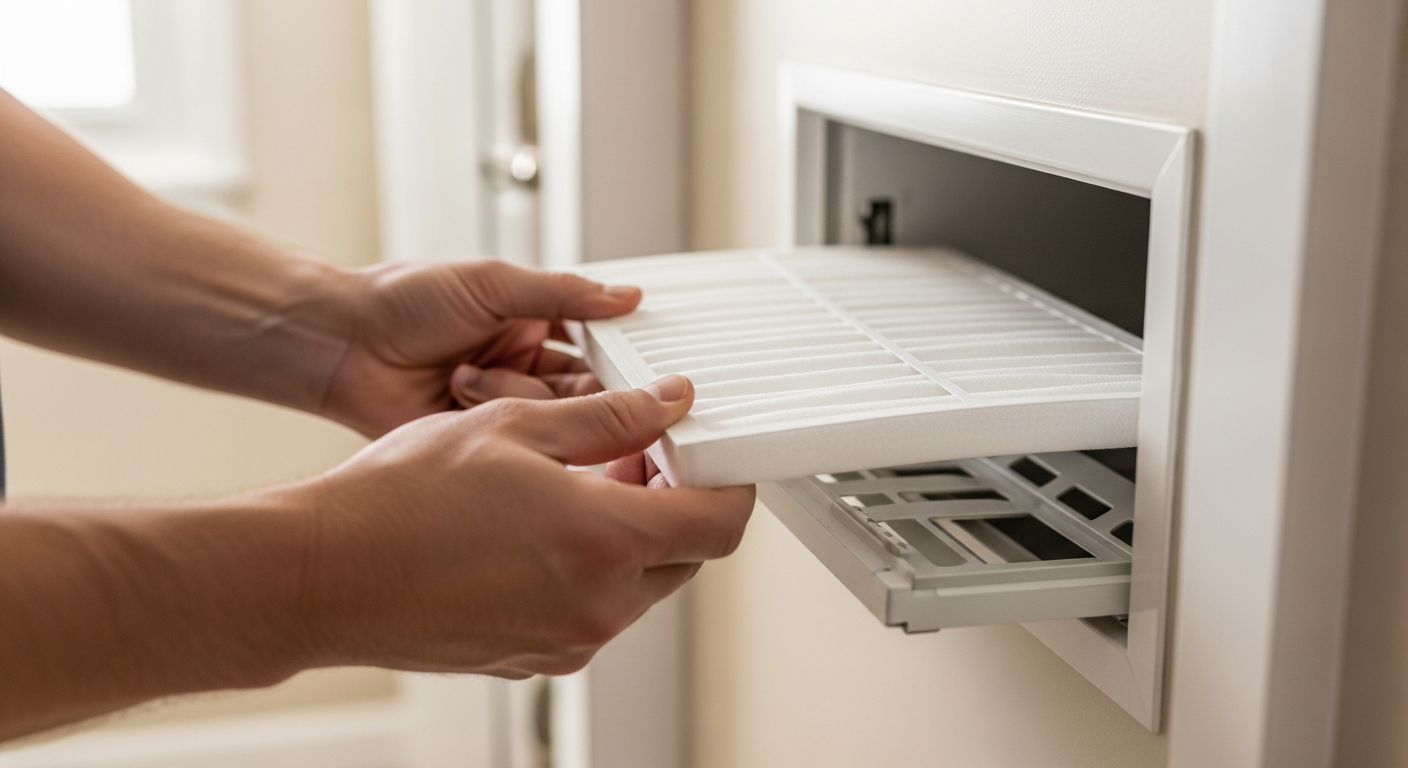
For most single‑zone conventional systems, a DIY gravity flush is safe and cost‑effective
After shutting down the boiler and letting it cool completely, homeowners with basic tools can drain, flush, and refill their system. For anything more complex—multi‑zone, condensing boilers, glycol, steel pipes—a professional flush is strongly recommended to avoid damage and ensure thorough cleaning.
What Matters Most
- Flushing your hot water heating system restores efficiency and can prevent boiler damage.
- Homeowners can safely perform a gravity drain‑and‑refill after the system is cold and disconnected from power/gas.
- Professional flushing costs $200–$700; DIY supplies cost around $30.
- Always hire a licensed HVAC tech for multi‑zone, high‑efficiency, or glycol systems.
- Use HVACDatabase tools to estimate local costs, compare contractors, and decide if a repair or replacement is the better long‑term move.
Strengths
- DIY flushing is inexpensive and quick—no appointment needed.
- You’ll learn how your system works and spot small issues before they grow.
- Professional flushing includes thorough cleaning, inhibitor addition, and a multi‑point inspection.
Weaknesses
- DIY flushing can’t match the cleaning power of a professional power flush—heavy sludge may persist.
- If not fully bled, airlocks can leave you without heat until a pro corrects the issue.
- Professional flushing costs more and may have a scheduling wait during peak season.
DIY Gravity Flush vs. Professional Power Flush: Decision Summary
| Scenario | Usually do | Why |
|---|---|---|
| Single-zone, copper/PEX, conventional boiler, clear water | DIY gravity flush | Low cost, safe; sludge is light |
| Multi-zone, old steel pipes, condensing boiler, brown water | Hire pro for power flush | High-efficiency equipment and chemicals needed; avoid airlocks |
| System contains glycol antifreeze | Hire pro | Glycol requires special handling and disposal |
| You smell gas or suspect boiler damage | Do not proceed—call pro immediately | Safety hazard; evacuate and call utility first |
Quick Answer: Should You Flush Your Hot Water Heating System?
If your radiators are cold at the bottom, your boiler is banging or whistling (kettling), or you see brown water when bleeding, a flush is overdue. Homeowners can safely drain and refill a single-zone system after shutting down and cooling the boiler completely. But for multi-zone, high-efficiency, or glycol-filled systems, call a licensed HVAC technician. A professional flush costs $200–$700 (editorial estimate), while DIY supplies run about $30.
Signs Your System Needs a Flush
Watch for these common red flags. They mean sludge, scale, or corrosion is restricting flow and forcing your boiler to work harder, wasting energy and risking damage.
| Symptom | What It Means | Action |
|---|---|---|
| Radiators cold at bottom, warm at top | Sludge settled in lower sections | Flush system |
| Banging or whistling from boiler | Scale and debris restricting water flow (kettling) | Flush immediately; may need chemical treatment |
| Cloudy or brown water when bleeding | Corrosion and rust in the water | Flush and consider adding inhibitor |
| Boiler short-cycles | Pump strain, blockage, or low flow | Flush and inspect pump; call pro if it persists |
| Gas smell near boiler | Potential gas leak | Evacuate house, call utility, do NOT proceed |
Safe Homeowner Steps for a Gravity Flush
These steps are for a gravity drain-and-refill—the simplest flush method. If you have a high-efficiency condensing boiler, multiple zones, or old steel pipes, skip to the decision rules below and hire a pro.
- Shut down and cool: Turn off power to the boiler at the breaker, and turn the gas valve to “off.” Wait at least 2 hours until pipes are cool to the touch. Never drain a hot system—scalding water and steam can cause severe burns.
- Close water supply: Locate the main water intake valve feeding the boiler and turn it clockwise to shut off fresh water.
- Attach drain hose: Connect a heavy-duty garden hose to the boiler’s drain valve (usually near the bottom). Run the hose to a floor drain, large utility sink, or outside. Secure it firmly.
- Open drain and bleed radiators: Open the boiler drain valve. Then, beginning at the highest floor, open the bleed valves on each radiator. This breaks the vacuum and allows water to drain. Let the water run until it is clear. Catch a sample in a clear jar—if it remains cloudy or dark, continue flushing.
- Close drain, refill slowly: Close the boiler drain valve and remove the hose. Gradually reopen the water supply valve. As the system fills, visit each radiator starting at the lowest level and bleed the air: open the bleed valve until a steady stream of water appears, then close it. Move upward through the house.
- Restore power and check for leaks: After all air is purged, turn the gas valve and power back on. Verify the boiler fires normally and inspect all valves and connections for any drips.
For detailed bleeding guidance, see our article on how to bleed a radiator.
Safety Boundaries: What a Homeowner Can and Cannot Touch
Homeowners can safely perform the drain-and-refill process above. However, some tasks carry serious risks and must be left to licensed technicians.
Safe Homeowner Checks & Maintenance
- Listening for unusual boiler sounds (kettling, banging)
- Checking radiator temperature patterns
- Monitoring system pressure gauge (usually 12–15 psi cold)
- Inspecting visible pipes for leaks or corrosion
- Bleeding air from radiators
- Performing a gravity flush as described (after power and gas are off and system is cool)
Pro-Only Work (Do Not Attempt)
- Any activity that requires opening the boiler’s sealed combustion chamber or gas valve interior
- Repairing or replacing gas lines, burners, or ignition components
- Handling chemical flushing agents or high-pressure power-flush equipment
- Working on electrical wiring, control boards, capacitors, contactors, or compressors
- Adding or draining glycol antifreeze (requires special handling and disposal)
- Fixing leaks that require soldering or replacing pipe sections
- Anything involving refrigerant or a heat pump’s refrigeration circuit
If you smell gas at any point, open windows, leave the house, and call your utility emergency line. Do not operate any switches or electronics.
When to Call a Professional: Decision Rules
Use this decision tree to decide whether to flush yourself or hire an HVAC technician.
- DIY a gravity flush if:
- You have a single heating zone
- Piping is copper or PEX (not aging steel or cast iron)
- Your boiler is a conventional or combi model (not a high-efficiency condensing unit with a condensate trap)
- You are fully comfortable shutting off gas and power and waiting for the system to cool
- There are no signs of leaks, corrosion, or gas smells
- Hire a pro if:
- You have multiple heating zones with complex valving
- The system contains glycol antifreeze
- Piping is old galvanized steel, iron, or shows heavy corrosion
- Your boiler is a modern high-efficiency condensing boiler
- You suspect the pump, zone valves, or expansion tank are failing
- The system fails to fire after you’ve refilled and bled air
- You are unsure at any point about the steps
When in doubt, a diagnostic visit ($80–$200) from a qualified technician is a safe investment. A typical professional flush costs between $200 and $700, depending on system size, number of zones, and severity of contamination. A power flush—using a high-pressure pump and sometimes chemicals—runs $400–$1,200 but cleans more thoroughly.
Tools to Plan and Budget Your Heating System Maintenance
Use HVACDatabase’s interactive tools to get localized cost estimates, compare contractor quotes, and decide if a repair or replacement makes more sense.
- HVAC Cost Estimator – Get a personalized cost range for flushing, maintenance, or repair in your area.
- Repair or Replace Calculator – If your boiler is aging, see if a full replacement could save you money over time.
- BTU Calculator – Ensure your system is sized correctly for your home; improper sizing leads to sludge and short-cycling.
- HVAC Cost Guide Hub – Understand what drives maintenance and repair pricing.
Contractor Checklist: Questions to Ask Before Hiring
When hiring a pro for a flush, use these questions to vet candidates and ensure quality work. Always verify licensing and insurance.
- Do you perform a gravity flush, a power flush, or chemical flush? Which do you recommend for my system and why?
- Will you add a corrosion inhibitor when you’re done? (This is critical for preventing future sludge.)
- Do you flush each zone individually and test flow after?
- Will you inspect the circulator pump, expansion tank, and air vents during the visit?
- Can you provide a written estimate with a breakdown of labor and materials?
- What’s your warranty on the service? (Look for at least 30 days.)
- Are you licensed and insured? Can you show proof?
Use our Contractor Comparison Tool to weigh quotes side-by-side, and explore HVACDatabase’s contractor directory to find professionals in your area. For example, see heating contractors in Chicago: Chicago Heating Repair.
Local Climate and Home Age Considerations
Your region and home’s construction can affect how often and how aggressively you should flush.
- Cold Climates (e.g., Chicago, Minneapolis): Flush before heating season. Older homes often have steel radiators that produce sludge faster—plan on a flush every 2–3 years. Ensure your boiler and pipes are protected from freezing during any drain, especially if you’re doing it yourself.
- Older Homes (Northeast, Midwest): Cast‑iron radiators and galvanized steel piping generate more corrosion. A pro power flush with chemicals may be needed to dissolve hardened scale. Also check for furnace issues if you have a hybrid system.
- Hard Water Areas: Mineral scale builds faster. Consider installing a water softener or scheduling annual inhibitor top‑ups.
- Humid or Coastal Regions: Humidity can accelerate external rust on valves and pipes—inspect these during your flush.
Methodology: How We Arrive at Our Cost Ranges and Recommendations
Cost ranges in this article are editorial estimates, not guaranteed prices. They derive from national averages for licensed HVAC service as reported by industry surveys, service provider networks, and homeowner reports. Actual costs vary by region, system complexity, access difficulty, material costs, permitting, and seasonality. We update figures regularly based on market trends. Recommendations follow standard practices from industry bodies (ACCA, ASHRAE) and prioritize safety, efficiency, and long‑term system health. Always obtain multiple quotes and verify contractor credentials. Visit our HVAC cost hub for deeper insights.
Frequently Asked Questions
1. How often should I flush my hydronic heating system?
Every 3–5 years is typical for most homes. Systems with old steel radiators or hard water may need it every 2–3 years. Watch for the symptoms listed above rather than a strict calendar.
2. Can I use a chemical cleaner during a DIY flush?
Not recommended. Chemical flushes require precise dosing, circulation time, and thorough rinsing—often needing a power‑flush machine. Incorrect use can damage seals or leave corrosive residues. Leave chemical flushes to trained professionals.
3. What if my boiler won’t turn on after refilling?
First, ensure all air is bled from radiators and you’ve restored gas and electricity correctly. Check the pressure gauge—it should read between 12 and 15 psi when cold. If it still won’t fire, you may have tripped a low‑water cutoff or a more serious fault. Call a technician; don’t repeatedly try to restart.
4. Does flushing fix all heating imbalance issues?
No. Sludge is a common but not the only cause. Imbalance can also result from a failing circulator pump, stuck zone valve, incorrect pipe sizing, or airlocks. A flush resolves sludge‑related cold spots; other issues need separate diagnosis.
5. Is a power flush better than a gravity flush?
Power flushing uses a high‑flow pump and sometimes chemicals to dislodge stubborn deposits. It’s more effective for heavily sludged systems and can restore near‑new efficiency. A gravity flush is gentler and suitable for routine maintenance on clean systems. Expect to pay more for a power flush ($400–$1,200 vs. $200–$700).
Related articles
Connect this page to adjacent guides so readers keep moving deeper into the topic cluster.
How to Implement a Whole Home Energy Management System
Integrate smart tech and HVAC controls to cut energy waste. This guide shows how to audit, upgrade, and automate your home's energy use, with real savings estimates.

How to Set Up Thermostat Geofencing
Set up thermostat geofencing to automatically adjust home temperature as you come and go. Save energy, extend equipment life, and never return to an uncomfortable house. Get our quick-start guide now.

How to Troubleshoot Smart Thermostat WiFi Issues
Your smart thermostat offline? Most WiFi drops can be fixed with power checks, router adjustments, and simple restarts. Follow our step-by-step guide to regain remote control and energy savings.