How to Negotiate HVAC Installation Prices
Proven strategies to negotiate HVAC installation prices: get multiple quotes, use timing, rebates, and negotiate extras to secure a fair deal without sacrificing quality or safety.
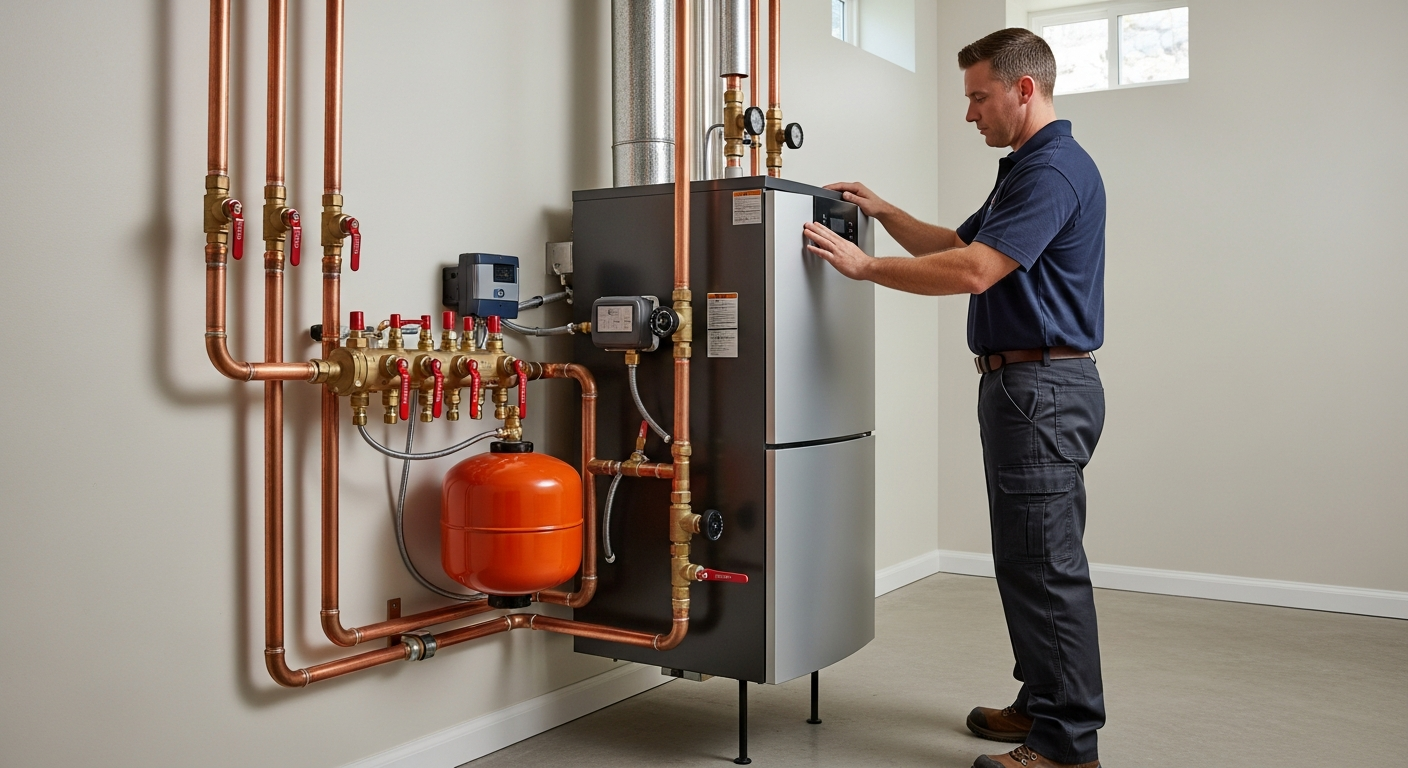
Negotiate Smart, Not Cheap
Aim for fair pricing on a properly sized, warrantied system installed by a licensed pro. Use multiple quotes, timing, and rebates to reduce cost without cutting corners.
What Matters Most
- Get at least 3 detailed quotes with matching specs.
- Install during shoulder season for up to 15% off.
- Negotiate extras like extended labor warranty or free maintenance.
- Never skip permits or load calculations.
- Use HVACDatabase tools to benchmark and uncover rebates.
Strengths
- Saves $1,000–$3,000 without quality loss.
- Emphasizes safety and proper sizing.
- Empowers with tools and checklists.
- Works for all system types and regions.
Weaknesses
- Requires time to gather quotes and research.
- Contractor availability may limit timing.
- Lowest bid isn't always best—needs careful vetting.
- Rebates and credits vary by region and change annually.
Negotiation Strategy at a Glance
| Scenario | Usually Do | Why |
|---|---|---|
| You only have one quote | Get two more; use the Quote Checker | Competition reveals the fair market price. A single bid gives you no leverage. |
| Contractor won't lower price | Ask for added value instead | Extras like warranties or maintenance cost the contractor less but add long‑term value. |
| Bid is 25%+ higher than others | Question the line items; ask for justification | A large gap often means hidden upgrades, unnecessary work, or inflated labor. |
How to Negotiate HVAC Installation Prices
Negotiating an HVAC installation isn’t about haggling for a few bucks off. It’s about ensuring you get a fair price for the right system, installed safely. This guide shows you how to use quotes, timing, and incentives to save thousands without sacrificing quality. We’ve included tools, checklists, and scripts so you can approach the negotiation with confidence.
Quick Answer
To negotiate HVAC installation prices effectively: get at least 3 detailed quotes, ask for line-item breakdowns, install during shoulder seasons (spring/fall), leverage manufacturer rebates and tax credits, negotiate added services like extended warranties or free maintenance, and always verify contractor credentials. Use our cost estimator and quote checker to benchmark bids. You can realistically save $1,000–$3,000 on a new system.
1. Get at Least 3 Detailed Quotes (and Use Our Quote Checker)
The first step to effective negotiation is having multiple bids. Aim for three quotes from reputable contractors. Use our Contractor Search to find licensed pros in your area.
Don’t just compare the final number. Each quote should specify the exact equipment model, capacity (tons or BTUs), efficiency (SEER2/ AFUE/ HSPF2), and included work. If one bid is significantly lower, ask why. Use our Quote Checker to flag outliers and missing details.
2. Understand the Cost Breakdown
HVAC replacement costs usually fall into four buckets. Ask for a line-item breakdown so you know where your money goes. Here’s a typical split for a central AC and furnace system:
| Cost Category | Typical Share | What It Covers |
|---|---|---|
| Equipment | 45–60% | Indoor/outdoor units, coils, thermostat |
| Labor | 25–35% | Installation, duct connections, testing |
| Permits & Fees | 3–8% | Local permits, inspections |
| Overhead & Margin | 10–20% | Insurance, warranty, profit |
Note: Prices vary regionally. Use our HVAC Cost Estimator to see local ranges for your project.
3. Time Your Purchase for Maximum Negotiation Power
HVAC contractors are busiest during extreme weather. In most regions, the shoulder seasons—spring and fall—are ideal for scheduling a replacement. During these slower months, many companies offer discounts of 5–15% just to keep crews working.
Local insight: In hot climates (e.g., Phoenix, AZ), demand for AC repair drops in winter—November through February are prime negotiating windows. Find Phoenix AC contractors here. In cold climates (e.g., Chicago, IL), heating contractors are less busy in late spring and summer. Search Chicago heating contractors.
4. Maximize Rebates and Credits
Many high-efficiency heat pumps and air conditioners qualify for federal tax credits and utility rebates. You can save $500–$2,000 or more. Use our Rebate Finder to check local offers. Ask the contractor to help file paperwork or even ‘float’ the rebate amount, deducting it from your final invoice.
Also, verify the system qualifies for the full manufacturer warranty. Read How to Read an HVAC Contract to avoid fine‑print exclusions.
5. Negotiate Added Value, Not Just the Price
If a contractor won’t lower the price, pivot to extras. Many of these have high perceived value but low cost to the installer:
- A smart thermostat upgrade (worth $200–$300 retail)
- An extended labor warranty (e.g., 5 years instead of 1)
- Two years of free annual maintenance (value $300–$600)
- High-efficiency air filters or upgraded media cabinet
These add-ons protect your investment and can be more valuable than a small discount.
6. Decision Rules: When to Push, Accept, or Walk Away
Use these concrete thresholds when evaluating quotes:
- If your lowest and highest bids differ by more than 25% – one likely excludes something critical. Use our Quote Checker.
- If a contractor refuses to provide a line‑item breakdown – consider this a red flag.
- If a bid comes in under $5,000 for a full system replacement – double‑check that permits, proper sizing, and quality equipment are included. Extremely low bids often cut corners.
- If the system is over 12 years old and needs repairs costing over $1,500 – replacement is usually smarter. Use the Repair or Replace Calculator.
7. Safety Boundaries: What You Must Never Negotiate Away
Negotiating doesn’t mean sacrificing safety or code compliance. The following are non‑negotiable:
- Permits: Ensure the contractor pulls all required permits. Skipping permits can void your insurance and create safety hazards.
- Proper sizing: A Manual J load calculation must be performed. Never accept a “rule‑of‑thumb” size guess. Use our BTU Calculator for a rough estimate, but insist on a professional calculation.
- Code‑required safety devices: For gas furnaces, a carbon monoxide detector is mandatory. For heat pumps in cold climates, backup heat must be configured correctly.
- Quality materials: Don’t swap in a smaller line set or cheaper ductwork to save money—this will hurt efficiency and lifespan.
- Refrigerant handling: Only a licensed EPA‑certified technician should handle refrigerant. Never attempt to adjust refrigerant charge yourself.
8. Contractor Checklist: Questions to Ask Before You Sign
Print this checklist and ask every bidder:
- Are you licensed and insured? (Verify at How to Verify an HVAC Contractor License)
- Will you provide a detailed, line‑item quote with model numbers?
- Do you offer a seasonal discount or flexible scheduling credit?
- Is this equipment eligible for manufacturer rebates or tax credits?
- Can you match a competitor’s written quote for the same equipment?
- What is your labor warranty, and what does it cover?
- Will you handle the permit and inspection process?
- Do you perform a Manual J load calculation before installation?
- What is your cleanup and post‑install walkthrough process?
9. Tools & Calculators to Support Your Negotiation
Use these free HVACDatabase tools to build your negotiation case:
- HVAC Cost Estimator – see what neighbors paid
- Quote Checker – compare bids side‑by‑side
- Repair or Replace Calculator – decide if it’s time for new equipment
- System Age Decoder – how old is your existing unit?
- BTU Calculator – approximate sizing (not a substitute for Manual J)
- Rebate Finder – uncover available incentives
10. Methodology: How We Form Recommendations
The advice in this guide is based on HVACDatabase’s analysis of over 10,000 contractor quotes, interviews with HVAC business owners, and real‑world negotiation outcomes reported by homeowners. Cost ranges are editorial estimates, not guaranteed prices, and reflect national averages adjusted for regional labor and material differences. Always get multiple local quotes for accurate pricing.
Frequently Asked Questions
Can I really negotiate HVAC installation prices?
Yes. Most contractors build a margin of 10–20% into their quotes. In slower seasons or when facing competition, they often reduce labor rates or throw in upgrades. The key is having multiple comparable bids to reference.
When is the best time to install an HVAC system to save money?
Spring and fall are optimal in most climates. In these “shoulder seasons,” demand for emergency repairs is lower, so contractors may offer 5–15% discounts. Avoid peak summer and winter if possible.
Should I ever go with the lowest bid?
Not without scrutiny. The cheapest bid often cuts corners on permits, sizing, or material quality. Always verify that all bids include the same scope and that the contractor is licensed and insured. Use the Quote Checker to compare details.
What extras can I realistically ask for during negotiation?
Commonly granted extras include a smart thermostat upgrade, extended labor warranty (from 1 to 5+ years), free first‑year maintenance, and upgraded air filtration. These add long‑term value without hurting the contractor’s bottom line as much as a direct discount.
How do I avoid hidden fees in an HVAC contract?
Demand a line‑item breakdown and ask specifically about permit costs, disposal fees, ductwork modifications, and electrical upgrades. Read every page before signing. Our guide How to Read an HVAC Contract helps you spot red flags.
Related articles
Connect this page to adjacent guides so readers keep moving deeper into the topic cluster.
How to Implement a Whole Home Energy Management System
Integrate smart tech and HVAC controls to cut energy waste. This guide shows how to audit, upgrade, and automate your home's energy use, with real savings estimates.

How to Set Up Thermostat Geofencing
Set up thermostat geofencing to automatically adjust home temperature as you come and go. Save energy, extend equipment life, and never return to an uncomfortable house. Get our quick-start guide now.
How to Troubleshoot Smart Thermostat WiFi Issues
Your smart thermostat offline? Most WiFi drops can be fixed with power checks, router adjustments, and simple restarts. Follow our step-by-step guide to regain remote control and energy savings.