How to Prepare Your Fireplace for Heating Season
A fireplace that’s been idle all summer needs more than a dusting. Our seasonal prep guide helps you decide what to check yourself, when to call a chimney pro, and what it should cost—so your first fire is safe and efficient.
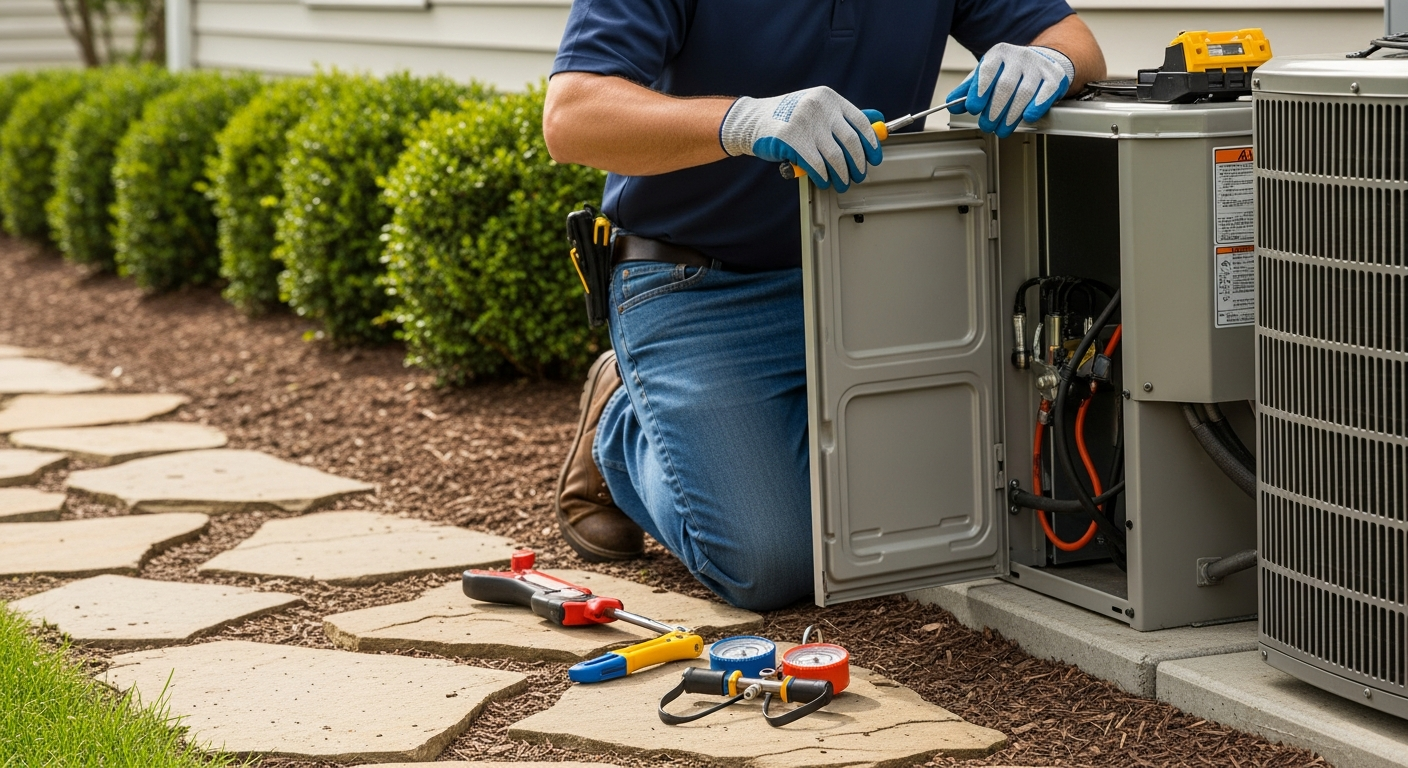
Schedule a professional chimney inspection and sweep annually before heavy use to prevent fires and ensure efficiency.
For most homes, an annual sweep costs $150–$350—far less than a chimney fire repair. Pair this with DIY firebox cleaning and detector tests. Use our tools to compare certified pros and budget accurately.
What Matters Most
- An annual professional chimney sweep reduces fire risk and spots hidden damage early.
- Test smoke and CO detectors before the first fire—fresh batteries save lives.
- You can safely remove ash, clean glass, and check the damper; never attempt gas or flue repairs yourself.
- If you see heavy creosote, smoke backup, or pilot issues, call a certified pro immediately.
- A gas fireplace isn’t maintenance-free—annual burner and vent checks are still essential.
Strengths
- Proactive maintenance prevents 90% of chimney fires and carbon monoxide incidents.
- DIY tasks (ash removal, detector tests) cost almost nothing and take under 30 minutes.
- Using our cost estimator and quote checker can save $50–$200 by avoiding overpriced services.
- A thorough contractor checklist ensures you hire a qualified, insured pro the first time.
Weaknesses
- Annual professional sweep costs $150–$350 out of pocket (though insurance may cover part in some cases).
- DIY-only approach misses hidden flue cracks or stage‑3 creosote that require a pro camera inspection.
- Neglecting an older chimney can lead to $2,000–$5,000 flue relining bills—far more than annual maintenance.
- Gas fireplace service may require an HVAC technician instead of a chimney sweep, adding a second contractor visit.
Decision Summary: Should You DIY or Hire a Pro?
| Scenario | Usually Do | Why |
|---|---|---|
| You have a wood-burning fireplace, last cleaned over a year ago | Hire a CSIA-certified sweep for cleaning and Level 1 inspection | Creosote buildup increases fire risk; a pro can inspect the entire flue and spot cracks. |
| Your gas fireplace pilot light won’t stay lit | Call a certified gas technician | The fault may involve the thermocouple or gas valve—requires specialized tools and safety precautions. |
| You want to remove old ash and clean the firebox glass | Safe to do yourself | No structural or gas components; just wait until embers are fully cold. |
| You see water staining or rust on the chimney cap | Hire a pro to inspect and replace the cap if needed | Roof access is dangerous; a pro has fall protection and can assess flashing and crown condition. |
| You’re considering switching from a wood fireplace to a gas insert | Get quotes from at least three certified installers and use the Repair/Replace calculator | Switching involves gas line installation, electrical, and venting changes—permit-required work. |
Quick Answer: What Every Homeowner Should Do Before the First Fire
At a minimum, complete these three steps before lighting any fireplace:
- Clean out old ash and debris from the firebox (wood-burning) or dust and check for cobwebs (gas).
- Test smoke and carbon monoxide detectors—replace batteries if needed.
- Schedule a professional chimney sweep and inspection if it has been more than 12 months since the last service, or if you notice any of the warning signs below.
For a budget-friendly estimate of what a sweep might cost in your area, use our HVAC & Fireplace Cost Estimator. Typical editorial ranges: $150–$350 for a standard sweep and Level 1 inspection. Additional repairs, like flue relining or masonry work, can raise the total to $500–$2,500 or more.
What You Can Safely Do Yourself
These tasks involve no gas, electrical, or specialized structural work—perfect for a prepared homeowner:
- Remove ash with a metal shovel and bucket (wait at least 24 hours after the last fire to ensure embers are cold).
- Vacuum dust and pet hair from gas log sets and burner ports using a soft brush attachment (do not disassemble the burner).
- Inspect the firebox and hearth for obvious cracks or crumbling mortar. Shine a flashlight up the flue to look for major obstructions like bird nests or debris.
- Open and close the damper several times to ensure smooth operation. If it sticks or doesn’t seal completely, note it for a pro.
- Wash glass doors with a fireplace glass cleaner (never use regular glass cleaner on ceramic glass).
- Check the chimney cap from the ground with binoculars—look for rust, damage, or animal nesting.
- Verify that the area around the fireplace is clear of flammable items (furniture, drapes, firewood within 3 feet).
Safety Boundaries: Work That Must Be Left to a Professional
Do not attempt any of the following yourself. These tasks involve serious risks of fire, carbon monoxide poisoning, gas leaks, or structural collapse. Always hire a certified chimney sweep or HVAC technician for:
- Chimney sweeping—especially removal of heavy creosote or soot deposits. Creosote is highly flammable and requires specialized rotary brushes and vacuums.
- Any inspection or repair of gas lines, valves, pilot assemblies, or ignition systems on gas fireplaces.
- Flue or liner repairs, masonry repointing, or crown rebuilding.
- Damper repair or replacement that requires disassembly of the chimney top or throat.
- Diagnosis of smoke backup, persistent odors, or pilot light outages—these often indicate deeper issues.
- Installation of a new fireplace, insert, or gas log set.
Skipping a pro for these jobs can void your home insurance and put your family at risk. If you see any of the warning signs below, stop and call a pro. Use our Contractor Search to find a certified chimney sweep near you.
Fireplace Type & Maintenance Table
| Fireplace Type | Homeowner Tasks (Annually) | Professional Tasks (Frequency) | Estimated Pro Cost Range |
|---|---|---|---|
| Wood-burning (masonry) | Ash removal, visual firebox check, damper test, glass cleaning | Sweep & Level 1 inspection (once/year if used regularly; every 2 years if used occasionally) | $150–$350 |
| Wood-burning (factory-built) | Same as above plus check door gaskets | Sweep & inspection per manufacturer’s recommendation (often yearly) | $125–$300 |
| Gas (direct-vent or vent-free) | Dusting, glass cleaning, visual check of logs, test CO detector | Full service: clean burner, check gas pressure, inspect venting (once/year) | $100–$250 |
| Electric | Dusting, check cord and plug, test heater fan | Heater element or motor replacement (as needed) | $150–$400 |
Ranges are editorial estimates and vary by region, accessibility, and required repairs. Use our Quote Checker to compare bids from local pros.
When to Call a Pro: Warning Signs & Decision Guide
If you answer “yes” to any of these questions, pick up the phone before you pick up a match:
Is there a strong smell of smoke or ash even when the fireplace isn’t in use?
This often means creosote buildup, a blocked flue, or negative air pressure in the home. A pro can diagnose the root cause safely.
Do you see shiny, tar-like deposits on the flue walls?
That’s Stage 3 creosote—highly flammable and nearly impossible to remove without professional chemicals and rotary tools.
Has it been more than 2 years since the last chimney sweep?
Creosote and debris can accumulate unseen. An inspection is overdue. For wood stoves or inserts, annual cleaning is recommended.
Does smoke enter the room instead of going up the chimney?
Likely a damper problem, blockage, or downdraft. Do not attempt to “fix” this by burning hotter—call a pro.
Is your gas fireplace’s pilot light going out repeatedly, or flames look yellow/orange instead of blue?
This indicates a combustion issue, possibly a dirty burner or faulty thermocouple. Shut off the gas and call a technician.
For a structured evaluation of whether to repair or replace an older fireplace, try our Repair or Replace Calculator.
Cost & Tool Links
Accurate budgeting prevents surprises. Use these HVACDatabase tools to plan your fireplace prep:
- Cost Estimator: Get a personalized range for chimney sweeping, gas log service, or fireplace repair in your ZIP code.
- Quote Checker: Upload contractor quotes and compare line‑by‑line to avoid overpaying.
- Repair or Replace Calculator: Weigh the cost of frequent repairs against installing a new, efficient fireplace insert or gas unit.
- Find a Contractor: Search for CSIA-certified chimney sweeps and read verified reviews.
Also read our companion guide: How to Get Your HVAC Ready for Fall—fireplaces and central heat often share ductwork and airflow dynamics.
Contractor Checklist: Questions to Ask Before You Hire
When you invite a chimney professional into your home, confirm these points:
- Are you certified by the Chimney Safety Institute of America (CSIA) or equivalent? (For gas fireplaces, ask for National Fireplace Institute (NFI) certification.)
- What level of inspection does my chimney need? Level 1 is standard; Level 2 is required if you changed fuel type, had a chimney fire, or are selling the home. Level 3 is for known structural issues.
- Will I receive a written report with photos? A detailed report helps you track maintenance and is useful for insurance claims.
- What is included in your quoted price? Does it cover roof access, disposal of debris, and any minor adjustments?
- Do you carry workers’ compensation and liability insurance? Verify coverage before they climb onto your roof.
- Can you provide references from recent projects in my area?
Use our Contractor Comparison Tool to line up at least three candidates side by side.
Local & Regional Considerations
Fireplace maintenance isn’t one-size-fits-all. Adjust your plan based on where you live:
- Cold climates (frequent use): Sweep at least once per year. Consider a chimney cap with a spark arrestor to prevent snow and ice damage. Check for cracked flue tiles caused by freeze-thaw cycles.
- Mild climates (intermittent use): Even if you only burn 10–15 fires per season, an annual inspection is still wise. Critters and moisture can cause damage during long idle periods.
- Older homes (pre-1980): Original brick chimneys may lack a liner or have deteriorated mortar. A Level 2 inspection is a smart investment before heavy use. Budget $250–$500 for a thorough assessment.
- Coastal areas: Salt air accelerates rust on metal chimney caps and dampers. Inspect these components yearly and replace as needed (caps: $75–$200).
For more cold-weather HVAC preparation, see How to Winterize Your Outdoor AC Unit and How to Prepare Your HVAC for a Cold Snap.
Methodology: How Our Estimates Are Formed
HVACDatabase cost estimates are based on aggregated data from thousands of user-submitted quotes, contractor surveys, and public price databases. We adjust for regional labor rates, materials, and permit fees. All numbers are editorial estimates—not guaranteed prices—and are intended to help you benchmark contractor proposals. Final costs depend on job complexity, home access, and market conditions. Always obtain at least three written quotes and check certifications before proceeding.
FAQs
How much does a chimney sweep cost?
Editorial range: $150–$350 for a standard sweep and Level 1 inspection. $500–$2,500+ for major repairs like flue relining or crown rebuilding. Use our cost estimator for a localized figure.
What is creosote and why is it dangerous?
Creosote is a tar-like byproduct of burning wood. It condenses inside the chimney and is extremely flammable. Heavy buildup can ignite a chimney fire that reaches 2,000°F, damaging the flue and spreading to the house. Only professional sweeping removes it safely.
Can I use my fireplace if I skipped a year of maintenance?
It’s not recommended. Even if the fireplace looks clean, hidden creosote or animal nests can cause smoke backups or fires. At a minimum, have a pro perform a Level 1 inspection before you light it.
How do I know if my damper is working properly?
A working damper opens and closes smoothly without sticking. You can test it by shining a flashlight up the flue—pushing the handle should move the metal plate. If air flows through when closed, the seal is failing and needs repair. Never force a damper; call a pro if it is stuck.
Should I replace my wood-burning fireplace with a gas insert?
Gas inserts are more efficient (60–80% vs. 10–20% for open hearths) and require less daily maintenance. However, they cost $3,000–$7,000 installed. If you love the ambiance of real wood but want better heat output and lower maintenance, a high-efficiency wood insert is an option ($4,000–$9,000). Use our repair or replace calculator to see the long‑term savings.
Related articles
Connect this page to adjacent guides so readers keep moving deeper into the topic cluster.
How to Implement a Whole Home Energy Management System
Integrate smart tech and HVAC controls to cut energy waste. This guide shows how to audit, upgrade, and automate your home's energy use, with real savings estimates.

How to Set Up Thermostat Geofencing
Set up thermostat geofencing to automatically adjust home temperature as you come and go. Save energy, extend equipment life, and never return to an uncomfortable house. Get our quick-start guide now.
How to Troubleshoot Smart Thermostat WiFi Issues
Your smart thermostat offline? Most WiFi drops can be fixed with power checks, router adjustments, and simple restarts. Follow our step-by-step guide to regain remote control and energy savings.