How to Prepare Your HVAC System for Summer
Get your AC summer-ready with safe DIY checks, pro-only tasks, and cost-saving tools. Learn when to call a pro and how to avoid costly breakdowns.
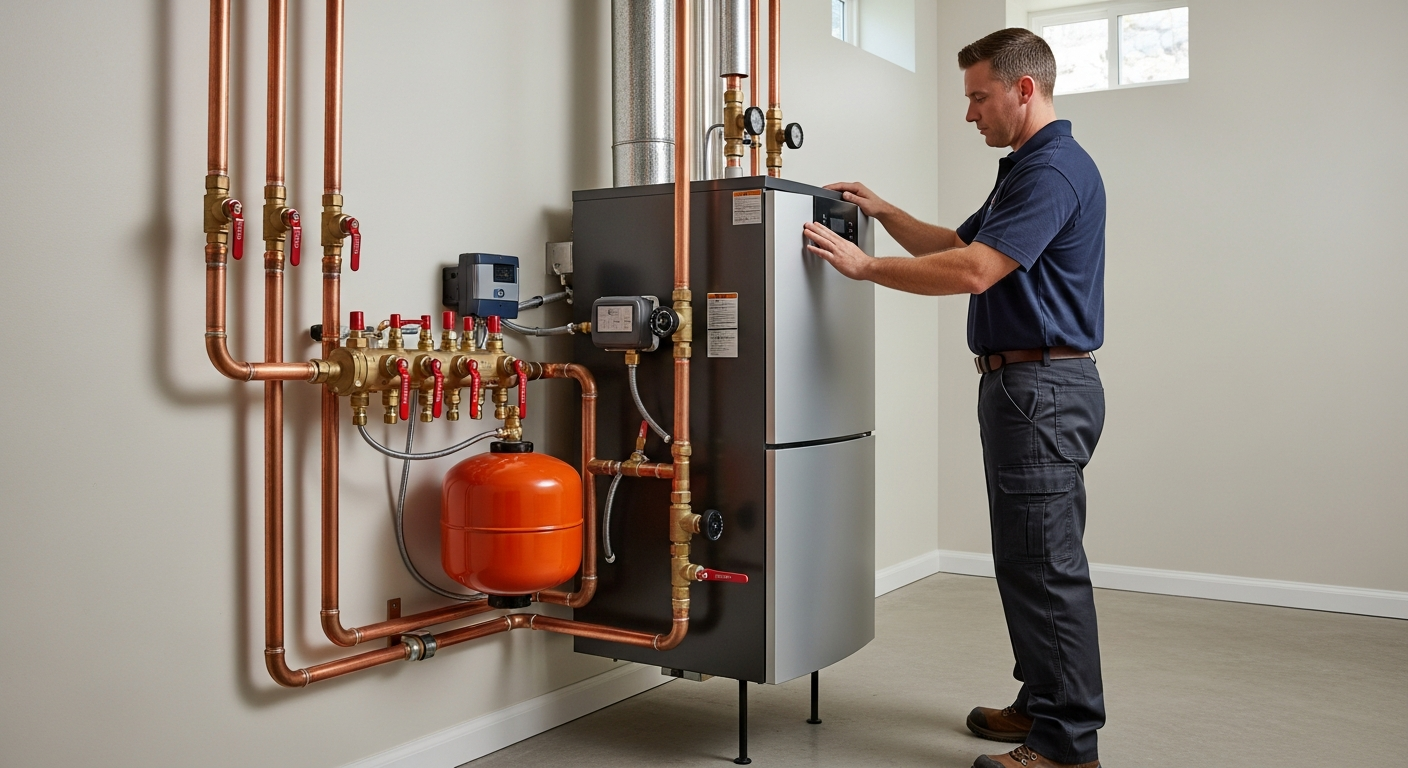
Prep your AC in spring to avoid emergency repairs
A proactive spring tune-up—half DIY, half professional—cuts breakdown risk in half and lowers cooling bills. Use our tools to decide whether to repair or replace aging equipment.
What Matters Most
- Change the air filter every 30–90 days.
- Clear 2 feet around the outdoor unit.
- Flush the condensate drain with vinegar each spring.
- Test the thermostat before hot weather hits.
- Budget $150–$500 annually for professional maintenance.
Strengths
- Prevents up to 50% of summer breakdowns
- Lowers cooling costs 5–15%
- Extends equipment life by 3–5 years
- Improves indoor air quality
- Maintains manufacturer warranty compliance
Weaknesses
- Some tasks require professional tools and training
- Neglecting pro tune-ups can void warranties
- DIY fin straightening may damage coils if done incorrectly
- Seasonal prep won't fix aging system efficiency
- Water damage from clogged drain can be costly
DIY vs. Pro Tasks Decision Summary
| Scenario | Usually do | Why |
|---|---|---|
| Filter dirty | Replace it yourself | Easy 5‑minute task, no tools needed |
| Outdoor unit clogged with debris | Hose off gently from outside | Water pressure too high can bend fins; call pro for deep clean if needed |
| AC not cooling, ice on lines | Turn off AC, call pro | Refrigerant issue or frozen coil; DIY can damage compressor |
Quick Answer
To prepare your HVAC for summer, focus on eight high-impact tasks. Replace the air filter, clear debris from the outdoor unit, flush the condensate drain line with vinegar, test your thermostat, inspect ductwork for leaks, straighten bent coils fins with a fin comb, and consider upgrading to a smart thermostat. Schedule a professional tune-up for a deep inspection of refrigerant, electrical connections, and moving parts. Use our cost estimator and repair-or-replace calculator to budget wisely.
Safety Boundaries
Safe homeowner checks & tasks
- Replace or clean air filters.
- Clear leaves and debris within 2 feet of the outdoor unit.
- Gently hose off outdoor coil (avoid high pressure).
- Straighten bent fins with a fin comb.
- Flush the condensate drain line with distilled white vinegar.
- Test thermostat operation and change batteries.
- Inspect exposed ductwork for detached insulation or obvious gaps.
- Listen for unusual noises during startup.
Pro‑only work (never DIY)
- Handling refrigerant or checking charge.
- Opening electrical compartments (capacitor, contactor, control board).
- Tightening or replacing wiring.
- Measuring motor amp draw.
- Gas furnace inspection or burner cleaning.
- Compressor diagnostics or replacement.
- Brazing or soldering refrigerant lines.
7 Steps to a Summer-Ready HVAC System
1. Replace or clean the air filter
A dirty filter is the #1 cause of reduced cooling and frozen coils. Check it monthly during heavy-use periods. Standard 1-inch filters should be changed every 30–90 days; pleated filters can go up to 90 days. Expect to spend $5–$30 per filter. For instructions, see How to Replace an AC Air Filter.
2. Clear and clean the outdoor unit
Remove weeds, grass clippings, and debris within a two-foot radius. Gently wash the coil from the outside using a garden hose on moderate pressure. Never use a pressure washer—it can bend fins and force water into electrical parts. If fins are severely matted, call a pro for a chemical clean. For a deeper clean after winter, read How to Winterize Your Outdoor AC Unit (spring prep follows similar steps).
3. Straighten bent condenser fins
Bent fins restrict airflow. Use a fin comb (about $10–$20 at hardware stores) to carefully straighten them. Work gently; aluminum fins are fragile. If more than 20% of the coil area is crushed, a professional coil cleaning and straightening is recommended. This task is safe for homeowners but requires patience.
4. Flush the condensate drain line
Locate the white PVC pipe near the indoor air handler. Pour 1 cup of distilled white vinegar down the line each spring to kill algae and mold. Follow with a cup of water after 30 minutes. If you notice water pooling around the unit or a musty smell, the drain may already be clogged—schedule a service call (typical diagnostic visit: $80–$200).
5. Test your thermostat and controls
Set the thermostat to “cool” and a temperature 5°F below the room. Listen for the fan and compressor starting. Check that all registers blow cold air. If the display is blank, replace batteries. If the AC cycles on and off rapidly (short-cycling), a pro should check for low refrigerant or an oversized system. Consider upgrading to a smart thermostat for scheduling and remote control; many utilities offer rebates.
6. Inspect visible ductwork and insulation
In attics, basements, or crawlspaces, look for disconnected ducts, crushed flex duct, or missing insulation. Seal small gaps with mastic or foil tape (not duct tape). For significant leaks, hire a pro; duct sealing costs $1,000–$2,500 on average but can cut energy loss by 20–30%. Learn more in How to Prepare Your HVAC for a Cold Snap (insulation tips apply year-round).
7. Schedule a professional maintenance visit
A licensed technician will check refrigerant pressure, test capacitors, measure amp draws, tighten electrical connections, and lubricate motors. The average cost for a standard tune-up is $80–$250. Annual service plans ($150–$500) often include priority scheduling and discounts. Use our contractor search to find local, verified pros. Booking in spring often avoids the summer rush.
Decision Guide: When to Repair vs. Replace
Use our Repair or Replace Calculator to crunch the numbers. As a rule of thumb:
- System age under 10 years with a minor repair (under $500): repair.
- Age 10–15 years and a repair over $1,500: consider replacement, especially if SEER is below 14.
- Over 15 years with any major component failure (compressor, coil): replacement is often more cost-effective long-term.
- If R-22 refrigerant (banned 2020) is needed, replacement avoids skyrocketing refrigerant costs.
Smart Tools to Make Your Decision
- HVAC Cost Estimator: See typical installation price ranges for your area and system size.
- Repair or Replace Calculator: Compare cumulative repair costs vs. a new high-efficiency unit.
- BTU Calculator: Check if your current AC is properly sized—oversized units short-cycle, undersized ones run constantly.
- Rebate Finder: Locate instant and tax-credit rebates for ENERGY STAR upgrades.
- Quote Checker: Validate a contractor’s quote against local benchmarks.
| Symptom | Likely Cause | Safe Homeowner Check | Professional Fix |
|---|---|---|---|
| No cold air, fan runs | Dirty filter, low refrigerant, frozen coil | Check filter; if dirty, replace and wait 2 hours | Refrigerant leak repair, coil cleaning |
| AC won’t turn on at all | Tripped breaker, thermostat batteries dead | Reset breaker (once), replace batteries | Capacitor or contactor replacement |
| Water around indoor unit | Clogged drain line | Flush with vinegar; if still clogged, turn off | Drain cleaning with vacuum or chemical |
| Loud buzzing or hum | Electrical fault, failed capacitor | Turn off immediately; do not attempt | Electrical diagnosis and repair |
| Ice on refrigerant lines | Low refrigerant or restricted airflow | Check filter, turn off AC, fan on | Refrigerant charge, find and fix leak |
Local Climate Tuning
Hot, humid climates (Southeast, Gulf Coast): prioritize drain line maintenance and consider a whole-home dehumidifier. Coastal areas: salt air corrodes outdoor coils; coil coatings and more frequent cleaning help. Hot, dry climates (Southwest): compressor run times are high; ensure proper refrigerant charge and consider a higher-SEER unit. Older homes: duct leakage is often severe—budget for duct sealing. Tornado-prone regions: anchor the outdoor unit and review our severe weather prep guide.
Contractor Checklist: Questions to Ask Before a Tune-Up or Repair
- Are you EPA-certified and licensed in this state? (Ask for license number)
- Do you carry liability and workers’ compensation insurance?
- What does your $XX tune-up include? (Compare checklists)
- Will you provide a written estimate before performing any paid work?
- Can you help with rebate paperwork and manufacturer warranties?
- Do you have references or recent reviews from customers in my area?
- What is your service guarantee or warranty on labor?
Always get at least two quotes for major work. Use our contractor comparison tool to see side-by-side differences.
Methodology
Cost ranges are editorial estimates compiled from industry surveys (Angi, HomeAdvisor, Fixr) and contractor interviews across U.S. regions. Actual prices depend on system size, brand, location, accessibility, permitting, and seasonal demand. All guidance is safety-oriented: homeowner tasks are limited to those that do not involve refrigerant, line voltage, gas, or sealed mechanical systems. Always consult a licensed professional for any work beyond your skill level.
Frequently Asked Questions
How often should I replace my AC filter in summer?
Check monthly. Replace standard 1-inch filters every 30–60 days during heavy use. Pleated filters can last 90 days. Homes with pets or allergies may need more frequent changes. A clogged filter increases energy use by 5–15% and can cause a frozen coil.
Can I clean the outdoor AC unit myself?
Yes—gently. Clear debris, hose off the coil from the outside, and straighten bent fins with a fin comb. Never use a pressure washer, open the unit’s cabinet, or touch electrical connections. If the coil is heavily matted or the inside needs cleaning, hire a pro.
What happens if the condensate drain line clogs?
Water can back up and overflow, causing water damage to floors, ceilings, or walls. Many units have a float switch that shuts off the AC to prevent flooding. If you see water around the air handler, turn off the system and call a technician. Flushing with vinegar each spring greatly reduces the risk.
Is an annual professional tune-up really necessary?
Yes. Even with diligent DIY care, a pro checks refrigerant levels, electrical components, and mechanical parts that influence safety and efficiency. Many manufacturers require annual professional maintenance to keep the warranty valid. The cost ($80–$250) is far less than an emergency repair.
When should I replace my air conditioner instead of repairing it?
Use our repair-or-replace calculator for a personalized result. Generally, if your system is over 15 years old, uses R-22 refrigerant, or needs a repair exceeding $2,000, replacing it with a modern, higher-SEER unit is more cost-effective. A new system also qualifies for rebates and tax credits that offset the investment.
Related articles
Connect this page to adjacent guides so readers keep moving deeper into the topic cluster.
How to Implement a Whole Home Energy Management System
Integrate smart tech and HVAC controls to cut energy waste. This guide shows how to audit, upgrade, and automate your home's energy use, with real savings estimates.

How to Set Up Thermostat Geofencing
Set up thermostat geofencing to automatically adjust home temperature as you come and go. Save energy, extend equipment life, and never return to an uncomfortable house. Get our quick-start guide now.
How to Troubleshoot Smart Thermostat WiFi Issues
Your smart thermostat offline? Most WiFi drops can be fixed with power checks, router adjustments, and simple restarts. Follow our step-by-step guide to regain remote control and energy savings.