How to Reduce Radon With Proper Ventilation
Discover how proper ventilation and HVAC strategies can significantly lower radon levels in your home, with cost guidance, decision thresholds, and a contractor checklist for safer indoor air.
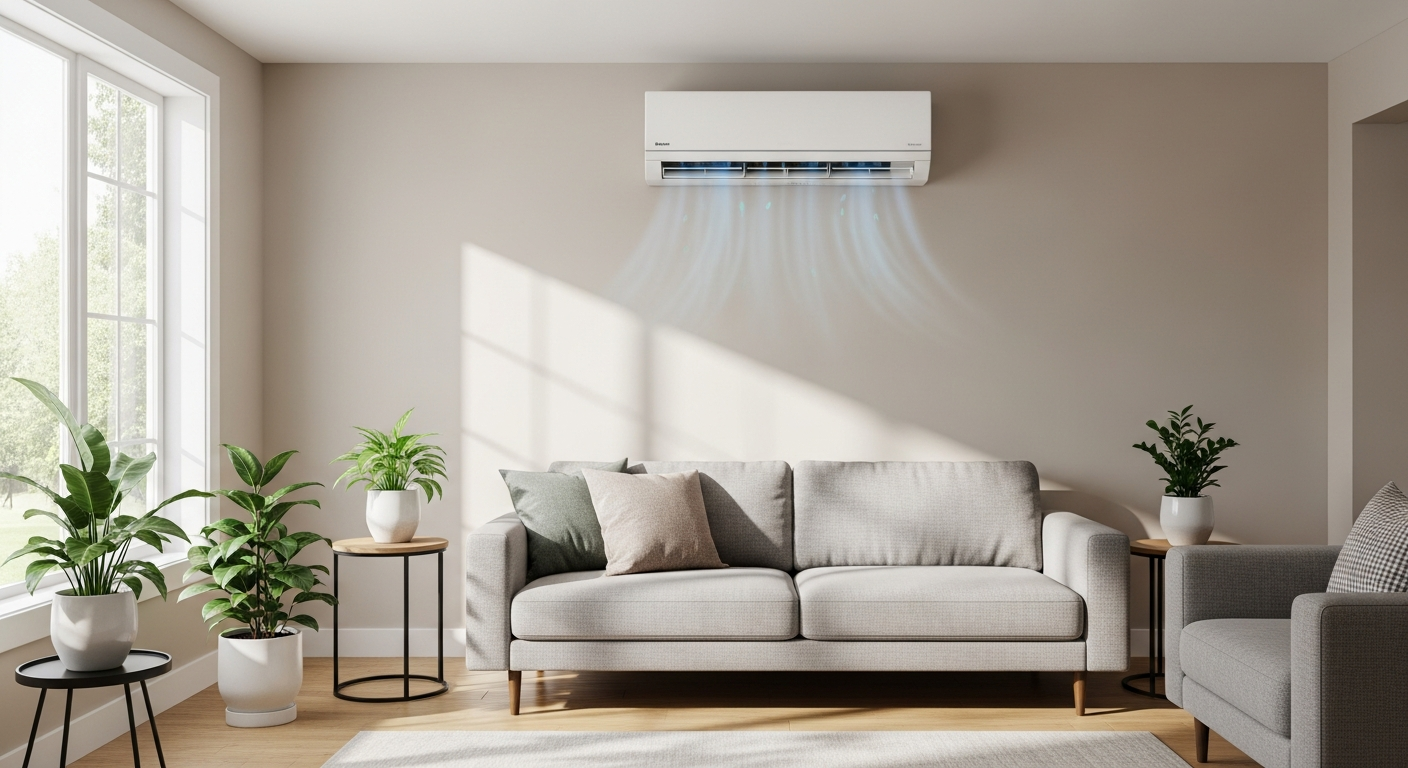
Combine Sealing with Mechanical Ventilation
For most homes, the most reliable radon reduction comes from sealing foundation entry points and installing either an active soil depressurization system or an energy recovery ventilator, depending on your home’s HVAC setup and radon levels.
What Matters Most
- Test your home’s radon levels before choosing a mitigation strategy.
- Seal foundation cracks and balance HVAC pressure as a first line of defense.
- Mechanical ventilation (ERV/HRV or ASD) provides consistent, long-term radon reduction.
- Always hire certified professionals for system installation and get a post-mitigation test.
Strengths
- Dramatically lowers lung cancer risk from radon exposure.
- Improves overall indoor air quality and comfort.
- Modern ERV/HRV systems recover energy, minimizing utility bill impact.
- Professional ASD systems are highly effective and come with monitoring.
Weaknesses
- Upfront installation cost can be significant ($800–$4,000).
- ERV/HRV systems require regular filter and core maintenance.
- ASD fans consume electricity and produce slight noise.
- Not all homes are easily sealed; older foundations may need extensive work.
Radon Mitigation Decision Summary
| Scenario | Usually do | Why |
|---|---|---|
| Radon 2–4 pCi/L | Seal cracks; improve natural ventilation; retest | Below EPA action level but still some risk. |
| Radon ≥4 pCi/L (newer home) | Install Active Soil Depressurization (ASD) | Draws radon from below the slab before it enters; proven method. |
| Radon ≥4 pCi/L (home with ERV-compatible HVAC) | Add ERV for balanced ventilation + sealing | Controlled fresh air dilutes radon while preserving energy. |
| Older home with leaky ducts | Seal ducts first; then reassess radon & ventilation needs | Leaky ducts create negative pressure, pulling radon in. |
Quick Answer: How to Reduce Radon with Ventilation
Start with a radon test. If levels are high (≥4 pCi/L), combine foundation sealing with mechanical ventilation: an Energy Recovery Ventilator (ERV) or active soil depressurization system. For existing HVAC systems, ensure balanced air pressure and sealed ductwork. Never rely on opening windows alone—it’s inconsistent and can backfire. Professional installation is essential for most mitigation systems.
Radon Mitigation Methods: A Comparison Table
| Method | Typical Cost Range | Best For | Limitations |
|---|---|---|---|
| Foundation crack sealing | $200–$800 (DIY or pro) | Minor entry points | Does not stop soil gas pressure |
| Natural ventilation (windows) | $0 | Temporary relief | Unreliable; can increase radon via stack effect |
| Active soil depressurization (ASD) | $800–$2,500 | Most single-family homes | Requires professional design; slight noise |
| ERV or HRV | $1,500–$4,000 installed | Homes needing balanced fresh air | Higher upfront cost; regular maintenance |
| Duct sealing & pressure balancing | $300–$1,500 | Homes with forced-air HVAC | Does not remove radon source |
Editorial cost ranges: actual costs vary by location, system size, and home layout. Use our HVAC cost estimator for tailored guidance.
Step-by-Step Decision Tree
- Test your home with a short-term kit (~$15–$30) or hire a professional ($100–$200).
- If levels are 2–4 pCi/L: Consider sealing cracks, improving natural airflow, and retesting. EPA suggests action if ≥4 pCi/L but lower levels still pose risk.
- If levels are ≥4 pCi/L: Move to mechanical mitigation.
- For homes with forced-air HVAC: Inspect ductwork (see our ductwork guide). Seal leaks, then reassess radon levels.
- If radon remains high, install an active soil depressurization system or an ERV/HRV. Choose ASD if radon enters mainly from the foundation; choose ERV/HRV if you need whole-house ventilation for air quality.
- After mitigation, retest within 30 days and annually thereafter.
Safety Boundaries: What Homeowners Can and Cannot Do
Safe Homeowner Checks & Maintenance
- Test for radon using EPA-approved kits.
- Seal visible foundation cracks with polyurethane caulk.
- Replace HVAC filters regularly (see filter guide).
- Keep interior doors open to maintain balanced air pressure.
- Operate existing bathroom and kitchen exhaust fans intermittently; ensure they vent outdoors.
- Inspect ductwork visually for disconnections; report to a pro.
Work Requiring a Licensed Professional
- Active soil depressurization installation: Involves drilling through the slab, piping, and an inline fan. HVAC or radon certification required.
- ERV/HRV integration: Must be sized correctly and connected to existing ductwork by an HVAC technician.
- Duct modifications or sealing of inaccessible ductwork: Requires knowledge of pressure dynamics and may involve refrigerant line adjustments if the system is modified.
- Balancing HVAC airflow: Technicians use specialized tools to measure and adjust static pressure.
- Any work involving electrical wiring, gas lines, or refrigerant.
Contractor Checklist: Questions to Ask Before Hiring
- Are you certified in radon mitigation by NRPP or a state program?
- Will you perform a diagnostic test before and after installation?
- What type of system do you recommend for my home—ASD or ERV—and why?
- Can you provide a detailed quote including all materials, labor, and warranty?
- Does the system include a manometer (pressure gauge) for monitoring?
- How will you address energy efficiency and potential utility bill changes?
- What maintenance do you recommend, and can you offer a service plan?
- Do you have references from similar homes in my area?
Find trusted contractors through HVACDatabase’s search and compare quotes with our Quote Checker tool.
Local Climate Considerations
- Cold climates (e.g., Chicago, Minneapolis): An HRV is preferable because it recovers heat without adding humidity. Seal any rim joists and basement walls to prevent frost buildup.
- Hot, humid climates (e.g., Houston, Miami): An ERV helps control indoor moisture while bringing in fresh air. Ensure your AC can handle the latent load; consider a whole-home dehumidifier.
- Coastal or high-humidity areas: Excess moisture can worsen radon issues by increasing soil gas transport. Use a vapor barrier in crawlspaces and an ERV.
- Older homes (pre-1970): Often have leaky ductwork and porous foundations. Prioritize duct sealing and ASD; ERVs may require significant duct retrofitting.
Link to HVACDatabase Tools
Make informed decisions with our calculators: HVAC Cost Estimator – get rough pricing for ERV/HRV or mitigation work. Repair or Replace Calculator – decide if your existing ventilation equipment is worth fixing. Quote Checker – validate contractor bids. Rebate Finder – see if energy-efficient ventilation qualifies for local incentives.
Methodology: How We Create Cost Estimates
Our editorial cost ranges are based on aggregated data from HVACDatabase’s network of contractors, industry surveys, and published pricing databases. They represent typical project costs for most U.S. metro areas and account for standard equipment, labor, and permits. Actual prices depend on factors like local labor rates, system brand, home layout, and seasonal demand. Always get at least three quotes. Use our cost estimator for personalized ranges.
Frequently Asked Questions
What is a safe radon level?
No radon level is absolutely safe, but the EPA recommends action at 4 pCi/L or higher. The average indoor level is about 1.3 pCi/L; outdoor air averages 0.4 pCi/L. Mitigation can often reduce levels below 2 pCi/L.
Does opening windows really help?
Temporarily, but it’s not a reliable long-term solution. Opening windows can reduce radon by dilution, but once closed, levels rebound. In some cases, the stack effect in colder weather can pull more radon in when windows are open on upper floors. Mechanical ventilation provides consistent pressure control.
How much does a typical radon mitigation system cost?
Active soil depressurization systems range from $800 to $2,500 installed. An ERV or HRV integration into existing ductwork costs $1,500 to $4,000. Sealing cracks as a DIY project might cost under $100 in materials. Use our cost estimator for a personalized range.
Can I install a radon fan myself?
We strongly recommend professional installation. A radon mitigation system involves drilling through your home’s foundation, properly sizing and placing a fan, running piping, and ensuring the discharge point is safe. Mistakes can lead to system failure, health hazards, or building code violations. See our contractor comparison page to evaluate pros.
Will an ERV eliminate radon completely?
An ERV dilutes radon by replacing indoor air with outdoor air, but it is not a dedicated radon removal system. In many homes, it can reduce radon levels by 50% or more when paired with sealing. For very high radon levels, an active soil depressurization system is often more effective and may be needed in addition.
Related articles
Connect this page to adjacent guides so readers keep moving deeper into the topic cluster.
How to Implement a Whole Home Energy Management System
Integrate smart tech and HVAC controls to cut energy waste. This guide shows how to audit, upgrade, and automate your home's energy use, with real savings estimates.

How to Set Up Thermostat Geofencing
Set up thermostat geofencing to automatically adjust home temperature as you come and go. Save energy, extend equipment life, and never return to an uncomfortable house. Get our quick-start guide now.
How to Troubleshoot Smart Thermostat WiFi Issues
Your smart thermostat offline? Most WiFi drops can be fixed with power checks, router adjustments, and simple restarts. Follow our step-by-step guide to regain remote control and energy savings.