How to Reduce VOCs in Your Home
Cut indoor VOCs with source control, activated carbon filtration, and smart ventilation. Learn safe DIY checks, when to call a pro, and local climate tips.
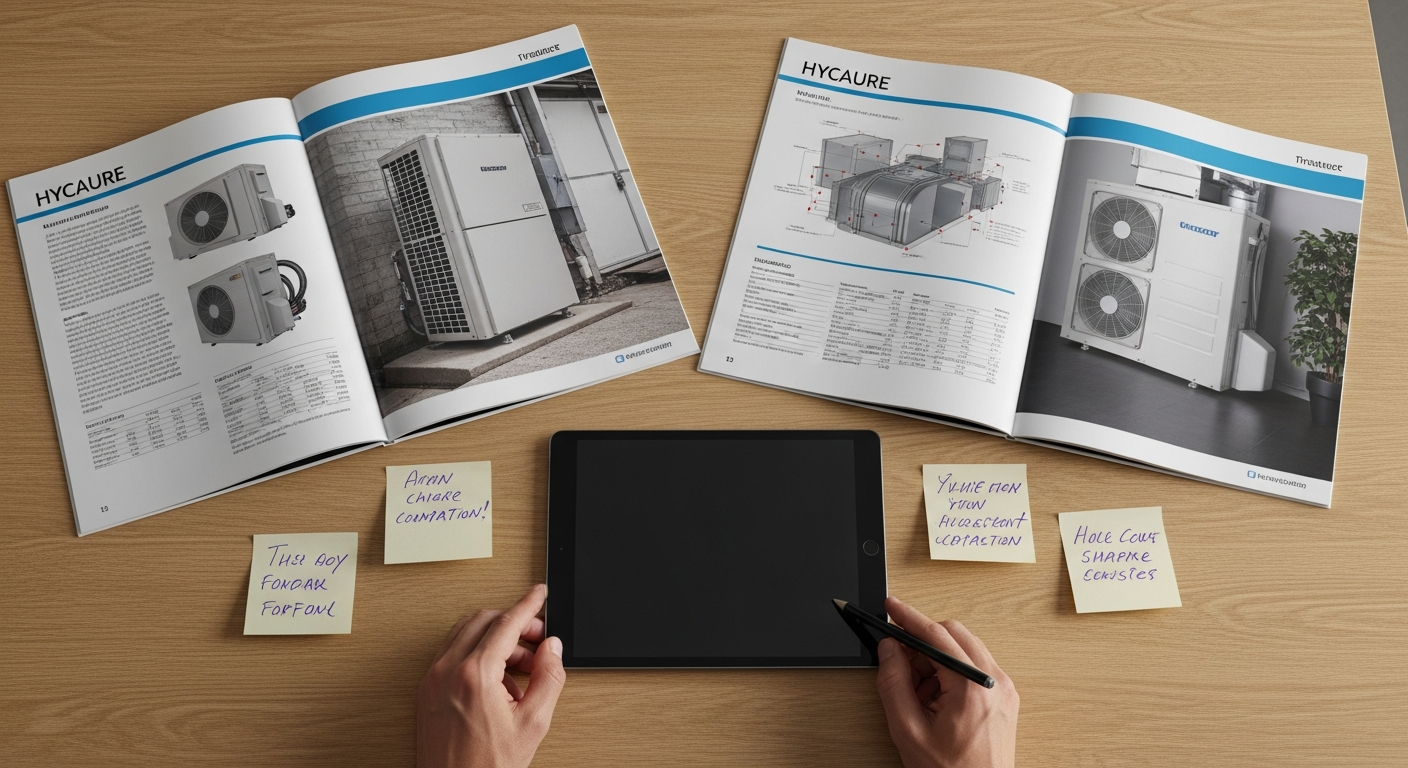
Source control and ventilation trump gadgets; invest in whole‑home solutions when simple measures fail.
Start with removing VOC sources, increasing natural ventilation, and using low-cost activated carbon portables. Only escalate to whole‑house purification or ERV/HRV when monitoring or symptoms show persistent problems.
What Matters Most
- VOC reduction follows a hierarchy: Source removal > ventilation > filtration > humidity control.
- Portable air purifiers work for single-room off-gassing; whole‑home systems are for dispersed or stubborn sources.
- Keep relative humidity between 40–50% to slow off‑gassing and improve comfort.
- DIY maintenance is limited to filters, grilles, and portable monitors; all electrical/duct modifications need a licensed pro.
- Use an air quality monitor with TVOC reading to verify progress and guide when to call a contractor.
Strengths
- Layered defense: simple, free habits first; equipment only when needed – protects budget and health.
- Threshold-based decisions reduce guesswork and prevent unnecessary spending.
- Local climate‑specific advice avoids one‑size‑fits‑all mistakes (e.g., forgetting about humidity load).
- Contractor checklist empowers homeowners to vet professionals and avoid overselling.
- Combining source control with HVAC upgrades yields the fastest and most durable VOC reduction.
Weaknesses
- Whole‑home solutions carry higher upfront costs ($1,200–$5,000) and may require electrical or duct changes.
- Activated carbon filters need periodic replacement; long‑term operational cost adds up.
- ERV/HRV installations in older homes may reveal hidden duct issues that inflate project cost.
- Air quality monitors vary in accuracy; cheaper TVOC sensors may drift and give false reassurance.
- In very mild climates, continuous mechanical ventilation increases energy use without added benefit if windows are already open.
Decision Summary
| Scenario | Usually do | Why |
|---|---|---|
| New furniture or paint in one room | Ventilate + portable carbon purifier for 2–4 weeks | Temporary high off‑gassing; low‑cost, effective stopgap |
| Persistent odor in multiple rooms | Whole‑home air purifier or ERV/HRV | Continuous filtration and fresh air exchange for whole house |
| Bathroom/kitchen VOC from cleaners | Run exhaust fan; switch to low‑VOC products | Exhaust removes contaminants at source – cheapest solution |
| Attached garage fumes | Seal door; install garage exhaust fan | Prevents fume infiltration and reduces risks of carbon monoxide |
| High humidity (RH >60%) | Add dehumidifier (portable or whole‑house) | Lowering humidity slows VOC release and prevents mold |
Introduction
Volatile organic compounds (VOCs) are invisible gases from paint, cleaners, furniture, and building materials. They cause headaches, dizziness, and long‑term respiratory issues. This guide gives homeowners a decision path: when simple habits work, when to spend on equipment, and how to hire the right pro. Below, find a quick answer, comparison table, DIY safety rules, cost tools, and contractor questions.
Quick Answer
- Open windows for 15–30 minutes daily, even in winter.
- Run bath and kitchen exhaust fans during and after use.
- Use portable air purifiers with activated carbon for single‑room off‑gassing.
- Keep indoor humidity between 40–50% with dehumidifiers or HVAC adjustments.
- Upgrade to MERV 13 HVAC filters and change every 60–90 days (more often with pets or dust).
- Consider a whole‑home air purifier or ERV/HRV for persistent odors or multiple VOC sources.
- Replace VOC‑heavy products with “Low‑VOC” or “No‑VOC” alternatives.
Decision Table: Choosing the Right VOC Reduction Approach
| Scenario | Usually Do | Why | Typical Cost (Editorial Estimate) |
|---|---|---|---|
| New carpet, paint, or furniture in one room | Open windows, run a portable air purifier with carbon + HEPA in that room for 2–4 weeks. | High initial off‑gassing peaks then declines; temporary ventilation often enough. | $150–$500 for a portable purifier; free by opening windows |
| Persistent chemical odors in multiple rooms | Install a whole‑home air purifier (activated carbon + MERV 13) in the HVAC system or an ERV/HRV. | Continuous whole‑house filtration and fresh‑air exchange address dispersed sources. | $1,200–$2,800 installed for purifier; $2,500–$5,000 for ERV/HRV |
| Cleaning or cosmetic VOCs in bath/kitchen | Use low‑VOC cleaners; always run exhaust fan. Upgrade to a higher‑CFM fan if sluggish. | Source‑removal at point of emission prevents whole‑house spread. | $0–$30 for cleaner switches; $200–$600 for fan replacement (pro install) |
| Attached garage fumes | Seal door, install a garage exhaust fan, and store chemicals in a detached shed. | Garage VOCs infiltrate through door gaps; positive‑pressure or exhaust cuts migration. | $50–$200 for sealing; $400–$1,200 for garage fan installation |
| High humidity (RH >60%) increasing VOC concentration | Add a whole‑house dehumidifier or a portable unit in problem zones. | Lower humidity slows off‑gassing and improves comfort. | $150–$300 portable; $1,800–$3,500 whole‑house dehumidifier |
Safety Boundaries: What You Can Check vs. What Requires a Pro
Safe Homeowner Actions
- Inspect visible mold, dust, and humidity levels using a thermo‑hygrometer.
- Change HVAC filters (1‑inch pleated or 4‑inch media) — no tools needed on most units.
- Clean return‑air grilles and supply registers with a vacuum.
- Check outdoor intake vents for debris or vegetation blockage.
- Use portable indoor air quality monitors (TVOC, CO₂, PM2.5) to track trends.
- Open windows, run bath/kitchen exhaust fans, and switch to low‑VOC products.
Pro‑Only Work
Do not attempt any modification involving electrical wiring, duct redesign, refrigerant lines, gas connections, high‑voltage components, or combustion appliances. Specifically, let a licensed HVAC contractor handle:
- Installation of whole‑home air purifiers, UV sanitizers, ERV/HRV, or attic/garage exhaust fans that require new wiring or duct connections.
- Blower door testing, duct leakage measurements, and airflow balancing.
- Sealed‑system diagnosis (compressor, coils, refrigerant) or combustion appliance service.
- Any task that involves opening an electrical panel or working inside the air handler cabinet.
Cost Guidance & Tools
Editorial estimates above reflect typical market ranges. Actual prices vary by system size, region, access, and season. Use HVACDatabase tools to build your budget:
- HVAC Cost Estimator — get ballpark figures for purifier, ERV, or ductwork.
- Repair or Replace Calculator — decide if upgrading old HVAC makes sense.
- BTU Calculator — size dehumidifiers or supplemental heating/cooling.
- Rebate Finder — see if local utilities offer credits for IAQ upgrades.
- Contractor Comparison — evaluate bids and credentials.
Decision Rules & Thresholds
Follow this priority when deciding next steps:
- Source control first — If you can identify and remove the VOC source (new furniture, half‑used paint cans, air fresheners), do it immediately. This is free and most effective.
- Ventilation — If outdoor air is clean, increase natural or mechanical ventilation. Target an air change rate (ACH) of at least 0.35, ideally 0.5 or higher during off‑gassing events.
- Filtration — If odors persist, add activated carbon filtration. For whole‑house coverage, install an in‑duct purifier; for single room, use a portable unit with ≥2 lbs of carbon.
- Humidity control — Maintain relative humidity (RH) between 40–50% (higher than 60% accelerates VOC release). Use a dehumidifier if needed.
When to involve a pro: If a portable air quality monitor shows total VOC (TVOC) levels >500 ppb consistently, or if you have respiratory symptoms despite the above steps.
Contractor Checklist
Before hiring, ask these questions:
- Are you licensed and insured in our state? (Verify on your state’s licensing board.)
- Will you perform a blower‑door test or airflow measurement to size the ventilation equipment?
- What is the Clean Air Delivery Rate (CADR) for gases or the thickness of the carbon filter you recommend?
- How do you calculate the required ventilation rate (ASHRAE 62.2 standard)?
- Will there be any ductwork modifications? How will they be sealed and balanced?
- Can you provide a detailed written scope and cost breakdown, including electrical and permit fees?
- Do you offer annual maintenance plans for IAQ equipment?
- Can you provide local references for similar IAQ installations?
Use HVACDatabase’s contractor search to find and vet pros near you.
Climate & Home‑Age Considerations
- Hot, humid climates — Introducing outdoor air raises moisture load. Pair ventilation with a whole‑house dehumidifier or an ERV that transfers moisture. Read our ERV vs HRV guide.
- Cold climates — Use an HRV to recover heat while exchanging air. Seal any attic bypasses that draw garage or crawlspace VOCs into the home.
- Coastal regions — Salt and humidity demand more frequent filter changes (every 30–45 days) and corrosion‑resistant components.
- Older homes — Duct leakage can pull VOCs from basements, attics, and wall cavities. Have ductwork inspected and sealed before adding whole‑house equipment.
- High‑altitude — Reduced air density affects fan performance; let a pro recalculate airflow requirements.
Methodology
Cost ranges are editorial estimates based on typical installed prices gathered from HVACDatabase contractor data, third‑party surveys, and 2024 market analysis. They include materials and labor where noted but exclude unique permitting, structural repairs, or emergency premiums. Always obtain at least three binding quotes. This article does not constitute engineering advice; use a qualified IAQ professional for final recommendations.
Frequently Asked Questions
1. How long does it take for VOC levels to drop after using a purifier?
Noticeable reduction often occurs within hours, but full stabilization depends on room size and filter capacity. For a 300 sq. ft. room, a portable unit with 2 kg of activated carbon can cut TVOC by 50% in 60–90 minutes; whole‑home systems may take days to reach steady state.
2. Can I use an ozone generator to remove VOCs?
No. Ozone generators create harmful lung irritants and can react with VOCs to produce secondary pollutants like formaldehyde. The EPA and ASHRAE advise against using them in occupied spaces.
3. Do houseplants significantly reduce VOCs?
While some studies show plants can remove trace VOCs, the effect is minimal in typical homes. To match the air purifier’s performance, you would need an impractical number of plants. Rely on ventilation and carbon filtration instead.
4. How often should I replace activated carbon filters?
Carbon becomes saturated over time. Most portable units recommend every 3–6 months; whole‑home canisters last 12–24 months. If you notice odor breakthrough or rising TVOC readings, replace sooner. Follow manufacturer guidelines and your indoor air quality monitor’s trend.
5. Are formaldehyde and other VOCs from building materials covered by the same filter?
Yes, activated carbon adsorbs formaldehyde and many other VOCs. However, formaldehyde is a very small molecule; look for filters with specialized carbon impregnated with potassium permanganate (often labeled “formaldehyde removal”) for better efficiency. Whole‑home purifiers that include this media are available from main IAQ brands.
Related articles
Connect this page to adjacent guides so readers keep moving deeper into the topic cluster.
How to Implement a Whole Home Energy Management System
Integrate smart tech and HVAC controls to cut energy waste. This guide shows how to audit, upgrade, and automate your home's energy use, with real savings estimates.

How to Set Up Thermostat Geofencing
Set up thermostat geofencing to automatically adjust home temperature as you come and go. Save energy, extend equipment life, and never return to an uncomfortable house. Get our quick-start guide now.
How to Troubleshoot Smart Thermostat WiFi Issues
Your smart thermostat offline? Most WiFi drops can be fixed with power checks, router adjustments, and simple restarts. Follow our step-by-step guide to regain remote control and energy savings.