How to Reduce Your HVAC Carbon Footprint
Cut home carbon emissions by up to 40% with HVAC efficiency steps: filter changes, equipment upgrades, duct sealing, smart thermostats, and heat pumps. Use our tools to estimate savings.
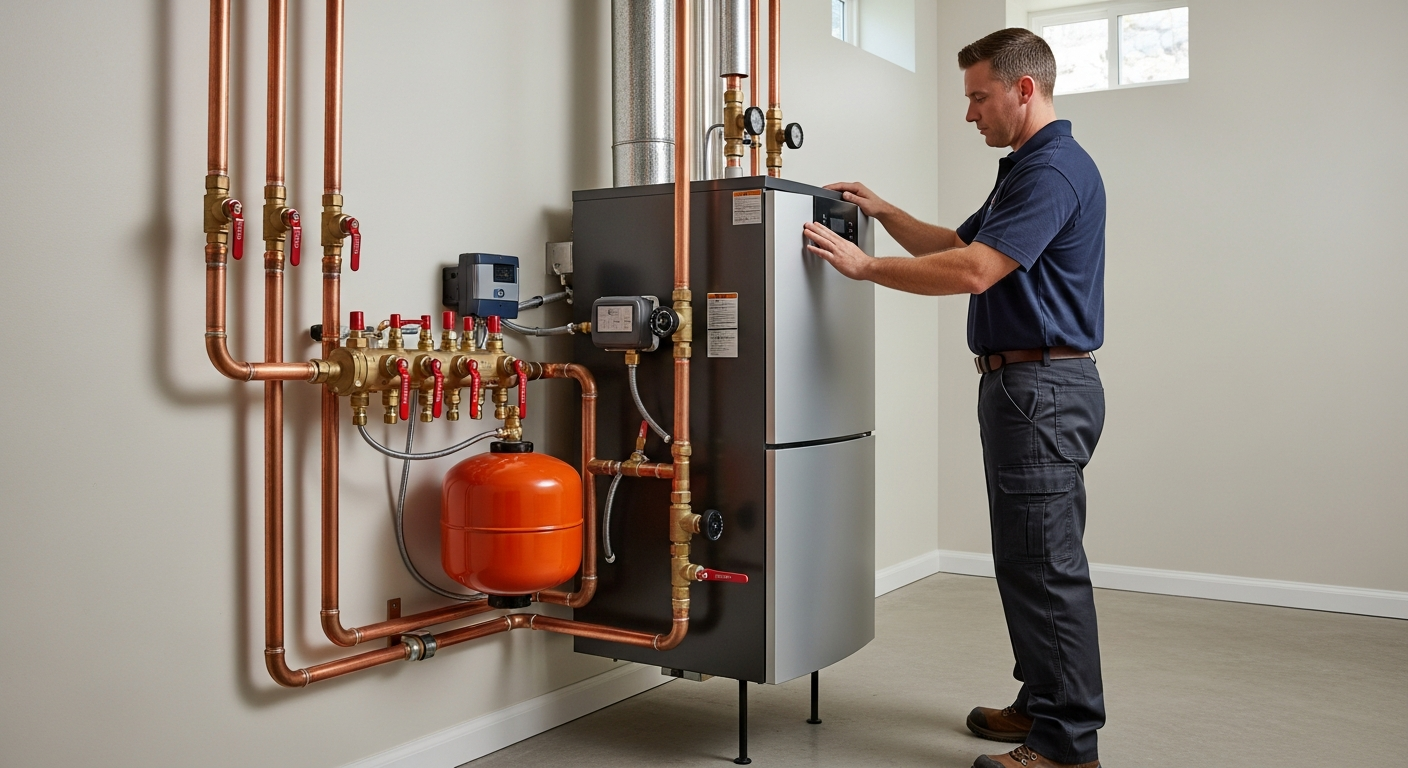
Upgrade, Seal, and Electrify: Your HVAC Carbon Reduction Path
To slash HVAC emissions, replace aging equipment with high-efficiency models, seal ducts and envelope leaks, and transition from gas to electric heat pumps where possible. Smart thermostats and diligent filter changes amplify savings at low cost.
What Matters Most
- Swap to a high-SEER2 AC or cold-climate heat pump to cut cooling/heating energy use by 20-50%
- Seal and insulate – up to 30% of air can be lost through leaks
- Install a programmable or smart thermostat and set back temps when away or asleep
- Replace filters every 1-3 months for minimal effort and immediate savings
- Work with a qualified contractor who performs load calculations and duct testing
Strengths
- Proven strategies with rapid payback (filter changes, thermostat setbacks pay off in months)
- High-efficiency equipment delivers lasting carbon and dollar savings
- Many utilities offer rebates and tax incentives to offset upgrade costs
- Heat pumps eliminate direct fossil fuel combustion at home, improving indoor air quality
Weaknesses
- Upfront cost of new equipment can be high ($4,000–$12,000+ for heat pumps), though financing and rebates help
- Heat pump performance may dip in extreme cold without a backup system, requiring careful sizing
- Duct sealing and insulation upgrades can be invasive and costly if existing ducts are inaccessible
- Savings vary with climate, home layout, and occupant behavior; not all homes will see 50% cuts immediately
Decision Summary
| Scenario | Usually do | Why |
|---|---|---|
| Old system (15+ years) | Replace with Energy Star high-efficiency unit | Avoids frequent breakdowns and cuts energy use by up to 40% |
| Leaky ducts | Seal with professional testing | Can recover 20-30% of lost air, improving comfort |
| Gas furnace | Consider heat pump + backup | Eliminates direct fossil fuel use; check rebates |
| No programmable thermostat | Install smart thermostat | 10-15% annual savings with automatic setbacks |
| High summer humidity | Variable-speed AC or heat pump | Better dehumidification reduces need for lower setpoints |
Quick Answer: How to Shrink Your HVAC Carbon Footprint
These steps, ordered from zero-cost actions to larger investments, can reduce your HVAC-related emissions by 20–50%:
- Change air filters every 1–3 months
- Program a setback schedule on your thermostat
- Seal visible air leaks around windows and doors
- Have ducts professionally sealed
- Schedule annual professional maintenance
- Upgrade to an Energy Star high-efficiency system
- Switch from gas heat to an electric heat pump
Why Your HVAC System Matters
Heating and cooling consume nearly 50% of the average home’s energy, according to the U.S. Energy Information Administration. That makes your HVAC system the largest controllable contributor to household carbon emissions. Fortunately, proven efficiency measures can slash your footprint while lowering bills and improving comfort – often without a major lifestyle change.
Step 1: Optimize Your Existing System
Before replacing equipment, maximize what you have.
Maintenance You Can Do Yourself
- Change the air filter regularly. A dirty filter forces the blower to work harder, increasing energy use by 5–15%.
- Keep outdoor units clear of debris, leaves, and overgrown plants to allow proper airflow.
- Inspect supply and return registers; vacuum them to maintain airflow.
- During cooling season, check the condensate drain line for clogs by observing if the overflow safety switch is triggered (if equipped) or if there is water around the indoor unit.
Professional Maintenance
Annual tune‑ups (typically $80–$250 per visit, with plans often $150–$500 per year) catch small issues before they waste energy. A pro will check refrigerant charge, clean coils, tighten electrical connections, and verify system performance. Use our contractor finder to locate a licensed technician.
Step 2: Seal and Insulate
Even the best HVAC equipment cannot overcome leaks. Up to 30% of conditioned air escapes through gaps in ducts and envelopes.
Duct Sealing
Hire a pro to test and seal ducts with mastic or aerosol sealant. Expect to pay $1,000–$2,500, with a typical payback of 2–5 years. DIY options (like foil tape) are temporary and often ineffective for hidden leaks. Learn more in our guide: How to Seal Air Leaks.
Home Envelope
Add attic insulation to recommended R‑value for your climate, and seal gaps around windows, doors, and penetrations. A professional energy audit uses blower‑door tests and infrared cameras to pinpoint trouble spots.
Step 3: Smart Controls
Heating and cooling an empty house wastes energy. A programmable or smart thermostat automatically adjusts temperatures when you’re away or asleep.
| Thermostat Type | Cost | Typical Savings | Features |
|---|---|---|---|
| Programmable (7‑day) | $25–$60 | 5–10% | Fixed schedule |
| Smart thermostat | $100–$300+ | 8–15% | Learning, geofencing, demand‑response |
Smart models can also participate in utility programs that shift usage to cleaner energy times. Check your local utility for incentives, often $50–$150 toward a smart thermostat.
Step 4: Upgrade to High‑Efficiency Equipment
When your current system is over 15 years old or needs a major repair, replacement often yields the biggest carbon reduction.
What to Look For
- Air Conditioners: Minimum SEER2 of 15; in hot climates aim for 18+.
- Heat Pumps: HSPF2 of 8.5+ for cold climates; look for Energy Star Cold Climate designation.
- Furnaces: Annual Fuel Utilization Efficiency (AFUE) of 95%+ if staying with gas.
Consult our Repair or Replace calculator to weigh costs against efficiency gains.
Step 5: Consider a Heat Pump
Switching from a gas furnace to an electric heat pump can eliminate direct fossil fuel combustion in your home. Modern units operate efficiently below 0°F, and many models now meet Energy Star Cold Climate criteria. Upfront cost ranges $8,000–$15,000, but federal tax credits (up to $2,000) and utility rebates significantly offset the price. Use our rebate finder to see local incentives. If you need financing, compare pros through our contractor comparison platform.
Safety Boundaries
These tasks are safe for most homeowners to perform:
- Changing air filters
- Cleaning supply/return grilles
- Clearing debris from around outdoor unit
- Adjusting thermostat schedules
- Visually inspecting for ice on coils (if seen, call a pro)
- Checking condensate drain line for clogs (if accessible without opening electrical panels)
- Listening for unusual noises or vibration – but call a professional to diagnose internal causes
Only licensed HVAC technicians should handle:
- Refrigerant charge, leak repair, or conversion
- Any gas line or combustion work
- Electrical component testing or replacement (capacitors, contactors, control boards)
- Opening sealed system or cabinet areas that expose high‑voltage wiring
- Compressor or fan motor replacement
- Duct leak testing that involves air injection or sealing inside walls
Improper DIY can cause injury, void warranties, and increase emissions through system damage.
Tools to Estimate Your Savings
Crunch the numbers before you spend:
- Energy Calculator – Estimate how much your current system costs and compare upgrade scenarios.
- Rebate Finder – Discover utility rebates, tax credits, and incentives by zip code.
- Repair or Replace Calculator – Determine if a repair is worth it based on age, cost, and efficiency.
- HVAC Cost Estimator – Get localized, project‑specific pricing estimates.
Decision Rules: When to Act
Use these thresholds to guide your investment:
- Repair if: System is under 10 years old, repair cost is less than 20% of a new unit, and current SEER is above 13. Use repair or replace calculator.
- Replace if: System is over 15 years old, uses R‑22 refrigerant (phased out), or annual repair bills exceed $500.
- Switch to heat pump if: You have a gas furnace over 15 years old, live in a climate with moderate winters, and can access rebates. Evaluate with energy calculator.
- Seal ducts first if: Rooms are unevenly hot/cold, or previous energy audit shows >20% leakage.
Contractor Checklist
Ask these questions before hiring:
- Will you perform a Manual J load calculation to size equipment correctly?
- Do you offer duct leak testing and sealing?
- What SEER2 / HSPF2 ratings do you recommend for our home?
- Are you familiar with local rebate programs and do you handle paperwork?
- Can you integrate a smart thermostat with the new system?
- For heat pumps: Do you have cold‑climate experience? What backup heat do you recommend?
- Will you provide a written quote that includes equipment model numbers and efficiency ratings?
Local & Climate Considerations
- Hot, dry climates (Southwest): Maximize SEER2 (18+). Consider two‑stage or variable‑speed compressors for cooler, more efficient operation. Use shading for outdoor unit.
- Hot, humid climates (Southeast): Variable‑speed units improve dehumidification. Choose a heat pump with good latent heat removal.
- Cold climates (Midwest, Northeast): Cold‑climate heat pumps (HSPF2 ≥ 9.5) are viable even in sub‑zero conditions. Ensure backup heat (often electric resistance) is sized appropriately.
- Coastal areas: Select corrosion‑resistant coils (e.g., aluminum) due to salt air.
- Older homes: Electrical panel may need an upgrade for heat pump installation; include this in your budget.
Methodology
Our recommendations are based on:
- U.S. Department of Energy appliance standards and Energy Star criteria.
- ASHRAE guidelines for residential load calculation and duct leakage.
- Industry surveys of contractor pricing (2023‑2024) aggregated regionally. Cost ranges are editorial estimates and not guaranteed quotes; actual prices vary by location, system size, and installation complexity.
- Emissions calculations assume national average grid intensity, with sensitivity to regional grids. Always check local utility fuel mix for more precise carbon reduction.
Frequently Asked Questions
How often should I change my HVAC filter?
For a typical 1‑3 inch disposable filter, every 1–3 months. If you have pets, allergies, or live in a dusty area, check monthly. A clogged filter can increase energy use by 5–15%. Set a reminder or use a smart thermostat that tracks runtime and alerts you. Always turn the system off before changing the filter.
Do smart thermostats really save energy and cut carbon?
Yes. Independent studies show savings of 8–15% on heating and cooling bills when using automatic setbacks and learning features. Models that integrate with utility demand‑response programs can shift usage to times when the grid is cleaner, further reducing your carbon footprint. Pair with a ceiling fan to feel cooler at higher thermostat settings; read our guide on ceiling fans.
Is a heat pump actually greener than a gas furnace?
For most U.S. households, yes. Heat pumps move heat rather than create it, achieving efficiencies of 200–400%. Even on today’s electricity grid, they often produce fewer total carbon emissions than a high‑efficiency gas furnace. As the grid adds more renewables, the advantage grows. In very cold regions, choose a cold‑climate heat pump with a HSPF2 rating of 9.5 or higher and keep a backup source for extreme events. Learn more about energy labels: How to Read Your HVAC Energy Label.
How much can I save by sealing my ducts?
Duct leakage can waste 20–30% of conditioned air. Professional sealing typically recovers most of that loss, lowering HVAC energy use by 10–25% and increasing comfort. Costs range $1,000–$2,500, with a payback period of 2–5 years. For greatest impact, combine duct sealing with whole‑home air sealing as part of a professional energy audit.
What rebates are available for energy‑efficient HVAC upgrades?
Federal tax credits under the Inflation Reduction Act cover up to $2,000 for heat pumps (25C) and up to $1,200 for insulation, windows, and duct sealing per year. State and utility programs often add hundreds more. Use our rebate finder tool to see what’s active in your ZIP code. Many contractors also handle rebate paperwork, so ask during your estimate.
Next Steps
Take the first action this week:
- Change your air filter if it’s been more than three months.
- Set your thermostat to energy‑saving temperatures (e.g., 78°F cooling, 68°F heating).
- Use our energy calculator to estimate your current HVAC carbon footprint.
- Search for a qualified contractor to discuss sealing, maintenance, or upgrade options.
Related articles
Connect this page to adjacent guides so readers keep moving deeper into the topic cluster.
How to Implement a Whole Home Energy Management System
Integrate smart tech and HVAC controls to cut energy waste. This guide shows how to audit, upgrade, and automate your home's energy use, with real savings estimates.

How to Set Up Thermostat Geofencing
Set up thermostat geofencing to automatically adjust home temperature as you come and go. Save energy, extend equipment life, and never return to an uncomfortable house. Get our quick-start guide now.
How to Troubleshoot Smart Thermostat WiFi Issues
Your smart thermostat offline? Most WiFi drops can be fixed with power checks, router adjustments, and simple restarts. Follow our step-by-step guide to regain remote control and energy savings.