How to Seal Air Leaks Around Your Furnace
Learn where to find and how to seal furnace air leaks using mastic and foil tape. Save 10–30% on heating bills with this high-impact, low-cost DIY project.

Airtight ductwork pays for itself quickly
Most homeowners can seal accessible furnace leaks in under two hours for less than $50, recouping 10–30% on heating costs annually. Make this a regular maintenance habit and call a pro for anything inside the cabinet.
What Matters Most
- Sealing air leaks can save 10–30% on heating bills.
- Use only mastic or UL-listed foil tape—never cloth duct tape.
- Focus on the plenum, filter slot, and accessible duct seams.
- Hire a pro for any leaks inside the furnace cabinet or near gas/electric.
- Older systems may require more extensive duct repair or replacement.
Strengths
- Immediate reduction in energy waste
- Low material cost (under $50)
- Improved room-to-room temperature balance
- Extended equipment lifespan
Weaknesses
- Mastic can be messy to apply
- Foil tape must be burnished for proper adhesion
- Does not address leaks deep in wall cavities
- Incomplete sealing may still require professional testing
Decision summary
| Scenario | Usually do | Why |
|---|---|---|
| Visible gap at duct joints | Seal with mastic | Stops largest percentage of loss |
| Filter slot left open | Install magnetic or gasketed cover | Prevents bypass and dust entry |
| Leak inside furnace cabinet | Call pro | Safety and combustion risk |
| System older than 15 years | Evaluate replacement | Leaks may be symptom of degraded design |
Quick Answer
Sealing furnace air leaks is a high-impact DIY project that can cut energy waste by 10–30%. Focus on the furnace plenum, filter slot, and visible duct joints using mastic sealant or UL-listed foil tape. Never seal inside the furnace cabinet, around gas lines, or near electrical components—that work requires a licensed HVAC technician. With basic tools and an hour, most homeowners can eliminate leaks responsible for higher bills and uneven heating.
Safety Boundaries
Homeowner-safe tasks: Checking for drafts around the furnace cabinet and ductwork; applying mastic or foil tape to exterior joints, the plenum, and filter slot covers; inspecting for disconnected ducts in accessible areas.
Professional-only work: Any leaks inside the furnace burner compartment; sealing around gas piping, exhaust flues, or pressure switches; repairs requiring removal of cabinet panels that expose electrical wiring or the heat exchanger; any work involving refrigerant lines or combustion air adjustments.
Why Furnace Air Leaks Matter
Forced-air systems can lose 20–30% of conditioned air through duct leaks, forcing your furnace to run longer cycles. This increases utility bills and accelerates wear on the blower motor and heat exchanger. Sealing accessible leaks is the single most cost-effective way to boost comfort and system longevity. On average, homeowners spend $150–$500 for professional duct sealing; tackling simple leaks yourself can deliver similar immediate benefits for under $50 in materials.
How to Locate Air Leaks
Turn on your furnace fan (set thermostat to “fan on”) and check these common trouble spots:
- Plenum connections: The large metal box where the furnace meets the main supply duct.
- Filter slot: The opening where the filter slides in—often left unsealed.
- Duct joints: Seams between sections of round or rectangular metal ducts.
- Return-air drop: The path where air enters the furnace from the return grilles.
Use your hand to feel for drafts. For greater accuracy, hold a smoke pen or incense stick near joints and watch for disturbed smoke. Mark leaky spots with a grease pencil or painter’s tape.
Choosing the Right Sealing Material
Never use cloth-backed “duct tape.” It dries out and fails under temperature swings. Compare the two proven options:
| Material | Best for | Application Tips |
|---|---|---|
| Mastic Sealant | Irregular gaps, plenum joints, large seams | Brush on a thick coat; cures to rubbery permanent seal. Messy but seals everything. |
| UL-listed Foil Tape | Straight seams, filter slots, areas needing future access | Burnish firmly with a squeegee or credit card; good up to 200°F. |
Editorial estimate: Mastic ($10–$25/gallon) and foil tape ($8–$15/roll) are available at home centers.
Step-by-Step Sealing (Homeowner-Safe)
- Clean surfaces: Wipe metal with a damp rag to remove dust and oil. Dry thoroughly.
- Seal plenum and trunk: Apply mastic to the furnace-to-duct connection and any large joints. With foil tape, press firmly and smooth out air bubbles.
- Seal the filter slot: Use a magnetic cover or foil tape to close the gap around the filter access. Leave enough slack for easy filter changes.
- Inspect return air path: Check for gaps where the return drop meets the furnace. Seal with mastic or tape.
- Recheck after an hour: Turn the fan on and feel for remaining drafts. Seal any you missed.
Decision Tree: DIY or Call a Pro?
Click to expand decision rules
- Is the leak on an accessible duct joint or the plenum? → DIY with mastic or foil tape.
- Is the leak inside the furnace cabinet (near burners, gas valve, electronics)? → Stop. Call a licensed HVAC technician.
- Is the leak on a high-heat vent pipe (metal exhaust)? → Do not seal with mastic. Contact a pro for proper flue repair.
- Is your furnace older than 15 years and leaking heavily? → Use the Repair or Replace Calculator and get quotes.
- Are there signs of moisture, mold, or rust near the leak? → Pro inspection required; sealing alone won’t fix the root cause.
Cost & Savings: What to Expect
Professional duct sealing costs $150–$500, while DIY materials run $20–$50. Well-sealed ducts reduce heating bills by 10–30%, paying for themselves in a single season. For an average $1,200 heating bill, that’s $120–$360 saved yearly.
Use the Energy Waste Calculator to estimate your personal savings, or the HVAC Cost Estimator if you’re considering professional sealing or replacement.
Contractor Checklist: When You Need a Pro
If you encounter leaks inside the furnace cabinet, excessive rust, or suspect design flaws, hire a qualified technician. Ask these questions:
- “Will you perform a duct blaster test before and after sealing?”
- “Do you seal from the inside (aerosol) or outside (mastic/tape)?”
- “What warranty do you offer on duct sealing work?”
- “Can you provide before/after airflow measurements?”
- “Are you licensed, insured, and familiar with my furnace brand?”
Find vetted pros in your area through the HVACDatabase contractor directory or compare multiple quotes at Compare Contractors.
Local & Climate Considerations
- Cold climates (heating-dominated): Duct leaks in unheated basements or attics waste expensive heat and can cause condensation/freezing. Prioritize sealing before winter.
- Hot/humid climates: Leaky return ducts can pull muggy air into the system, raising indoor humidity and causing mold. Seal returns meticulously.
- Older homes: Ducts may be wrapped in asbestos insulation. Do not disturb—hire a professional for testing and sealing.
- Coastal/salt-air areas: Use stainless-steel foil tape and mastic rated for corrosion resistance.
Methodology
Our recommendations follow DOE and ENERGY STAR duct sealing guidelines, combined with HVAC contractor best practices. Cost ranges reflect typical market data gathered from national supplier pricing and contractor quotes. Savings estimates assume a 20% duct leakage reduction, consistent with Lawrence Berkeley National Lab studies. Always verify local codes and consult a pro for combustion safety if the furnace is inside the conditioned space.
Frequently Asked Questions
1. Can I use spray foam to seal furnace leaks?
No. Most spray foams are flammable and not rated for HVAC temperatures. Use only mastic or UL-listed foil tape.
2. How often should I check for air leaks?
Inspect once a year, ideally before heating season. Also check after any ductwork is disturbed by construction or remodeling.
3. Will sealing leaks make my furnace quieter?
Often yes. Sealed ducts reduce whistling and vibration noise from escaping air.
4. Can leaky ducts cause carbon monoxide problems?
Yes, if return ducts are in a garage or near combustion appliances, negative pressure can pull CO into living spaces. This is a pro-priority issue—shut down the furnace and call a technician immediately if you suspect this.
5. What if my furnace filter slot is still leaky after taping?
Consider a magnetic or gasketed filter cover designed for your furnace model. Some brands offer retrofit kits. If not available, a removable foil tape flap works.
More resources: Troubleshoot other furnace issues with our guide on How to Troubleshoot a Furnace That Won’t Heat or learn about short-cycling fixes at How to Fix a Furnace That Short Cycles. For total system decisions, use our Repair or Replace Calculator.
Related articles
Connect this page to adjacent guides so readers keep moving deeper into the topic cluster.
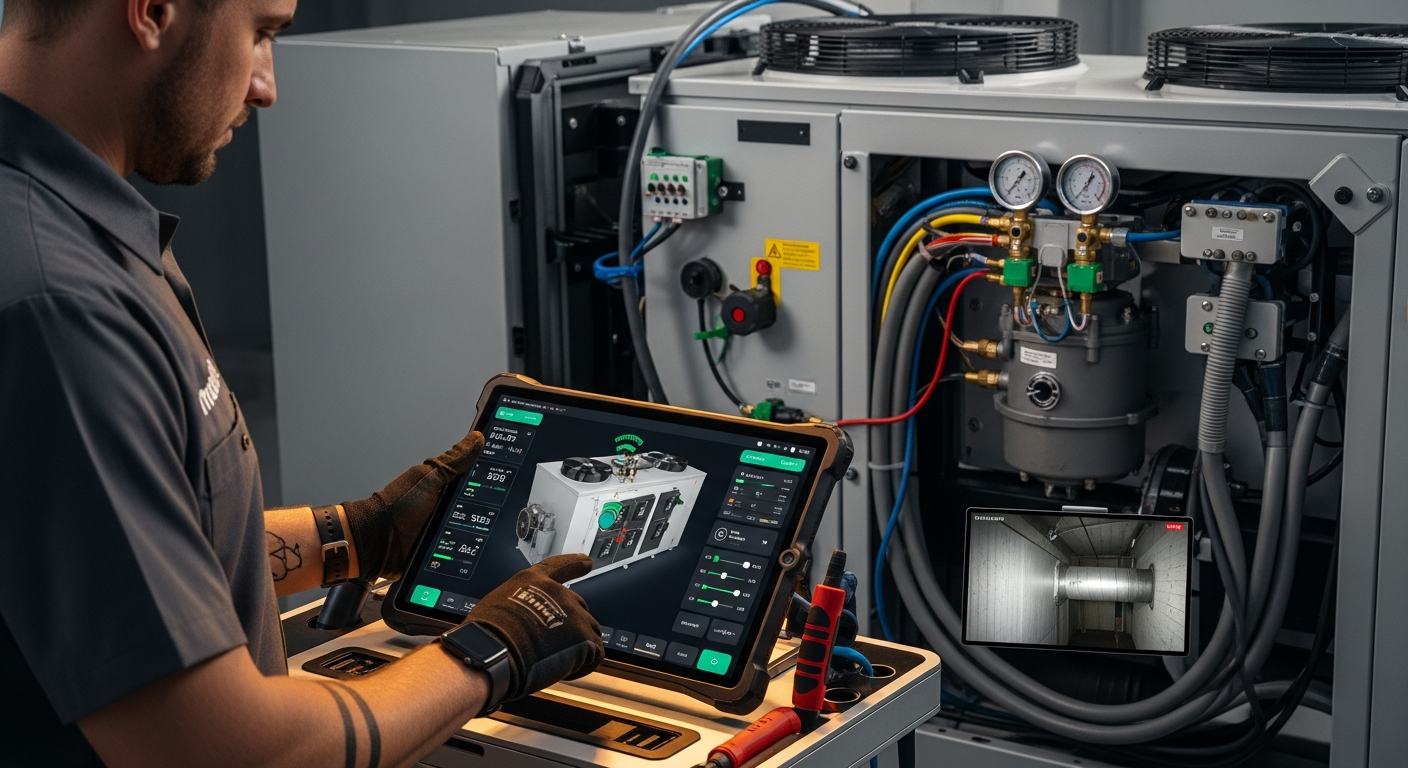
How to Implement a Whole Home Energy Management System
Integrate smart tech and HVAC controls to cut energy waste. This guide shows how to audit, upgrade, and automate your home's energy use, with real savings estimates.
How to Set Up Thermostat Geofencing
Set up thermostat geofencing to automatically adjust home temperature as you come and go. Save energy, extend equipment life, and never return to an uncomfortable house. Get our quick-start guide now.
How to Troubleshoot Smart Thermostat WiFi Issues
Your smart thermostat offline? Most WiFi drops can be fixed with power checks, router adjustments, and simple restarts. Follow our step-by-step guide to regain remote control and energy savings.