How to Set Up Building Automation for HVAC
Building automation systems can slash energy bills, but they aren’t for every property. Use this decision tool to weigh costs, requirements, and benefits before you invest.

Clear Recommendation
Building automation is a strong investment for properties with complex zoning or high HVAC bills. For smaller, simpler spaces, a smart thermostat and verified preventive maintenance often achieve similar comfort and savings without the overhead.
What Matters Most
- Full BAS installation typically costs $2–$15/sq ft and can reduce HVAC energy use by 20–40%.
- Smart thermostats and zone controls provide most benefits for small buildings.
- Always demand a site audit, reference checks, and a training plan before hiring.
- Modern cloud-based systems are user-friendly but still need weekly oversight.
- Utility rebates can cover up to 30% of project costs.
Strengths
- Energy savings of 20–40% and extended equipment life.
- Remote monitoring prevents costly breakdowns.
- Fine-grained zone control for occupant comfort.
- Scalable from a single building to a campus.
- Can integrate with lighting and security for holistic management.
Weaknesses
- High upfront cost can be hard to justify for small properties.
- Cybersecurity risks if network isn't properly isolated.
- Ongoing maintenance and staff training commitments.
- Poor interface design can lead to user bypassing the system.
- Not all legacy equipment can be integrated without expensive converters.
Automation Pathways by Property Type
| Property Type/Scenario | Recommended Approach | Why |
|---|---|---|
| Small office/retail (<5,000 sq ft) with fixed schedule | Programmable thermostats + basic zoning | Low complexity; full BAS overkill for predictable needs. |
| Mid-size commercial (5,000–25,000 sq ft) with multiple zones | Scalable BAS with remote access | Energy savings and zone conflict resolution pay off in 3–5 years. |
| Large facility or campus (>25,000 sq ft) | Full BAS with analytics and system integration | Centralized control reduces operational waste; payback often <3 years. |
| High-end residential with radiant and multi-air handler | Smart home system with HVAC integration | Manages comfort and energy across many zones seamlessly. |
| Older building with legacy central plant | Retrofit with protocol converters and phased upgrade | Preserve useful equipment while adding modern control. |
Quick Answer
Building automation for HVAC can cut energy bills 20–40% and extend equipment life. Installation ranges from $2 to $15 per square foot, with payback in 2–6 years for larger buildings. For smaller properties, a smart thermostat and zoning often deliver similar results for a fraction of the price. Use the decision rules below to find your best path.
What Building Automation Does (And Doesn’t Do)
Building automation systems (BAS) integrate heating, cooling, ventilation, and sometimes lighting into one platform. You set schedules and rules; sensors feed real-time data; controllers adjust equipment. The goal: run HVAC only when and where needed, at the most efficient speed. However, BAS is not a magic bullet—it won’t fix leaky ducts, undersized equipment, or poor insulation. If your building has physical issues, address those first. For guidance on choosing the right HVAC system before automation, see our article on how to choose a commercial HVAC system.
Decision Table: Which Path Fits Your Property?
| Property Type/Scenario | Recommended Approach | Why |
|---|---|---|
| Small office/retail (<5,000 sq ft) with fixed schedule | Programmable thermostats + basic zoning | Low complexity; full BAS overkill for predictable needs. |
| Mid-size commercial (5,000–25,000 sq ft) with multiple zones | Scalable BAS with remote access | Energy savings and zone conflict resolution pay off in 3–5 years. |
| Large facility or campus (>25,000 sq ft) | Full BAS with analytics and system integration | Centralized control reduces operational waste; payback often <3 years. |
| High-end residential with radiant and multi-air handler | Smart home system with HVAC integration | Manages comfort and energy across many zones seamlessly. |
| Older building with legacy central plant | Retrofit with protocol converters and phased upgrade | Preserve useful equipment while adding modern control. |
Cost Ranges for Building Automation
Editorial estimate ranges—not guaranteed prices—from HVACDatabase research:
- Diagnostic site audit: $200–$500 (often credited toward project if you hire that firm).
- Hardware + installation (new construction or gut rehab): $2–$5/sq ft for small/medium buildings; $5–$15/sq ft for large or complex.
- Retrofit integration: $3–$8/sq ft, plus possible protocol converters ($500–$2,000 per major legacy unit).
- Cloud software subscription: $0.10–$0.30/sq ft/month (often includes remote monitoring).
- Annual maintenance: $0.05–$0.15/sq ft/year for sensor calibration, system checks, and updates.
Use our HVAC cost estimator to model your project, and then validate contractor quotes against local benchmarks.
Safety Boundaries: Homeowner Checks vs. Pro-Only Work
Building automation involves low-voltage wiring, network configuration, and integration with line-voltage equipment. To stay safe and protect your investment:
✅ You Can Safely Handle
- Checking and replacing air filters on schedule
- Monitoring system dashboards for alerts or unusual patterns
- Verifying that setpoints and schedules match actual occupancy
- Keeping outdoor units and sensors free of debris, leaves, or snow
- Testing thermostat function and battery levels (if applicable)
🚫 Leave to a Licensed Professional
- Installing or replacing sensors, actuators, or controllers inside electrical panels
- Running new low-voltage wiring through walls or conduits
- Configuring network firewalls and VPN access for remote connectivity
- Integrating with gas-fired heating, electric heat strips, or heat pump controls
- Any work that requires opening the main electrical disconnect or handling refrigerant lines
- Programming advanced sequences like demand-controlled ventilation or optimal start
Find vetted BAS integrators on HVACDatabase’s contractor search.
Decision Rules: When Automation Pays Off (and When It Doesn’t)
Use these concrete thresholds to filter your decision:
- Annual HVAC spend > $5,000: A BAS almost always makes financial sense. Expect 20–35% energy savings, payback in 2–5 years.
- More than 10 zones or multiple uncoordinated thermostats: Automation eliminates constant manual adjustments and hot/cold complaints.
- Variable occupancy (classrooms, event venues, churches): Occupancy-based scheduling and CO₂ demand control ventilation deliver immediate value.
- No on-site maintenance staff: Remote alerts and diagnostics reduce emergency calls—pair with a preventive maintenance plan.
- Equipment over 15 years old: Replace it first. Wiring new controls onto old hardware often fails; use our repair or replace calculator.
- Single-family home under 3,000 sq ft: A smart thermostat plus a few smart vents usually suffice. Consider BAS only if you have complex zoning (4+ zones) or high utility bills.
Contractor Checklist: 5 Questions to Ask Before Signing
- “Are you factory-certified for the system you recommend?” Brands like Honeywell, Johnson Controls, and Siemens require training.
- “Can you provide references from buildings similar to mine in size and use?” Ask specifically about energy savings achieved post-install.
- “How do you secure the network against cyber threats?” Look for isolated VLANs, encrypted communications, and regular firmware updates.
- “What does handoff training include?” A good integrator will walk your team through daily operations and provide written guides plus emergency contact info.
- “Is sensor calibration and first-year support included in the proposal?” Avoid hidden fees by clarifying exactly what ongoing services cost.
Always compare at least three bids using HVACDatabase’s contractor comparison tool.
Regional Climate Tweaks for Better Automation
One size doesn’t fit all. Tell your integrator to adjust strategies based on local weather:
- Hot, dry climates (Phoenix, Las Vegas): Automate shading and thermal mass charging at night. Link to Phoenix AC contractors for expert local programming.
- Hot, humid climates (Houston, Miami): Integrate dehumidification with cooling; overcool slightly on humid but mild days to pull moisture. Avoid fresh air intake during peak humidity events.
- Cold climates (Chicago, Minneapolis): Use optimal start/stop to preheat the building before occupancy. Coordinate with boiler or heat pump lockouts. Chicago heating contractors can help.
- Coastal regions (Seattle, Boston): Schedule increased ventilation during off-peak humidity to reduce indoor moisture and salt spray corrosion. Consider corrosion-resistant sensors.
- Older homes/buildings with radiators or steam: Retrofit carefully; often a smart thermostat with outdoor reset and venting schedules is a better first step than full automation. Check compatibility with our system selection guide.
Methodology: How We Form Our Estimates
Our cost ranges blend published data from RSMeans, direct surveys of HVACDatabase verified contractors, and anonymized project quotes submitted through our quote checker. Payback assumptions use average U.S. commercial electricity and gas rates and typical operating profiles for each building type. The decision rules align with ASHRAE Guideline 13–2019 and field experience from BAS integrators. Always get site-specific quotes—local labor rates, building construction, and equipment condition can shift final costs significantly.
Frequently Asked Questions
What’s the typical payback period for a commercial building automation system?
Most retrofits pay back in 2–6 years through energy savings of 20–35%. For a building spending $10,000/year on HVAC, that’s $2,000–$3,500 annual savings. Payback accelerates if you can claim utility incentives—check our rebate finder for local offers.
Can building automation work with my existing HVAC units?
If your equipment was manufactured after 2005, it likely uses BACnet or Modbus. Older systems may need protocol converters ($500–$2,000 per unit). Always have a professional perform a site audit to verify compatibility before you buy anything.
Will a BAS make my building harder to manage?
Not if it’s well-designed. Modern dashboards run on any web browser or phone. Most users only touch a few icons for temperature, schedule, and alerts. Request a demo interface during the contractor interview, and ask about “simplified mode” for non-technical staff.
Do I need a dedicated IT person to run the BAS?
Cloud-based systems often include remote monitoring and maintenance by the integrator. You’ll still want someone in-house to respond to simple alarms, change filters, and keep sensors clean. For on-premise servers, plan for occasional IT support.
What common mistakes do first-time buyers make?
The top three: 1) Over-spending on features they never use (like complex trend logs) instead of focusing on reliable zone control. 2) Ignoring user training, leading staff to constantly override the system. 3) Automating old, inefficient equipment instead of replacing it first. See more pitfalls in our how to choose a contractor guide.
Take the Next Step
Building automation is a powerful tool—when applied to the right building. Start with a no-commitment site audit from a local, verified contractor. Use our cost estimator to set your budget, and then search HVACDatabase for specialists near you.
Related articles
Connect this page to adjacent guides so readers keep moving deeper into the topic cluster.
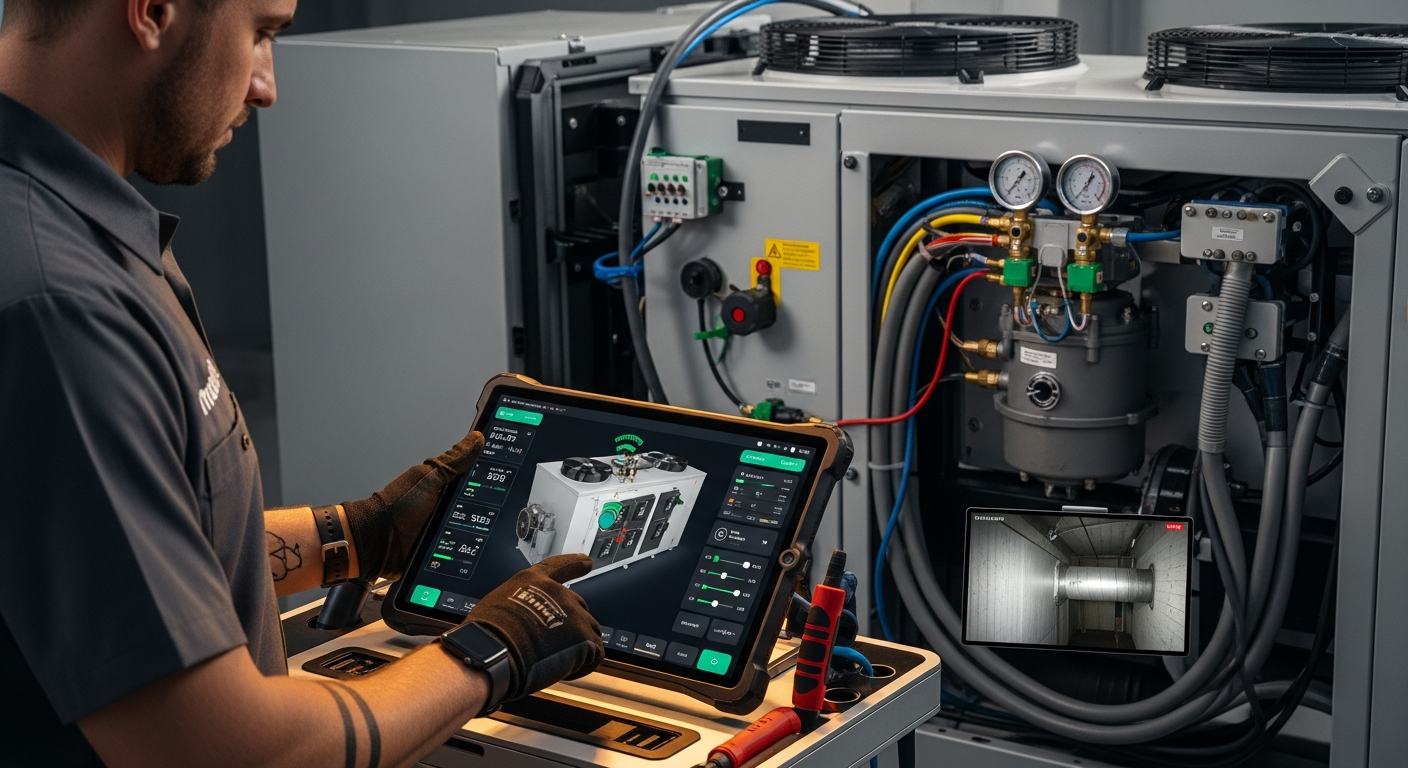
How to Implement a Whole Home Energy Management System
Integrate smart tech and HVAC controls to cut energy waste. This guide shows how to audit, upgrade, and automate your home's energy use, with real savings estimates.

How to Set Up Thermostat Geofencing
Set up thermostat geofencing to automatically adjust home temperature as you come and go. Save energy, extend equipment life, and never return to an uncomfortable house. Get our quick-start guide now.
How to Troubleshoot Smart Thermostat WiFi Issues
Your smart thermostat offline? Most WiFi drops can be fixed with power checks, router adjustments, and simple restarts. Follow our step-by-step guide to regain remote control and energy savings.