How to Store Window AC Units for Winter
Don't waste money on drafts and early replacement. Use our decision guide to clean, store, and protect your window AC. Includes cost, safety, and contractor checklist.
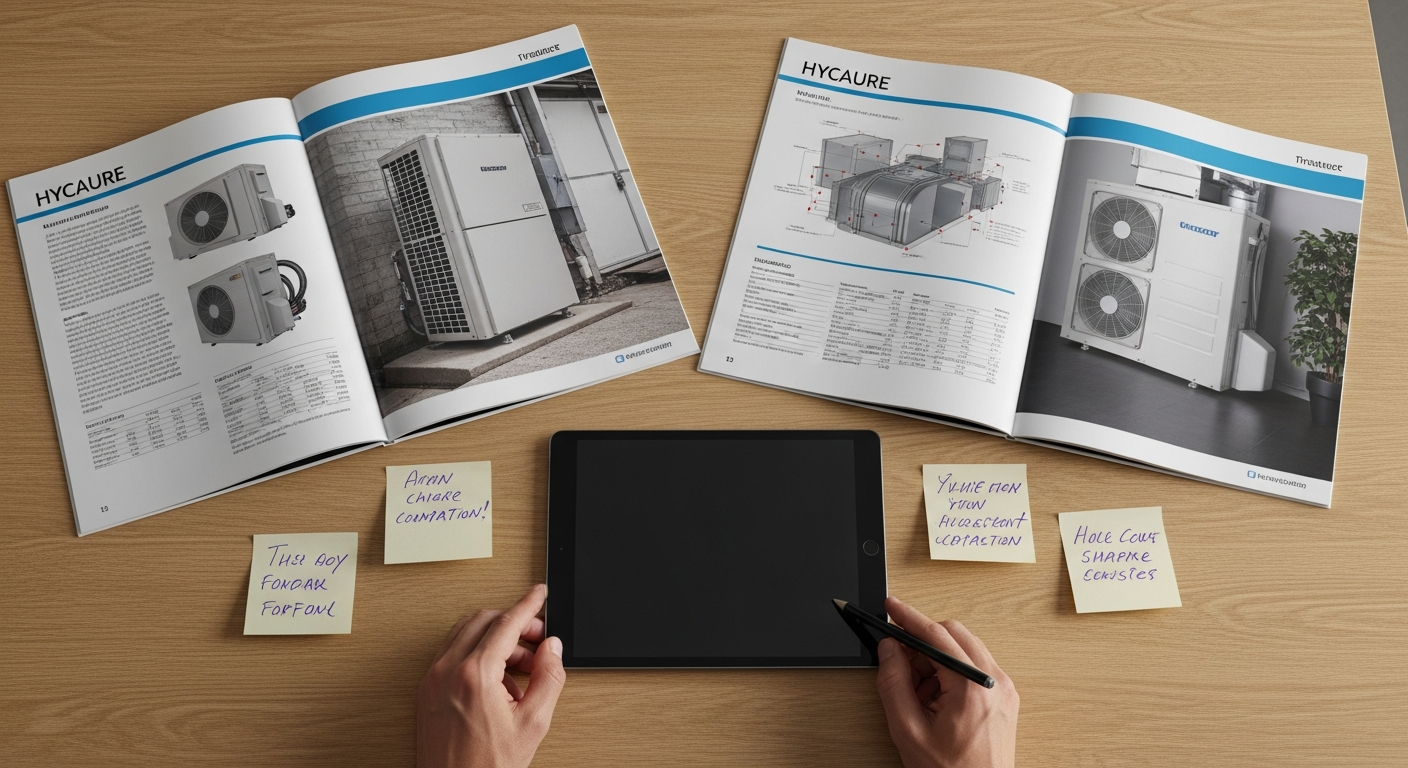
Clear 5‑Step Storage Recommendation
Properly storing your window AC is a $0 to $30 DIY task that prevents $50–$200 in annual heating waste and protects a $300–$800 unit from premature failure. Follow our decision table for your climate and window type.
What Matters Most
- Clean the filter and coils; trapped dirt grows mold.
- Drain all water by tilting the unit inward for 15 minutes.
- Never store a unit lying on its side — keep upright to protect the compressor.
- Use a breathable cover; plastic bags trap moisture.
- If the unit is over 10 years old, use the Repair or Replace Calculator before storing.
Strengths
- Eliminates winter drafts and heating bills increase.
- Extends equipment lifespan by 3–5 years.
- Prevents costly rust and electrical corrosion.
- Improves restart reliability next summer.
Weaknesses
- Requires two people for safe removal.
- Storage space may be scarce in apartments.
- If cleaning is skipped, stored units can mold internally.
Decision Summary
| Scenario | Usually do | Why |
|---|---|---|
| Standard double‑hung window, freezing winter | Remove & store indoors | Drafts and ice will damage coils and inner seals; stored properly, unit lasts 5–10 years longer. |
| Through‑the‑wall sleeve or casement window | Seal exterior, cover, insert interior plug | Removal is risky; weather‑resistant sleeve can stay but must be airtight. Use a pro if unsure. |
| Mild winter (rarely below 40°F) | Leave installed, tightly seal, cover | Freeze risk is low, but air leakage still wastes energy. Insulate with weather‑stripping and an AC cover. |
| Coastal or high‑humidity area | Thoroughly dry, add desiccant packs | Salt air corrodes quickly; trapped moisture breeds mold. Desiccant costs ~$5–$15. |
| Unit rusty, noisy, or over 10 years | Remove but plan replacement | Storage won't fix wear. New Energy Star models save 20–40% on cooling costs. |
Quick Answer
Yes—properly winterizing your window AC is a $0–$30 task that prevents $50–$200 in heating loss and protects a $300–$800 asset. The short version: clean filters and coils, drain all water, remove the unit with a helper, store upright in a dry space, and cover with a breathable cloth. Use the decision table below for your specific situation.
Decision Table: Storage Method by Window & Climate
| Scenario | Usually Do | Why |
|---|---|---|
| Standard double‑hung window, freezing winter | Remove & store indoors | Drafts and ice will damage coils and inner seals; stored properly, unit lasts 5–10 years longer. |
| Through‑the‑wall sleeve or casement window | Seal exterior, cover, insert interior plug | Removal is risky; weather‑resistant sleeve can stay but must be airtight. Use a pro if unsure. |
| Mild winter (rarely below 40°F) | Leave installed, tightly seal, cover | Freeze risk is low, but air leakage still wastes energy. Insulate with weather‑stripping and an AC cover. |
| Coastal or high‑humidity area | Thoroughly dry, add desiccant packs | Salt air corrodes quickly; trapped moisture breeds mold. Desiccant costs ~$5–$15. |
| Unit rusty, noisy, or over 10 years | Remove but plan replacement | Storage won't fix wear. Use our Repair or Replace Calculator. New Energy Star models save 20–40% on cooling costs. |
Editorial cost estimates: removal is free DIY; professional removal/installation can run $80–$150. Replacement units range $300–$800 plus possible installation. Always get multiple quotes.
Safety Boundaries: What You Can (and Must Not) Do
Safe Homeowner Steps
- Clean filter, front grille, and exposed coils with soapy water.
- Drain water by tilting inward for 15 minutes; vacuum residual water with a wet/dry vac.
- Remove unit with a sturdy helper—never carry alone.
- Cover with breathable cloth; store upright on a shelf or pallet.
Pro‑Only Work—Do Not Attempt
- Opening the sealed refrigerant system.
- Testing or replacing capacitors, contactors, or circuit boards.
- Diagnosing compressor or motor failures.
- Any repair involving high‑voltage wiring.
If the unit fails to cool next spring, find an emergency HVAC pro immediately.
Decision Rules: Defnitive Steps Based on Condition
- Visible rust or mold? Surface rust can be sanded and painted; interior rust or mold → replace. Get a diagnostic quote.
- Drain water takes >15 minutes? Clogged drain holes; clear with a soft brush. If water is oily, the compressor may be leaking—pro inspection needed.
- Unit is heavy (≥50 lbs) and you lack a helper? Hire a handyman or use HVACDatabase contractor search to schedule safe removal.
- Stored unit unused over 2 years? Pro must check lubrication and capacitor before restart; expect a $80–$200 diagnostic fee.
Tools to Make a Smarter Decision
- Estimate repair vs. replacement costs with our Repair or Replace Calculator.
- If considering a new unit, find the right size using our BTU Calculator.
- Check for utility rebates on Energy Star models—use our Rebate Finder.
Contractor Checklist: Questions to Ask Before Hiring
When storage inspection reveals damage or you need spring restart help, vet pros with these questions:
- Are you licensed and insured for HVAC work in my state?
- Do you perform a full diagnostic including capacitor test and refrigerant pressure check?
- Can you provide a line‑item estimate before starting?
- What warranty do you offer on parts and labor?
- Will you properly dispose of the old unit if replacement is needed?
Compare top‑rated contractors near you at HVACDatabase Compare.
Climate‑Specific Storage Advice
Cold winters (e.g., Chicago, Minneapolis): Remove by mid‑October. Even insulated covers won’t stop frame‑to‑chassis drafts that spike heating bills. Need a furnace check? Find Chicago heating pros.
Hot, humid summers (e.g., Houston, Miami): Dry thoroughly—run fan‑only for 30 minutes before removal. Add desiccant packs during storage to prevent mold. For year‑round AC support, browse Phoenix AC experts as an example.
Coastal salt air: Rinse coils with fresh water (not pressure washer) and let dry completely. Store with a corrosion‑inhibiting spray (pro‑applied).
FAQs
Can I leave my window AC in the window if I cover it?
Not recommended in freezing climates. The cover traps moisture against the metal, and cold air still leaks around the chassis. Only mild‑winter zones can safely leave it installed if tightly sealed inside and out.
How do I drain all water before storage?
Tilt the unit inward (not toward the compressor side) for 15 minutes. Use a wet/dry vacuum to suck out remaining water from the drain pan. Skipping this step leads to rust and musty smells.
Should I run the AC before storing it?
Yes—run on fan‑only mode for 30 minutes to dry internal coils. Do not engage the compressor if outdoor temperatures are below 60°F.
What if I see mold or rust during cleaning?
Surface rust on the exterior can be sanded and painted. Any interior rust or mold, especially on coils or drum fan, calls for professional replacement. Mold spores will spread in storage.
How long can a stored window AC sit unused?
Properly stored, 5–10 years is common. However, check seals and lubrication annually. If unused over 2 years, have a pro inspect before restarting (diagnostic fee $80–$200).
Methodology
Our recommendations are based on manufacturer owner’s manuals, Energy Star guidance, and interviews with HVAC service managers in cold, hot, and coastal regions. Cost ranges reflect 2024–2025 market surveys but are editorial estimates only—actual prices depend on your location, equipment, and contractor rates. Always obtain three detailed quotes. For more seasonal advice, see our guides on winterizing outdoor central AC and preparing your HVAC for fall.
Practical Next Steps
- Write down the system age, brand, model number, thermostat setting, and exact symptom before calling.
- Take photos of visible ice, water, error codes, dirty filters, or unusual equipment conditions without opening sealed or electrical compartments.
- Use HVAC cost estimator, Quote checker, Repair or replace calculator to estimate the budget or compare next steps.
- Get at least two written quotes for major repairs or replacements, especially when the system is more than 8-10 years old.
The strongest quote is not always the cheapest. Look for a contractor who explains the cause, confirms whether the repair is durable, documents warranty coverage, and gives you a clear path if the first repair does not fully solve the issue.
Related articles
Connect this page to adjacent guides so readers keep moving deeper into the topic cluster.
How to Implement a Whole Home Energy Management System
Integrate smart tech and HVAC controls to cut energy waste. This guide shows how to audit, upgrade, and automate your home's energy use, with real savings estimates.

How to Set Up Thermostat Geofencing
Set up thermostat geofencing to automatically adjust home temperature as you come and go. Save energy, extend equipment life, and never return to an uncomfortable house. Get our quick-start guide now.
How to Troubleshoot Smart Thermostat WiFi Issues
Your smart thermostat offline? Most WiFi drops can be fixed with power checks, router adjustments, and simple restarts. Follow our step-by-step guide to regain remote control and energy savings.