Understanding Bipolar Ionization for HVAC
Discover how bipolar ionization technology can purify your home's air by neutralizing pathogens and odors through your HVAC system.
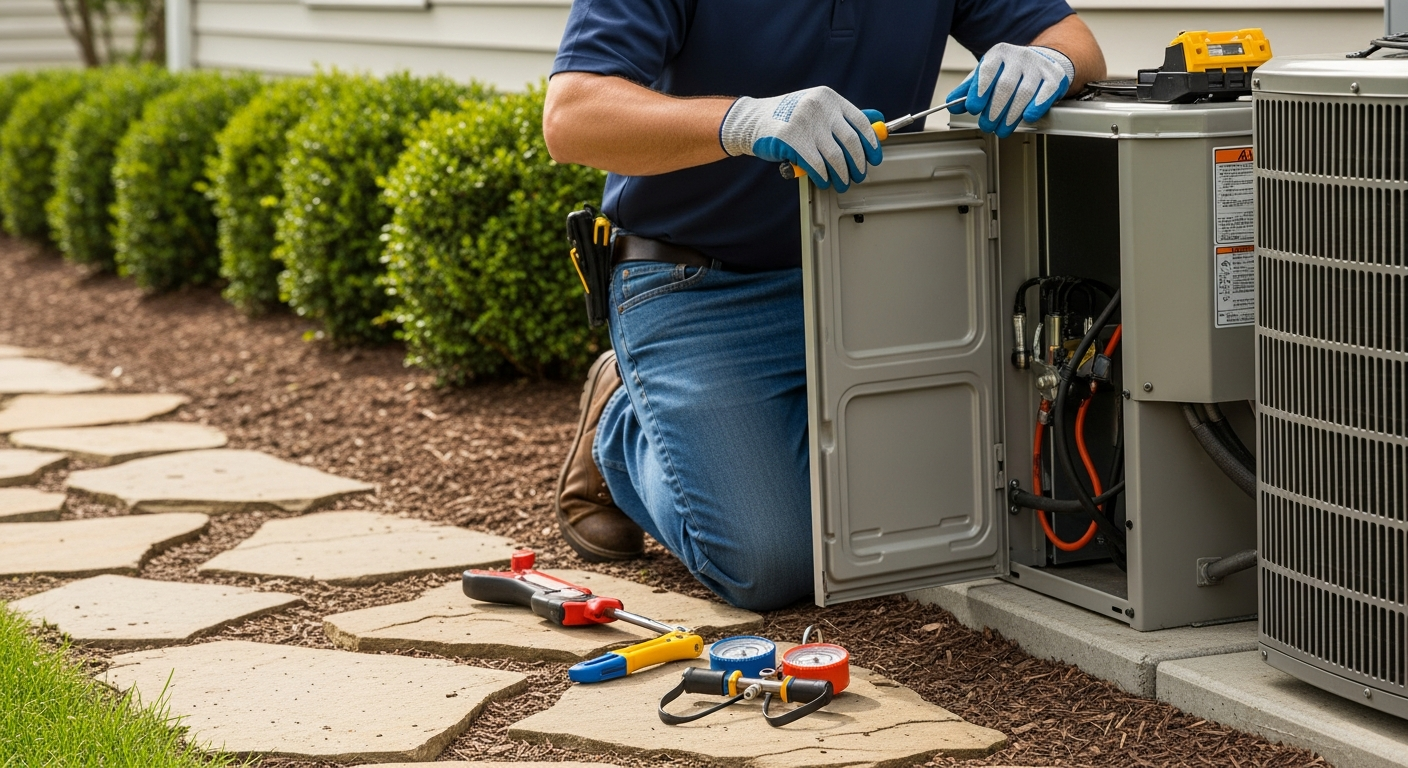
What is Bipolar Ionization for HVAC?
Bipolar ionization is a sophisticated air purification technology that integrates directly into your existing heating and cooling system. It works by releasing positively and negatively charged ions into the airflow of your home.
These ions are naturally occurring in outdoor environments, particularly near waterfalls or oceans. In your home, they act as microscopic magnets that attach to airborne contaminants like dust, pollen, and viruses.
If you are tired of your hvac system blowing dusty air, this technology offers a proactive solution. Rather than waiting for air to pass through a filter, it treats the air in your living spaces.
How Bipolar Ionization Improves Air Quality
The science behind this technology involves three primary actions: agglomeration, neutralization, and odor reduction. These processes happen silently within your ductwork and rooms.
The Agglomeration Process
When ions attach to small particles, they create a cluster. This cluster becomes heavy enough to fall out of the air or large enough to be trapped by your standard HVAC filter.
This is especially helpful for people dealing with seasonal allergies or those looking for tips for managing indoor air quality during wildfires. The larger particle size ensures your filtration system works more efficiently.
Neutralizing Pathogens
Bipolar ionization goes beyond simple filtration by attacking the structure of pathogens. When ions surround a virus or bacterium, they rob it of hydrogen, effectively killing or neutralizing the germ.
This makes your home a healthier environment during flu season. It provides an invisible layer of defense that basic mechanical filters simply cannot match.
Eliminating Volatile Organic Compounds (VOCs)
Chemical odors from cleaning supplies, new furniture, or cooking can linger for days. Bipolar ions break down the chemical bonds of VOCs into harmless compounds like water vapor and carbon dioxide.
Comparing Ionization to Other Technologies
Many homeowners confuse bipolar ionization with ozone generators or UV lights. It is important to understand the differences before making an investment.
Unlike ozone generators, modern bipolar ionization systems are designed to be ozone-free or produce negligible amounts. They are safe for continuous use while you are inside the home.
When compared to UV lights, which only kill pathogens that pass directly in front of the bulb, ions travel throughout the entire house. This active cleaning approach reaches surfaces like doorknobs and countertops.
Installation and Maintenance
One of the biggest advantages of this technology is its low-profile installation. Most units are small and mount directly onto the cooling coil or the supply duct of your furnace.
Professional Integration
While some HVAC upgrades are DIY-friendly, ionization systems require precise electrical wiring. It is essential to work with a professional to ensure the unit is synced with your blower motor.
You can find trusted HVAC contractors on HVACDatabase.com who specialize in indoor air quality upgrades. These pros can verify that your ductwork is compatible with high-output ionizers.
Minimal Upkeep
Many high-end ionization units are self-cleaning. This means they require almost no maintenance from the homeowner, unlike humidifiers where you might need tips for managing dry air in winter through regular cleaning.
Is Bipolar Ionization Right for Your Home?
If you live in a humid climate where mold is a concern, such as if you follow hvac tips for houston homeowners, ionization can prevent growth on your AC coils. It is a versatile tool for various climates.
- Pet Owners: Effectively reduces dander and pet odors.
- Large Families: Helps stop the spread of germs from room to room.
- Allergy Sufferers: Aggregates pollen and dust for easier filtration.
- Smokers: Breaks down smoke particles and associated smells.
For those in specific regions, reaching out to local experts like best hvac contractors in fresno can provide insight into how local pollution levels might dictate your air quality needs.
Integrating with Other IAQ Solutions
Bipolar ionization works best as part of a holistic air quality strategy. For instance, in bathrooms where moisture is high, you might consider the exhaust fan vs erv for bathroom ventilation debate to keep humidity levels in check.
When combined with high-MERV filters and proper ventilation, ionization creates a "clean room" effect. This significantly reduces the workload on your HVAC system while providing the purest air possible.
Final Thoughts for Homeowners
Investing in your home's air quality is an investment in your health. Bipolar ionization is a proven, low-maintenance way to upgrade your HVAC system's performance without bulky standalone air purifiers.
Ready to breathe easier? Visit HVACDatabase.com to connect with local professionals who can install these systems and help you achieve the perfect indoor climate. Your lungs will thank you for the extra layer of protection.
Related articles
Connect this page to adjacent guides so readers keep moving deeper into the topic cluster.
Tips for Reducing Dust Mites With HVAC
Eliminate allergens and breathe easier by leveraging your HVAC system to control dust mite populations and improve your home's overall air quality.
Why You Should Test Your Home for Radon
Radon is an odorless, invisible gas that can pose serious health risks. Discover why testing your home is the only way to ensure your indoor air is safe for your family.

Understanding Balanced Ventilation Systems
Discover how balanced ventilation systems like ERVs and HRVs create a healthier home environment by managing airflow and humidity levels effectively.