Why You Should Test Your Home for Radon
Radon is an odorless, invisible gas that can pose serious health risks. Discover why testing your home is the only way to ensure your indoor air is safe for your family.
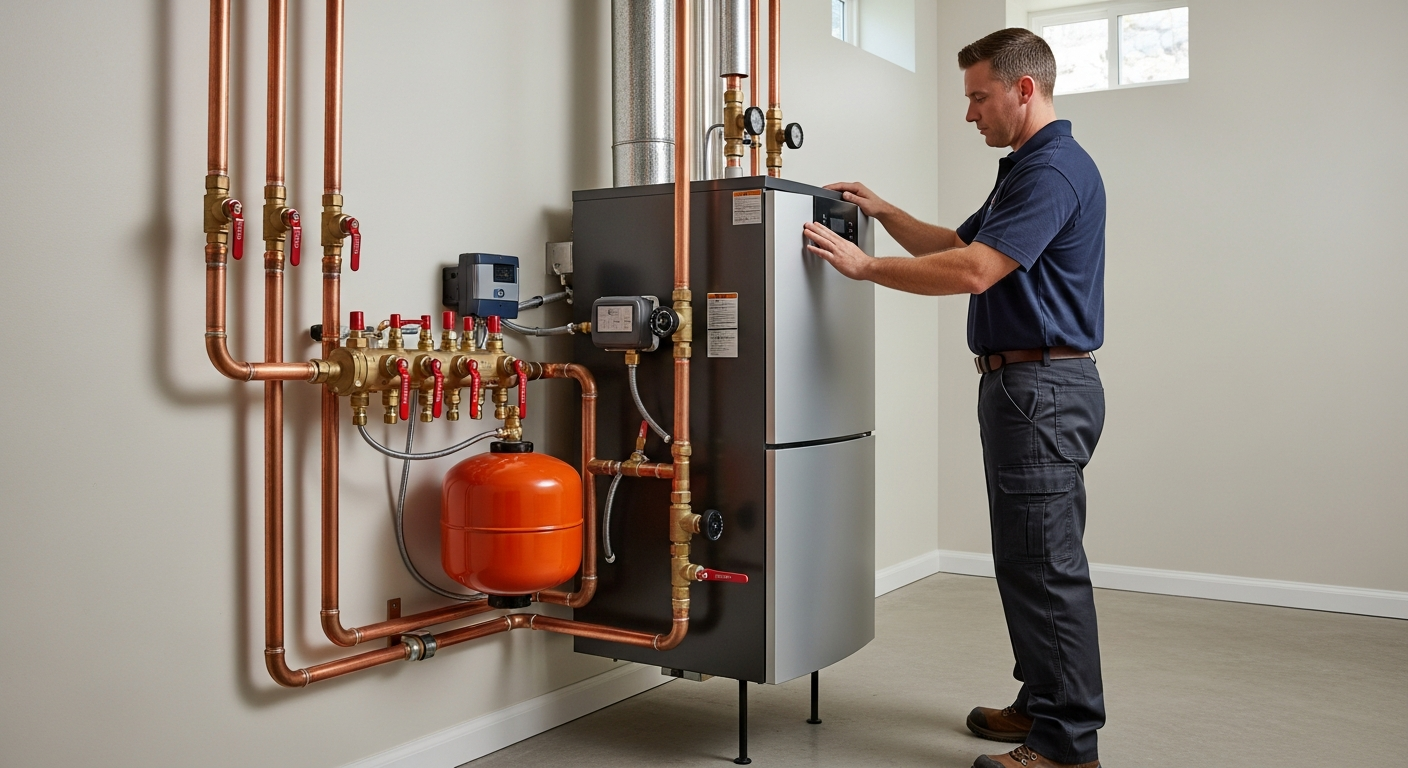
The Silent Threat in Your Home
Radon is a naturally occurring radioactive gas that you cannot see, smell, or taste. It forms when uranium in the soil, rock, or water breaks down over time.
Because it is a gas, it can easily move through the soil and enter your home through cracks in the foundation, gaps around pipes, or crawl spaces. Once inside, it becomes trapped and can build up to dangerous levels.
According to health experts, radon is the leading cause of lung cancer among non-smokers. Protecting your family starts with understanding this invisible risk and taking steps to measure it.
How Radon Enters Your Living Space
Your home acts like a vacuum, drawing air in from the ground. This occurs due to temperature differences and air pressure imbalances between the interior and exterior of the building.
Common entry points for radon include foundation cracks, construction joints, and cavities inside walls. Even the most well-built modern homes are susceptible to radon accumulation.
To ensure your home isn't working against you, it is vital to balance air pressure in your home. Proper pressure management reduces the 'stack effect' that sucks soil gases upward.
The Health Risks of Long-Term Exposure
Radon exposure doesn't cause immediate symptoms like headaches or nausea. Instead, the damage happens over years of breathing in radioactive particles that damage lung tissue.
Because the risk is cumulative, the longer you live in a home with high radon levels, the higher your risk of developing chronic respiratory issues. This is why testing is recommended for every homeowner, regardless of where they live.
If you are already dealing with indoor air quality issues like dirty sock syndrome in HVAC, adding a radon test to your maintenance list is a smart move for total home wellness.
Why DIY Testing is Just the Beginning
You can purchase short-term radon test kits at most hardware stores. These are excellent for a quick snapshot, but they don't always provide the full picture of your home's air quality.
Long-term tests, which stay in your home for over 90 days, provide a more accurate average of your radon levels throughout seasonal changes. Professional testing offers even more precision by using calibrated electronic monitors.
If you are comfortable with basic home maintenance, you might start with DIY HVAC troubleshooting to check your ventilation, but radon mitigation usually requires expert intervention.
How HVAC Systems Influence Radon Levels
Your heating and cooling system plays a major role in how air moves through your home. If your ductwork is poorly designed, it can create negative pressure zones that pull more radon from the earth.
Ensuring your home follows a proper Manual D duct design helps maintain neutral pressure. This minimizes the infiltration of unwanted gases from the soil or crawl space.
Mechanical ventilation is another powerful tool. For many homeowners, choosing between an HRV vs ERV system can help dilute radon concentrations by introducing fresh, filtered air from the outside.
Steps to Mitigate High Radon Levels
If your test results come back higher than 4 pCi/L (the EPA's action level), do not panic. Radon mitigation is a common and effective process.
- Sub-Slab Depressurization: A pipe and fan system that pulls radon from beneath the house and vents it outside.
- Sealing Cracks: Closing entry points in the foundation to limit gas entry.
- Crawl Space Encapsulation: Using plastic membranes to block gas from entering through the floor.
For those living in specific regions, such as Jackson homeowners, local soil conditions can vary, making professional consultation even more important.
Finding the Right Professional for the Job
Radon mitigation and advanced ventilation require specialized knowledge. You want a contractor who understands the complex relationship between your foundation, your ductwork, and your air quality.
Homeowners can find trusted HVAC contractors on HVACDatabase.com to help evaluate their ventilation needs and ensure their systems are helping, not hurting, their indoor air quality.
Whether you are maintaining a residence or looking for HVAC tips for churches and worship spaces, the safety of the occupants should always come first. Testing for radon is the only way to know if your air is safe to breathe.
Conclusion
Radon is a serious health concern, but it is one with a clear solution. By testing your home and working with qualified professionals, you can eliminate this silent threat and breathe easier.
Visit HVACDatabase.com today to connect with local pros who can help you optimize your home's ventilation and keep your indoor environment healthy for years to come.
Related articles
Connect this page to adjacent guides so readers keep moving deeper into the topic cluster.
Understanding Bipolar Ionization for HVAC
Discover how bipolar ionization technology can purify your home's air by neutralizing pathogens and odors through your HVAC system.
Tips for Reducing Dust Mites With HVAC
Eliminate allergens and breathe easier by leveraging your HVAC system to control dust mite populations and improve your home's overall air quality.

Understanding Balanced Ventilation Systems
Discover how balanced ventilation systems like ERVs and HRVs create a healthier home environment by managing airflow and humidity levels effectively.