Weatherization Cost Guide for Homeowners
Get transparent weatherization cost estimates, practical savings tools, and a step‑by‑step guide to sealing and insulating your home. Find trusted pros and rebates.
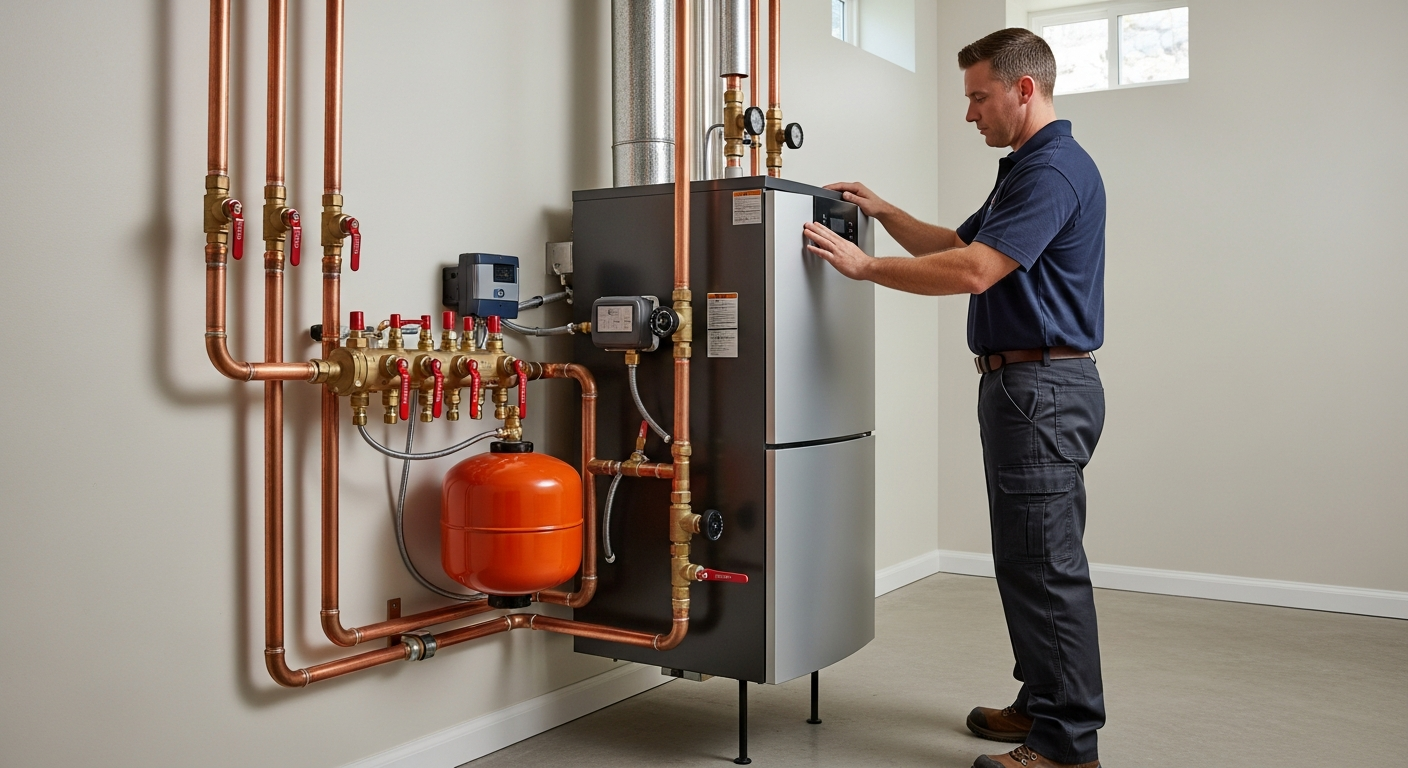
Weatherize First, Upgrade Equipment Later
Sealing your home’s envelope and upgrading insulation before replacing HVAC equipment maximizes ROI, often achieving payback within 3–5 years and improving comfort immediately.
What Matters Most
- An energy audit is the indispensable first step.
- Air sealing alone can reduce energy loss by up to 30%.
- Always pair insulation with air sealing—don’t do one in isolation.
- Combustion safety testing is non‑negotiable for homes with gas appliances.
- Use available rebates and tax credits to cut upfront costs by 30% or more.
Strengths
- Immediate reduction in heating/cooling bills.
- Year‑round comfort improvement and better humidity control.
- Extends HVAC equipment life by reducing runtime.
- High return on investment, typically 20–25% annual ROI.
Weaknesses
- Upfront cost can be substantial for whole‑home retrofits.
- DIY risks: improper air sealing may cause moisture problems, mold, or carbon monoxide backdrafts.
- Quality varies widely among contractors; careful vetting is required.
Decision Summary
| Scenario | Usually do | Why |
|---|---|---|
| Drafty rooms, high bills, home >20 years old | Energy audit + air sealing + insulation | Most cost‑effective starting point; audit targets biggest leaks. |
| Comfort issues in summer only | Attic air sealing + radiant barrier (if applicable) | Stops solar heat gain, improves AC efficiency. |
| Ice dams or attic mold | Air seal attic floor, then add insulation | Prevents warm air leakage that melts snow and creates condensation. |
| HVAC <10 years but running constantly | Duct sealing + air sealing first | Fixes distribution losses before upgrading equipment. |
Introduction
Weatherization is the single most effective way to stop throwing money out of drafty windows and attics. It combines air sealing, insulation upgrades, and sometimes duct sealing to slash heating and cooling loss by 10–30%. This guide breaks down real-world costs, shows you where to start, and helps you decide when to hire a pro and when to DIY. We use editorial estimates based on nationwide contractor data—not fixed bids—so you can budget confidently. Use our free tools to calculate your savings and find rebates.
Quick Answer: What You’ll Pay and Save
Most homeowners spend between $1,500 and $5,000 on whole‑home weatherization. Air sealing alone costs $500–$1,500, attic insulation $1,200–$3,500, and duct sealing $1,000–$2,500. After completion, expect $200–$500 in average annual energy savings, plus improved comfort and humidity control. Check for local utility rebates and federal tax credits (up to 30% off eligible improvements) via our Rebate Finder.
Weatherization Cost Estimates
| Project | Typical Cost Range | What It Includes |
|---|---|---|
| Energy Audit + Blower Door Test | $200–$600 | Diagnostic test to locate air leaks and insulation gaps; essential first step. |
| Air Sealing | $500–$1,500 | Caulk, spray foam, weatherstripping around windows, doors, pipes, and wiring penetrations. |
| Attic or Crawlspace Insulation | $1,200–$3,500 | Blown‑in fiberglass or cellulose (R‑49 to R‑60); spray foam is higher cost but adds air sealing. |
| Duct Sealing | $1,000–$2,500 | Mastic sealant or aerosol‑based duct sealing for accessible ducts; reduces HVAC loss by up to 30%. |
Prices rise with home size, inaccessible areas, and local labor rates. See our HVAC Cost Estimator for system upgrades often paired with weatherization.
Safety Boundaries: What You Can (and Can’t) Do Yourself
Safe for Most Homeowners
- Visual inspection for obvious drafts—use a candle or incense stick (away from flammables).
- Replace worn weatherstripping on windows and doors.
- Add a door sweep or seal visible gaps with caulk or expanding foam (low‑expansion for windows).
- Check attic insulation depth with a ruler; add more if below local code recommendations.
- Change HVAC air filters regularly to help your system operate efficiently.
Professional‑Only Work
- Comprehensive air sealing that changes home pressure—requires blower door testing to avoid backdrafting combustion appliances (furnace, water heater).
- Adding insulation to enclosed walls (requires drilling and specialized equipment).
- Duct sealing that involves accessing plenum or main trunks; incorrect sealing can unbalance systems.
- Any work that involves gas or oil combustion appliances: combustion safety testing and venting verification must be done by a certified technician to prevent carbon monoxide poisoning.
- Use of high‑voltage tools or working near live electrical wiring.
Never block intentional ventilation (soffit vents, fresh‑air intakes). Sealing a home too tightly without balanced ventilation can lead to moisture and indoor air quality problems. A pro will measure and verify.
Personalized Savings Tools
Before you write a check, use these free HVACDatabase calculators to pinpoint your ROI:
- Energy Calculator — Estimate yearly energy costs for different efficiency levels.
- Rebate Finder — Discover local utility and federal incentives; many cover 30% of weatherization costs.
- HVAC Cost Estimator — If you’re upgrading your furnace or AC, get a personalized estimate.
- Repair or Replace Calculator — See if it’s smarter to repair an old system or invest in a new efficient one after weatherizing.
Decision Rules: When Is Weatherization the Right Move?
Use these concrete thresholds:
- If your home is over 20 years old and hasn’t had air sealing or insulation upgrades → start with a professional energy audit. Payback occurs within 2–4 years on average.
- If you can see your attic floor joists because insulation is sparse → add blown‑in cellulose or fiberglass to R‑49 (about 16–18 inches). Cost is recovered in reduced heating/cooling bills within 3–5 years.
- If your HVAC system is < 10 years old but bills are high → focus on duct sealing and air sealing before replacing equipment.
- If your AC cycles on/off rapidly and rooms feel uneven → leaky ducts and poor envelope are likely culprits; weatherize before upsizing.
- If you have ice dams in winter or hot attic in summer → air sealing the attic floor is priority one.
Use our BTU Calculator to see if your HVAC system is oversized—a common issue in poorly sealed homes.
Contractor Vetting Checklist
Before signing a contract, ask these questions and verify answers:
- Will you perform a blower door test before and after? A baseline test reveals hidden leaks; a post‑work test proves results. Insist on it.
- Are you certified by the Building Performance Institute (BPI) or a local equivalent? BPI certification ensures training in building science and combustion safety.
- Do you pull permits and verify that all combustion appliances operate safely after sealing? They must test for carbon monoxide and backdrafting.
- Can you provide a detailed proposal that separates materials, labor, and any subcontractor work? This prevents hidden markups.
- What rebates or tax credits will you handle for me? Some contractors manage the paperwork; if not, use our Rebate Finder yourself.
- How will you protect my home during the work? Proper drop cloths, dust containment, and cleanup are essential.
Always get at least three itemized quotes. Compare using our Contractor Comparison tool. Search for vetted pros in your area using Contractor Search.
Climate-Specific Guidance
Weatherization isn’t one‑size‑fits‑all. Prioritize differently based on your region:
- Cold climates (e.g., Minneapolis, Chicago, Fargo): Focus on attic insulation (R‑60) and air sealing to prevent ice dams. Chicago heating contractors often recommend dense‑pack cellulose in walls.
- Hot, humid climates (e.g., Houston, Miami): Air seal the attic to block moisture and heat; add radiant barrier where applicable. Duct sealing is critical because ducts often sit in scorching attics. Insulation R‑30 to R‑38 is common, but ensure vapor barriers are correct to avoid mold.
- Mixed or coastal climates (e.g., Seattle, Boston): Balance air sealing with controlled ventilation; consider enthalpy recovery ventilators (ERVs) if you tighten the envelope substantially.
- Older homes (pre‑1960): Knob‑and‑tube wiring or asbestos may require specialized remediation before insulation. Always test for these hazards before work begins. Look for local programs that subsidize historic home weatherization—check with your utility.
How We Developed These Estimates
Our cost ranges are editorial estimates derived from a blend of national contractor surveys (2024–2025), Department of Energy benchmark projects, and data from our network of HVAC professionals. They assume a typical single‑family home (1,500–2,500 sq ft) and reflect median prices without extreme high or low outliers. Costs can vary by ±20% based on local labor rates, material choices, accessibility, and season. These are not guaranteed bids; always obtain multiple quotes. We update ranges annually to reflect market shifts.
Frequently Asked Questions
How much can weatherization really save me?
The Department of Energy reports average savings of $200–$500 per year on heating and cooling, with 10–20% reduction in overall energy use. In older, drafty homes, savings can exceed 30%. Payback is typically 3–5 years.
Is weatherization only for winter?
No. Sealing and insulation keep your home cooler in summer by blocking outdoor heat and keeping conditioned air in. Many homeowners report better comfort year‑round.
How do I know if my contractor is doing it right?
Request a post‑work blower door test to confirm air leakage reduction (cfm50). A good target is a 15–25% improvement. Also ask for thermal imaging photos to show insulation coverage.
Can I just add insulation without air sealing?
Not recommended. Insulation traps heat but doesn’t stop convection currents. Air seal first—especially the attic floor—or you’ll pay to heat the outdoors. Think of a down jacket: it works because the shell blocks wind, not just the filling.
Are there rebates or tax credits for weatherization?
Yes. The federal Energy Efficient Home Improvement Credit (25C) covers 30% of qualifying weatherization costs up to $1,200 annually for insulation and air sealing. Many utilities offer additional rebates. Use our Rebate Finder to see what’s available in your ZIP code.
Methodology
HVACDatabase estimates combine common contractor price patterns, service-category pricing ranges, equipment complexity, urgency, regional labor variation, and known HVAC safety boundaries. Actual prices vary by city, brand, system size, access, warranty status, permit requirements, and whether the visit discovers ductwork, electrical, refrigerant, gas, or drainage issues. Use these numbers to sanity-check quotes, not as a guaranteed price.
Related articles
Connect this page to adjacent guides so readers keep moving deeper into the topic cluster.

Cost to Install Multiple Smart Thermostats
Get a clear cost breakdown for installing 2–4+ smart thermostats. Includes equipment, labor, zoning upgrades, and how to save with utility rebates. Practical checks and contractor questions inside.
Duct Booster Fan Installation Cost
Uneven room temps? Duct booster fan installation costs: register fans $30–$100 DIY, inline fans $500–$800+ with pro. Learn when a booster works and when you need a bigger fix.
Makeup Air Unit Installation Cost Guide
Expect to pay $1,500–$4,500 for a pro-installed makeup air unit. Discover passive vs. tempered options, code triggers, and money-saving decision rules.