Whole House Air Purifier Cost Guide
Whole-house air purifier installation costs $500–$3,500. Compare HEPA, UV, and ionic types; use our tools and checklist to make a confident, healthy investment.
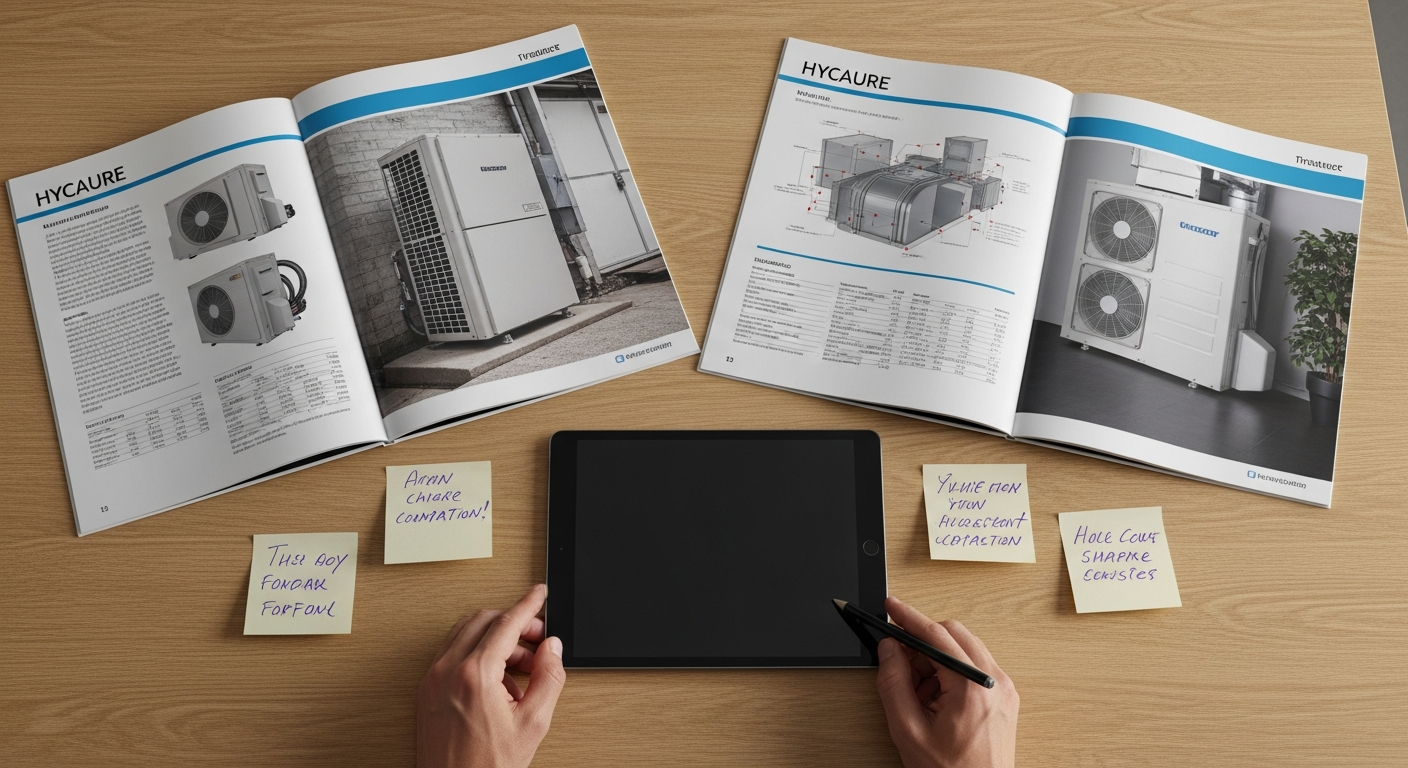
Yes, a Whole-House Purifier Is Worth It for Most Homeowners with Health or Cleanliness Concerns
For households with allergies, asthma, pets, or high dust, a whole-house system delivers measurable relief and protects HVAC equipment. The upfront cost is recovered through reduced housecleaning time and fewer AC repairs.
What Matters Most
- Total installed cost ranges from $500 to $3,500, with annual maintenance of $100–$300.
- HEPA and high-MERV media filters are best for particles; UV excels at mold and germicidal control; PCO handles odors/VOCs.
- Professional installation is mandatory—incorrect setup can damage your system.
- Use our tools and contractor checklist to compare quotes and avoid overselling.
- Regular filter and bulb changes are simple homeowner tasks that keep performance high.
Strengths
- Whole-home coverage without noisy portable units in each room.
- Extends HVAC lifespan by keeping coils and blower clean.
- Quiet, invisible operation within ductwork.
- Can integrate with smart thermostats and air quality monitors.
Weaknesses
- Higher upfront cost than portable purifiers.
- Installation requires ductwork and electrical work, adding complexity.
- Ongoing consumable costs (filters, bulbs) are obligatory.
- Slight increase in electrical use from UV lamps or PCO units.
Choosing the Right Purifier: Quick Decision Summary
| Scenario | Usually Do | Why |
|---|---|---|
| You suffer from allergies or asthma | Install a high-MERV media filter or HEPA bypass system | Removes 99.97% of pollen, dander, and dust that trigger respiratory symptoms |
| Musty smell from vents or visible mold near coils | Install a UV lamp (dual if possible) + HEPA filter | UV kills mold spores; HEPA captures dead spore particles |
| Newborn, elderly, or immunocompromised family members | Install high-MERV filter + UV light | Dual barrier against small infectious particles and germs |
| Strong cooking odors, VOCs from new furniture/carpet | Install PCO or activated carbon unit | Destroys gaseous pollutants at a molecular level |
| Budget under $300, only one room needs cleaning | Use a portable HEPA air purifier | Whole-house installation cannot be done for that budget; portable units effectively treat a single room |
Quick Answer: Whole House Air Purifier Costs at a Glance
Expect to pay $500–$3,500 installed, depending on the technology and your home’s layout. Annual maintenance adds $100–$300 for filters and bulbs. A whole-house system treats all rooms through your existing ductwork, dramatically improving indoor air quality and extending HVAC equipment life.
How Whole-House Air Purifiers Work
Unlike portable units, these devices install directly into your HVAC system—either inside the air handler or within the supply/return ductwork. As the blower runs, all circulating air passes through the purifier. This means every cubic foot gets treated, not just a single room. The purifier can capture dust, pollen, mold spores, bacteria, viruses, and even break down volatile organic compounds (VOCs).
Air Purifier Types & Cost Comparison
Different technologies target different pollutants. Use this table to match your needs with the right system.
| Technology | Best For | Typical Installed Cost* | Annual Maintenance* | Notes |
|---|---|---|---|---|
| Media Filter (high‑MERV/HEPA) | Dust, pollen, pet dander, visible particles | $600–$1,200 | $40–$100 (filter change every 6–12 months) | By‑pass or in‑line cabinet added to ductwork; minimal electricity use |
| Electronic Air Cleaner (Ionizer/Electrostatic) | Fine particles, tobacco smoke, some VOCs | $700–$1,500 | $50–$120 (plate cleaning or replacement) | Requires periodic washing of collector cells; may produce trace ozone |
| UV Light Purifier | Mold, bacteria, viruses on coils & in air | $400–$800 (single lamp); $800–$1,200 (dual lamp) | $70–$150 (bulb replacement yearly) | Most effective when paired with a particle filter; does not remove dust |
| Photocatalytic Oxidation (PCO) | VOCs, cooking odors, chemical fumes | $1,500–$3,000 | $100–$200 (catalyst & UV‑A lamps) | Highest efficiency against gaseous pollutants; often works in conjunction with HEPA |
*All costs are editorial estimates; actual prices vary by region, home, and contractor. See our HVAC cost estimator for a personalized range.
What Affects Your Installation Price?
- Ductwork modifications: If your current plenum is too small, metalwork can add $200–$500.
- Electrical wiring: UV and electronic cleaners need a dedicated power source; new circuits cost $150–$400.
- System integration: Smart air quality monitors or whole‑home controls add $200–$600 to hardware cost but offer real‑time feedback.
- Accessibility: Attics, crawlspaces, or tight utility closets increase labor time.
- Labor rates: Urban areas and high‑cost‑of‑living regions command higher hourly charges. For example, HVAC labor rates can vary by 40%.
Safety Boundaries: What You Can Do vs. What a Pro Must Handle
Homeowner‑Safe Checks
- Regularly inspect and replace pre‑filters or media filters according to manufacturer schedule.
- Visually check the air handler cabinet for dust accumulation or mold near coils.
- Listen for unusual fan noises that may indicate airflow restrictions.
- Use a basic hygrometer to monitor indoor humidity (keep between 30–50% to limit mold).
Leave to a Licensed Professional
- Cutting into ductwork or modifying the plenum.
- Running new electrical circuits or connecting high‑voltage components.
- Handling refrigerants, gas lines, or combustion appliances.
- Measuring static pressure and adjusting blower speed—critical to avoid coil freezing or heat exchanger damage.
Always verify that your contractor pulls necessary permits and follows local codes. Find vetted HVAC professionals near you.
Decision Guide: Is a Whole-House Purifier Right for You?
Consider these thresholds. If you answer “yes” to two or more, a whole-house system likely makes sense.
- Allergies or asthma: Persistent sneezing, itchy eyes, or respiratory flare‑ups indoors.
- Visible dust buildup: Surfaces gather dust within days of cleaning.
- Pet ownership: Multiple cats or dogs shedding dander.
- Musty smells: Odors from vents that suggest mold in ductwork or coils.
- New construction or renovation: Off‑gassing from carpets, paint, or furniture.
- High‑efficiency HVAC system: You want to protect a new investment from debris on coils.
When a portable unit may suffice:
- You rent and cannot modify the HVAC system.
- Only one room needs purification (e.g., a bedroom).
- Your budget is under $300 total.
Still unsure? Use our repair‑or‑replace calculator to factor your current system’s age and efficiency into the decision.
Local Market Considerations
- Hot, humid climates (e.g., Southeast): Mold spores are a year‑round problem. UV lights installed above the indoor coil offer high ROI by preventing biofilm.
- Cold climates (e.g., Upper Midwest): UV lamp output drops in cold air streams; ensure the lamp is in a conditioned space or pair with a media filter for winter particle removal.
- Coastal regions (salt air): Electronic air cleaners may corrode faster; choose units with coated discharge plates and plan for more frequent cleaning.
- Older homes (pre‑1980): Often have undersized return ducts. Budget an extra $500–$800 for duct modifications to accommodate a high‑efficiency filter cabinet.
Tools to Estimate Your Cost & Savings
- HVAC Cost Estimator – Get a localized installation price range for purifiers and full systems.
- Quote Checker – Upload contractor quotes for an expert review and fairness check.
- BTU Calculator – Proper sizing ensures the purifier doesn’t choke airflow; use this before selecting a unit.
- Rebate Finder – Many utilities offer incentives for high‑MERV filter installations.
Contractor Selection Checklist
Before approving work, ask these questions:
- Will you measure static pressure before and after installation to confirm the blower can handle the additional resistance?
- Is the unit listed under AHRI or UL standards for safety and performance?
- Do you offer a labor warranty of at least one year, separate from the manufacturer’s part warranty?
- Can you provide a detailed line‑item quote, including any ductwork or electrical upgrades?
- How do you handle unexpected issues like mold discovered in the ductwork?
- Will you show me how to replace filters and clean any collector plates?
Get at least three quotes and use our contractor comparison tool to evaluate them.
Long-Term Maintenance & Operating Expenses
- Filter replacements: High‑MERV media filters: $40–$100, replace every 6–12 months. HEPA bypass filters: similar. Follow manufacturer guidance; a clogged filter raises energy bills and strains the blower.
- UV bulb replacement: $70–$150 per lamp, typically every 12–18 months. Set a calendar reminder.
- Electronic cell cleaning: Soaking/washing cells every 1–3 months takes 15–30 minutes; neglect leads to arcing and failure.
- Professional check‑ups: Annual HVAC maintenance visits ($80–$250) should include purifier inspection. Some contractors bundle this with a maintenance plan.
Ignoring maintenance can lead to costly repairs like a condenser coil replacement due to dirt buildup.
Methodology: How We Create Cost Estimates
The price ranges in this guide are editorial estimates compiled from:
- Surveys of HVAC contractors across U.S. regions
- Installed‑cost data from completed projects (anonymized)
- Manufacturer’s suggested installed pricing
- Adjustment factors for market labor rates and permit fees
These are not guaranteed prices. Actual costs vary by system size, brand, seasonal demand, accessibility, and required electrical or duct modifications. Always obtain written quotes from at least three licensed contractors. For a more precise estimate, try our interactive cost estimator.
Frequently Asked Questions
-
Can I install a whole-house air purifier myself?
No. Integration requires cutting into ductwork, electrical wiring, and precise airflow measurement. DIY installation can damage your HVAC system and void warranties. Always hire a licensed professional.
-
How often do I need to replace filters or UV bulbs?
Filters: every 6–12 months, depending on household dust load and filter thickness. UV bulbs: annually, as output degrades over time. Set reminders and buy replacements in advance.
-
Will a whole-house purifier reduce my energy bills?
Indirectly, yes. Keeping the indoor coil and blower wheel clean maintains heat transfer and airflow, reducing compressor and fan runtime. The energy penalty of the purifier itself is negligible (a UV lamp uses 15–40 watts).
-
Does a whole-house system remove cooking odors?
Yes, if equipped with an activated carbon filter or PCO technology. Standard HEPA filters only capture particles. For heavy cooking, consider a dedicated kitchen ventilation fan as well.
-
Is a purifier worth it if no one in my home has allergies?
Yes. It protects your HVAC equipment by reducing dust and debris on sensitive components, improving system longevity. It also creates an overall cleaner indoor environment, which benefits everyone.
Related articles
Connect this page to adjacent guides so readers keep moving deeper into the topic cluster.
Cost to Install Multiple Smart Thermostats
Get a clear cost breakdown for installing 2–4+ smart thermostats. Includes equipment, labor, zoning upgrades, and how to save with utility rebates. Practical checks and contractor questions inside.
Duct Booster Fan Installation Cost
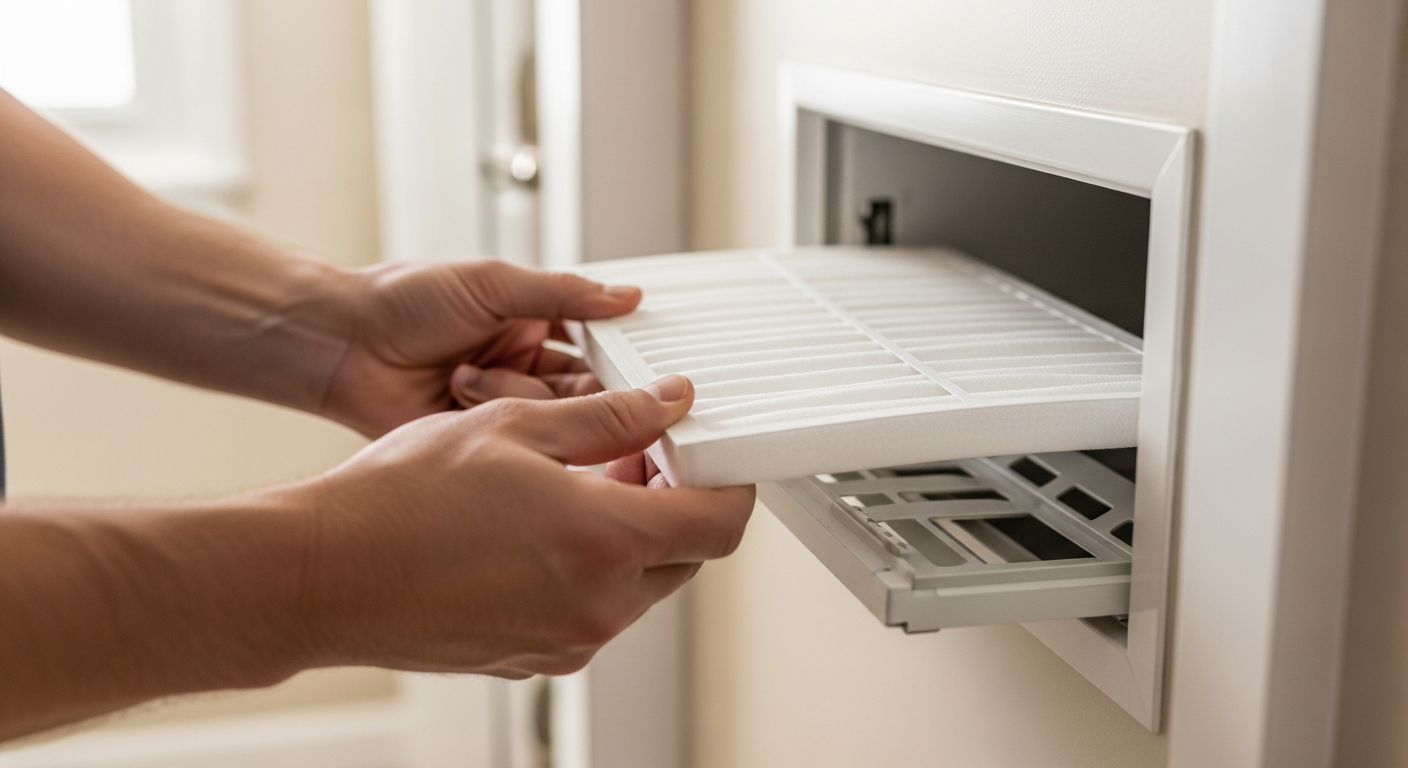
Uneven room temps? Duct booster fan installation costs: register fans $30–$100 DIY, inline fans $500–$800+ with pro. Learn when a booster works and when you need a bigger fix.
Makeup Air Unit Installation Cost Guide
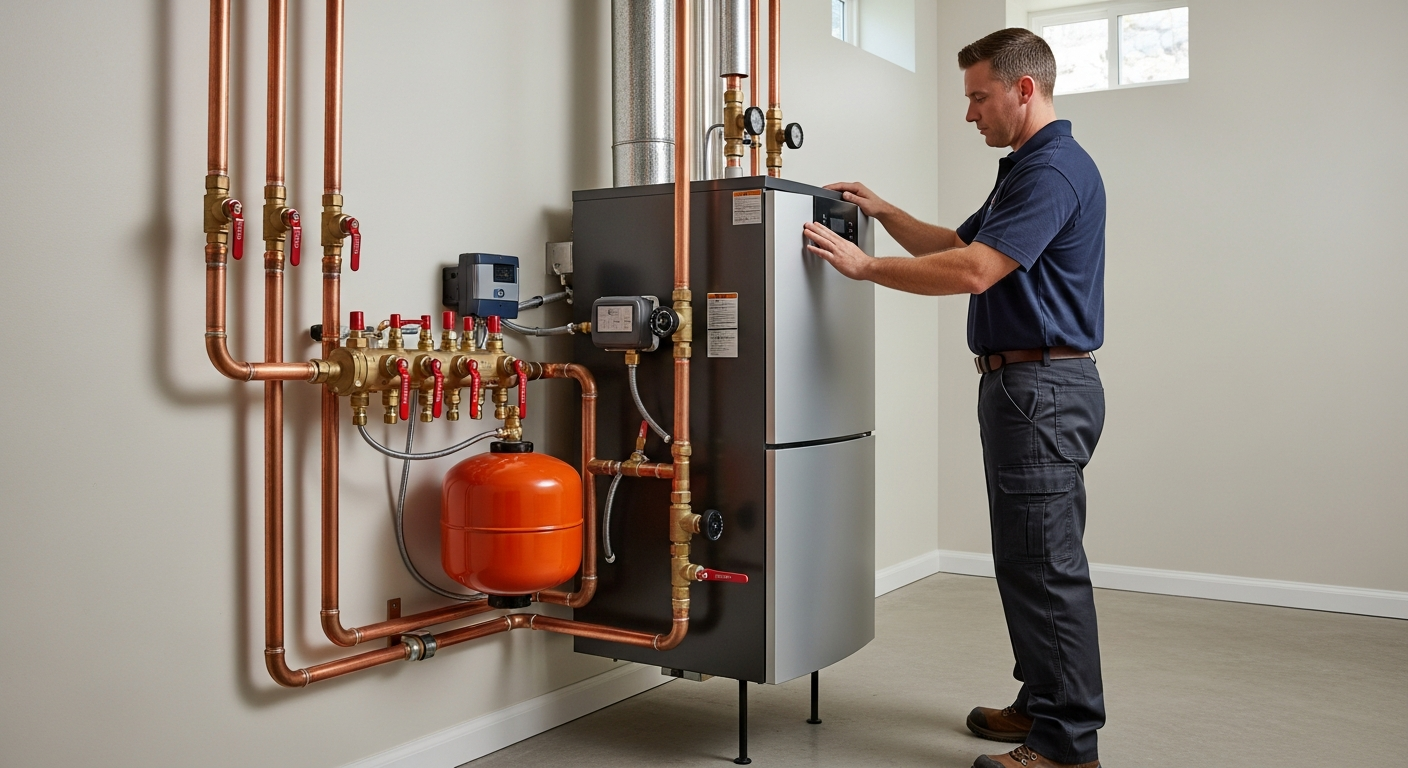
Expect to pay $1,500–$4,500 for a pro-installed makeup air unit. Discover passive vs. tempered options, code triggers, and money-saving decision rules.