Why Heating Fuel Prices Fluctuate
Heating fuel prices shift from global supply, weather, and infrastructure. Learn concrete thresholds for upgrading equipment and locking in rates to manage your bills.
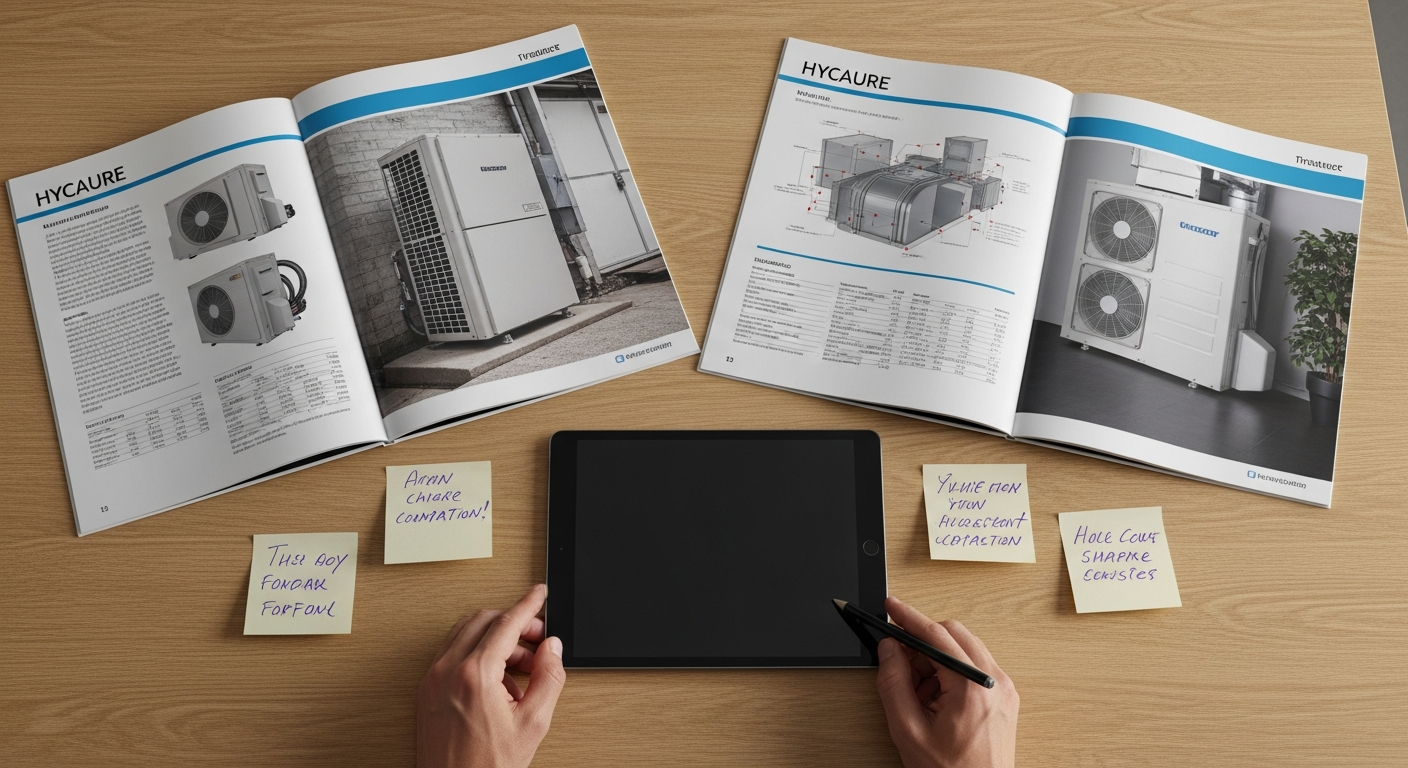
Lock in savings by matching your system to fuel price trends
The best defense against unpredictable fuel costs is a high-efficiency system sized correctly for your home, paired with a fixed-rate or budget plan and regular maintenance. Use the tools below to see if an upgrade pays off within 3–5 years.
What Matters Most
- Fuel prices are volatile, but your consumption is controllable with an efficient system.
- If your furnace is over 15 years old or below 80% AFUE, the savings from a new unit often exceed the cost of waiting.
- Fixed-rate or budget billing can smooth payment shocks but may lock in a premium; evaluate provider terms carefully.
- Annual maintenance catches small inefficiencies that compound into higher bills.
- Use online calculators to compare fuel costs per BTU before choosing a system.
Strengths
- Reduces monthly bill swings through predictability
- Lowers annual fuel consumption regardless of price
- Improves home comfort with modern equipment
- Increases home value with energy-efficient upgrades
- Protects against future carbon taxes or regulation shifts
Weaknesses
- Upfront costs for high-efficiency equipment can be $4,000–$12,000+
- Fixed-rate contracts may include cancellation fees or higher off-peak rates
- Electric heat pumps may not perform as well in extreme cold without a backup system
- Older homes may need insulation or ductwork upgrades first, adding cost
- Fuel switching (e.g., oil to gas) requires infrastructure and local availability
When to fix, tune, or replace your heating system
| Scenario | Usually do | Why |
|---|---|---|
| Furnace < 12 years old, AFUE > 85%, minor issue | Repair and tune | Cost under $500; avoids early replacement |
| Furnace 12–18 years old, AFUE 78–85%, moderate repairs needed | Get quotes for repair vs replacement | Run the repair-or-replace calculator; factor in fuel savings |
| Boiler or furnace > 18 years old, AFUE < 78%, or heat exchanger issue | Replace with high-efficiency model | Safety risk and fuel waste exceed repair cost |
| Propane/oil user with high bills; gas line available | Convert to natural gas or hybrid heat pump | Lower cost per BTU and stable supply; may qualify for rebates |
| Electric resistance heat, high winter bills | Add heat pump or mini-split | Can cut heating costs 50%+ in moderate climates |
Quick Answer: What Moves Your Heating Fuel Bill?
Three forces push your monthly bill up or down: global commodity pricing (crude oil, natural gas), local weather-driven demand, and the efficiency of your home and equipment. You can’t control the global market, but you can lock in rates, upgrade to a high-efficiency system, and fine-tune your usage patterns to reduce the hit when prices spike.
Key Drivers
- Global supply disruptions: Geopolitical events, OPEC decisions, or pipeline outages.
- Seasonal demand surges: Polar vortex events, prolonged cold snaps.
- Infrastructure bottlenecks: Refinery maintenance, trucking shortages, or port delays.
- Regulatory costs: Carbon taxes, low-sulfur blend mandates, renewable fuel credits.
Decision Factors and Cost Control Methods
1. Efficiency Is Your Best Shield
A system’s AFUE (Annual Fuel Utilization Efficiency) rating directly translates fuel into heat. An old furnace at 70% AFUE wastes 30 cents of every fuel dollar; a modern 95%+ furnace keeps nearly all of it. If your unit is over 15 years old, run the Repair or Replace Calculator to see if an upgrade pays for itself in 3–5 years.
2. Rate Protection Plans
Budget billing averages your annual cost into equal monthly payments, shielding you from seasonal spikes. Fixed-price contracts lock a per-gallon or per-therm rate for a set period, but may include premiums or cancellation fees. Always compare the fixed-rate offered against the provider’s variable-rate history—use our Quote Checker to verify if a contract is competitive.
3. Fuel Type Matters—Compare Cost per BTU
Natural gas, heating oil, propane, and electric resistance heat have very different price volatility. Use the BTU Calculator to compare your local utility rates and estimate annual costs for each fuel. In many markets, switching from oil to natural gas or a heat pump can cut heating bills by 30–50%.
What Moves Your Bill: Factors and Homeowner Actions
| Factor | Typical Effect | What You Can Do |
|---|---|---|
| Global crude oil price spike | Oil & propane jump within days; natural gas may follow | Lock fixed-rate if you expect sustained rise; consider fuel conversion |
| Prolonged cold spell | Demand outstrips local inventories; spot shortages possible | Budget billing smooths payment; pre-buy off-season if using oil/propane |
| Refinery shutdown / pipeline issue | Temporary regional delivery bottlenecks; price gouging risk | Maintain 30–45 day fuel reserve; avoid emergency deliveries |
| Carbon tax or regulatory change | Gradual increases built into the rate per unit | Upgrade to high-efficiency equipment now to avoid future surcharges |
| Aging, inefficient furnace (AFUE < 78%) | Pays 20–30% more per useful BTU than a new model | Calculate payback; federal/local rebates often cover 10–30% of upgrade cost |
Safety Boundaries: What You Can (and Can’t) Do Yourself
Safe homeowner checks and maintenance
- Test thermostat accuracy and replace batteries.
- Change furnace air filters monthly during heating season.
- Clear debris and snow around outdoor vents, heat pump condensers, or oil fill pipes.
- Inspect visible ductwork in basements or crawlspaces for disconnected joints.
- Verify pilot light (if present) is blue and steady; yellow flame may require professional cleaning.
Professional-only tasks
- Any gas line work, combustion tune-ups, manifold pressure adjustments.
- Heat exchanger inspection for cracks—risk of carbon monoxide.
- Electrical component testing (ignitors, flame sensors, control boards, capacitors, contactors).
- Refrigerant handling in heat pumps.
- Chimney or flue cleaning for oil-fired units.
- Any repair that bypasses safety switches.
If a repair involves these areas, use our contractor search to find a licensed, insured technician.
Use Our Calculators to Test Upgrade Scenarios
Before you spend on a new system or service plan, run the numbers:
- Repair or Replace Calculator — input age, repair estimate, and efficiency to see the financial break-even.
- BTU Calculator — compare delivered cost per million BTU for different fuels in your area.
- System Age Decoder — decode your HVAC serial number to confirm manufacture date.
- Rebate Finder — locate utility and federal incentives for high-efficiency heating equipment.
- HVAC Cost Estimator — get a rough range for replacement or repair in your zip code.
Decision Tree: When to Upgrade Your Heating System
Use these concrete thresholds to decide:
- Furnace or boiler is under 12 years old and AFUE > 85%: Invest in annual maintenance and minor repairs. Typical service cost $150–$250 per visit keeps it efficient.
- Age 12–18 years, AFUE 78–85%, with a repair quote over $700: Run the repair-or-replace calculator. Often, a new system’s fuel savings recover the cost within 5 years.
- Age > 18 years, AFUE < 78%, or any heat exchanger issue: Replace immediately. Safety risks and fuel waste are too high. Expect $4,000–$12,000+ for a new furnace or boiler, before rebates.
- Propane or oil costs exceed $3.50/gallon, natural gas available: Get quotes for conversion. Many states offer $500–$2,000 rebates to switch.
- Electric resistance heat (baseboard, space heaters) is your primary source: Add a heat pump or mini-split. Savings often 50%+ in climates that rarely drop below 0°F.
Contractor Checklist: Questions to Ask Before You Buy
When getting quotes for maintenance plans, fuel conversion, or system replacement, ask:
- “Can you provide an AFUE or HSPF rating for the proposed system? What’s the real-world seasonal efficiency?”
- “Does your quote include a Manual J load calculation, or are you just matching my old unit’s size?”
- “What rebates or tax credits does this system qualify for, and can you help with paperwork?”
- “What annual maintenance is required to keep the warranty valid? Do you offer a service plan?”
- “If we convert fuel types, will you handle tank removal, gas line extension, and venting?”
- “Do you have references for installations in homes built before 1980?” (older homes often have unique needs)
- “Can you show proof of NATE certification and local licensing before work begins?”
Local Market Considerations
Cold climates (Northeast, Midwest, Mountain states): Prioritize AFUE > 95% and consider a cold-climate heat pump with gas backup. Budget billing is a must; fixed-rate contracts are popular for oil.
Coastal areas with high electricity rates: Dual-fuel (heat pump + gas furnace) may minimize bills. Corrosion-resistant units matter near salt air.
Humid South: Heat pumps dominate; focus on HSPF and SEER2 ratings. Dehumidification performance affects comfort as much as heating.
Older homes (pre-1980): Insulate attics and seal ductwork before upgrading equipment—otherwise, even a 98% furnace wastes fuel. Use a blower-door test to find leaks.
Methodology: How We Estimate Costs and Savings
Editorial estimates are based on nationwide averages from disclosed contractor data, EIA fuel pricing, and accredited laboratory efficiency ratings. Numbers are not guaranteed quotes and may vary widely by region, season, system complexity, permit requirements, and contractor overhead. Always obtain at least three written proposals from local, insured HVAC professionals. Our tools provide directional guidance only; they do not replace an on-site load calculation or safety inspection.
Frequently Asked Questions
Why does my propane bill double in January even if I turn down the thermostat?
Propane demand soars during extreme cold, often exhausting local storage. Delivery companies may impose “will-call” delays or emergency fees. A poorly insulated home also forces the furnace to run longer, rapidly draining the tank. Weatherizing and a fixed-price contract can stabilize both volume and unit cost.
Is it cheaper to heat with natural gas or oil right now?
In most U.S. regions, natural gas costs significantly less per million BTU than heating oil—often 50–70% less. But if you don’t have a gas line, conversion costs can range $5,000–$15,000. Use the BTU Calculator with your local rates to see if switching makes sense.
Can a new furnace really pay for itself in fuel savings?
Yes, if you’re replacing an old unit with AFUE < 70% and the new unit exceeds 95%. In cold climates, savings of $400–$1,200 per year are common, recovering the cost in 5–7 years. Add rebates, and the payback shortens to 3–5 years. Run the Repair or Replace Calculator with your own numbers.
Should I lock in a fixed-rate fuel contract?
It depends on market trends and your risk tolerance. If crude oil futures are climbing and winter demand is forecast to be above average, a fixed rate can cap your cost. However, if prices drop, you’re stuck paying the premium. Ask providers for a cap-price plan (float down if market falls) or budget billing as a less risky alternative.
How do I know if my home needs better insulation before replacing the heating system?
A professional energy audit, often subsidized by your utility, measures air leakage and insulation levels. If your attic has less than R-38 or walls feel cold drafts, prioritize sealing and insulating. Upgrading a furnace without fixing the building envelope is like pouring water into a leaky bucket.
Related articles
Connect this page to adjacent guides so readers keep moving deeper into the topic cluster.

How Utility Demand Response Programs Use Smart Thermostats
Enrolling your smart thermostat in a demand response program can earn you up to $150/year while keeping you comfortable. Learn if it's right for your home and how to maximize benefits.

Heating Industry Trends to Watch
Smart thermostats and heat pumps headline heating industry changes. But which trends deliver real savings? Use our decision guide, cost ranges, and contractor checklist to plan your upgrade.

How Gas Bans Are Affecting Heating Choices
Gas bans in new construction and retrofit codes are pushing homeowners toward electric heat pumps. Understand your options, costs, and available incentives before you replace your furnace.