Best Thermostat Settings for Saving Money
Learn the exact thermostat settings for summer and winter that slash energy bills without sacrificing comfort. Use our tools and checklists to maximize savings.
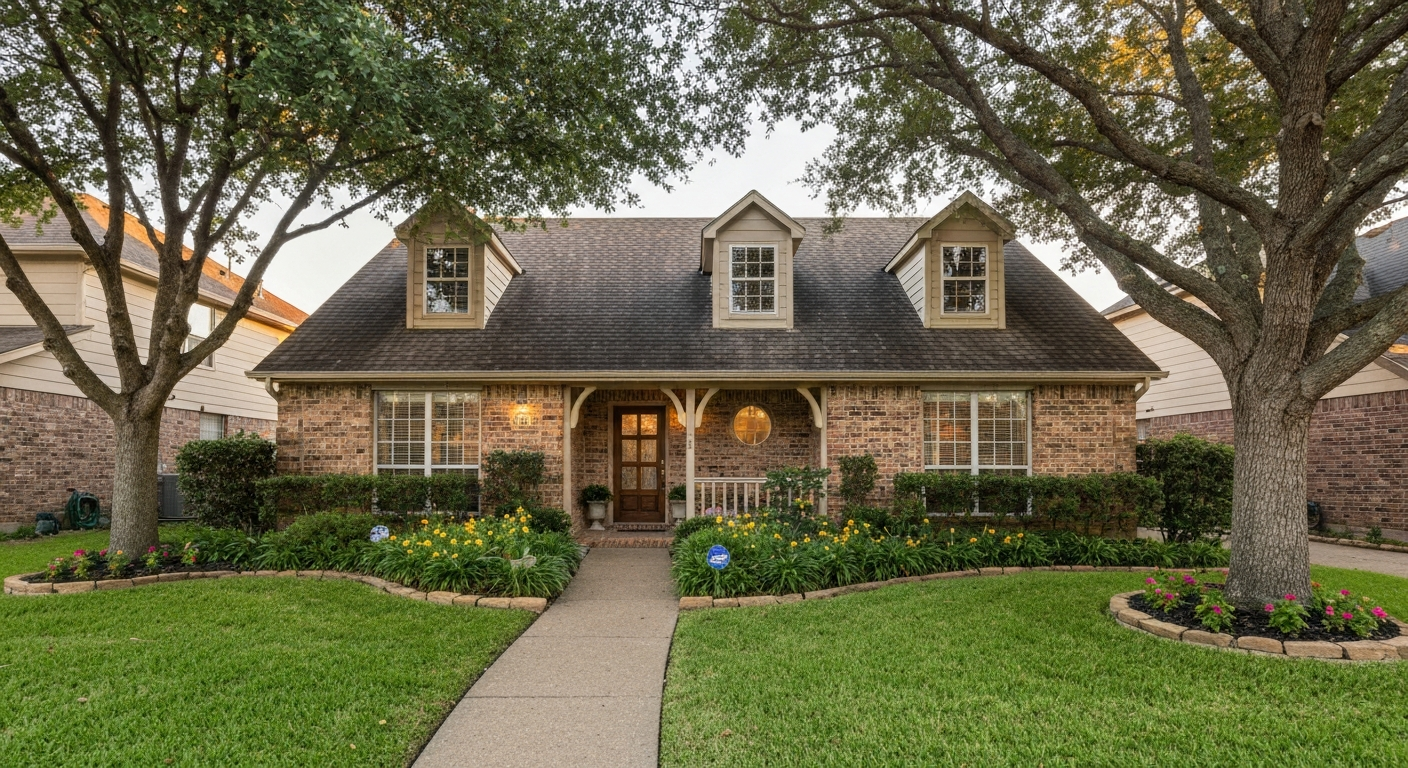
Set It and Forget It: Program Your Thermostat for Maximum Savings
A disciplined thermostat schedule, supported by the right equipment and maintenance, can slash energy bills by 10% or more without sacrificing comfort. Smart thermostats automate the process, but even manual adjustments pay off.
What Matters Most
- Invest in a programmable or smart thermostat for automatic setbacks.
- Use fans and proper clothing to maintain comfort at higher summer settings.
- Regular filter changes and annual tune-ups keep savings on track.
- Always get multiple quotes for HVAC upgrades and ask about rebates.
- Never sacrifice safety for savings; hire pros for electrical or refrigerant work.
Strengths
- Based on DOE and Energy Star guidelines
- Applicable to all climates with local tweaks
- Simple, actionable advice
- Combines behavioral changes with technology
- Transparent about costs and ROI
Weaknesses
- Heat pumps may require different setback strategies; check manufacturer guidance.
- Savings depend on home insulation and system efficiency.
- Smart thermostats require stable WiFi and occasional troubleshooting.
- Extreme climates may need supplemental heating or cooling.
- Older systems may benefit more from repair or replacement than from thermostat adjustments alone.
Thermostat Strategy Decision Summary
| Scenario | Usually do | Why |
|---|---|---|
| Manual thermostat, forget to adjust | Upgrade to programmable or smart | Automates setbacks, saves 10%+ with no effort |
| Smart thermostat already installed | Set aggressive but comfortable setbacks | Optimize energy use without comfort compromise |
| High summer bills in hot climate | Raise setting to 78°F+ when home, use fans | Fans make it feel 4°F cooler; less AC runtime |
| Cold winter, drafty house | Lower setting at night but not below 60°F | Balances savings with pipe protection and comfort |
| Considering a new AC/furnace | Use cost estimator and rebate finder tools | Right-size system and capture incentives before buying |
Quick Answer: Set Your Thermostat to These Temperatures
For immediate savings, use these proven settings. They balance comfort and energy efficiency based on U.S. Department of Energy recommendations.
| Season | When Home & Awake | When Away | When Sleeping |
|---|---|---|---|
| Summer | 78°F | 82–85°F | 82°F (or use fan only) |
| Winter | 68°F | 60–62°F | 62–65°F |
Key rule: Set back your temperature 7–10°F for at least 8 hours daily to cut annual HVAC costs by up to 10%. A programmable or smart thermostat makes this automatic and worry-free.
Why These Settings Work
The smaller the difference between indoor and outdoor temperature, the less your system runs. In summer, 78°F indoors may feel warm, but a ceiling fan makes it feel 4°F cooler. In winter, 68°F is comfortable with a sweater. Every degree of setback over 8 hours can save about 1% on your bill.
Smart Thermostats: The Real Money-Saver
If you still have a manual thermostat, upgrading is the single best move. Smart thermostats learn your schedule, use geofencing (learn more), and provide energy reports. They can pay for themselves in under two years. If you’re comfortable with low‑voltage wiring, many models can be self‑installed (see wiring basics), but always turn off power first. Otherwise, hire a qualified technician—expect installation to cost $100–$250 on top of the device.
Smart thermostats also enable zoning when paired with compatible dampers (zoning guide). This lets you set different temperatures for each room, cutting waste in unoccupied spaces.
Safety Boundaries: What You Can and Cannot Do
Homeowner-Safe Checks & Tasks
- Replace disposable air filters every 1–3 months (monthly if pets).
- Check thermostat batteries; clean dust off sensors.
- Keep supply and return vents unblocked by furniture or curtains.
- Gently rinse outdoor condenser fins with a garden hose (power off).
- Inspect visible ductwork for gaps; seal with mastic or metal tape—not duct tape.
Pro‑Only Work—Do Not Attempt
- Refrigerant handling, leak repair, or adding refrigerant.
- Electrical component replacement (capacitors, contactors, control boards, motors).
- Compressor or combustion system work.
- High‑voltage wiring or circuit additions (C‑wire runs behind walls).
If your thermostat wiring requires a new wire or you’re uncomfortable, find a certified HVAC contractor near you.
Tools to Fine‑Tune Your Savings
- HVAC Cost Estimator – Budget for a new thermostat, AC, or furnace.
- Repair or Replace Calculator – See if a new system beats constant fixes.
- BTU Calculator – Size your next system accurately.
- Rebate Finder – Uncover utility rebates for smart thermostats and efficient HVAC.
- System Age Decoder – Check if your unit is due for replacement.
Decision Tree: Adjust, Upgrade, or Call a Pro?
Use these rules to decide your next step.
- Is your thermostat manual and you often forget to adjust it? → Buy a programmable or smart thermostat. Budget $30–$250.
- Do you already have a programmable model but bills are still high? → Review your schedule: make sure setbacks are at least 7°F for 8+ hours. Then, check filter, duct leaks, and consider an energy audit.
- Have a heat pump? → Check the manual or ask a pro: some older heat pumps cannot handle large setbacks without expensive auxiliary heat kicking in. In such cases, limit setbacks to 3–5°F or use a smart thermostat with heat‑pump optimization.
- Considering a new whole‑home system? → Run the repair or replace calculator first. Then get at least three quotes and ask the questions below.
Questions to Ask an HVAC Contractor
Before hiring for thermostat installation or system work, verify their expertise with these questions:
- Are you licensed, bonded, and insured for HVAC work in my state?
- Can you provide a written estimate that separates parts and labor?
- Do you have experience installing smart thermostats with my specific system (e.g., heat pump, dual fuel)?
- What rebates or manufacturer incentives can I get, and will you handle the paperwork?
- What maintenance plan do you offer, and what does it include?
- How do you handle emergency call‑outs, and what are typical response times?
- Will you inspect ductwork and insulation as part of the installation?
- Can you provide references from similar homes in my area?
Climate‑Specific Thermostat Tips
Hot/Dry Climates (e.g., Phoenix, Las Vegas)
Summer: Set to 78°F when home, but use fans and keep blinds closed during peak hours. Consider a programmable thermostat that pre‑cools your home during off‑peak rates. If your AC struggles, get a Phoenix‑area AC checkup.
Hot/Humid Climates (e.g., Houston, Miami)
Humidity is the enemy. Don’t turn the AC off completely when away; set it to 82–85°F to keep moisture under control. A dehumidifier or a variable‑speed system can help. Check your condensate drain monthly.
Cold Climates (e.g., Fargo, Chicago)
Winter: Keep the home at least 55–60°F even when away to prevent frozen pipes. Smart thermostats can alert you if indoor temperature drops dangerously. For heating repair, find Chicago heating pros.
Mild/Coastal Climates (e.g., San Francisco, Seattle)
Often you can open windows at night instead of running AC. Use a thermostat with humidity sensing to avoid mold. Portable or ductless heat pumps may be more efficient than central systems.
Older or Drafty Homes
Insulation and air sealing matter more than your thermostat setting. Use the BTU calculator to see if your system is oversized. Add weatherstripping and attic insulation before investing in a smart thermostat.
Methodology: What These Numbers Are Based On
Our thermostat recommendations come from the U.S. Department of Energy and Energy Star, which cite 1% savings per degree of setback over an 8‑hour period. Cost estimates are editorial ranges drawn from national contractor surveys, manufacturer data, and our in‑house HVAC cost database. They are not guaranteed quotes but reflect typical prices as of 2025. Always obtain multiple written estimates for your specific home and system.
Frequently Asked Questions
Does turning the AC off while I’m at work save more than turning it up?
No. Turning it off entirely in humid climates can lead to mold and overload the system when you restart. A 7–10°F setback is safer and still cuts runtime.
How long does it take for a smart thermostat to pay for itself?
Most models cost $100–$250 and save $50–$100 per year, so payback is typically 1–3 years. Use our cost estimator to factor in installation.
Is 78°F really comfortable in summer?
It can be if you manage humidity and airflow. A ceiling fan makes 78°F feel like 74°F. Wear light clothing and close sun‑facing blinds during the day.
What if I have a heat pump—can I still do large setbacks?
Check your owner’s manual. Many modern heat pumps handle setbacks fine, but older ones may kick in the expensive auxiliary heat. A thermostat with heat‑pump control (like many smart models) can manage this automatically. If unsure, ask a pro during your next maintenance visit.
How often should I really change my air filter?
Standard 1‑inch filters: every 30–60 days during peak seasons. Homes with pets or allergies may need monthly changes. A dirty filter can increase runtime and erase thermostat savings.
Related articles
Connect this page to adjacent guides so readers keep moving deeper into the topic cluster.

Tips for Choosing a Smart Thermostat for a Heat Pump
Learn which smart thermostat features prevent expensive auxiliary heat mistakes, how to verify compatibility, and when to call a pro.
Understanding C Wire Adapters for Smart Thermostats
Missing the C wire for your smart thermostat? C wire adapters solve power issues without pulling new wiring. Compare types, costs, and installation options.

Best Smart Thermostats for Multi Zone Homes
Discover which smart thermostats deliver accurate zoning, remote sensors, and energy savings for homes with multiple HVAC zones. Our guide helps you pick the right model and avoid costly compatibility mistakes.