Cost to DIY vs Hire a Pro for HVAC Maintenance
Weigh the true costs of DIY HVAC maintenance versus hiring a pro. Find out which tasks save money, protect your warranty, and keep your system running safely.
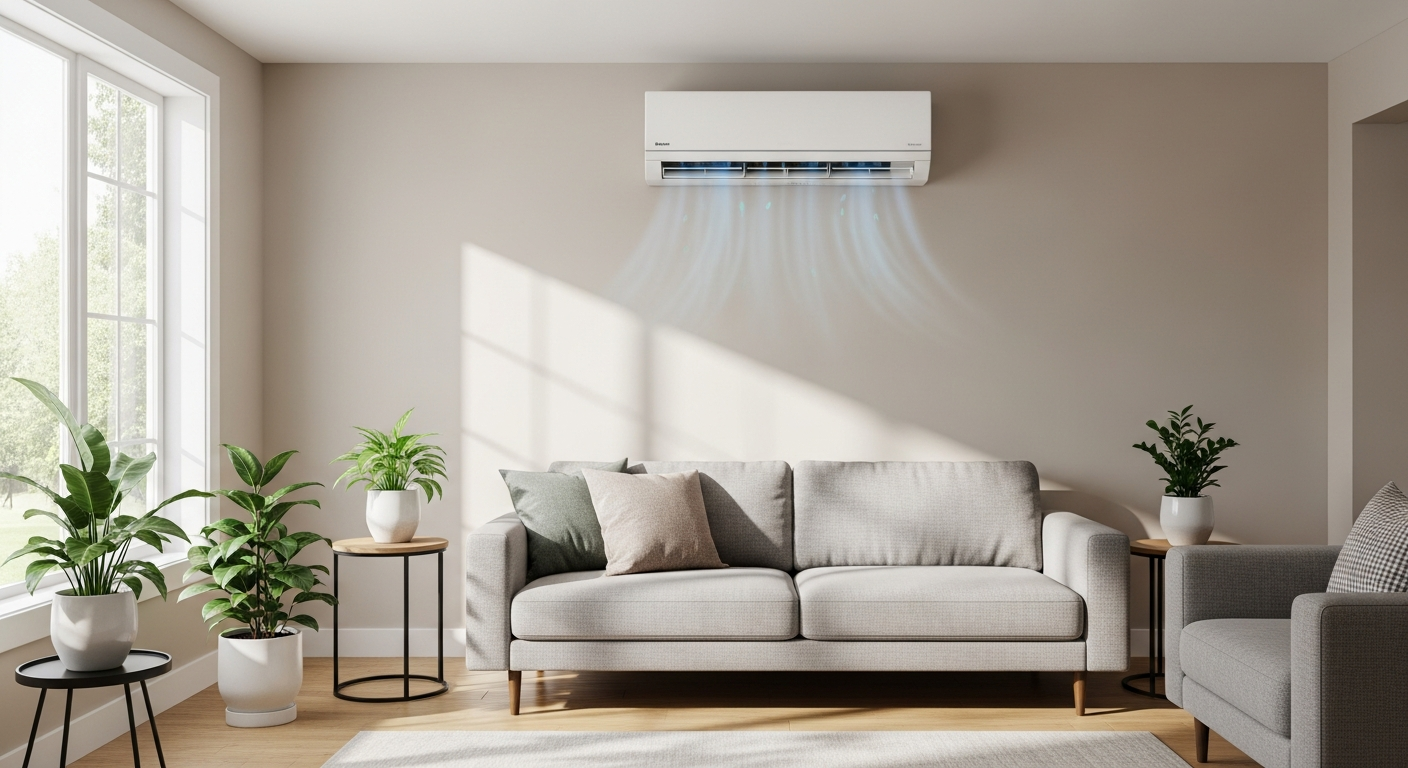
A hybrid approach saves the most money and risk
Homeowners should handle simple, non-technical tasks like filters and drain lines, but always schedule an annual professional tune-up to protect the system, warranty, and energy efficiency.
What Matters Most
- DIY filters, coils, and drain lines cost under $25 and prevent most common issues.
- An annual pro visit ($80–$250) is cheaper than a single major repair.
- Never touch electrical, refrigerant, or gas components yourself.
- Keep a maintenance log and receipts to preserve warranty.
Strengths
- Preserves manufacturer warranty
- Catches small issues before they become expensive breakdowns
- Professional tools and training access sealed systems safely
- Often pays for itself in energy savings
Weaknesses
- Pro maintenance has an upfront cost every year
- DIY tasks carry risk if done incorrectly (e.g., coil damage)
- Not all contractors are equal; need to vet carefully
- Some homeowners may be tempted to skip pro visits to save money
Decision Summary
| Scenario | Usually do | Why |
|---|---|---|
| System under 3 years old | DIY basics + annual pro check | Preserves warranty; system is clean enough for simple upkeep |
| Old system (10+ years) in harsh climate | Pro twice a year, minimal DIY | High wear and safety risks demand thorough inspections |
| You're handy and own basic tools | DIY filters, coils, drain; pro for the rest | Saves $100+ per year with very low risk |
| You smell gas or hear hissing | Call pro immediately, no DIY | Serious safety and system damage risk |
Quick Answer
For most systems, you can safely: replace air filters ($10–$30), clean outdoor coils with a hose, flush AC drain lines with vinegar, and check thermostat batteries. These simple steps maintain airflow and prevent clogs. For everything else—especially refrigerant, electrical components, gas burners, or compressor checks—hire a licensed pro ($100–$250 visit, or $150–$500/year for a plan). An annual pro tune-up is almost always required to keep your warranty valid.
What Maintenance Can You DIY? (With Costs)
| Task | DIY Materials Cost¹ | Pro Included? (Typical Tune-Up²) | Our Recommendation |
|---|---|---|---|
| Replace 1" air filter | $10–$30 | Usually included | DIY – How to change your filter |
| Clean outdoor condenser coils | $0 (garden hose) | Included (chemical clean) | DIY with care – Safe coil cleaning guide |
| Clear condensate drain line | $5–$10 (vinegar, shop vac) | Included (nitrogen flush) | DIY – Clear a clogged drain line |
| Check thermostat & batteries | $5 | Inspection included | DIY |
| Inspect/tighten electrical connections | Not safe | Included | Pro only |
| Measure refrigerant charge | Not safe, illegal without EPA cert | Included | Pro only |
| Test capacitors & contactors | High voltage risk | Included | Pro only |
| Inspect heat exchanger (furnace) | Not safe (combustion gas risk) | Included | Pro only |
¹Material costs are average retail prices. ²Pro tune-up typically costs $100–$250 per visit. All prices are editorial estimates, not guaranteed.
Safety Boundaries: What’s Off-Limits for Homeowners
Safe for Most Homeowners
- Replacing disposable filters monthly or as needed.
- Gently hosing down outdoor condenser coils (power off).
- Pouring vinegar into the condensate drain line to prevent clogs.
- Listening for unusual sounds and watching for ice buildup.
- Checking thermostat settings and battery status.
Leave to a Licensed Professional
- Adding or removing refrigerant (requires EPA certification).
- Opening electrical panels beyond a simple breaker reset.
- Cleaning or adjusting gas burners, pilot lights, or flue pipes.
- Testing or replacing capacitors, contactors, or control boards.
- Inspecting the heat exchanger for cracks (CO risk).
Warning signs to call a pro immediately: Burning smell, gas odor (rotten eggs), hissing sounds, frequent breaker tripping, or coils frozen over.
Use Our Free Tools to Plan Your Maintenance
- HVAC maintenance cost estimator – See typical tune-up and repair prices for your ZIP code.
- Free maintenance reminders – Get email/text alerts for filter changes and seasonal checkups.
- Repair or replace calculator – If your system is aging, find out if next year’s maintenance is still worth it.
- Utility rebate finder – Many power companies offer discounts for professional maintenance.
When to DIY vs. Hire a Pro: Decision Rules
Use these concrete thresholds to match your situation with the right choice.
- System age: Under 5 years → DIY filters/coils + annual pro visit (warranty protection). 5–10 years → DIY quarterly, pro every 12–18 months. Over 10 years → Pro inspection every 6–12 months; plan for replacement if repair exceeds 50% of new system cost.
- Energy bill spike: 20%+ increase without weather change → Pro inspection to find inefficiency (often dirty coils or low refrigerant).
- Unfamiliar sounds or smells: Any gas smell, grinding, or banging → Stop and call a pro.
- Visible damage: Bent coil fins, water stains around unit, rust on furnace → Pro can assess full impact.
Contractor Checklist: Questions to Ask Before You Book
- “Do you provide a written checklist of what your tune-up includes?” (Look for: inspect electrical, check refrigerant pressures, test safeties, clean coils, measure airflow, check flue gases if furnace.)
- “Will I get a report with photos and readings (e.g., CFM, delta T, capacitor microfarads)?”
- “Are you licensed, insured, and NATE-certified?” (Ask for license number to compare contractors.)
- “Do you offer an annual maintenance plan, and what are the benefits?” (Typical plans $150–$500 include priority scheduling and repair discounts.)
- “Is your pricing flat-rate or hourly? Are there any extra charges for after-hours or emergency service?”
- “Can you provide local references from similar homes?”
How Climate and Home Age Affect Your Choice
Hot climates (Phoenix, AZ, etc.) – AC systems run hard; dust clogs coils quickly. Consider twice-yearly professional tune-ups. Find Phoenix AC contractors who know desert conditions.
Cold climates (Chicago, IL, etc.) – Furnace maintenance before winter is critical for safety; a cracked heat exchanger can release carbon monoxide. Find Chicago heating pros.
Humid/coastal regions – Drain lines clog more easily; algae growth is common. DIY vinegar treatments are essential, but professionals should deep-clean evaporator coils annually to prevent mold.
Older homes (pre-1990) – Electrical panels, duct sizes, and refrigerant types may not meet modern standards. A pro can identify necessary upgrades before they fail. Use our system age decoder to check your equipment.
How We Develop Our Cost Estimates
All price ranges in this guide are editorial estimates based on aggregated contractor surveys, public utility data, and regional labor-rate adjustments as of early 2025. They are for planning purposes only and are not guaranteed quotes. Actual costs vary by system size, brand, location, season, accessibility, and local code requirements. Recommendations are aligned with manufacturer warranty terms, ACCA standards, and typical homeowner skill levels for safety. Always request at least two written quotes before authorizing work.
Frequently Asked Questions
1. Is it really safe to clean my outdoor AC coils with just a garden hose?
Yes, if you turn off power at the disconnect box and breaker first. Use a gentle stream, not a pressure washer, to avoid bending the delicate fins. For heavy dirt, spray a foaming coil cleaner (follow label) and rinse. If you see significant fin damage or oily residue (possible refrigerant leak), stop and call a pro.
2. How much does a professional HVAC maintenance visit typically cost?
Standard one-time visits range from $80 to $250 depending on your area and system complexity. Many companies offer annual plans ($150–$500) that bundle two tune-ups plus benefits like priority scheduling and repair discounts. Use our cost estimator to see local pricing.
3. Will doing my own maintenance void my equipment warranty?
Simply replacing filters or cleaning outdoor coils is unlikely to void warranty, but most manufacturers require documented professional maintenance at least once a year for warranty coverage. Keep receipts and a log of all DIY tasks and pro visits. Missing a pro tune-up could give the manufacturer a reason to deny a future claim.
4. I’m handy; can I test my AC capacitor or add refrigerant myself?
No. Capacitors store high voltage even when power is off and can cause severe shock. Refrigerant handling is illegal without EPA Section 608 certification. These tasks require specialized tools and training. A certified contractor will do these safely as part of a tune-up.
5. How do I know if my system needs more than just a tune-up?
Signs include: short cycling (turns on/off frequently), weak airflow, rooms that never reach set temperature, ice on refrigerant lines, or a sudden 30%+ jump in energy bills. In these cases, book a diagnostic visit ($80–$200) rather than a basic maintenance call. Our repair or replace calculator can help weigh options.
Methodology
HVACDatabase estimates combine common contractor price patterns, service-category pricing ranges, equipment complexity, urgency, regional labor variation, and known HVAC safety boundaries. Actual prices vary by city, brand, system size, access, warranty status, permit requirements, and whether the visit discovers ductwork, electrical, refrigerant, gas, or drainage issues. Use these numbers to sanity-check quotes, not as a guaranteed price.
Related articles
Connect this page to adjacent guides so readers keep moving deeper into the topic cluster.

Cost to Install Multiple Smart Thermostats
Get a clear cost breakdown for installing 2–4+ smart thermostats. Includes equipment, labor, zoning upgrades, and how to save with utility rebates. Practical checks and contractor questions inside.
Duct Booster Fan Installation Cost
Uneven room temps? Duct booster fan installation costs: register fans $30–$100 DIY, inline fans $500–$800+ with pro. Learn when a booster works and when you need a bigger fix.
Makeup Air Unit Installation Cost Guide
Expect to pay $1,500–$4,500 for a pro-installed makeup air unit. Discover passive vs. tempered options, code triggers, and money-saving decision rules.