Cost to Repair HVAC After Flooding
Get clear, practical guidance on flood-damaged HVAC costs: when to repair ($500–$2,500) vs. replace ($5,000–$12,000), based on water type, submersion depth, and safety.
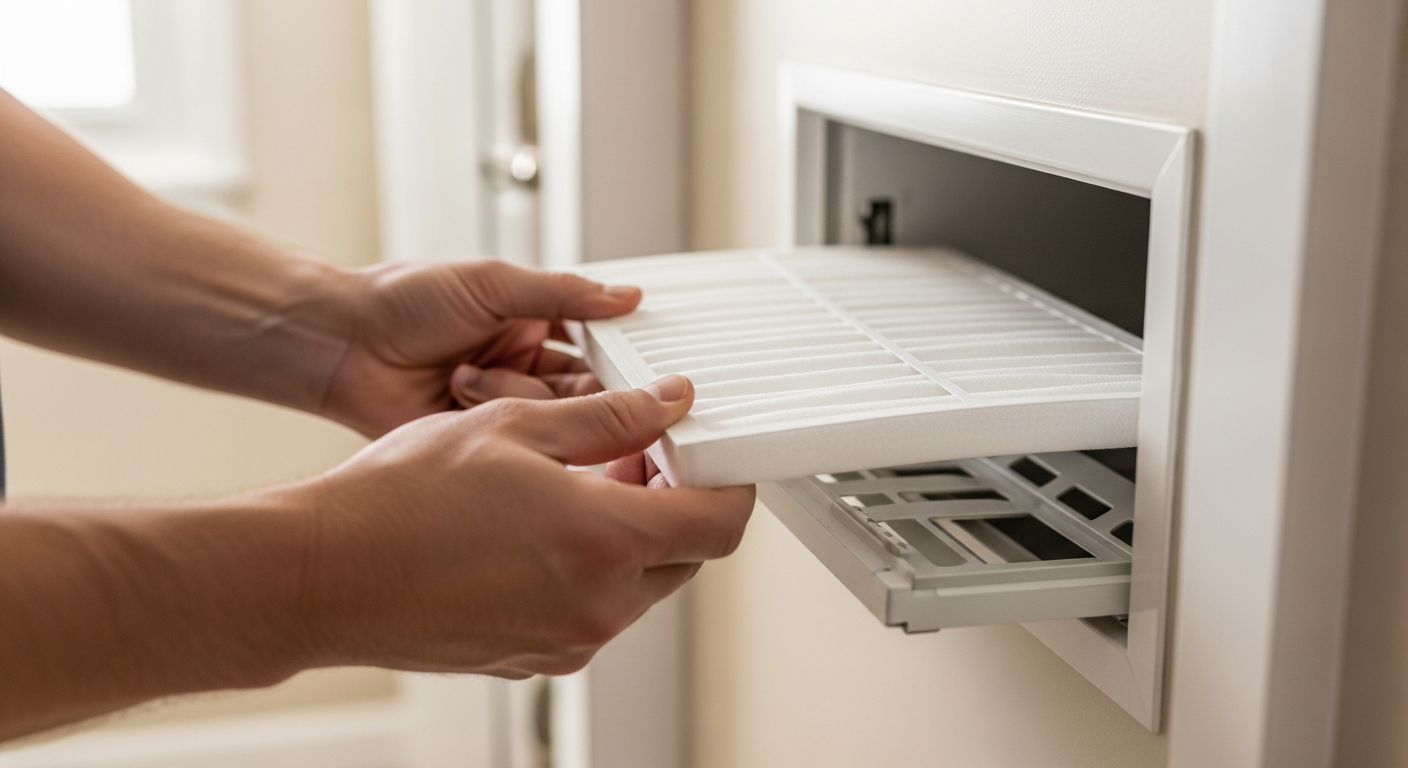
Replace if saltwater or major components were submerged; repair may be viable for limited freshwater damage addressed within hours.
After a flood, prioritize safety and documentation. Saltwater or sewage always mandates replacement. Quick action on freshwater damage can sometimes save electronics and motors, but gas valves and compressors must be replaced. Use our tools to verify contractor quotes.
What Matters Most
- Never turn on a flooded HVAC system before professional inspection.
- Saltwater or sewage flooding means replace the system and affected ductwork.
- Homeowner insurance rarely covers storm-flood HVAC damage; a separate flood policy is needed.
- Wet duct insulation must be replaced; contaminated ducts require professional antimicrobial treatment.
- Get a written diagnostic report and multiple quotes for insurance and comparison.
Strengths
- Clear decision thresholds eliminate guesswork and stress.
- Cost ranges help with budgeting and insurance claims.
- Safety checklist prevents dangerous DIY mistakes.
- Tool links provide personalized, actionable estimates.
- Regional advice accounts for climate-specific risks.
Weaknesses
- Actual costs vary significantly by market and contractor availability post-disaster.
- Homeowners may not accurately assess water type or submersion duration.
- Emergency demand can inflate prices and delay service.
Repair vs. Replace Decision Summary
| Scenario | Usually Do | Why |
|---|---|---|
| Saltwater or sewage reached any part | Replace entire system | Irreversible corrosion and biohazard contamination; safety risk is too high. |
| Freshwater submersion <2 hours; only air handler electronics | Repair after inspection | Electronics can be dried and tested; motor may need replacement if windings damaged. |
| Outdoor compressor unit submerged | Replace | Sealed system likely compromised; future leaks and premature failure almost certain. |
| Ducts filled with water | Replace insulation; professional duct cleaning | Porous materials cannot be fully cleaned; mold growth is a health hazard. |
| Furnace gas valve submerged | Replace | Safety device—never attempt to clean or reuse a flooded gas valve. |
Quick Answer
If floodwater reached your HVAC system, never turn it on until a licensed pro inspects it. Repairs range from $500 to $2,500 for limited freshwater damage to electrical controls and motors. Full system replacement runs $5,000 to $12,000+. Saltwater or sewage flooding almost always means replacement. Most homeowner policies exclude flood damage unless caused by an internal pipe burst. Use the decision rules and tools below to act quickly and safely.
Cost Breakdown: Repair vs. Replace
All figures are editorial estimate ranges; actual costs vary by region, system type, and contractor. A diagnostic visit typically costs $80–$200; emergency or after-hours calls may be higher.
| Component | Typical Repair Range | Replacement Notes | Key Consideration |
|---|---|---|---|
| Electrical controls | $200–$600 | Usually replaced | Moisture causes hidden corrosion |
| Blower motor | $400–$900 | Often replaced | Bearings & windings fail after submersion |
| Gas valve (furnace) | $200–$500 | Always replace | Safety—never clean a flooded gas valve |
| Compressor/outdoor unit | $1,500–$4,000+ | Often more cost-effective to replace full outdoor unit | Sealed system damage; saltwater destroys it |
| Duct cleaning & insulation | $500–$1,500 | Porous insulation must be replaced if wet | Mold risk; contaminated water requires professional treatment |
| Full system replacement | N/A | $5,000–$12,000+ | High-efficiency units cost more; consider flood-resistant placement |
Decision Rules: Repair or Replace?
Use these thresholds to guide your conversation with a pro. They are based on industry practice; always get a written diagnostic.
- Water type: Saltwater or sewage? Replace entire system and all affected ductwork. No exceptions.
- Submersion depth: Water reached furnace burners, heat exchanger, or outdoor compressor? Replace those major components or the whole unit.
- Duration: Submersion over 24 hours dramatically increases corrosion chance—strongly consider replacement.
- Component specifics: Electronics (boards, sensors) submerged? Replace. Gas valve submerged? Must be replaced. Blower motor? If bearings growl or windings test bad, replace.
- System age: Unit over 10 years old with major damage? Replacement often gives better long-term value.
Safety Boundaries: What You Can Safely Do and What Requires a Pro
Safe for homeowners
- Turn off power at the main breaker before approaching the unit.
- Document damage with photos of water lines and serial plates.
- Remove standing water only if you can do so without touching electrical equipment, and the area is fully de-energized.
- Call a licensed HVAC contractor for an emergency inspection.
Only licensed HVAC professionals should
- Test or replace any electrical components.
- Handle refrigerant lines or compressor work.
- Replace gas valves or heat exchangers.
- Remove or clean control boards and contactors.
- Perform antimicrobial duct treatments.
For emergency cooling ideas while waiting, see How to Cool Your Home During an AC Emergency.
Hidden Costs: Ductwork and Mold
Floodwater often carries contaminants. Wet duct insulation must be stripped and replaced. Professional duct cleaning with antimicrobial treatment typically adds $500–$1,500. If mold is found, remediation costs rise. Preventing frozen pipes can help avoid indoor flooding in cold climates.
Use Our Tools for Accurate Estimates
- Emergency HVAC Cost Tool – Get a personalized estimate based on your equipment and situation.
- Repair or Replace Calculator – Compare the true cost of fixing vs. upgrading.
- HVAC Cost Estimator – See regional pricing for common repairs and replacements.
- Find Emergency HVAC Contractors – Search vetted pros in your area.
Contractor Checklist: Questions to Ask Before Approving Work
- “Are you replacing all submerged electrical controls, not just drying them?”
- “Will the gas valve be replaced, not cleaned?”
- “How will you test the heat exchanger for cracks?”
- “Do you provide a written diagnostic report for my insurance claim?”
- “Are you treating ductwork for mold and replacing insulation?”
- “What is your emergency response time and availability?”
- “Can you provide a detailed, line-item quote separating labor and materials?”
Local Climate Considerations
- Coastal areas: Saltwater flooding means instant, irreversible corrosion. Always replace affected systems.
- Humid regions: Mold grows rapidly; prioritize duct inspection and drying within 24 hours.
- Cold climates: Flooded furnaces may have cracked heat exchangers—testing is mandatory for safety.
- Older homes: Duct insulation may contain asbestos; professional abatement may be required before replacement.
Methodology
Cost ranges and decision rules are editorial estimates compiled from industry cost databases, contractor surveys, and HVACDatabase’s national pricing tools. They represent typical numbers for a single-family home. Actual quotes will vary based on system specifics, region, seasonality, and contractor overhead. Always obtain multiple written quotes.
FAQs
- Can I test my HVAC after a flood if it looks dry?
No. Hidden moisture can cause electrical shorts or gas leaks. Only a pro with proper meters should test components. - Does standard homeowners insurance cover flood HVAC damage?
Usually not. It covers damage from a burst indoor pipe, but rising water from storms or flooding requires a separate NFIP flood policy. - How long can I wait to have my system inspected?
Ideally within 24–48 hours. Corrosion begins almost immediately; early intervention can sometimes salvage motors or fan assemblies. - Is it safe to clean floodwater from my air ducts myself?
No. Contaminated water requires professional antimicrobial treatment and insulation replacement to prevent mold spread throughout your home. - If only my outdoor AC unit was submerged, can it be repaired?
Unlikely. The compressor and coil are sealed but submersion often voids warranties and leads to early failure. Replacement is typically recommended.
For further emergency guidance, visit HVACDatabase Emergency Resources or compare contractors at Contractor Comparison.
Practical Next Steps
- Write down the system age, brand, model number, thermostat setting, and exact symptom before calling.
- Take photos of visible ice, water, error codes, dirty filters, or unusual equipment conditions without opening sealed or electrical compartments.
- Use HVAC cost estimator, Quote checker, Repair or replace calculator to estimate the budget or compare next steps.
- Get at least two written quotes for major repairs or replacements, especially when the system is more than 8-10 years old.
The strongest quote is not always the cheapest. Look for a contractor who explains the cause, confirms whether the repair is durable, documents warranty coverage, and gives you a clear path if the first repair does not fully solve the issue.
Related articles
Connect this page to adjacent guides so readers keep moving deeper into the topic cluster.

Cost to Install Multiple Smart Thermostats
Get a clear cost breakdown for installing 2–4+ smart thermostats. Includes equipment, labor, zoning upgrades, and how to save with utility rebates. Practical checks and contractor questions inside.
Duct Booster Fan Installation Cost
Uneven room temps? Duct booster fan installation costs: register fans $30–$100 DIY, inline fans $500–$800+ with pro. Learn when a booster works and when you need a bigger fix.
Makeup Air Unit Installation Cost Guide
Expect to pay $1,500–$4,500 for a pro-installed makeup air unit. Discover passive vs. tempered options, code triggers, and money-saving decision rules.