How to Keep Pipes From Freezing When Your Heater Fails
When your furnace quits in freezing weather, your plumbing is at risk. Learn the immediate steps to prevent burst pipes and water damage.
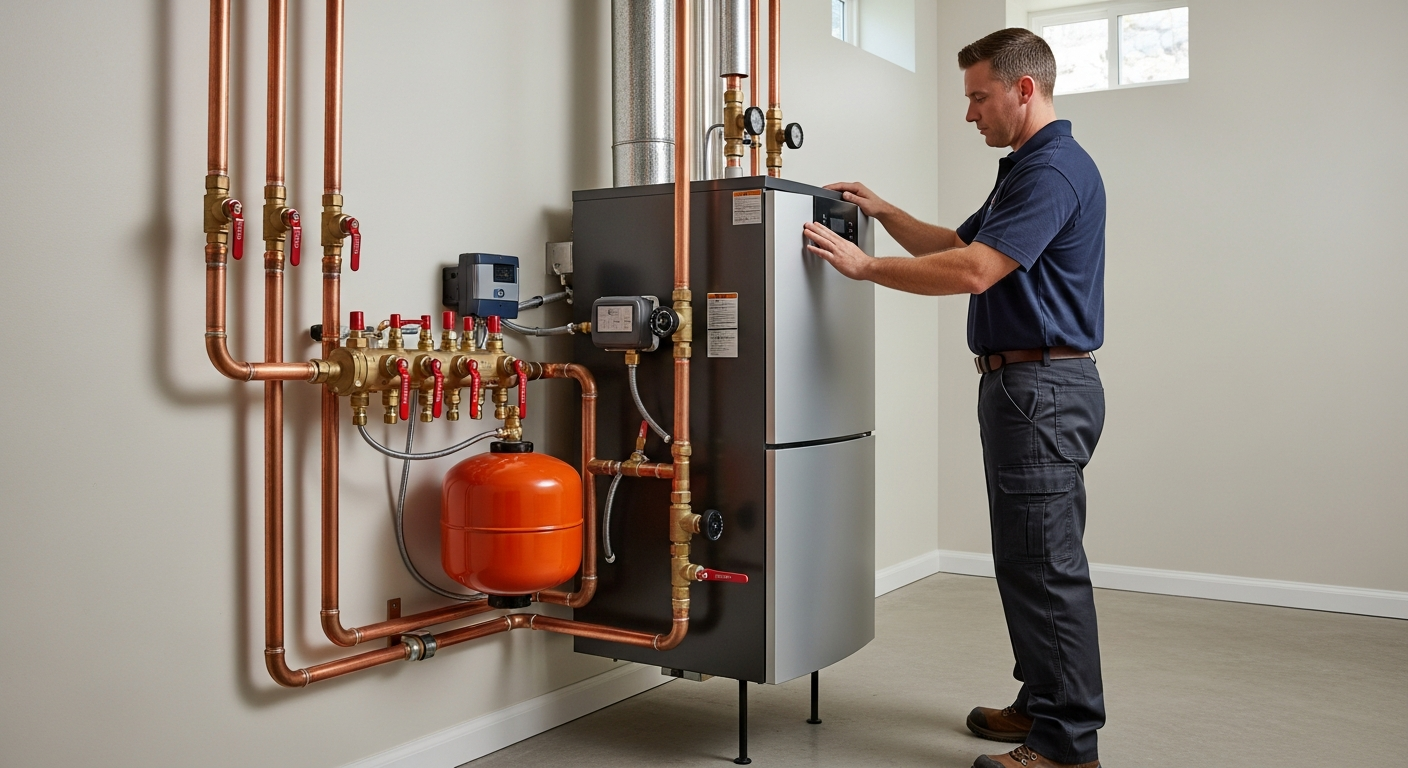
Act fast, drain first
The safest emergency play is to shut off the main water and drain the system once indoor temperatures approach 40°F. This preempts burst damage regardless of how long the furnace remains out, while safe heating tactics buy time for repairs.
What Matters Most
- Start dripping faucets and opening cabinets immediately.
- Shut off main water at 40°F indoor temperature or if a pipe is frozen.
- Use UL‑certified space heaters only, never near water.
- Book emergency HVAC help with our checklist and cost tools.
- Know your main shut‑off valve location before winter.
Strengths
- Prevents catastrophic water damage with low-cost actions.
- Clear decision thresholds eliminate guesswork.
- Empowers homeowners to act safely without professional help.
- Combines preventative steps with repair planning tools.
- Addresses regional and structural risk variations.
Weaknesses
- Space heater use carries fire risk if misused.
- Thawing frozen pipes can still cause hidden cracks to leak.
- Relies on homeowner having a safe alternative heat source.
- If power is also out, draining the system becomes harder without a generator.
- Emergency HVAC repair can be expensive, especially in rural areas.
Decision summary
| Scenario | Usually do | Why |
|---|---|---|
| Furnace fails, indoor temp above 50°F | Drip faucets, open cabinets, use portable heater safely | Buys time while you arrange repair; pipes won’t freeze quickly |
| Indoor temp between 40°F and 50°F | Add pipe insulation (towels/foam) and increase air circulation | Thermal mass slows cooling; extra insulation may prevent freeze |
| Indoor temp drops below 40°F | Shut off main water, drain faucets, move valuables from near pipes | Freeze imminent in exterior walls; draining prevents pressure bursts |
| Pipe frozen but no leak visible | Main water off, safe thawing, monitor for cracks | Prevents burst during thaw; can save pipe if done gently |
| Pipe has burst | Main water off immediately, call plumber, begin water cleanup | Minimizes flood damage; plumber can isolate and repair |
Quick Answer
Immediately drip all faucets served by pipes on exterior walls, open cabinet doors under sinks, and safely place a UL-certified space heater in rooms with vulnerable piping. If indoor temperature drops below 40°F, shut off the main water valve and drain faucets. If a pipe is already frozen or burst, shut off the main valve instantly. Then call a licensed HVAC contractor to restore heat—emergency diagnostic visits typically range $80–$200, often higher after hours.
Understanding the Risk
A single frozen pipe can cause thousands of dollars in water damage. When your heater fails and outside temperatures stay below 32°F, the clock starts. Pipes in exterior walls, unheated basements, crawlspaces, and attics are most vulnerable. This guide gives you a precise sequence of steps to minimize damage, plus tools to plan repairs and hire help fast.
Step‑by‑Step Emergency Actions
1. Relieve Pressure: Drip Faucets
Open both hot and cold taps slightly on faucets along exterior walls. A slow, steady drip keeps water moving and reduces pressure buildup even if ice forms. Run the faucet farthest from the main supply first to pull water through the entire system.
2. Circulate Warmth: Open Cabinet Doors
Kitchen and bathroom vanities trap cold air around pipes. Leave doors open so room air can reach the plumbing. If you have a safe portable heater, point it toward open cabinets but keep it at least 3 feet from combustibles and never leave it unattended.
3. Seal Drafts
Cold air leaking through cracks near dryer vents, windows, or rim joists can freeze pipes on contact. Temporarily block drafts with rolled towels, foam, or duct tape. Focus on areas directly around plumbing.
4. Shut Off the Main Water Valve (When to Do It)
- Indoor temp below 40°F: Freeze risk is high; shut off the main valve and open all faucets to drain the system.
- No water comes out of a tap: That pipe is likely frozen; shut off the main immediately.
- Visible crack or bulge: Main valve off, then call a plumber.
5. Safe Thawing (If Pipe Is Frozen but Not Burst)
After shutting off the main, you can carefully warm the frozen section with towels soaked in warm water or a hair dryer on low. Never use open flame. Watch for leaks as the ice melts.
Safety Boundaries: What Homeowners Can and Cannot Do
Safe homeowner checks:
- Drip faucets, open cabinets, seal drafts.
- Operate main water shut‑off valve.
- Use UL‑certified portable heaters according to manufacturer instructions.
- Check thermostat batteries and settings.
- Look for visible signs of pipe freezing (frost, bulges).
Pro‑only work:
- Gas line or combustion chamber inspection.
- Furnace ignition, heat exchanger, or control board repair.
- Refrigerant handling (heat pumps).
- Any electrical work beyond resetting a breaker.
- Permanent pipe replacement or soldering.
Decision Table: Which Action Fits Your Situation
| Scenario | Usually Do | Why |
|---|---|---|
| Furnace fails, indoor temp above 50°F | Drip faucets, open cabinets, use portable heater safely | Buys time while you arrange repair; pipes won’t freeze quickly |
| Indoor temp between 40°F and 50°F | Add pipe insulation (towels/foam) and increase air circulation | Thermal mass slows cooling; extra insulation may prevent freeze |
| Indoor temp drops below 40°F | Shut off main water, drain faucets, move valuables from near pipes | Freeze imminent in exterior walls; draining prevents pressure bursts |
| Pipe frozen but no leak visible | Main water off, safe thawing, monitor for cracks | Prevents burst during thaw; can save pipe if done gently |
| Pipe has burst | Main water off immediately, call plumber, begin water cleanup | Minimizes flood damage; plumber can isolate and repair |
Tools & Calculators to Plan Repairs
- Emergency Cost Tool: Estimate what emergency HVAC repair might cost in your ZIP code.
- Repair or Replace Calculator: If your furnace is old, see if replacement is more economical than repeated emergency fixes.
- Quote Checker: Validate contractor quotes for fairness.
- System Age Decoder: Determine your furnace’s age to anticipate reliability.
- Rebate Finder: Find local incentives for high‑efficiency replacement if needed.
Decision Rules for Freezing Pipe Risk
Use these thresholds to decide how urgently to act:
- Outdoor temp above 32°F: No immediate freeze risk, but continue monitoring.
- Outdoor temp 20°F–32°F: Pipes in uninsulated exterior walls can freeze in 6–12 hours. Drip faucets and open cabinets.
- Outdoor temp below 20°F: Pipes can freeze in under 3 hours. Shut off main water and drain system if heat will be out longer than 2 hours.
- Wind chill exposure: A direct draft can freeze a pipe in 30 minutes even at 25°F. Seal leaks immediately.
Contractor Checklist: Hiring Emergency HVAC Help
Ask these questions before approving emergency repair:
- Are you licensed, bonded, and insured in my state?
- Do you offer 24/7 emergency service, and what is the after‑hours diagnostic fee?
- Is the diagnostic fee waived if I proceed with the repair?
- How quickly can a technician arrive?
- Do you have experience with my furnace brand and model?
- Can you provide a written estimate before starting work?
- What is your warranty on parts and labor?
- Will you check for pipe freeze damage while on site?
Use our contractor comparison tool to evaluate options or search emergency HVAC pros near you.
Local Factors That Increase Risk
- Older homes: Often lack insulation in rim joists and have plumbing in unconditioned crawlspaces. Prioritize pipe insulation and sealing.
- Cold‑climate regions: Consider installing heat tape or pipe insulation before winter. Familiarize yourself with your main shut‑off location.
- Coastal areas: Wind‑driven cold can accelerate freezing. Seal all exterior penetrations.
- Slab‑on‑grade homes: Pipes entering through the slab are vulnerable; keep cabinet doors open and thermostat set to at least 55°F normally.
Methodology: How We Estimate Costs and Risks
Cost ranges come from editorial analysis of contractor surveys, home‑service platforms, and historical HVACDatabase user data. They are estimates, not guaranteed prices. Actual costs vary by system size, brand, region, season, accessibility, permits, warranty, and urgency. For emergency scenarios, after‑hours fees can double standard diagnostic rates. We update estimates quarterly. Always confirm pricing with your contractor before work begins.
Frequently Asked Questions
How long before pipes freeze after the furnace dies?
It depends on outdoor temp and insulation. In a well‑insulated home, pipes in interior walls may take 12+ hours at 20°F, but those in exterior walls can freeze in under 6 hours. With a draft, freezing can occur in less than an hour.
What indoor temperature keeps pipes from freezing?
Generally, 55°F is considered safe, but vulnerable pipes can still freeze if outdoor temps are well below zero. If you lose heat, aim to keep indoor air above 40°F by using safe space heaters and sealing drafts.
Should I drain my plumbing system if the heat fails?
Yes, if indoor temperature is expected to drop below 40°F and repairs are hours away. Shut off the main valve and open all faucets (hot and cold) to drain water lines. Don’t forget to flush toilets and empty the water heater if power is also out and temperature will stay below freezing.
Can I use a hair dryer to thaw frozen pipes?
Yes, on low heat, after shutting off the main water. Keep the dryer moving and never use water near it. Do not use open flames. If the pipe is cracked, you’ll notice water when it thaws; have the main off and be ready to call a plumber.
What if I have radiant floor heating pipes that could freeze?
Shut off the main water supply if the system uses domestic water; for closed‑loop hydronic systems, circulate antifreeze if installed, or drain the system if advised by a pro. These systems require professional handling.
Additional Resources
Related articles
Connect this page to adjacent guides so readers keep moving deeper into the topic cluster.
How to Implement a Whole Home Energy Management System
Integrate smart tech and HVAC controls to cut energy waste. This guide shows how to audit, upgrade, and automate your home's energy use, with real savings estimates.

How to Set Up Thermostat Geofencing
Set up thermostat geofencing to automatically adjust home temperature as you come and go. Save energy, extend equipment life, and never return to an uncomfortable house. Get our quick-start guide now.
How to Troubleshoot Smart Thermostat WiFi Issues
Your smart thermostat offline? Most WiFi drops can be fixed with power checks, router adjustments, and simple restarts. Follow our step-by-step guide to regain remote control and energy savings.