Heat Pump Adoption Is Growing Fast
Heat pump adoption is soaring as homeowners seek energy savings and simpler comfort. Use our calculator, rebate finder, and checklist to see if it's right for your home.

Switch to a Heat Pump for Year-Round Efficiency and Savings
For most homes burning oil, propane, or aging electric resistance, a cold-climate heat pump is the smartest upgrade—delivering heating, cooling, and lower bills in one system.
What Matters Most
- Heat pumps now work efficiently in sub-zero temperatures.
- Federal tax credits and local rebates can slash the upfront cost by thousands.
- A single system handles heating and cooling, simplifying maintenance.
- Annual savings of 30-60% are common when replacing oil or propane.
- Professional sizing and installation are critical to avoid comfort issues.
Strengths
- Ultra-efficient heating (COP 3-4)
- Dual heating/cooling from one unit
- Even, comfortable warmth without hot blasts
- Reduced carbon footprint
- Protection from fossil fuel price swings
Weaknesses
- Higher installed cost than gas furnace + basic AC combo (after incentives, gap narrows)
- May need backup heat in extreme climates
- Requires adequate electrical panel capacity (occasionally triggers upgrade cost)
- Outdoor unit needs snow/ice management
Decision Summary
| Scenario | Usually do | Why |
|---|---|---|
| Heating with oil, propane, or electric baseboards | Choose cold-climate air-source heat pump | Cuts heating bills 30–60%, adds cooling, may qualify for $2,000 tax credit |
| Moderate climate with cheap natural gas | Consider dual-fuel (heat pump + high-efficiency furnace) | Switch between cheapest fuel source automatically, lower overall operating cost |
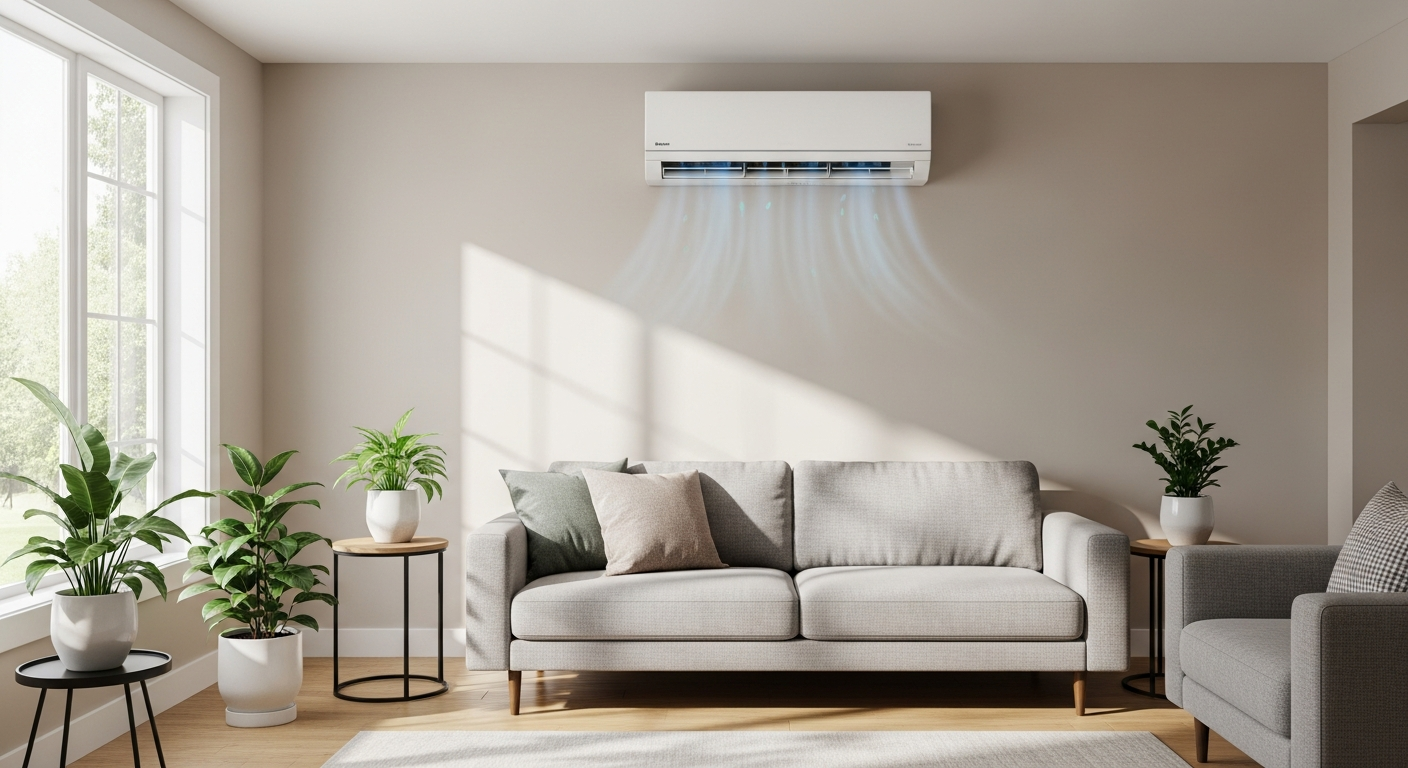
| No ductwork, older home | Install ductless mini-splits | Avoid costly duct installation, zone-by-zone control, high efficiency |
| Extreme cold region (regular -20°F) | Geothermal or dual-fuel heat pump with gas backup | Geothermal unaffected by air temp; dual-fuel ensures reliable warmth at all times |
Why Homeowners Are Switching to Heat Pumps in 2025
Heat pump adoption is accelerating as households look for one system that delivers efficient heating and cooling. Unlike older units, today’s inverter-driven cold-climate models maintain warmth well below freezing. With utility rates fluctuating and incentives now available, millions are replacing separate furnaces and ACs with a single, quieter, and smarter solution.
Quick Answer: Is a heat pump right for your home?
For most homes, a modern heat pump can replace both a furnace and an air conditioner, providing efficient heating and cooling year-round. They work well in climates where winter temperatures stay above -15°F, with newer "cold-climate" models handling even colder snaps without backup heat. If you're currently using oil, propane, or electric resistance heating, a heat pump typically cuts energy bills by 30–60%. Upfront costs range from $7,000 to $18,000+, but federal tax credits and local rebates can reduce that by thousands. Use our free savings calculator to estimate your payback.
How Heat Pumps Deliver Efficiency and Comfort
Unlike furnaces that burn fuel, heat pumps move heat between indoors and outdoors. In cooling mode, they remove heat from your home. In heating mode, even cold outside air contains enough thermal energy for the system to extract and transfer indoors. Because moving heat is easier than generating it, heat pumps achieve 200–400% efficiency (COP of 2–4) compared to 95% for the best furnaces.
Modern inverter-driven compressors adjust speed to match load, eliminating noisy on/off cycling and delivering steady temperatures. They also dehumidify effectively in summer, a big plus in humid climates.
Heat Pump Type Comparison: Air-Source vs. Geothermal
| Factor | Air-Source Heat Pump | Geothermal (Ground-Source) Heat Pump |
|---|---|---|
| Typical Installed Cost (before incentives) | $7,000–$18,000 | $15,000–$35,000+ |
| Efficiency (Heating COP) | 2.5–4.0 at 47°F; drops in extreme cold but cold-climate units hold COP above 2.0 at 5°F | 3.5–5.0 year-round, unaffected by air temperature |
| Payback Period | 3–10 years vs. propane/oil; longer vs. natural gas in mild rates | 8–15+ years due to high upfront cost |
| Maintenance | Clean outdoor coil annually, replace filter regularly | Minimal; check loop pressure periodically |
| Best For | Most homes, especially those with existing ductwork and moderate to cold climates (with cold-climate units) | Homes with available land for ground loops; extreme cold climates; highest efficiency seekers |
Safety Boundaries: What Homeowners Can and Cannot Do
Safe DIY Checks
- Inspect and replace air filters monthly or as needed.
- Clear leaves, debris, and snow from the outdoor unit. Keep at least 18 inches of clearance.
- Check thermostat settings and batteries.
- Monitor frost patterns: temporary frosting that self-defrosts is normal; thick, persistent ice indicates a problem.
Work for Licensed HVAC Professionals Only
Do not attempt any repair involving refrigerant, compressors, capacitors, contactors, control boards, electrical wiring, or gas connections. These involve high voltage, hazardous chemicals, and safety risks. If you suspect a refrigerant leak, compressor failure, or electrical fault, shut off the system at the breaker and call a pro. See our emergency HVAC guide for immediate steps.
Use Our Free Tools to Crunch the Numbers
Make an informed decision with these quick, data-driven calculators:
- Heat Pump Savings Calculator – compares annual heating costs of your current system vs. a heat pump based on local utility rates.
- Rebate Finder – uncover federal, state, and utility incentives by ZIP code.
- Cost Estimator – get a personalized installation cost range.
- Repair or Replace Calculator – weigh a new heat pump against continued repairs on an old furnace or AC.
Decision Tree: Is a Heat Pump Your Best Move?
Answer these questions to see if a heat pump likely fits your home:
- Do you currently heat with oil, propane, or electric baseboards? If yes, you'll likely save significantly—move to step 2. If you use natural gas and your rate is very low (under $0.80/therm), savings may be smaller but still possible with dual-fuel systems.
- Is your winter design temperature above -15°F? If yes, modern cold-climate heat pumps can handle your needs without backup. If it's colder, a dual-fuel setup (heat pump + gas furnace) may be optimal.
- Does your home have existing ductwork in good condition? If yes, a central ducted heat pump is straightforward. If no, consider ductless mini-splits, which cost $3,000–$8,000 per zone and avoid duct losses.
- Can you take advantage of federal tax credits? The Inflation Reduction Act offers 30% credit up to $2,000 for heat pumps that meet CEE tiers. Many states and utilities add rebates—check our rebate finder.
- Are you planning to stay in the home for at least 5–7 years? This is the typical payback window for the premium over a standard AC-only system.
Questions to Ask Your Heat Pump Contractor
Before signing a contract, get clear, written answers to these 10 questions:
- Are you licensed and insured for HVAC work in my state? (Ask for license number.)
- Will you perform a Manual J load calculation to size the unit, not just replace like-for-like?
- What brands/models do you recommend, and how do they perform at my area's design temperature?
- What is the HSPF2 and SEER2 rating of the proposed system? (Higher = more efficient.)
- Does the quote include all electrical upgrades, permits, and duct modifications if needed?
- Is a cold-climate enhanced vapor injection (EVI) or inverter model included if I live where it drops below 0°F?
- How long is the labor warranty, and what does it cover?
- Can you provide three recent local references for similar installations?
- Will you handle the manufacturer and utility rebate paperwork, or do I file myself?
- What does the maintenance plan look like after installation, and what does it cost?
Regional Considerations: Matching a Heat Pump to Your Climate
- Cold climates (Zone 6–7): Specify a cold-climate heat pump with HSPF2 ≥ 8.5 and low-temperature performance data. Consider a backup resistance coil or dual-fuel system for extreme days.
- Hot, humid South: Focus on SEER2 for cooling; ensure the system includes a variable-speed fan for dehumidification. Ductless mini-splits excel in older homes without ducts.
- Coastal and salty air: Choose units with factory-applied corrosion protection (e.g., coastal guard coatings) to prevent coil failure.
- Older homes with radiators/boilers: You can keep radiant heat and add ductless heat pumps for cooling and shoulder-season heating, reducing boiler runtime.
Use our contractor search to find installers experienced with your specific climate and home type.
Methodology: How We Develop Cost Estimates and Recommendations
HVACDatabase editorial estimates are based on aggregated data from thousands of homeowner-reported project costs, manufacturer pricing, and industry surveys. Numbers represent typical ranges for mid-efficiency equipment installed by licensed professionals in average conditions. They are informational only—actual quotes vary by region, season, home size, system brand, and necessary upgrades. We do not guarantee prices. Our recommendations favor maximizing long-term savings, comfort, and environmental benefits, but final decisions should be made with a qualified contractor after a site evaluation.
Frequently Asked Questions
1. Can a heat pump really heat my home when it’s below freezing?
Yes. Modern cold-climate heat pumps deliver full heating capacity down to 5°F and meaningful output to -15°F. At very low temperatures, a backup electric coil or gas furnace may supplement. For example, a Mitsubishi Hyper Heat unit maintains 100% capacity at 5°F and 76% at -13°F.
2. How long does a heat pump last compared to a furnace?
Air-source heat pumps typically last 15–20 years with proper maintenance, similar to central air conditioners. Geothermal units can last 20–25+ years because the ground loop components have a 50-year lifespan. Furnaces average 15–20 years. Regular filter changes and annual pro check-ups extend system life.
3. Will I save money if I have cheap natural gas?
It depends on your electric rate and furnace efficiency. At $0.10/kWh electricity and $0.80/therm natural gas, a heat pump with COP 3 is cost-competitive. Use our savings calculator to compare exact rates. Even if savings are modest, you gain air conditioning and eliminate combustion indoors.
4. Are heat pumps noisy?
Inverter-driven outdoor units operate at 40–60 decibels—about as loud as a refrigerator. Older fixed-speed units could be louder. Indoor air handlers are very quiet, around 20–30 dB. Proper installation on vibration pads reduces transmitted noise.
5. What’s the payback period for a heat pump investment?
For homes switching from oil or propane, payback is often 3–7 years due to fuel savings. When replacing a central AC plus furnace with a heat pump instead of separate units, the incremental cost may pay back in 2–5 years. With federal tax credits (up to $2,000) and local rebates, upfront cost difference shrinks significantly.
Related articles
Connect this page to adjacent guides so readers keep moving deeper into the topic cluster.

How Utility Demand Response Programs Use Smart Thermostats
Enrolling your smart thermostat in a demand response program can earn you up to $150/year while keeping you comfortable. Learn if it's right for your home and how to maximize benefits.
Heating Industry Trends to Watch
Smart thermostats and heat pumps headline heating industry changes. But which trends deliver real savings? Use our decision guide, cost ranges, and contractor checklist to plan your upgrade.

How Gas Bans Are Affecting Heating Choices
Gas bans in new construction and retrofit codes are pushing homeowners toward electric heat pumps. Understand your options, costs, and available incentives before you replace your furnace.