How to Choose an HVAC Contractor in Little Rock
Learn the exact steps to verify licenses, compare quotes, and find a trustworthy HVAC pro in Little Rock—so you never overpay for a system that fails during an Arkansas heat wave.
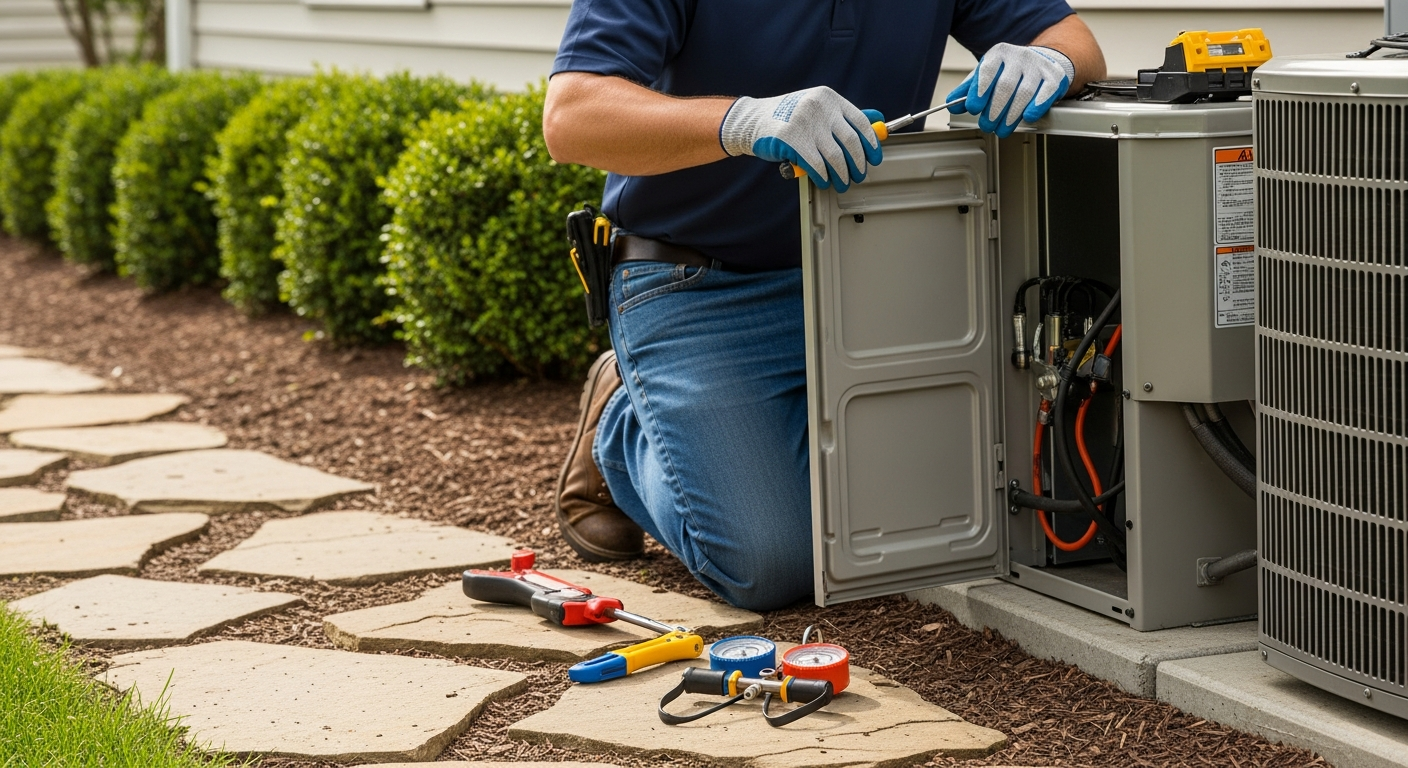
Quick Answer: How to Pick a Little Rock HVAC Pro
To choose a reliable HVAC contractor in Little Rock: (1) Verify Arkansas HVAC license and insurance; (2) Get at least three written estimates with model numbers; (3) Insist on a Manual J load calculation and in-home inspection; (4) Check reviews and references from homes like yours; (5) Confirm they pull required permits. Use our free quote checker to compare offers.
Why Little Rock Homes Need Special Attention
Little Rock’s climate swings from 95°F+ summers with oppressive humidity to winter nights below freezing. Historic Hillcrest bungalows often have undersized ductwork, while tightly sealed new builds in West Little Rock need mechanical ventilation. A contractor who knows Arkansas’s humidity knows to size equipment for latent (moisture) load, not just temperature.
Step 1: Check Arkansas Licensing & Insurance
Arkansas requires HVAC contractors to hold a state license from the Department of Labor and Licensing. Ask for the license number and verify it online. Also request certificates for general liability and workers’ compensation insurance—this protects you if a worker is injured or property is damaged. Use our contractor search to find licensed local pros.
Step 2: Get Three Detailed Written Estimates
Never accept a phone quote. A proper estimate includes:
- Full equipment model numbers and AHRI certificate
- Scope of work, including duct modifications
- Permit handling and warranty terms
- Total price with tax and fees
Use our quote checker to spot hidden costs. Remember: the lowest bid may skip permits or use bottom-tier equipment.
What Should HVAC Work Cost in Little Rock?
Editorial estimates (not guaranteed; vary by system size, access, season):
| Service | Low Range | Typical Range | High Range | Notes |
|---|---|---|---|---|
| Diagnostic / service call | $80 | $120–$180 | $200+ | After‑hours may add $50–$100 |
| Annual maintenance visit | $90 | $130–$220 | $300 | Plans often $150–$400/year |
| Common AC repair (capacitor, contactor, fan motor) | $150 | $250–$550 | $800+ | Depends on part and labor |
| Evaporator coil replacement | $800 | $1,200–$2,000 | $2,500+ | Often combined with condenser |
| Full system replacement (3‑ton, 14 SEER) | $6,000 | $7,500–$10,500 | $13,000+ | Includes furnace or air handler |
Step 3: Demand a Manual J Load Calculation
A contractor who doesn’t measure windows, insulation levels, and duct leakage is guessing. Guessing leads to oversizing that causes short‑cycling and humidity problems, or undersizing that leaves you sweltering. Use our free BTU calculator to estimate your home’s cooling load before calling pros.
Step 4: Decision Rules—Repair or Replace?
When to repair vs. replace
- System under 8 years old, repair under $800: Usually repair.
- System 8–12 years, repair over $1,500: Run our repair-or-replace calculator.
- System over 12 years, compressor/coil failure: Replace. Use our cost estimator for budgeting.
- Uneven cooling, high humidity: May need duct sealing or whole‑home dehumidifier.
Step 5: Contractor Interview Checklist
Ask every contractor these questions before signing:
- May I see your Arkansas HVAC license and insurance certificates?
- Will you perform a Manual J load calculation and show me the report?
- Can you provide three recent references from homes similar to mine?
- Do you pull all required city permits?
- What’s the total price after taxes, and does it include any ductwork changes?
- What is your warranty on labor and equipment? (Look for minimum 1‑year labor.)
- How do you handle callbacks or warranty issues?
Local Matters: Historic Homes, New Tight Enclosures
Homes in Hillcrest, The Heights, or downtown often have plaster walls, minimal insulation, and leaky ducts. Duct sealing and insulation upgrades often pay for themselves in one season. West Little Rock’s newer builds may need an energy‑recovery ventilator (ERV) to meet fresh‑air requirements. Ask your contractor about local rebates for efficiency upgrades.
Safety Boundaries: What You Can Check vs. Pro‑Only Work
| Safe for Homeowners | Leave to Licensed Pros |
|---|---|
| Change or clean the air filter monthly | Handling refrigerant (requires EPA certification) |
| Keep outdoor unit clear of debris and at least 2‑ft clearance | Repairing or replacing electrical components (capacitors, contactors, boards) |
| Check thermostat batteries and settings | Gas furnace repairs or combustion adjustments |
| Listen for odd noises and report them | Compressor, fan motor, or coil replacements |
| Inspect visible ducts for disconnects or crushed sections | High‑voltage wiring or refrigerant line repairs |
If you smell gas, leave the area and call both your utility and a licensed pro.
Tools to Make a Smarter Decision
- BTU Calculator – Estimate the right system size.
- Repair or Replace Calculator – Compare costs over time.
- HVAC Cost Estimator – Budget for new equipment.
- Quote Checker – Verify line items in bids.
- System Age Decoder – Read your equipment’s age.
Frequently Asked Questions
How much should a full HVAC replacement cost in Little Rock?
For a typical 1,800‑sq‑ft home, expect $7,500–$10,500 for a 3‑ton, 14‑SEER AC with gas furnace. Higher SEER ratings and duct modifications raise the price. Use our cost estimator for a personalized range.
Do I need a permit for HVAC work in Little Rock?
Yes. Most replacements and new installations require a city permit. Responsible contractors include permit fees in their quotes. Unpermitted work can cause insurance and resale problems.
How often should I service my HVAC in Arkansas?
Twice a year—AC tune‑up in spring, heating check in fall. Annual plans that include priority scheduling run $150–$400/year. Consistent maintenance prevents 80% of breakdowns during heat waves.
Can I just replace the outside AC unit and not the inside coil?
It’s not recommended. Mismatched systems can slash efficiency by 30% and shorten compressor life. There are rare exceptions, but always insist on AHRI‑matched components.
What’s the biggest mistake people make when hiring?
Choosing the lowest quote without checking licensing, insurance, and references. That “savings” often turns into thousands in repairs, high energy bills, and a system that fails on the hottest day.
Local Context
HVAC advice changes by market. In hot cities such as Phoenix or Las Vegas, cooling failures become urgent faster and summer schedules fill quickly. In humid markets such as Houston, Tampa, or Miami, drainage, mold risk, and humidity control matter as much as temperature. In cold markets such as Chicago or Minneapolis, no-heat calls can become safety issues during severe weather. Coastal homes may see faster outdoor-unit corrosion, while older homes often need duct, electrical, venting, or access corrections before equipment performs as advertised.
Related articles
Explore related maintenance, equipment, and hiring questions.

How to check an HVAC contractor before hiring
Use a documented shortlist: business identity, applicable credentials, job experience, a written scope, and a clear handover.

How to compare HVAC quotes using the same scope
Use an itemized comparison worksheet to separate equipment, labor, exclusions, allowances, and warranty terms before choosing a contractor.

Nest Learning Thermostat (4th gen) vs ecobee Premium
Both models offer remote room sensors. Compare the exact generation, wiring compatibility, controls, and installed quote before choosing.