How to Get Multiple HVAC Quotes
Shopping for a new HVAC system? Our guide shows you how to get at least three detailed quotes, spot red flags, compare bids, and hire the right contractor—without overspending.
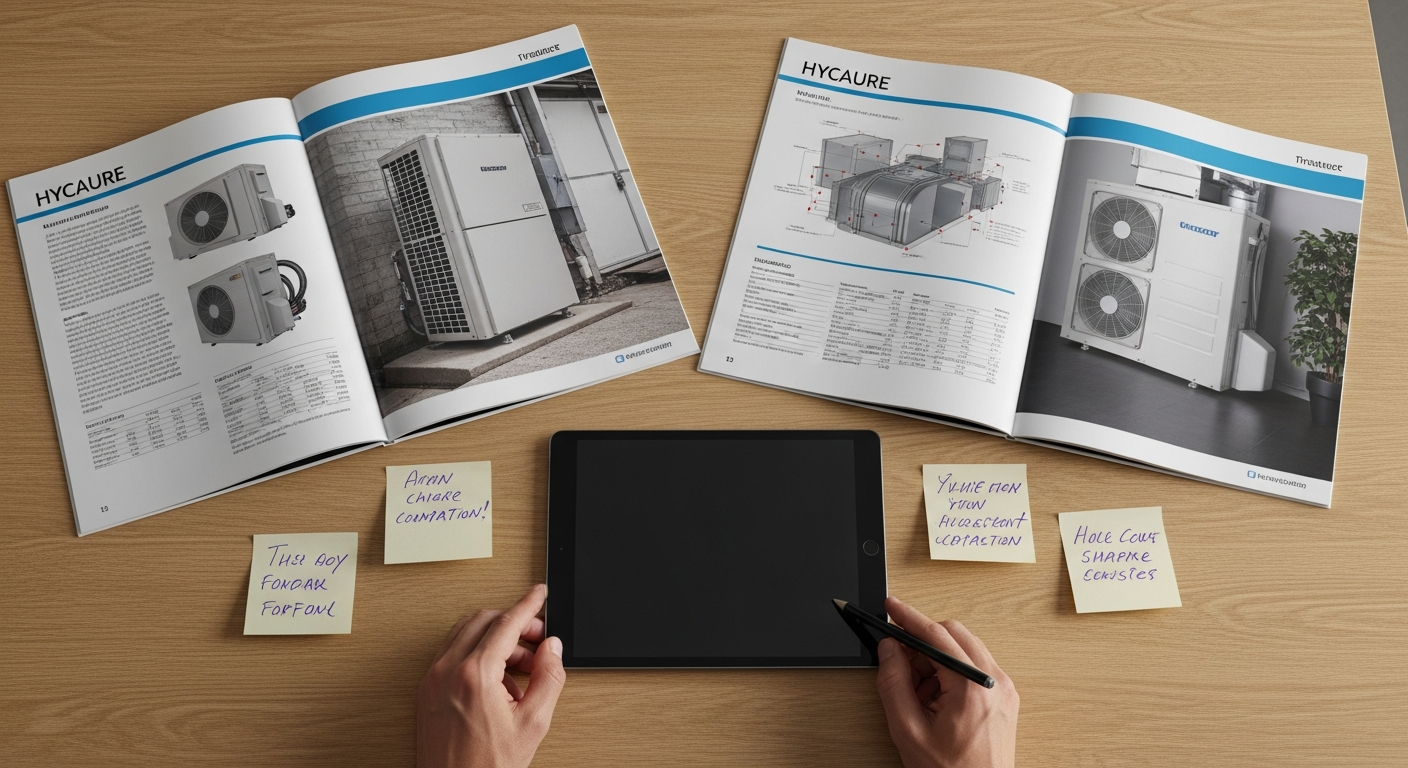
Never buy on price alone—get three detailed quotes, require Manual J, and compare line items before deciding.
The best HVAC decision comes from evaluating transparent, itemized quotes and vetting contractors thoroughly. Lowest bids often hide future costs; inflated quotes don't guarantee quality.
What Matters Most
- Always require a Manual J load calculation—reject any quote without it.
- Look for line-item detail: equipment model, SEER2, permits, labor, and warranty.
- Use HVACDatabase tools to benchmark costs and check quotes for missing items.
- Ask about labor warranty, licensing, and permits before hiring.
- Consider local climate and home age when comparing system features.
Strengths
- Prevents oversizing and poor dehumidification
- Helps avoid unexpected costs with scope transparency
- Enables fair comparison across contractors
- Increases likelihood of a high-quality, long-lasting installation
- Alerts you to unlicensed or uninsured contractors early
Weaknesses
- Requires upfront time to gather and analyze quotes
- Some contractors may resist providing detailed line items
- May delay project start if you wait for multiple visits
- Demands basic technical literacy to evaluate terms like SEER2
Decision Summary
| Scenario | Usually do | Why |
|---|---|---|
| You have 3 quotes with varying prices | Compare line items, not just totals | One may include ductwork or better warranties |
| One quote is >20% lower than others | Ask for itemized breakdown and check for missing permits, equipment downgrades, or labor warranties | Low bids often hide future costs or cut corners |
| No contractor did a Manual J | Reject those quotes and find a contractor who will | Sizing by guesswork leads to comfort and efficiency problems |
| Contractor pushes an unfamiliar brand | Research the brand and demand a performance comparison with known alternatives | Unknown brands may have poor parts availability or support |
| Labor warranty is less than 1 year | Choose a contractor offering 2+ years labor warranty | Short warranties suggest low confidence in their work |
Quick Answer
Collect at least three written quotes from licensed contractors, require a Manual J load calculation, compare line-item details, and vet credentials. Use HVAC cost estimator and quote checker to spot fair pricing. Lowest bid isn’t always best—proper sizing and quality install save you money long-term.
1. Find Qualified Contractors
Begin with friends, neighbors, and online reviews. Use our HVAC contractor search to find verified pros near you. Browse examples like Phoenix AC contractors or Chicago heating contractors to see what top profiles include. Look for NATE certification, proper licensing, and insurance.
2. Prepare for Site Visits
A solid contractor will refuse to quote over the phone. They need to inspect your home. Write down hot/cold spots, note your system’s age and model number, and check your air filter. If they don’t do a Manual J load calculation, move on. Learn more about sizing with our BTU calculator.
3. What a Good Written Quote Must Include
| Item | What to Look For | Red Flag |
|---|---|---|
| Equipment specs | Brand, model number, SEER2 rating | “Equivalent to” or no model listed |
| Labor and permits | Separate line items, permit costs specified | “Permits included” without cost breakdown |
| Scope of work | New refrigerant lines, thermostat, duct mods listed | Vague “full installation” with no details |
| Warranties | Manufacturer parts warranty + contractor labor warranty (minimum 2 years preferred) | No labor warranty or unclear terms |
| Payment terms | Deposit capped at 10–20%, balance after completion | Demands full payment upfront |
4. Compare Bids Fairly
Don’t just pick the lowest number. Use our quote checker to compare line by line. If one bid is >20% cheaper, ask why—it may omit permits, use lower-SEER equipment, or skip ductwork. Use our cost estimator to benchmark fair ranges. In general, expect:
- Diagnostic visit: $80–$200 (may be credited toward install)
- Full system replacement: varies by size, brand, region; typical AC-only $3,500–$7,000; furnace + AC $6,000–$12,000; heat pump $4,500–$10,000. These are editorial estimates, not guaranteed.
5. Decision Rules
Apply these concrete thresholds when reviewing quotes:
- No Manual J? Reject the quote. Guessing size leads to comfort problems and higher bills.
- Price >20% below others? Demand an itemized breakdown. Likely missing permits, inferior materials, or untrained labor.
- Labor warranty <1 year? Consider a different contractor. Quality installers stand behind their work for 2–10 years.
- Brand not listed? Insist on model numbers—you can then check system age decoder and efficiency ratings.
6. Contractor Checklist: Questions to Ask Before Approving
- Are you licensed and insured? (Ask to see certificates)
- Do you perform a permit for every job?
- Will a Manual J load calculation be done, and can I see the results?
- What are your payment terms?
- Can you provide at least three recent references?
- Who handles warranty issues—you or the manufacturer?
- How do you handle unexpected issues like duct repair or electrical upgrades?
7. Safety Boundaries
Homeowners should do these checks safely: replace dirty air filters, ensure vents are open and unblocked, note temperature differences between rooms, and test thermostat operation. These are tasks any homeowner can perform. Do not attempt to handle refrigerant, open electrical panels, connect gas lines, or adjust the compressor or high-voltage components. Only licensed pros should handle these—verify their license before they start.
8. Local Context Matters
- Hot climates (Phoenix, Las Vegas): Focus on high SEER2 (16+) and variable-speed to handle peak loads. Check for emergency service availability.
- Humid climates (Houston, Miami): Proper sizing is critical—oversized units short cycle and fail to dehumidify. Ask about dehumidification setpoints.
- Cold climates (Minneapolis, Chicago): Dual-fuel or cold-climate heat pumps can save on heating. Verify design temperature for heat output.
- Coastal areas: Corrosion-resistant coils and hurricane tie-downs may be needed. Permits often stricter.
- Older homes: Duct inspection for leaks, asbestos wrap, or electrical panel upgrade may add cost. Get these scoped in the quote.
9. Use HVACDatabase Tools
Before you sign, run your quotes through our quote checker and see what a fair price looks like with the HVAC cost estimator. If your system is borderline, use the repair or replace calculator. Find local rebates with the rebate finder. And always read how to choose the right HVAC contractor and read a contract before signing.
10. Methodology
Our editorial recommendations come from analyzing thousands of homeowner reports, contractor pricing data, and industry best practices. Cost ranges are editorial estimates reflecting typical national figures as of 2025; actual prices vary by region, season, and home specifics. Always get at least three quotes and verify credentials—no online tool replaces on-site evaluation.
Frequently Asked Questions
Why do I need a Manual J calculation?
Manual J is the industry standard for sizing HVAC equipment based on your home's square footage, insulation, windows, and climate. Without it, contractors guess, leading to oversizing (short cycles, poor humidity control) or undersizing (can't keep up on extreme days). A correct size saves energy, extends equipment life, and qualifies for rebates.
How many quotes should I get?
Aim for at least three. Three gives you a reliable baseline without overwhelming you. If quotes vary widely (more than 20%), get a fourth to identify outliers.
What if the lowest quote seems too good to be true?
It probably is. Low bids often skip permits, use cheap labor, or install lower-SEER equipment. Ask for an itemized breakdown and check if warranties are included. A quote checker can highlight missing line items.
How long does it take to get a quote?
A thorough on-site visit takes 45–90 minutes. The written quote usually follows within 1–3 business days. Avoid contractors who send a quote without visiting.
Can I just replace the outdoor unit and keep the indoor coil?
Usually not recommended. Mismatched components can lower efficiency by up to 20% and cause early failure. A proper match also maintains manufacturer warranty. Insist on a matched system documented in the quote.
Related articles
Connect this page to adjacent guides so readers keep moving deeper into the topic cluster.
How to Implement a Whole Home Energy Management System
Integrate smart tech and HVAC controls to cut energy waste. This guide shows how to audit, upgrade, and automate your home's energy use, with real savings estimates.
How to Set Up Thermostat Geofencing
Set up thermostat geofencing to automatically adjust home temperature as you come and go. Save energy, extend equipment life, and never return to an uncomfortable house. Get our quick-start guide now.
How to Troubleshoot Smart Thermostat WiFi Issues
Your smart thermostat offline? Most WiFi drops can be fixed with power checks, router adjustments, and simple restarts. Follow our step-by-step guide to regain remote control and energy savings.