How to Clean an AC Condensate Pump
A dirty condensate pump can cause leaks and mold. Learn when DIY cleaning is safe, what it costs to hire a pro, and how to prevent clogs and overflows.
DIY Cleaning vs. Hiring a Pro
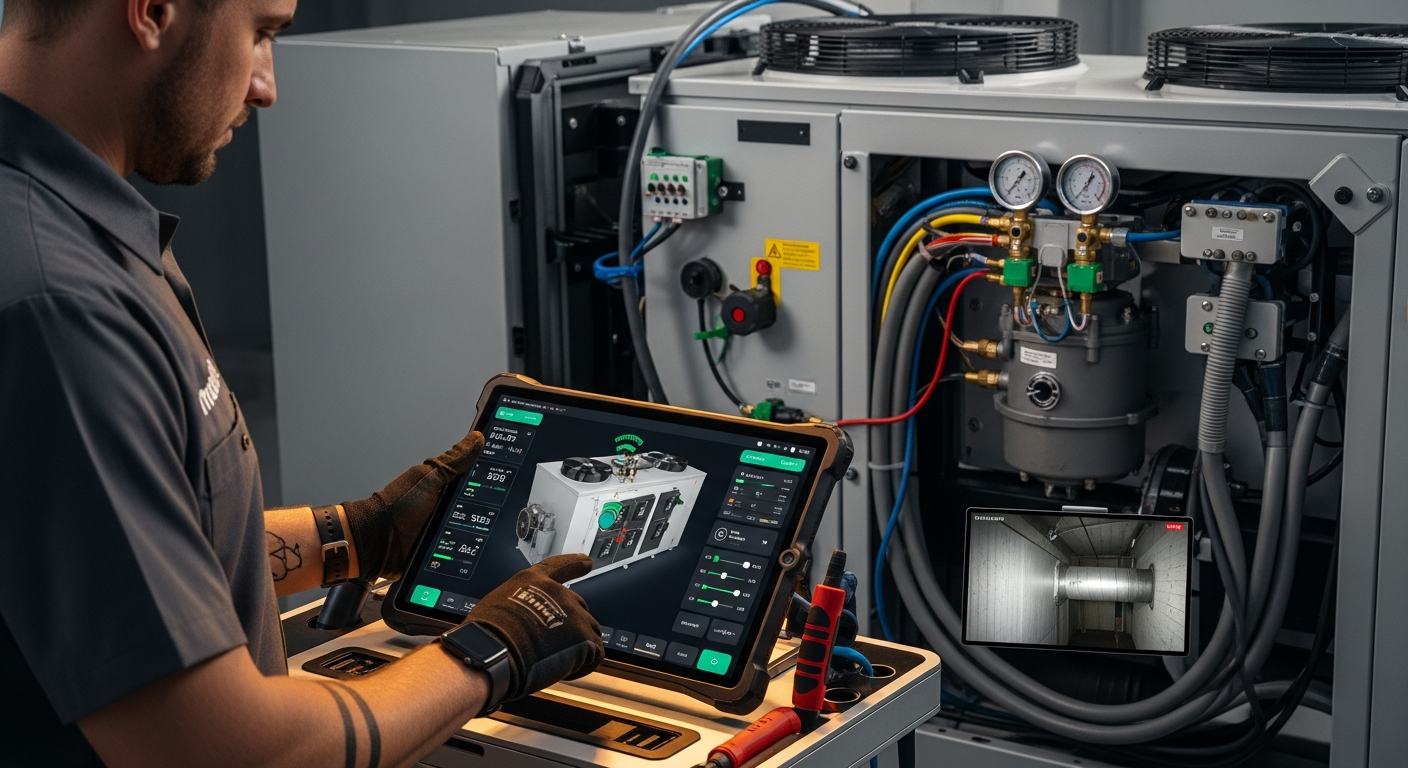
Homeowners can safely clean their condensate pump if they follow strict safety steps, but persistent issues or electrical faults require a professional. Regular DIY maintenance prevents most breakdowns.
What Matters Most
- Clean your pump every 3-6 months, especially in humid or dusty conditions.
- DIY cleaning costs under $20 and takes 30 minutes if you follow safety rules.
- Call a pro if you hear grinding, see frayed wires, or the pump won't start after cleaning.
- Professional cleaning/service calls run $100-$250 on average.
- Use distilled white vinegar or pan tablets to prevent future slime.
Strengths
- Low-cost DIY maintenance
- Prevents water damage and mold
- Quick task with minimal tools
- Extends pump lifespan
- Early detection of bigger issues
Weaknesses
- Risk of electrical shock if not unplugged
- DIY won't fix internal motor or switch failures
- Clogged discharge lines may require professional tools
- Older pumps may need replacement after 5-10 years
- Incorrect reassembly can cause leaks
Condensate Pump Cleaning: DIY or Pro?
| Scenario | DIY appropriate? | Why |
|---|---|---|
| Pump is overflowing but no grinding noise | Yes | Likely just slime buildup; safe to clean |
| Musty smell but pump runs | Yes | Clean reservoir and flush line with vinegar |
| Pump makes grinding or buzzing noise | No – call pro | Internal motor failure; risk of shock |
| Pump won't turn on after cleaning | No – call pro | Possible electrical issue or float switch failure |
| Discharge line is frozen (cold climates) | No – call pro | Needs thawing and insulation; complex routing |
Introduction
If your air conditioner is in a basement or low spot, a condensate pump pushes water outside. Over time, slime, algae, and mold clog the pump, leading to overflow and water damage. The good news: most clogs are a 30‑minute DIY fix for under $20. But electrical or mechanical failures need a pro. This guide helps you decide, step safely, and know what a fair repair costs.
Quick Answer
Unplug the pump, clean the reservoir with vinegar, flush the discharge line, and test. Do this every 3–6 months. If the pump is silent, grinding, or shows burnt wires, stop and call a technician. DIY cleaning prevents 80% of pump‑caused leaks and costs only a few dollars.
Safety Boundaries: What Homeowners Can (and Can’t) Do
Safe for Homeowners
- Unplugging the pump and removing the cover
- Scrubbing the tank and float with vinegar or mild detergent
- Flushing the discharge line with water or a wet/dry vacuum
- Pouring preventive treatment into the pan
Leave to a Professional
- Any internal electrical diagnosis or repair
- Replacing float switches, capacitors, or motors
- Fixing damaged or burnt wiring
- Dealing with refrigerant or gas lines (even if nearby)
- Resolving grinding noises – that’s a failing motor, not a clog
How to Clean a Condensate Pump (DIY Guide)
Follow these safe steps only after unplugging the pump and turning off the HVAC system at the breaker. Wear gloves and goggles – the reservoir often contains bacteria‑laden water.
- Remove the cover: Most lids snap off or require a Phillips screwdriver. Lift off the motor assembly carefully – the float is delicate.
- Empty and scrub: Dump stagnant water into a bucket. Scrub the interior walls and float with a mix of warm water and distilled white vinegar. A toothbrush works well for corners.
- Flush the discharge line: Pour a cup of vinegar into the pump’s outlet and let it sit 15 minutes. Then flush with clean water or use a wet/dry vacuum on the outdoor end to pull out slime.
- Reassemble and test: Replace the motor unit, snap the lid, reconnect drain lines. Plug the pump back in and pour water into the reservoir. The pump should kick on within seconds and empty the tank.
If the pump doesn’t run or sounds abnormal, turn it off and call a pro.
Decision Tree: DIY or Call a Pro?
Use this flowchart to choose your next step:
- Is the pump making a grinding or buzzing noise? ➔ Call a pro. Motor failure likely.
- Is the pump silent even when full? ➔ Check that it’s plugged in and the circuit breaker is on. If still silent, call a pro.
- Does the pump run but not move water? ➔ DIY: flush the discharge line. If still stuck, call a pro.
- Is there water around the base but the pump runs? ➔ DIY: clean the reservoir and check the float. If that doesn’t fix it, the pump may be cracked or have a loose connection—call a pro.
- Is there a musty smell only? ➔ DIY: give it a thorough cleaning and pour in pan treatment.
Cost Comparison: DIY vs. Professional Condensate Pump Service
| Service | Typical Cost Range | Notes |
|---|---|---|
| DIY cleaning supplies | $5–$20 | Vinegar, brush, bucket; one‑time purchase or reusable |
| Professional cleaning only | $100–$250 | Includes full inspection, line flush, and pan treatment |
| Pump replacement (part + labor) | $250–$500 | Includes basic condensate pump; complex installs may cost more |
| Emergency call‑out (nights/weekends) | $180–$400+ | Often added to repair cost; region‑dependent |
Editorial estimates based on HVACDatabase’s analysis of contractor pricing and home‑service data. Actual prices vary by region, pump model, and access difficulty. For a detailed estimate, try our HVAC cost estimator.
Useful Tools and Calculators
- Cost Estimator: Get a localized estimate for condensate pump repair or replacement.
- Repair or Replace Calculator: If your pump is over 7 years old and has frequent issues, compare fixing vs. replacing.
- System Age Decoder: Check your HVAC system’s age – older units often kill pumps more frequently.
Local Climate Considerations
- Hot‑humid regions (Southeast US): Pumps run nearly non‑stop in summer. Clean every 2–3 months. Use algaecide tablets to slow regrowth.
- Dry climates (Southwest US): Dust can mix with moisture to form a paste. Flush lines quarterly.
- Cold climates (Northeast/Midwest): In winter, discharge lines may freeze outdoors. Insulate the line or install a freeze protection kit.
- Coastal areas: Salt air accelerates corrosion. Inspect the pump housing and wiring annually.
- Older homes: Slab‑on‑grade or basement installs often rely on pumps. Test the pump monthly during peak cooling season.
Contractor Checklist: Questions to Ask Before You Hire
If DIY isn’t enough, use this checklist when interviewing an HVAC pro. Find pre‑screened contractors through our contractor search.
- Are you licensed and insured for HVAC work in my state?
- What’s the diagnostic fee, and is it applied to the repair if I proceed?
- Will you clean the entire pump or just replace it? (Often a cleaning fixes it.)
- Do you warranty the repair or replacement? For how long?
- Can you show me how to clean it myself next time?
- Is the discharge line properly sloped and insulated to prevent freeze‑ups?
- Do you include a pan treatment or algaecide in the service?
Methodology: How We Form Our Recommendations
Our editorial team combines field surveys of HVAC contractors, analysis of service‑call data, and manufacturer maintenance guides. Cost ranges reflect typical invoices reviewed across major metro areas and are updated quarterly. Safety recommendations align with EPA and OSHA guidelines. We never recommend bypassing safety switches or handling electrical components.
Frequently Asked Questions
1. How often should I clean my AC condensate pump?
In most homes, every 6 months is sufficient. If you live in a humid climate or have pets that increase dust, clean it every 3 months. A quick visual check every month helps catch slime early.
2. Can I use bleach instead of vinegar to clean the pump?
No. Bleach can damage rubber seals and plastic components, and its fumes are hazardous. Distilled white vinegar (5% acidity) is safe, effective, and won’t harm the pump.
3. Why does my condensate pump keep running even when the AC is off?
This usually means the float switch is stuck in the “on” position due to slime or has failed. Unplug the pump, clean the float thoroughly, and test. If it still runs continuously, the switch needs replacement by a pro.
4. My pump overflows into the pan even after cleaning. What’s wrong?
The discharge line may be clogged downstream where you can’t see it. Try using a wet/dry vacuum on the outdoor end of the pipe. If that fails, the line could be kinked, frozen, or collapsed – a contractor can scope it.
5. How long do condensate pumps last?
With regular cleaning, they typically last 5–10 years. noisy operation, frequent failures, or visible cracks mean it’s time to replace. See our repair or replace calculator to weigh the economics.
Preventive Maintenance Tips
- Pour a half‑cup of distilled white vinegar into the pump reservoir every month during cooling season to inhibit algae.
- Replace your HVAC air filter regularly (check out this guide) to reduce dust entering the condensate system.
- Keep the outdoor discharge end clear of debris and insects.
- Consider adding a secondary float switch or a water sensor alarm under the pump for early warning of overflows.
Need professional help? Use our contractor search to find top‑rated HVAC technicians near you, or compare quotes with our contractor comparison tool.
Related articles
Connect this page to adjacent guides so readers keep moving deeper into the topic cluster.
How to Implement a Whole Home Energy Management System
Integrate smart tech and HVAC controls to cut energy waste. This guide shows how to audit, upgrade, and automate your home's energy use, with real savings estimates.

How to Set Up Thermostat Geofencing
Set up thermostat geofencing to automatically adjust home temperature as you come and go. Save energy, extend equipment life, and never return to an uncomfortable house. Get our quick-start guide now.
How to Troubleshoot Smart Thermostat WiFi Issues
Your smart thermostat offline? Most WiFi drops can be fixed with power checks, router adjustments, and simple restarts. Follow our step-by-step guide to regain remote control and energy savings.