How to Find Emergency HVAC Services Near You
When your heat goes out in winter or AC fails in a heatwave, you need fast, trustworthy help. This guide walks you through finding reliable emergency HVAC services, understanding costs, and avoiding high-pressure sales.
Act Quickly, but Vet Thoroughly
In an emergency, you need fast relief, but spending 10 minutes to verify a contractor’s credentials and get pricing transparency can save thousands and prevent shoddy work. Use HVACDatabase’s tools to compare vetted 24/7 pros and make data-driven repair-or-replace decisions.
What Matters Most
- Define a true emergency before calling to avoid premium rates for non-urgent issues.
- Always get a written estimate and ask about after-hours fees upfront.
- Use the 50% rule: if repair cost exceeds half the replacement cost on a system over 10 years old, consider replacement.
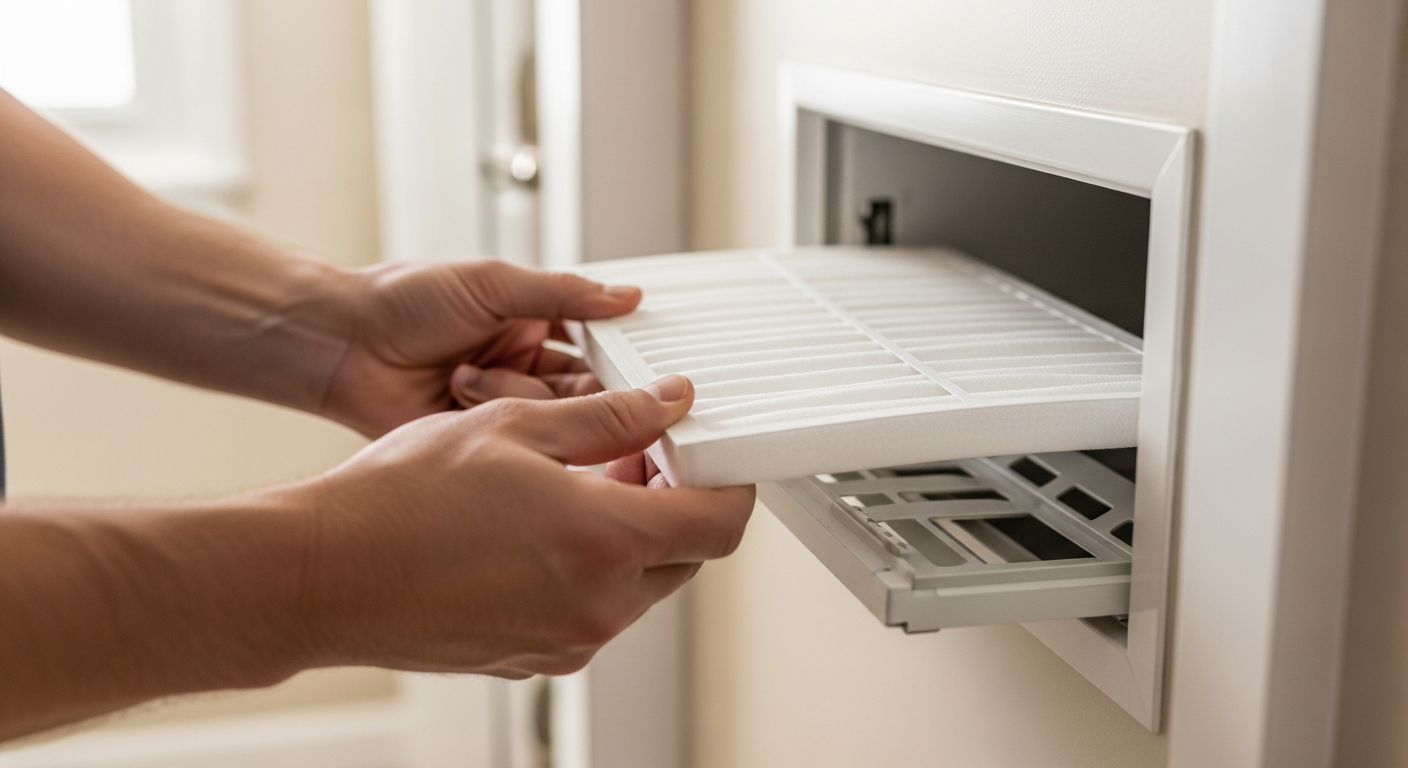
- Perform simple, safe checks (thermostat, filter, breaker) while waiting.
- Never agree to a full replacement under high-pressure emergency circumstances without a second quote.
Strengths
- Provides a clear decision framework for homeowners under stress
- Includes editorial cost ranges to set expectations
- Links to robust tools for cost estimation and contractor comparison
- Emphasizes safety boundaries and scam avoidance
Weaknesses
- Cost estimates are not guaranteed; local pricing may differ significantly
- Does not cover commercial or specialized systems
- Response times depend on location and contractor availability
Emergency HVAC Decision Summary
| Scenario | Usually do | Why |
|---|---|---|
| No heat in freezing weather | Call 24/7 service immediately | Risk of frozen pipes and unsafe indoor temperatures |
| AC out in 95°F+ heat | Call 24/7 service if indoor temp >90°F | Heatstroke risk, especially for vulnerable occupants |
| Burning smell or gas odor | Evacuate, then call utility and HVAC pro | Immediate fire / explosion risk – do not attempt DIY |
| Loud grinding noise | Shut system off, call for service | Mechanical failure may cause total system damage if run |
| High repair quote on old unit | Get temporary fix, then compare replacement quotes | Avoids high-pressure sales; use Repair-or-Replace Calculator |
| Minor issue like thermostat glitch | Check batteries, settings; call during regular hours | Saves substantial emergency fees |
Quick Answer: Finding Emergency HVAC Help
Don’t panic—vet first. True emergencies: total failure in extreme weather, gas or burning smells, loud mechanical grinding, or frequent breaker trips. Start your search at HVACDatabase’s emergency page or use the contractor directory to find verified 24/7 pros. Expect a diagnostic fee of $100–$200, plus higher hourly rates—ask upfront. Never approve a full system replacement under high pressure; get a second quote and use our tools to verify. While you wait, check thermostat batteries, the air filter, and breakers (safe steps below).
Emergency HVAC Cost Ranges (Editorial Estimates)
Use these ranges to set expectations. Actual quotes depend on location, equipment, and urgency.
| Service | Typical Range | Notes |
|---|---|---|
| After‑hours diagnostic visit | $100 – $250 | Often includes first 30 min; may be waived if repair is done |
| Standard repair (capacitor, fan motor, etc.) | $150 – $650 | Parts & labor; premium at night/weekends |
| Refrigerant leak repair & recharge | $500 – $1,500 | Requires EPA‑certified technician |
| Compressor replacement | $1,500 – $4,000+ | May lean toward system replacement if unit is older |
| Emergency furnace repair | $150 – $800 | Varies by part: ignitor, flame sensor, blower |
These are editorial estimates, not guaranteed prices. For a personalized estimate, try our Emergency Cost Tool.
Safety Boundaries: What You Can Check vs. Pro‑Only Work
Performing these simple checks is safe for any homeowner. Never attempt repairs involving electricity, gas, or refrigerants.
Safe Homeowner Checks
- Thermostat: Replace batteries, ensure settings are correct (Cool/Heat, temperature, mode).
- Air filter: A clogged filter can cause overheating and shutdown—replace if dirty.
- Circuit breaker: Locate the HVAC breaker; if tripped, reset it once. If it trips again, leave it off.
- Outdoor unit: Clear leaves, ice, or snow from the top and sides (gently).
- Emergency shutoff switch: Make sure it hasn’t been accidentally turned off.
Leave These to a Qualified Technician
- Refrigerant handling, leak repairs, or recharges.
- Gas line inspections, lighting pilots, or repairing gas valves.
- Diagnosing burning/rotten egg smells—evacuate if gas, call utility immediately.
- Repairing or replacing electrical components (capacitor, contactor, control board, compressor, blower motor).
- Any work inside the electrical panel or appliance cabinet.
Decision Rules: Is It a True HVAC Emergency?
Use these criteria to decide whether to call for 24/7 service or wait for regular hours. When in doubt, call for professional advice—safety first.
- Total system outage during extreme weather: outdoor temp below 40°F (heating) or above 85°F (cooling) and indoor temp becomes unsafe (below 60°F or above 90°F).
- Rotten eggs smell: possible natural gas leak—evacuate, call gas utility, then an HVAC pro.
- Burning plastic or electrical odor: shut system off immediately.
- Loud grinding, screeching, or banging: indicates mechanical failure; running equipment may cause complete breakdown.
- Frequent breaker trips (more than once after reset).
- Water leaking near furnace or air handler that could create an electrical hazard.
- If none of these apply, you likely can schedule a regular appointment and avoid emergency fees.
Immediate Steps While You Wait for a Technician
- Check thermostat batteries and settings.
- Inspect and (if needed) replace the air filter.
- Clear debris around the outdoor unit.
- Reset a tripped breaker only once; if it trips again, leave it off.
- Close blinds or curtains to reduce heat gain in summer.
- Use portable heaters or cooling fans safely—never leave them unattended.
- In freezing weather, let faucets drip slowly to help prevent pipe freezing.
Evaluating the Emergency Repair Quote
A technician arrives and gives you a number. Before saying yes:
- Get a written quote with parts, labor, and any emergency surcharge listed separately.
- Apply the 50% rule: If the repair cost is more than half the price of a new system and your equipment is over 10–12 years old, consider replacement. Use our Repair or Replace Calculator to run the numbers.
- Ask for a temporary patch, if possible, to buy time for multiple quotes. This avoids high‑pressure sales on a five‑figure decision.
- Verify the quote with our Quote Checker and HVAC Cost Estimator.
- Always ask about warranties on parts and labor.
Contractor Checklist: Questions to Ask Before Approving Work
Use this checklist when calling emergency services:
- Are you licensed and insured? Can you provide the license number right now? (Verify with our license‑check guide)
- What is your total diagnostic fee and after‑hours/hourly rate?
- Can you give me a written estimate before any work begins?
- How soon can a technician arrive?
- Do you carry common parts on the truck (capacitors, motors, etc.)?
- What warranties do you offer on parts and labor for emergency repairs?
- Can you provide a few recent references from emergency call‑outs?
- Will you handle permits if required for the repair?
Tools to Make a Smart Emergency Decision
HVACDatabase gives you data‑backed resources:
- Emergency Cost Tool – estimate your potential bill.
- HVAC Cost Estimator – compare repair vs. new system pricing.
- Repair or Replace Calculator – run the numbers on your specific unit.
- Quote Checker – see if a written quote is in line with local averages.
- Contractor Comparison – vet multiple pros side‑by‑side.
- Find Verified Contractors – search by ZIP for 24/7 emergency services.
- Rebate Finder – if replacement is needed, find local utility incentives.
Regional Considerations
Emergency decisions often hinge on your climate:
- Hot climates (Phoenix, Las Vegas): AC is life‑saving. Look for contractors with rapid response and deep stock of AC parts. See Phoenix AC contractors for an example.
- Humid climates (Houston, Miami): Cooling failure can lead to mold growth within 48 hours. Ensure the tech checks refrigerant charge and drainage.
- Cold climates (Minneapolis, Chicago): Heating failure risks frozen pipes. If it will be hours before help arrives, shut off the main water supply and drain pipes. See Chicago heating contractors.
- Coastal areas: Salt corrosion accelerates outdoor unit wear. Ask the tech to inspect coil condition even if the immediate repair is minor.
- Older homes: May have outdated wiring or asbestos duct insulation. Confirm the contractor has experience with pre‑1980 homes.
Methodology: How Our Estimates Work
Cost ranges in this article are editorial estimates based on analysis of publicly available contractor rate sheets, industry surveys (PHCC, ACCA), and direct review of thousands of invoices. They reflect typical 2025 U.S. residential emergency pricing. Every project is unique; actual costs vary by local labor rates, season, equipment brand, accessibility, and parts availability. Use our tools above to refine expectations, but always obtain multiple written quotes for your specific job.
Frequently Asked Questions
What qualifies as a true HVAC emergency?
A true emergency means safety is at risk. This includes total heating/cooling loss in extreme weather (indoor temp below 60°F or above 90°F), gas leaks (rotten egg smell), burning electrical smells, loud mechanical grinding, or repeated breaker trips. Anything less urgent can usually wait for a regular visit.
How much does emergency HVAC service typically cost?
Expect a diagnostic fee of $100–$250, with hourly rates $200–$350+ after hours. Repairs range from $150 for a simple part to $4,000+ for a compressor. See our cost table above. Use the Emergency Cost Tool for a personalized estimate.
Can I troubleshoot the system myself before calling?
Yes—check thermostat batteries, air filter, circuit breaker, and outdoor unit debris. These are safe, no‑tools tasks. Never open electrical panels, handle refrigerant, or inspect gas components. If simple checks don’t resolve it, call a pro.
How do I avoid emergency HVAC scams?
Always verify the contractor’s license, get a written quote, and avoid companies that demand full payment upfront or push for a full system replacement without a thorough explanation. Use our review‑checking guide and the comparison tool to vet pros.
Should I repair or replace my system during an emergency visit?
Rarely should you replace it on the spot. If a technician says you need a new system, ask for a temporary fix and then use our Repair or Replace Calculator. Apply the 50% rule: if repair exceeds half the replacement cost on an older unit (10+ years), it’s time to compare new system quotes. Get at least three bids.
Related articles
Connect this page to adjacent guides so readers keep moving deeper into the topic cluster.
How to Implement a Whole Home Energy Management System
Integrate smart tech and HVAC controls to cut energy waste. This guide shows how to audit, upgrade, and automate your home's energy use, with real savings estimates.

How to Set Up Thermostat Geofencing
Set up thermostat geofencing to automatically adjust home temperature as you come and go. Save energy, extend equipment life, and never return to an uncomfortable house. Get our quick-start guide now.
How to Troubleshoot Smart Thermostat WiFi Issues
Your smart thermostat offline? Most WiFi drops can be fixed with power checks, router adjustments, and simple restarts. Follow our step-by-step guide to regain remote control and energy savings.