How to Prepare Your Furnace for Winter
Don't let a cold snap catch you off guard. Our guide walks through filter swaps, early testing, and carbon monoxide safety, with tools to compare repair vs replacement costs and find vetted professionals.
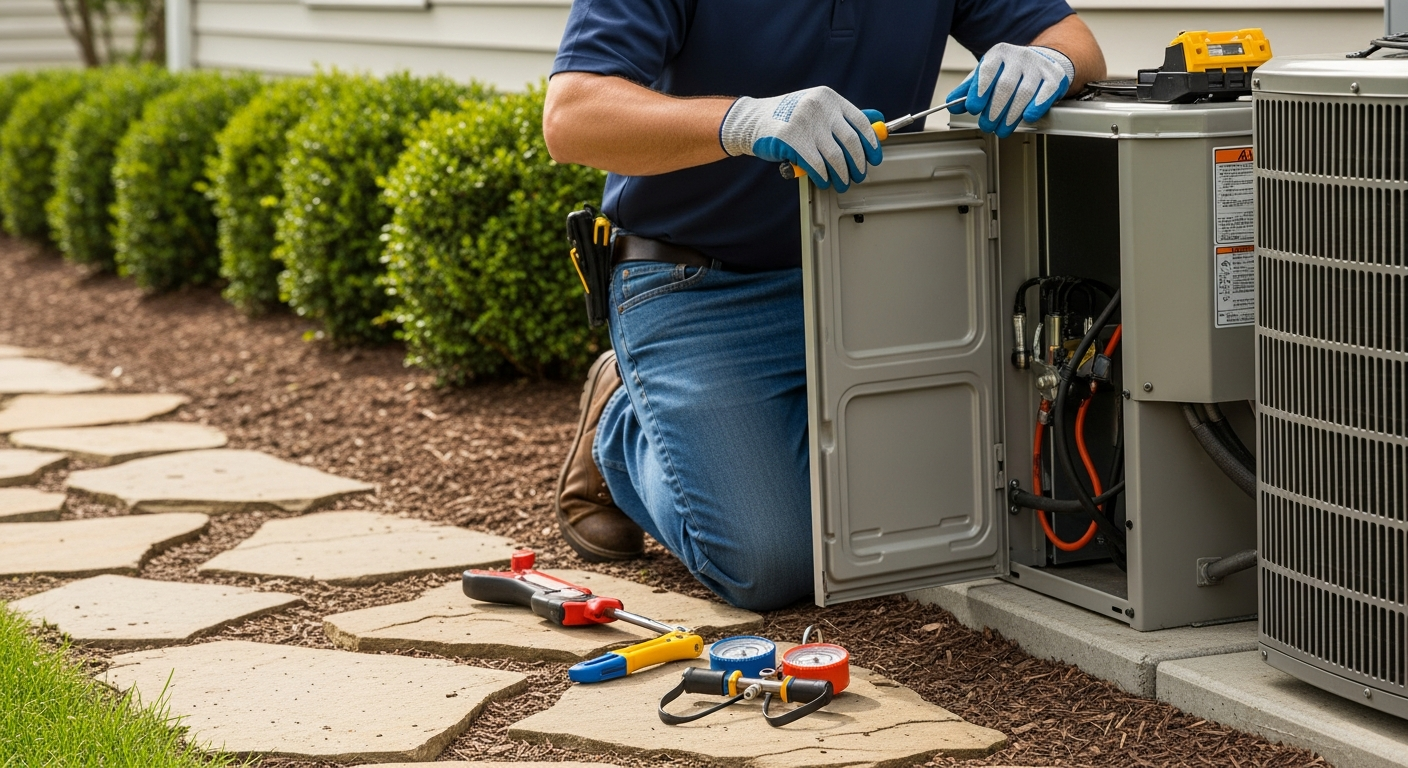
Proactive Maintenance Prevents Winter Breakdowns
Performing simple DIY checks and scheduling an annual professional inspection keeps your furnace reliable and safe, reducing costly emergency repairs. Our tools help you budget and decide when minor fixes are enough versus when replacement is the smarter financial move.
What Matters Most
- Replace air filters every 30–90 days, more often with pets or allergies
- Test the furnace in early fall so you have time to fix issues before a cold snap
- Never ignore a persistent burning odor or gas smell—shut off the unit and get help
- Use the 30% repair‑cost threshold and age‑over‑15 rule to decide between repair and replacement
- Always hire a licensed professional for gas, combustion, and electrical work—no exceptions
Strengths
- Avoids midnight breakdowns in sub‑zero weather
- Lowers energy bills through clean filters and sealed ducts
- Protects against carbon monoxide poisoning with detector checks
- Empowers homeowners with clear DIY boundaries and a contractor vetting checklist
- Leverages data‑driven tools to remove guesswork from repair‑vs‑replace decisions
Weaknesses
- DIY checks can't replace a professional combustion analysis or heat exchanger inspection
- Professional inspection costs vary widely by region and may uncover expensive hidden issues
- Decision thresholds (30% repair cost, 15‑year age) are guidelines, not universal rules for every budget or situation
Decision Summary: What to Do Based on Symptoms
| Scenario | Usually do | Why |
|---|---|---|
| Furnace <10 years old, no issues | DIY prep + pro tune‑up | Catches minor problems early, extends life |
| Burning smell persists >30 minutes | Shut off furnace, call pro immediately | Possible electrical fault or gas leak—don’t operate |
| Furnace over 15 years, needs $1,000+ repair | Use repair‑or‑replace tool, consider replacement | Major repairs over 30% of new system cost favor replacement |
| Short cycling or cold air despite clean filter | Check thermostat, then call pro | Ignitor, flame sensor, or control board likely—pro only |
Introduction
A few hours of fall maintenance can mean the difference between a cozy winter and a freezing midnight repair bill. This guide helps homeowners and property managers prioritize tasks that prevent breakdowns, lower energy costs, and keep gas furnaces operating safely. You’ll learn which checks are safe to do yourself, when to call a licensed technician, and how our tools can clarify repair-or-replace decisions before the snow flies.
Quick Answer
The fastest winter furnace prep: Replace the air filter, clear 3 feet around the unit, test the system in early fall, verify carbon monoxide detectors work, and book a professional inspection. Use our cost estimator to budget the inspection and repair-or-replace calculator if the tech finds trouble.
DIY Checks You Can Do Today
These steps require no special tools and are safe for any homeowner. Always turn off the furnace at the thermostat before working near the unit.
Replace or Clean the Air Filter
A clogged filter restricts airflow, causing the blower to overwork and the furnace to overheat or short cycle. Replace disposable filters every 30–90 days; washable filters monthly. Homes with pets or allergies may need monthly changes. Use the correct MERV rating for your system (typically 4–12).
Clear the Area Around the Furnace
Over summer, storage often creeps into the utility room. Remove all flammable items—paint, solvents, aerosols, cardboard—within 3 feet. This simple step prevents fires and gives a technician clear access if you need repairs.
Open All Supply and Return Vents
Closing vents in “unused” rooms creates pressure imbalances that can crack the heat exchanger. Ensure every vent is unblocked by furniture or rugs. If some rooms are cold, you may have duct leaks—learn more in our troubleshooting guide.
Test the System Early—Don’t Wait for a Cold Snap
Set the thermostat to “Heat” and raise the temperature 4–5°F above the room. Listen for the inducer motor, ignitor click, and burner flame. A faint burning dust smell is normal for the first few minutes—persistent odor means shut it off and call a pro. If the furnace starts but blows cold air, the flame sensor or ignitor may need attention—but only a technician should handle gas components.
Check Carbon Monoxide and Smoke Detectors
Test batteries monthly; replace the entire alarm every 5–7 years. Install detectors on every floor near sleeping areas. CO leaks often signal a cracked heat exchanger, a condition that requires immediate professional inspection.
Safety Boundaries: What Homeowners Should Never DIY
Natural gas, combustion chambers, heat exchangers, and high-voltage electrical components carry lethal hazards. Never attempt work involving:
- Gas line connections, valves, or supply piping
- Combustion chamber, burner, or heat exchanger
- Ignitors, flame sensors, or control boards
- Capacitors, contactors, or any electrical component beyond a battery swap
- Refrigerant lines (central A/C units often share the blower with a furnace)
If your pre-winter test reveals banging, screeching, short cycling, or no heat, shut the furnace off and use our contractor search to find a licensed, insured pro.
Professional Inspection: What to Expect and Budget
An annual furnace tune-up costs $80–$250 (or $150–$500 for a maintenance plan covering both heating and cooling). A technician will:
- Measure gas pressure and check for leaks
- Inspect the heat exchanger for cracks
- Clean burner assembly and flame sensor
- Test safety controls and limit switches
- Lubricate blower motor bearings (if not sealed)
- Check venting and drainage for blockages
Use our quote checker to compare estimates and avoid overpaying.
Decision Table: DIY vs. Call a Pro
| Task | Homeowner Safe? | Typical Pro Cost | When to Hire |
|---|---|---|---|
| Filter replacement | Yes | $10–$30 (filter only) | If unsure of MERV rating or location |
| Clearing area / vents | Yes | Free | – |
| Duct leak inspection | Visual only | $300–$1,000+ for sealing | If high bills or uneven temps persist |
| CO detector test | Yes | $20–$60 per device | Replace every 5–7 years |
| System startup test | Yes | Free | If abnormal noise, smell, or no heat |
| Combustion analysis | No | $150–$500 (as part of tune-up) | Annually, before winter |
Repair or Replace? Decision Rules
Use these thresholds to guide your conversation with a contractor:
- Age over 15 years: If a repair exceeds 30% of a new system’s installed cost, replacement is usually smarter. Enter numbers into our repair-or-replace calculator.
- Frequent breakdowns: Two or more repairs within 12 months strongly favor replacement.
- Safety risk: A cracked heat exchanger or failed venting mandates immediate replacement—repair is rarely permissible.
- Efficiency gain: Upgrading from an 80% to a 95%+ AFUE furnace can cut heating bills by 15–25%. Our BTU calculator helps right-size the new unit.
- Warranty status: If a major part is still under warranty, repair costs drop significantly, tilting the scale toward repair.
Contractor Checklist: Questions to Ask Before You Book
Print or screen‑shot this list when comparing local professionals:
- Are you licensed, bonded, and insured for gas heating work in this state?
- Will you perform a combustion safety test and provide a written report?
- Do you have experience with my brand and model? (Use our system age decoder to find it.)
- Can you provide a written estimate that separates diagnostic fees from repair costs?
- Do you offer a maintenance plan with priority scheduling and discounts?
- What is your after‑hours emergency rate, and is it needed for my issue? (See emergency HVAC.)
- Will you check for duct leaks or airflow issues as part of the service?
Local Climate Considerations
- Cold climates (frequent sub‑freezing): Change filters monthly, insulate exposed ductwork, and verify the furnace’s condensate drain won’t freeze. Use our rebate finder for high‑efficiency upgrade incentives.
- Older homes: Duct leaks are common; seal accessible runs with mastic. Ensure returns are unobstructed for balanced pressure.
- Coastal / humid regions: Consider a dehumidifier to lighten the perceived heating load and reduce condensation on windows.
- Hot summers (dual‑use systems): A maintenance plan covering both heating and cooling often pays for itself with extended equipment life.
Find qualified contractors in your specific market via our Phoenix or Chicago examples and general search.
Methodology: How We Develop Recommendations
Cost ranges are editorial estimates based on industry surveys, past HVACDatabase quote data, and national databases like HomeAdvisor and the Bureau of Labor Statistics. They reflect average accessible pricing for single‑family homes in most U.S. regions as of late 2025. Actual quotes vary by location, brand, season, and site conditions. Contractor advice follows ASHRAE and ACCA standards. Always obtain multiple bids and verify licenses through your state’s licensing board.
Frequently Asked Questions
How often should I really change my furnace filter?
Every 30 days with shedding pets or allergies, every 60–90 days otherwise. Check monthly: hold it up to light; if light doesn’t pass, change it. Never let more than 90 days pass.
Can I cover my outdoor AC condenser during winter to protect it?
Don’t cover a heat pump! For a standard AC condensing unit, a breathable cover or a sheet of plywood on top can keep debris out, but full‑wrap covers trap moisture and cause rust. Most units are built for winter exposure anyway.
Is it normal for my furnace to smell like gas when it first ignites?
A faint gas odor right at startup is normal for a few seconds. But if the smell lingers or is strong, leave the house immediately and call your gas utility or a pro. Do not operate switches or thermostats.
What does a furnace inspection typically cost, and what’s included?
An inspection without repairs runs $80–$250. A full tune‑up includes combustion analysis, sensor cleaning, controls testing, and safety checks. Compare prices with our quote checker.
My furnace is 20 years old but still works fine. Should I preemptively replace it?
Not necessarily. If annual inspections show no cracks and efficiency is acceptable, you can keep it—but budget for replacement soon. Pre‑winter is the best time to replace, as contractor availability is higher and you avoid an emergency swap during a cold snap. Use our repair‑or‑replace calculator to weigh costs.
Related articles
Connect this page to adjacent guides so readers keep moving deeper into the topic cluster.
How to Implement a Whole Home Energy Management System
Integrate smart tech and HVAC controls to cut energy waste. This guide shows how to audit, upgrade, and automate your home's energy use, with real savings estimates.

How to Set Up Thermostat Geofencing
Set up thermostat geofencing to automatically adjust home temperature as you come and go. Save energy, extend equipment life, and never return to an uncomfortable house. Get our quick-start guide now.
How to Troubleshoot Smart Thermostat WiFi Issues
Your smart thermostat offline? Most WiFi drops can be fixed with power checks, router adjustments, and simple restarts. Follow our step-by-step guide to regain remote control and energy savings.