How to Replace an AC Contactor
A failing AC contactor can stop your cooling or cause constant running. Learn safe ways to spot the problem, understand replacement costs, and find a trusted pro.
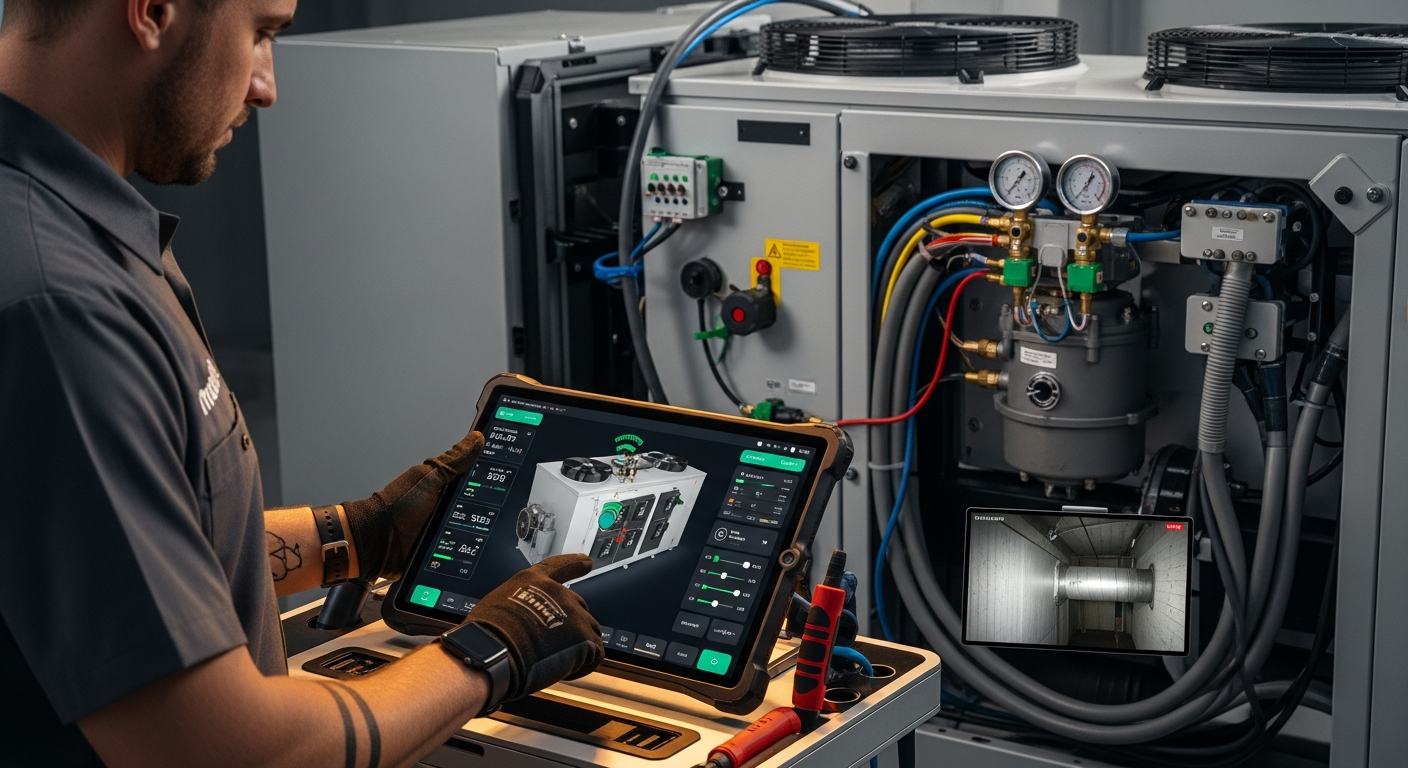
Hire a Pro for Contactor Replacement
Replacing an AC contactor involves lethal voltage and precise component matching. Homeowners should focus on symptom identification, preventive maintenance, and vetting a qualified technician to ensure safety and system longevity.
What Matters Most
- A faulty contactor can cause your AC to not start, hum, or run continuously.
- Professional replacement typically costs $150–$400 and includes diagnostics.
- You can safely check for visible damage only after fully disconnecting power.
- Regular maintenance, like cleaning coils and changing filters, extends contactor life.
- Always verify licensing and insurance when hiring an HVAC contractor.
Strengths
- Quick diagnosis saves money by avoiding unnecessary major repairs.
- Clear cost benchmarks help you negotiate fair pricing.
- Decision tools guide whether repair or replacement is smarter.
Weaknesses
- DIY attempts risk electrocution and equipment damage.
- Misdiagnosis could lead to replacing a working contactor while missing the real issue.
- Prices vary widely by region and urgency.
Should You Repair or Replace Your AC?
| Scenario | Usually do | Why |
|---|---|---|
| AC under 10 years, only contactor issue | Repair | Cost-effective; rest of system likely reliable |
| AC over 15 years, frequent breakdowns | Replace | Avoid throwing money at an inefficient unit |
| You hear humming but no start | Diagnose first | Could be capacitor, not contactor |
What is an AC Contactor and Why It Matters
The AC contactor is a heavy-duty electrical switch inside your outdoor condensing unit. When your thermostat calls for cooling, a 24-volt signal energizes the contactor coil, which pulls a set of contacts together to send 240 volts to the compressor and condenser fan motor. Over years of cycling on and off, those contacts can pit, burn, or weld shut. A worn contactor is one of the most common reasons an air conditioner won’t start—or won’t stop.
Because contactor replacement involves lethal voltage and precise component matching, it is not a do-it-yourself repair. This guide helps you recognize symptoms, understand costs, and hire a qualified professional safely.
Quick Answer: What to Do About a Bad Contactor
If your outdoor unit hums but never starts, runs continuously despite the thermostat being off, or shows visible burning or melting near the electrical components, the contactor is very likely the culprit. Plan on a professional replacement, which typically costs $150–$400 including the part and labor. You can safely look for obvious damage only after completely disconnecting power to the unit, but electrical work must be left to a licensed electrician or HVAC technician.
Safety Boundaries Every Homeowner Must Respect
HVAC systems contain high-voltage electricity, pressurized refrigerant, and rapidly moving parts. To keep your family safe:
- Safe homeowner checks: Listen for unusual humming or buzzing; look for the outdoor unit running when the thermostat is off; check your circuit breaker hasn’t tripped. With the power disconnected at both the external disconnect box and the main electrical panel, you can visually inspect the contactor through the access panel for charring, melted plastic, or pitted contacts. Never touch any wire or component.
- Leave to a pro: Any work that requires removing wires, testing voltage with a multimeter, handling capacitors (which store a deadly charge), or replacing the contactor itself. Also, refrigerant line repairs, compressor replacement, and control board diagnostics are strictly professional territory.
Symptoms Your AC Contactor May Be Failing
| Symptom | What It Likely Means | Immediate Homeowner Step |
|---|---|---|
| Outdoor unit hums but fan doesn’t spin | Contactor contacts are stuck open or worn out | Turn off power at disconnect and breaker; listen for hum to stop; call a technician |
| AC runs even after thermostat is turned off | Contactor is “welded” shut due to pitting or arcing | Shut off the breaker immediately to prevent damage; do not attempt to pry apart contacts |
| Charred or melted plastic around small black box | Overheating caused by loose connections or pitted contacts | Power down fully; schedule a professional replacement |
| No response when cooling is turned on | Coil may be burned out, preventing contact closure | Check thermostat batteries and circuit breakers first; if still dead, call a tech |
How Much Does AC Contactor Replacement Cost?
These are editorial estimate ranges based on recent contractor surveys, not guaranteed prices. Actual cost depends on your location, equipment brand, and urgency.
| Service | Typical Range | Notes |
|---|---|---|
| Diagnostic service call (if needed separately) | $80–$200 | Often waived if you proceed with repair |
| Contactor part cost (wholesale) | $15–$60 | Single‑pole or double‑pole; name‑brand may be higher |
| Labor for contactor replacement | $100–$250 | 1–2 hours; most pros bundle a system check |
| Total typical replacement | $150–$400 | Emergency evening/weekend rates can push to $500+ |
Use our HVAC cost estimator to see personalized ranges for your region and system.
Decision Guide: Repair or Replace Your AC?
A failing contactor alone rarely justifies a full air conditioner replacement—unless the unit is very old and has other problems. Follow this decision path:
- Age under 10 years: A contactor replacement is a cost‑effective repair. If it’s the only issue, repair and continue regular maintenance.
- Age 10–15 years: Replace the contactor if the unit is otherwise healthy. Pair it with a professional tune‑up. If you’ve had multiple repairs in the last two years, start comparing replacement quotes.
- Age over 15 years: A contactor failure may be a warning sign. Combine the repair cost estimate with our repair-or-replace calculator and system age decoder to evaluate long‑term value. If the unit uses R‑22 refrigerant, replacement is often smarter.
Tools and Calculators to Make a Smart Decision
- HVAC Cost Estimator – Get local price ranges for repairs and replacements.
- Repair or Replace Calculator – Input your system’s age and repair cost to see the numbers.
- System Age Decoder – Find your AC’s exact age from its serial number.
- BTU Calculator – Ensure a new unit is correctly sized for your home.
- Rebate Finder – Check for utility incentives on efficient replacements.
Questions to Ask Before Hiring an HVAC Contractor
- Are you licensed and insured in my state? (Ask for proof.)
- Will you use an OEM contactor or a universal equivalent? What’s the warranty on the part and labor?
- Does the diagnostic fee apply to the repair cost if I proceed?
- Will you perform a full system startup check and measure amp draw after replacing the contactor?
- Can you provide a written estimate before any work begins?
- Do you see any other issues that could have caused the contactor to fail (low refrigerant, dirty coils, loose lugs)?
Search our directory of pre‑screened HVAC contractors and use the contractor comparison tool to weigh multiple quotes.
How Your Location Affects Contactor Wear and Repair Costs
- Hot climates (Phoenix, Las Vegas): AC runs thousands of hours per year, cycling the contactor on and off constantly. Contactor replacement can be needed every 5–8 years. Phoenix AC contractors often keep contactors on the truck for same‑day service.
- Humid or coastal areas (Houston, Miami): Moisture and salt air accelerate corrosion on contacts and terminals. Ask your tech about a sealed contactor or corrosion‑resistant coating.
- Cold‑climate homes: Even though the AC runs less, the contactor sits idle for months, which can lead to insect or debris intrusion. Annual spring startup checks catch problems early.
- Older homes: Outdated electrical panels or wiring may contribute to voltage drops that stress contactors. An electrician may need to inspect the circuit as part of the repair.
Our Methodology for Cost Estimates and Recommendations
The cost ranges in this article are compiled from industry surveys, aggregated contractor pricing data, and HVACDatabase’s own user‑submitted quotes. They reflect a typical single‑family residential repair in non‑emergency conditions and exclude unusually high‑cost markets. Estimates are directional—actual costs vary with system specifics, local permit requirements, and seasonal demand. Our safety and decision guidance aligns with National Electrical Code (NEC) standards and manufacturer service bulletins. We never recommend a homeowner perform work that requires removing electrical covers, testing live voltage, or handling refrigerant.
Frequently Asked Questions
Can I replace an AC contactor myself?
No. Even with the power off, capacitors inside the unit can store a dangerous charge. Miswiring can cause a short circuit, fire, or damage the compressor. Hiring a licensed technician is the only safe route.
What’s the difference between a single-pole and double-pole contactor?
A single-pole contactor switches one of the two 240V legs, while a double-pole switches both. Most residential units use single-pole, but you must match the existing part—your technician will confirm.
How long does a contactor typically last?
In moderate climates with annual maintenance, 10–15 years. In extreme heat or with frequent cycling, 5–8 years. Pitting from arcing and debris accumulation are the main wear factors.
Will a bad contactor cause high electric bills?
Yes. A pitted or welded contactor can cause the compressor or fan to run inefficiently or continuously, driving up electricity use. Prompt replacement restores normal operation and can lower bills.
Can a contactor failure damage my compressor?
A welded contactor that keeps the compressor running non-stop can lead to overheating and premature failure, especially if the refrigerant charge is low. A stuck‑open contactor won’t damage anything but obviously means no cooling. Always address contactor issues quickly.
Related articles
Connect this page to adjacent guides so readers keep moving deeper into the topic cluster.
How to Implement a Whole Home Energy Management System
Integrate smart tech and HVAC controls to cut energy waste. This guide shows how to audit, upgrade, and automate your home's energy use, with real savings estimates.

How to Set Up Thermostat Geofencing
Set up thermostat geofencing to automatically adjust home temperature as you come and go. Save energy, extend equipment life, and never return to an uncomfortable house. Get our quick-start guide now.
How to Troubleshoot Smart Thermostat WiFi Issues
Your smart thermostat offline? Most WiFi drops can be fixed with power checks, router adjustments, and simple restarts. Follow our step-by-step guide to regain remote control and energy savings.