How to Schedule Seasonal HVAC Maintenance
Get a clear seasonal HVAC maintenance plan: timing, professional vs. DIY tasks, cost estimates, and a contractor checklist to prevent breakdowns and high bills.
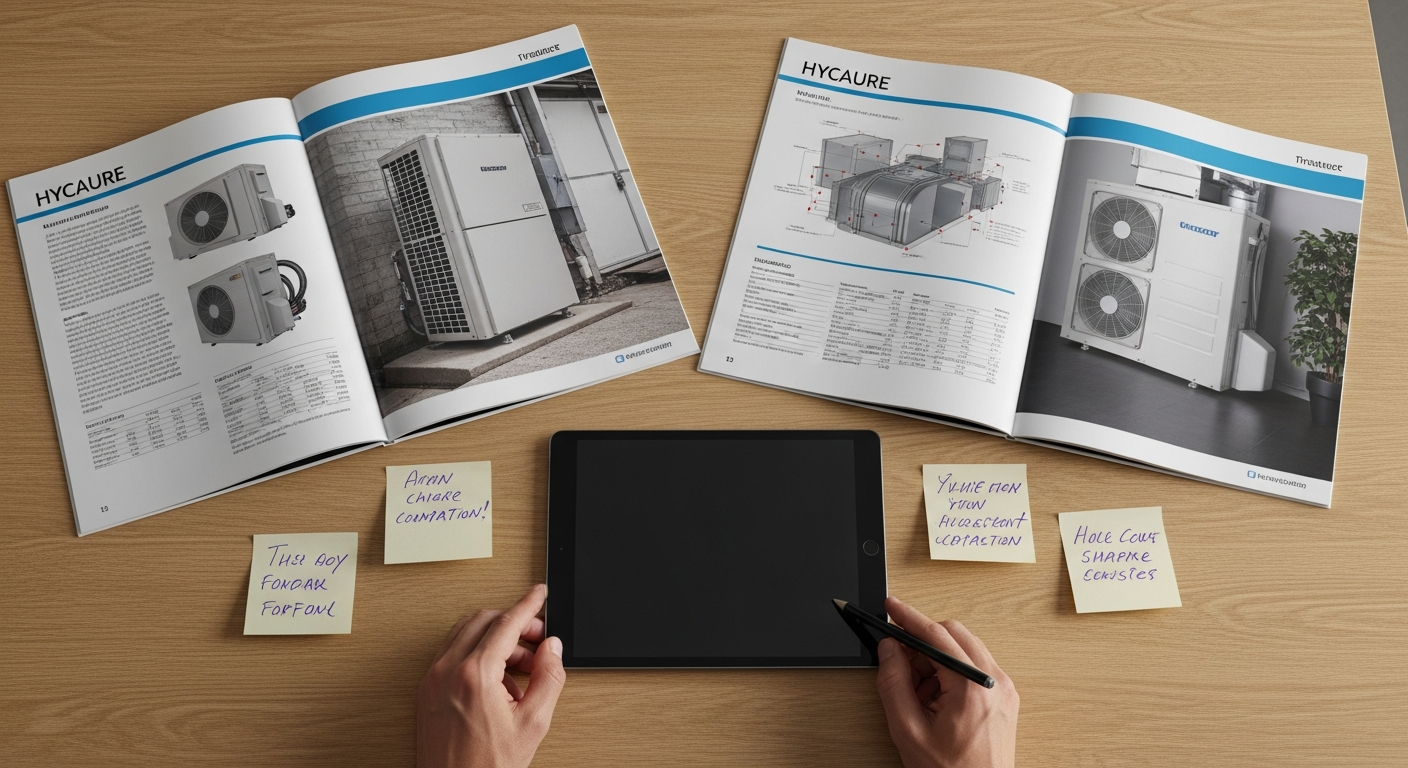
Proactive Maintenance Prevents Costly Repairs
Schedule cooling checkups in early spring and heating in early fall to avoid emergency fees, reduce energy bills, and extend equipment life.
What Matters Most
- Book spring AC maintenance by April and fall furnace service by October.
- Replace air filters every 30–90 days and clear debris from outdoor units.
- Professional tune-ups cost $80–$250; annual plans often pay for themselves in efficiency.
- Never attempt refrigerant, electrical, or gas repairs yourself—call a licensed pro.
- Use HVACDatabase tools to estimate costs and find local contractors.
Strengths
- Covers both heating and cooling season prep with actionable checklists.
- Clear cost ranges help budget realistically without surprise fees.
- Contractor checklist ensures you hire qualified, vetted professionals.
- Safety boundaries protect homeowners from dangerous, illegal DIY tasks.
Weaknesses
- Some maintenance tasks (like duct cleaning) not discussed in depth.
- Costs are editorial estimates and vary significantly by region and system.
- Does not cover heat pump-specific defrost cycle checks in detail.
Maintenance Timing Decisions
| Scenario | Usually Do | Why |
|---|---|---|
| You live in a hot climate with long summers | Schedule AC service in March | Beat severe heat and avoid emergency calls when AC fails in July. |
| You live in a region with harsh winters | Book furnace check in September | Protect against carbon monoxide leaks and ensure heating before first freeze. |
| You just moved into an older home | Get full system inspection immediately | Unknown history: check for unsafe heat exchangers, obsolete parts, and efficiency. |
| Your system is under warranty | Stick to manufacturer-recommended service intervals | Failing to provide proof of maintenance can void warranty. |
| Budget is tight | At minimum, replace filters and clear outdoor unit yourself | Even basic DIY tasks improve airflow and reduce strain; delay pro service but don’t skip it entirely. |
Quick Answer
Seasonal HVAC maintenance means scheduling a professional tune-up twice a year: once in spring for cooling (ideally March–April) and once in fall for heating (September–October). A typical visit costs $80–$250 and covers cleaning, safety checks, and performance testing. Between visits, replace filters monthly, keep outdoor units clear of debris, and listen for unusual noises. Never attempt refrigerant, electrical, or gas repairs yourself.
Why Seasonal HVAC Maintenance Matters
Your HVAC system is a major investment—typically $5,000–$12,000 to replace. Regular maintenance can cut energy bills by up to 15%, prevent 95% of breakdowns, and extend equipment life by 5–10 years. A neglected system works harder, wears out faster, and may pose safety risks like carbon monoxide leakage from a cracked heat exchanger.
Maintenance Timing: Spring & Fall Checklists
The golden rule: schedule cooling service before the first heatwave and heating service before the first freeze. Contractors get booked fast once extreme weather hits.
| Season | System Focus | Ideal Months | What Pros Do |
|---|---|---|---|
| Spring | Air Conditioner / Heat Pump (cooling) | March – April | Clean coils, check refrigerant charge, inspect electrical, test startup, calibrate thermostat |
| Fall | Furnace / Heat Pump (heating) | September – October | Inspect heat exchanger, clean burners, test ignition, check flue and carbon monoxide safety |
What a Professional Tune-Up Includes
A thorough maintenance visit (60–90 minutes) should cover:
- Inspect and tighten electrical connections
- Lubricate motors and moving parts
- Clean or replace air filters (or verify homeowner has done it)
- Clear condensate drain line to prevent water damage
- Check refrigerant pressures (pro-only, due to EPA regulations)
- Test safety controls and start‑up/shutdown cycles
- Measure temperature differentials to verify efficiency
Your DIY Safe Maintenance Tasks
What You Can (and Should) Do Between Professional Visits
- Replace/clean filters: Check monthly. Pleated filters last up to 90 days; if you have pets or allergies, change more often. A dirty filter can increase energy use by 5–15%.
- Keep outdoor unit clear: Maintain 2‑foot clearance. Remove leaves, grass clippings, pollen, and trim bushes. Gently rinse fins with garden hose (low pressure) to remove dirt.
- Check thermostat settings and batteries: Make sure the schedule matches your lifestyle; consider a smart thermostat to optimize runtimes.
- Inspect vents and registers: Ensure furniture isn’t blocking airflow. Vacuum dust from supply and return grilles.
- Listen for unusual noises: Squealing, banging, or rattling may indicate a loose belt or failing motor—call a pro if you hear these.
Safety Boundaries: Never Attempt
- Refrigerant handling or recharging (requires EPA certification).
- Gas line, burner, or heat exchanger repairs (risk of fire, explosion, carbon monoxide).
- Electrical component replacement: capacitors, contactors, circuit boards, or any high‑voltage wiring.
- Compressor or motor replacement (heavy, dangerous voltages, and specialized tools).
- Bypassing any safety switch or pressure sensor.
If you’re tempted to cut costs with DIY, remember: improper repairs can lead to system failure, void warranties, and pose serious safety hazards. Use our HVAC cost estimator to understand what professional work should cost.
How Much Does Seasonal Maintenance Cost?
Editorial estimate ranges (not guaranteed):
- One‑time maintenance visit: $80–$250, depending on system type, location, and contractor.
- Annual maintenance plan (two visits): $150–$500; often includes priority scheduling and discounts on repairs.
- Diagnostic fee if a problem is found: $80–$200 (may be waived if repair work is done).
Many contractors offer seasonal specials. Compare quotes using our Quote Checker to ensure fair pricing.
Decision Rules: When to Schedule vs. When to Wait
- Symptoms you can ignore? No. Even small issues (slight noises, longer runtimes) often signal developing problems. Address early to avoid breakdowns.
- Age thresholds: If your system is over 10 years old, biannual professional maintenance is critical. Older systems benefit disproportionately from cleaning and minor adjustments.
- Warranty requirements: Many manufacturers require annual professional maintenance to keep the warranty valid. Check your owner’s manual or use our System Age Decoder to see if you’re covered.
- After a major weather event: After extreme storms, flooding, or ice, schedule an inspection even if the system seems fine. Debris or electrical surges can cause hidden damage.
Contractor Checklist: 7 Questions to Ask Before Booking
- Are you licensed, bonded, and insured for HVAC work in my state? (Ask for license number.)
- Do you carry North American Technician Excellence (NATE) certification or manufacturer‑specific training?
- What exactly does your maintenance visit include? Can you provide a checklist?
- Will you provide a written report with photos and any recommended repairs?
- Do you offer maintenance plans, and what are the costs and benefits?
- What are your emergency service policies and response times?
- Can you provide references from homes in my area with similar systems?
Search our contractor directory or compare top‑rated pros to find vetted technicians near you.
Local Advice: Climate‑Specific Maintenance
Hot & Dry (e.g., Phoenix, Las Vegas)
AC runs for months. Schedule service in February – early March. Coils collect dry dust; cleaning is vital. Consider shade for your outdoor unit. Find Phoenix AC contractors.
Hot & Humid (e.g., Houston, Miami)
Spring service must include thorough condensate drain cleaning to prevent mold and clogs. Check for rust on electrical components. Mold in ducts may require inspection.
Cold Winters (e.g., Chicago, Minneapolis)
Book furnace service by mid‑September. Emphasize heat exchanger inspection and CO detector testing. Chicago heating pros can help.
Coastal (e.g., California, Florida)
Salt air corrodes coils. Rinse outdoor units monthly; ask your pro about corrosion-resistant coatings. Storm prep includes securing units; see our guide on protecting HVAC from storms.
Older Homes
Ductwork may leak; include duct inspection in maintenance. Insulation and sealing might be more urgent. Use our BTU calculator to verify system sizing.
Tools to Help You Stay on Track
Set reminders and plan your budget with HVACDatabase tools:
- Maintenance Reminders – Never miss a seasonal tune‑up.
- Cost Estimator – See local price ranges for service.
- Rebate Finder – Discover utility incentives for efficient equipment and smart thermostats.
- Repair or Replace Calculator – Decide if it’s time to upgrade vs. keep maintaining.
Methodology
This guidance draws on industry best practices (ASHRAE, ACCA), manufacturer recommendations, and input from licensed HVAC contractors. Cost ranges are editorial estimates based on national averages and regional survey data; actual prices vary. Always consult multiple quotes and verify credentials before hiring.
Frequently Asked Questions
How often should I really schedule HVAC maintenance?
Twice a year: once for cooling (spring) and once for heating (fall). If you have a heat pump that runs year‑round, consider a third check in mild months.
Can't I just skip maintenance and fix it when it breaks?
Skipping maintenance is a false economy. A neglected system can cost 2–3 times more in repairs over its life and fail years earlier. Emergency repairs often cost $200–$400 just for the weekend visit, while a tune‑up starts at $80.
What’s the difference between a “safety check” and a “tune‑up”?
A safety check focuses only on dangerous issues (carbon monoxide, gas leaks, electrical faults). A full tune‑up includes cleaning, lubrication, performance testing, and efficiency optimization. Choose a tune‑up for longevity and lower bills.
My AC is only 3 years old. Does it still need professional maintenance?
Yes. Many warranties require annual service. Even a new system can develop refrigerant leaks, clogged drains, or loose wires. Regular maintenance keeps efficiency high from the start.
How can I tell if a contractor is trying to upsell unnecessary work?
Ask for photos or measurements that prove the issue (e.g., low refrigerant subcooling, a capacitor out of spec). Get a second opinion before authorizing expensive repairs. Use our Quote Checker to compare prices.
Related articles
Connect this page to adjacent guides so readers keep moving deeper into the topic cluster.
How to Implement a Whole Home Energy Management System
Integrate smart tech and HVAC controls to cut energy waste. This guide shows how to audit, upgrade, and automate your home's energy use, with real savings estimates.

How to Set Up Thermostat Geofencing
Set up thermostat geofencing to automatically adjust home temperature as you come and go. Save energy, extend equipment life, and never return to an uncomfortable house. Get our quick-start guide now.
How to Troubleshoot Smart Thermostat WiFi Issues
Your smart thermostat offline? Most WiFi drops can be fixed with power checks, router adjustments, and simple restarts. Follow our step-by-step guide to regain remote control and energy savings.