How to Upgrade to a Two Stage AC System
Upgrading to a two-stage AC can slash humidity and energy bills, but only if your home is ready. Get realistic costs, sizing musts, and a pro checklist.
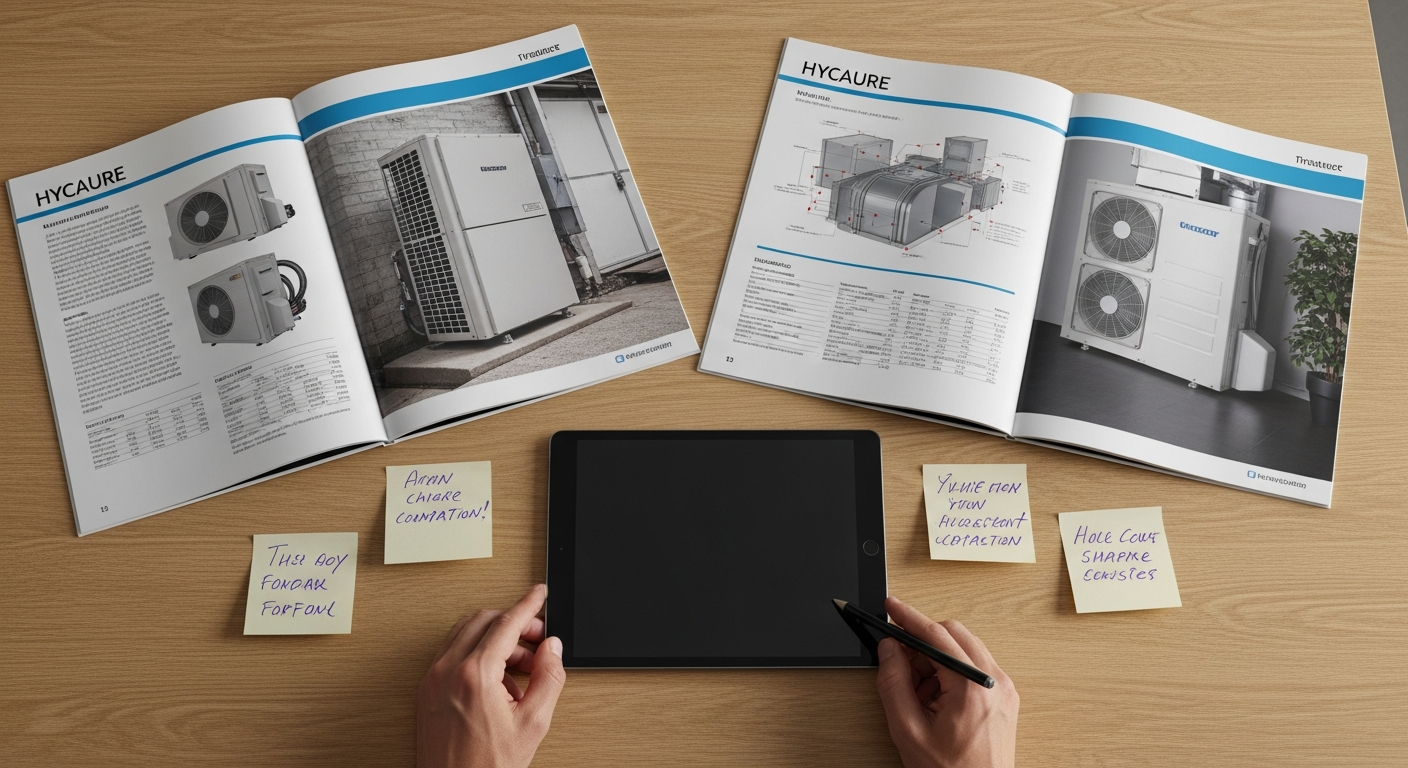
A two-stage AC upgrade is a smart comfort investment when matched to your home’s needs, but it’s not a drop-in swap.
For homes with humidity or uneven cooling, a two-stage system pays off in comfort and efficiency—provided the contractor verifies compatibility and sizing. Get multiple quotes and insist on a Manual J to avoid an expensive disappointment.
What Matters Most
- A two-stage AC runs at low speed most of the time, reducing humidity and temperature swings.
- Successful installation requires a Manual J load calculation, a variable-speed blower, a compatible thermostat, and good ducts.
- Budget $8,500–$14,500 for a complete system, and check for rebates that can lower the net cost.
- Always use a licensed contractor who provides an AHRI-matched system and answers our checklist questions.
- Your climate and home age strongly influence whether two-stage is the best choice—use our tools to compare.
Strengths
- Excellent humidity removal due to long low-stage cycles
- More consistent indoor temperature with fewer drafts
- Lower energy consumption through reduced start-stop losses
- Quieter operation especially at low speed
- Longer equipment life due to reduced wear
Weaknesses
- Higher upfront cost than single-stage (often $1,500–$3,000 more)
- Requires compatible furnace/air handler with variable-speed blower
- Often needs thermostat and wiring upgrades
- Ductwork must be in good condition to deliver low-speed airflow
- Payback can be slow if you move soon or insulation is poor
When to Upgrade vs. Repair vs. Stay Single-Stage
| Scenario | Usually do | Why |
|---|---|---|
| Your AC is >12 years old and needs a $2,000+ repair | Consider replacement with two-stage | Avoid sinking money into an old unit; new efficiency will offset cost |
| Home feels sticky even at 72°F and unit short-cycles | Upgrade to two-stage if budget allows | Low stage dehumidifies by running longer; single-stage can’t match it |
| Ducts are leaky or undersized | Fix ducts first, then evaluate upgrade | Poor ducts will negate any two-stage benefit; seal and balance first |
| You plan to move within 3 years | Stick with a high-SEER single-stage or repair | Two-stage premium may not be recouped in a short ownership period |
| Cold climate with a gas furnace, no cooling discomfort | Single-stage or consider two-stage heat pump instead | Two-stage AC alone adds cost without winter benefit; heat pump may be dual-purpose |
Quick Answer: What a Two‑Stage AC Upgrade Really Takes
A two‑stage AC upgrade makes sense when humidity, temperature swings, or high cooling bills are a problem and your current system is aging or undersized. Success hinges on a Manual J load calculation, a matched variable‑speed blower, a thermostat that controls both stages, and well‑sealed ducts. Equipment and installation typically run $8,500–$14,500 for a 3–4 ton system, plus $1,500–$3,500 for duct or thermostat upgrades if needed. Get at least three quotes from contractors who verify compatibility and provide AHRI‑matched systems.
How Two‑Stage Cooling Works
Unlike a single‑stage unit that is either 100% on or off, a two‑stage compressor has a low stage (typically 65–70% capacity) and a high stage. On most days it runs on low, providing longer, quieter cycles that continually mix indoor air and pull out humidity. When outdoor temperatures spike, the system automatically shifts to high stage to meet demand. This avoids the cold blast / warm stagnation cycle common with single‑stage units.
Why Homeowners Choose This Upgrade
- Steadier comfort – fewer temperature swings and drafts
- Better humidity control – especially in muggy climates, low‑stage runtime removes moisture
- Lower energy use – less frequent hard starts and prolonged low‑amp operation can cut cooling costs 10–30%
- Less wear – reduced stop‑start cycles extend compressor and blower life
- Quieter operation – low‑speed mode is noticeably softer indoors and out
Is Your Home Ready? 5 Pre‑Quote Checks
- Insulation & air sealing – if your home loses cool air quickly, even the best two‑stage unit will short‑cycle. Check attic insulation levels and seal obvious leaks.
- Duct leakage – leaky ducts can rob 20‑30% of airflow; low‑stage air won’t reach far rooms. Have a contractor test static pressure.
- Age of existing system – if your unit is 12+ years old and needs expensive repairs, an upgrade often pays back. Use the repair‑or‑replace calculator.
- Electrical panel capacity – a two‑stage AC usually doesn’t require a panel upgrade, but an older 100‑amp panel may need one. Ask your electrician.
- Thermostat wiring – many homes lack the extra wires (Y2, C) needed. New cabling or a wireless relay may be required.
The Sizing Trap: Why a Manual J Is Non‑Negotiable
An oversized two‑stage unit will still short‑cycle on low stage, defeating the humidity benefit. An undersized unit will run high stage constantly, wasting electricity. Manual J (ACCA load calculation) uses your home’s orientation, windows, insulation, and square footage to determine exact tonnage. A visual “rule of thumb” estimate isn’t enough. Insist your contractor shows you the load calc results.
For a rough ballpark, try the BTU calculator, but note: whole‑house sizing must be verified by a pro.
Must‑Have Compatible Components
| Component | Why It Matters | What to Verify |
|---|---|---|
| Outdoor condensing unit | Contains the two‑stage compressor | Must be AHRI‑matched to indoor coil |
| Indoor evaporator coil | Size and metering device affect efficiency | Match model numbers with outdoor unit |
| Furnace or air handler | Needs a variable‑speed (ECM) blower | Must be capable of low‑stage airflow; older PSC motors won’t work |
| Thermostat | Must be able to call for Y2 (second stage) and have a C‑wire | Check wiring; upgrade to a two‑stage compatible model if needed |
Additionally, consider installing an AC surge protector to safeguard the more sensitive control boards.
Typical Installation Costs & Potential Savings
| Item | Low Range | High Range | Notes |
|---|---|---|---|
| Two‑stage AC unit (3–4 ton, 16 SEER2+) | $5,500 | $9,000 | Equipment only; brand and efficiency affect price |
| Installation labor | $2,500 | $4,500 | Includes basic refrigerant lines, pad, electrical whip |
| Thermostat upgrade (if needed) | $200 | $600 | New two‑stage thermostat + wiring labor |
| Duct modifications (if needed) | $800 | $3,000 | Sealing, adding returns, or resizing trunks |
| Electrical panel upgrade (if needed) | $1,500 | $4,000 | Only if existing panel can’t handle load |
| Typical total project range | $8,500 | $14,500 | Before rebates; get 3 quotes for realistic local pricing |
Annual cooling savings of 10–30% are common, translating to roughly $100–$400/year depending on climate and usage. Check available rebates and incentives that can lower your net cost.
Safety Boundaries: What Homeowners Can Check, What Only Pros Should Touch
Safe Homeowner Checks
- Visually inspect air filters monthly and replace when dirty (read how‑to guide)
- Confirm thermostat is set correctly and batteries are fresh
- Listen for unusual noises or short cycling; note frequency and duration
- Check condensate drain for clogs and clear accessible pan area
- Ensure outdoor unit has at least 2 ft clearance and coils aren’t matted with debris (rinse gently with garden hose only if safe)
Pro‑Only Work (Do Not Attempt Yourself)
- Handling or adding refrigerant – requires EPA certification and specialized tools
- Opening electrical panels, replacing capacitors, contactors, or control boards
- Servicing the compressor or reversing any refrigerant cycle
- Gas furnace installation or combustion adjustments
- Running new high‑voltage wiring or thermostat cables behind finished walls
- Sealing ducts with mastic or modifying duct sizes – improper changes can damage the system
Always hire a licensed, insured contractor for any work that involves refrigerant, electrical, or gas.
Decision Rules: When Two‑Stage Makes Sense (or Doesn’t)
- Upgrade if:
- Your summer electric bills consistently exceed $250/month and you have humidity issues
- Your current AC short‑cycles (on/off more than 4 times per hour) leaving rooms sticky
- You notice temperature swings of more than 3°F between thermostat setting and actual feel
- Your AC is 10+ years old and faces a repair estimate over $1,500
- You plan to stay in the home for at least 5 more years
- Consider repair + duct fixes first if:
- Your current system is less than 8 years old and still under parts warranty
- Duct leakage is the primary cause of uneven cooling (fix ducts first, then re‑evaluate)
- Budget is tight and a high‑SEER single‑stage may still improve efficiency over current unit
- Skip two‑stage if:
- Ductwork is severely undersized and replacement isn’t feasible – a ductless mini‑split might be better
- Your furnace blower can’t be upgraded to variable‑speed economically
- Home is poorly insulated and you aren’t ready to air seal – the low‑stage benefit will be lost
Contractor Checklist: 8 Questions Before You Sign
- Will you perform a Manual J load calculation and show me the results? – They should say yes and explain the numbers.
- Are the outdoor unit and indoor coil AHRI‑matched? – Ask for the AHRI certificate to confirm efficiency and capacity.
- Does my existing furnace or air handler have a variable‑speed blower? – If not, what’s the cost to upgrade the blower or whole air handler?
- Is my thermostat wiring compatible, or will you run new wire? – Get clarity on how many stages the thermostat can control.
- Will you measure static pressure and inspect ducts? – Low static pressure is essential for low‑stage airflow; duct fixes should be quoted separately if needed.
- Are you licensed, insured, and familiar with local permit requirements? – Verify in your state/city database.
- What warranty covers parts, labor, and compressor? – Typically 10‑year parts, 1‑year labor, and sometimes lifetime compressor.
- Can you provide local references from recent two‑stage installations? – Call them and ask about comfort and any post‑install issues.
You can also use our contractor comparison tool to evaluate bids side by side.
Local Factors: Climate and Home Age Change the Math
- Hot‑humid (Gulf Coast, Florida, Southeast): The dehumidification gain is a game‑changer. Two‑stage is strongly recommended. Ask about a coastal corrosion‑resistant coil if near salt water.
- Hot‑dry (Arizona, Nevada, inland CA): Humidity benefit is minimal, but temperature stability still matters. Focus on a high SEER2 rating and avoid oversizing.
- Coastal homes: Salt spray degrades outdoor fins. Insist on a unit with pre‑coated coils (commonly called “coastal” or “seacoast” models).
- Older homes (pre‑1970): May have knob‑and‑tube wiring, undersized ducts, or no return in each room. Budget for electrical and duct upgrades. A ®ional contractor familiar with old‑home retrofits is key.
- Cold climates (Midwest, Northeast): Two‑stage cooling still beneficial for summer, but pairing with a two‑stage furnace or heat pump can maximize year‑round comfort. See cost guides by region.
Tools to Help You Decide
- HVAC Cost Estimator – get localized price ranges before calling contractors
- Repair‑or‑Replace Calculator – crunch numbers on fixing your old unit vs. upgrading
- Quote Checker – upload and compare multiple contractor bids
- Rebate Finder – discover utility and state incentives for high‑efficiency ACs
- BTU Calculator – rough load estimate for smaller spaces (not whole‑house)
- System Age Decoder – decode your unit’s manufacture date from the serial number
How We Arrive at These Estimates and Recommendations
Our cost ranges are editorial estimates based on aggregated industry data, not guaranteed quotes. They reflect typical national averages and are influenced by system size, brand, SEER rating, regional labor rates, season, and installation complexity. Energy‑saving projections assume a 10–30% reduction compared to an older single‑stage unit in a typical climate; your actual savings depend on usage, insulation, and local weather. Recommendations follow best practices defined by ACCA Manual J, AHRI matching, and field experience from HVAC professionals. Always obtain multiple itemized quotes and verify that contractors are licensed and insured for your location. Visit our cost guide hub for more context.
Frequently Asked Questions
Will a two‑stage AC truly lower my energy bills?
Yes, in most cases. By running 70–80% of the time on low‑amp mode and avoiding hard starts, a properly sized two‑stage unit can reduce cooling costs by 10–30%. The exact savings depend on your current SEER, your thermostat settings, and how sealed your home is.
Do I need a new thermostat for a two‑stage AC?
Usually yes. A thermostat must be capable of two‑stage cooling (Y2 terminal) and often needs a common wire (C). If your existing thermostat lacks these, you’ll need a new model and possibly new wiring. A contractor can check compatibility during the estimate.
Can I just replace the outdoor unit and keep my old indoor coil?
It’s not recommended. Mismatched coils can reduce efficiency, cause refrigerant flow problems, and void warranties. An AHRI‑matched coil ensures the system performs at its rated SEER and avoids premature compressor failure.
How long does a two‑stage AC installation take?
For a straight replacement with no ductwork changes, plan on one full day (6–10 hours). If thermostat wiring, duct modifications, or blower upgrades are needed, the job may span 1.5–2 days.
Is a two‑stage AC worth the extra cost over single‑stage?
It depends on your priorities. If humidity control and consistent temperature are important, and you’ll be in the home 5+ years, the comfort payoff often justifies the $1,500–$3,000 premium. In dry climates or tight budgets, a well‑sized single‑stage unit with good ductwork may suffice.
Methodology
HVACDatabase estimates combine common contractor price patterns, service-category pricing ranges, equipment complexity, urgency, regional labor variation, and known HVAC safety boundaries. Actual prices vary by city, brand, system size, access, warranty status, permit requirements, and whether the visit discovers ductwork, electrical, refrigerant, gas, or drainage issues. Use these numbers to sanity-check quotes, not as a guaranteed price.
Related articles
Connect this page to adjacent guides so readers keep moving deeper into the topic cluster.
How to Implement a Whole Home Energy Management System
Integrate smart tech and HVAC controls to cut energy waste. This guide shows how to audit, upgrade, and automate your home's energy use, with real savings estimates.

How to Set Up Thermostat Geofencing
Set up thermostat geofencing to automatically adjust home temperature as you come and go. Save energy, extend equipment life, and never return to an uncomfortable house. Get our quick-start guide now.
How to Troubleshoot Smart Thermostat WiFi Issues
Your smart thermostat offline? Most WiFi drops can be fixed with power checks, router adjustments, and simple restarts. Follow our step-by-step guide to regain remote control and energy savings.