Indoor Air Quality Tips for Asthma Sufferers
Reduce asthma triggers with targeted HVAC upgrades. We filter out the guesswork and show which improvements deliver real relief.
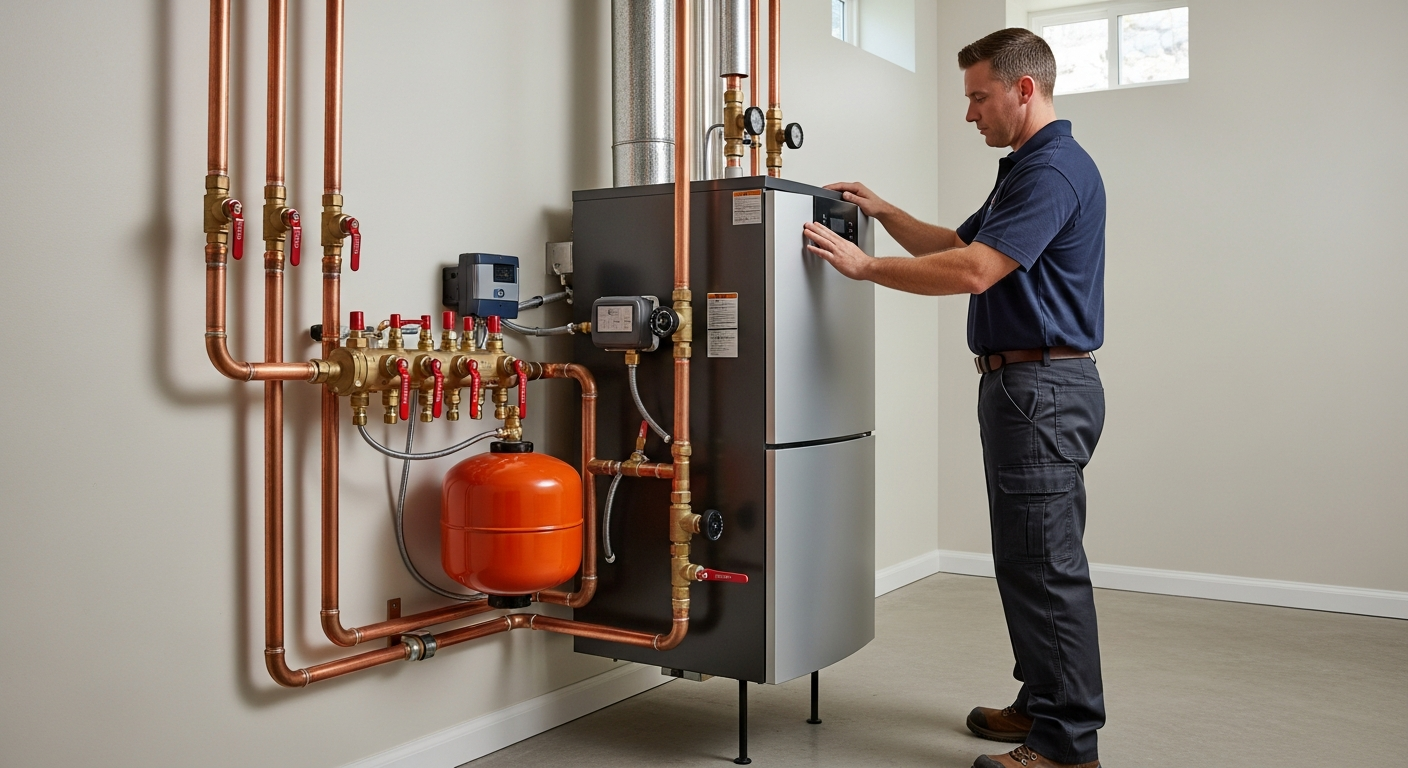
Prioritize source control, filtration, and ventilation in that order
For asthma management, eliminate triggers at the source first (humidity, VOCs, leaks), then use MERV 11–13 filters, and finally ensure fresh air with balanced ventilation like ERVs. This layered approach provides the safest and most cost-effective relief.
What Matters Most
- Upgrade to a MERV 11–13 filter only after a pro confirms your system can handle the pressure drop.
- Maintain 30–50% relative humidity year-round; whole-home dehumidifiers or humidifiers are often necessary.
- Sealing duct leaks prevents unfiltered attic/basement air from circulating through your home.
- ERVs improve ventilation without introducing pollen or wasting energy.
- Smart zoning helps tailor air quality to bedrooms and other sensitive zones.
Strengths
- Source control is the most effective and permanent solution.
- Filtration improvements are relatively low-cost and high-impact.
- Humidity control tackles two major triggers (dust mites and mold) at once.
Weaknesses
- Higher MERV filters can strain older blowers and increase energy use if not properly matched.
- Duct sealing may require significant upfront cost if accessible ductwork is limited.
- ERV installation involves complex ductwork and is often a multi-thousand-dollar project.
Decision summary: Matching asthma triggers to HVAC action
| Scenario | Usually do | Why |
|---|---|---|
| Dust mites & pet dander | Upgrade to MERV 11–13 filter; seal ducts | Captures allergens; stops bypass dust |
| Mold or musty smells | Dehumidify to 50% RH; inspect ducts for moisture | Mold needs moisture; dry air prevents growth |
| Stale air, winter stuffiness | Install ERV for balanced ventilation | Provides filtered fresh air without losing heat/humidity |
| Chemical/cleaning odors | Source control; increase ventilation; check HVAC for overheating components | VOCs are best eliminated at the source; HVAC should not emit smells |
Quick Answer
Asthma attacks often spike indoors due to high dust, humidity, or chemical triggers. Focus on three layers: source control (humidity and leak sealing), filtration (MERV 11–13 filters), and ventilation (ERV). Test your indoor air with our Air Quality Score for a baseline, then follow our decision rules below. A pro should always verify your system can handle higher filtration and perform duct sealing or ERV installation.
Why Your HVAC System Matters for Asthma
Your home’s HVAC isn’t just about heating and cooling—it doubles as your indoor air quality (IAQ) system. With asthma, trapped allergens, volatile organic compounds (VOCs), and moisture can make each breath a struggle. A well-designed IAQ strategy will filter particles, control humidity, and bring in fresh air without inviting pollen or pollution indoors. This guide helps you prioritize upgrades that deliver the most relief per dollar, with clear decision thresholds and hiring advice.
Step 1: Upgrade Filtration Without Choking Your System
Standard fiberglass filters (MERV 1–4) only protect the equipment. For asthma, step up to a pleated filter rated MERV 11–13. These capture 85–90% of particles as small as 1.0–3.0 microns, including many dust mite allergens and pet dander.
However, higher MERV means higher airflow resistance. If your blower isn’t designed for it, you’ll hear air rushing through a starved system, see higher energy bills, and risk motor burnout. Always have a technician measure static pressure before and after a filter upgrade. They can advise if you need a 4–5 inch media cabinet instead of a 1-inch filter—thicker filters have more surface area and lower resistance for the same MERV.
Cost guidance: A diagnostic static pressure test typically costs $100–$200 as part of a maintenance visit. Premium MERV 11–13 filters run $15–$35 for standard sizes; media cabinets run $200–$500 installed. Use our HVAC Cost Estimator to ballpark filter upgrades and system modifications.
Step 2: Lock in the Right Humidity, Year-Round
Dust mites thrive above 70% humidity; mold can grow above 60%. Respiratory irritation also spikes in very dry air (below 30%). Keep your home between 30% and 50% relative humidity. This range alone reduces two major asthma triggers.
- In humid climates or homes with high moisture: A whole-house dehumidifier plumbed into your HVAC system can maintain 50% even when the AC isn’t running much. Editorial estimate: $1,200–$3,000 installed.
- In dry climates or forced-air heated homes: A whole-home humidifier (bypass or steam) prevents dry air from irritating airways. Editorial estimate: $400–$1,200 installed.
Smart thermostats with humidity sensors help you monitor levels; if you consistently see readings above 55% in summer or below 25% in winter, take action. For DIY-safe checks, place inexpensive hygrometers in bedrooms and living areas to spot problems before they escalate. Do not attempt to modify refrigerant circuits or gas lines—pro-only tasks.
Step 3: Seal Ductwork to Stop Unfiltered Air
Leaky ducts act like a vacuum, pulling attic dust, insulation fibers, and crawlspace pollutants into your breathing zone. Even the best filter can’t help if air bypasses it. The average home loses 20–30% of conditioned air through duct leaks.
Signs you need duct sealing: rooms that never get comfortable, dusty vents, or high energy bills. Professional sealing uses aerosol mastic or hand-applied sealant after inspecting all accessible ducts. Cost guidance: $500–$2,500 depending on home size and accessibility. To see if a quote is reasonable, plug the details into our Cost Estimator and run a Quote Checker comparison.
What about just cleaning the ducts? Cleaning can remove debris, but it won’t fix leaks. Seal first, then clean if there’s visible mold or infestation. Our article on duct cleaning separates fact from upselling.
Step 4: Add Fresh Air with ERV Technology
Tightly sealed, energy-efficient homes trap stale air and CO2. Opening windows is a gamble with pollen and outdoor humidity. An Energy Recovery Ventilator (ERV) solves this: it constantly exchanges stale indoor air with fresh outdoor air while transferring heat and moisture, so you get filtered fresh air without losing much energy. It’s a superior solution to a simple bathroom exhaust fan for whole-home ventilation.
ERVs are especially beneficial in climates with hot, humid summers or cold winters because they precondition the incoming air. In mild coastal areas, a simpler HRV may suffice. For asthma, the ERV’s moisture control advantage makes it the safer choice. Editorial estimate: $2,000–$5,000+ installed, depending on home size and ducting. Use our Cost Estimator to set a realistic budget. Read more about ERV vs. HRV in How to Use an ERV or HRV System.
Safety Boundaries: What You Can Do vs. Pro-Only Work
| Safe Homeowner Checks & Maintenance | Leave to a Licensed Pro |
|---|---|
| Inspect and replace air filters (power off) | Refrigerant handling, gas line work |
| Clean supply/return vent covers and visible surfaces | Electrical component replacement (contactors, capacitors, control boards) |
| Monitor humidity with hygrometers | Duct sealing inside walls or hard-to-reach spaces |
| Look for obvious duct disconnections in basements/attics | ERV/HRV installation; any wiring or blower motor changes |
| Test CO/smoke detectors | Diagnosing burnt or chemical smells from the unit |
Never open sealed compartments or attempt DIY repairs on combustion appliances, refrigerant circuits, or high-voltage parts. If you smell burning, ozone, or gas, shut the system off and call a pro immediately. Search our HVAC contractor directory for vetted local experts.
Decision Rules: When to Act and What to Do
- Humidity >55% in cooling season → Add whole-house dehumidifier; check AC coil for oversized equipment.
- Humidity <25% in heating season → Add whole-house humidifier; verify duct leaks aren’t drawing in cold, dry air.
- Filter clogs in <4 weeks → Upgrade to higher MERV but check static pressure; consider duct sealing to reduce dust source.
- Musty odors from vents → Inspect ducts for moisture, seal leaks, add UV light if mold is present (pro assessment only).
- Stale air, frequent headaches → Install ERV or HRV; avoid running exhaust fans that depressurize the home unless balanced with makeup air.
- Asthma symptoms worse in specific rooms → Consider zoning (see our zoning overview) or in-room HEPA purifiers for immediate relief while you address the core HVAC.
Contractor Checklist for Asthma-Safe HVAC Projects
Before hiring, ask these specifics—true pros will have clear answers:
- “Will you measure static pressure and total external static pressure before and after filter changes?”
- “Are you experienced with whole-home dehumidifiers/humidifiers and their drain/water line requirements?”
- “Can you test total duct leakage with a duct blaster or flow hood before and after sealing?”
- “What standard (e.g., ACCA Manual J, D, S) do you use to size ventilation equipment?”
- “Do you hold NCI or other certification for air balancing and duct design?”
- “Will you provide a detailed scope of work and line-item quote?”
Use our Contractor Comparison Tool to evaluate bids side by side, and check our Emergency HVAC page for urgent issues.
Local Considerations: Climate-Smart IAQ
- Hot, humid regions (e.g., Southeast US): Prioritize dehumidification; a whole-house dehumidifier is often a wiser investment than a higher MERV filter alone. Ensure AC units aren’t oversized—short cycles won’t pull enough moisture.
- Cold, dry regions (e.g., Midwest winters): Whole-house humidifiers are essential. ERVs are preferred over HRVs to transfer moisture and reduce drying. Seal ducts tightly to keep humidified air from escaping.
- Coastal areas: Salt air corrodes coils; look for coastal-rated equipment with protective coatings. Mold risks are high; rigid, well-insulated ductwork and vigilant humidity control are key.
- Older homes (pre-1990): Duct leakage often exceeds 30%. Sealing and insulation pay back quickly. Many older homes lack return ducts in key rooms, causing pressure imbalances that pull in unfiltered air; this may require duct modifications.
Search for experienced contractors familiar with your local climate: e.g., Phoenix AC contractors or Chicago heating pros.
Tools to Help You Decide and Budget
Before calling a contractor, arm yourself with data:
- Air Quality Score: Rate your home’s asthma-friendliness based on your current setup.
- HVAC Cost Estimator: Get editorial price ranges for filter upgrades, dehumidifiers, ERVs, and duct sealing in your area.
- Quote Checker: Submit a contractor quote and see how it stacks up against typical costs.
- Repair or Replace Calculator: If your system is old and struggles with IAQ, see if replacement makes more sense.
- BTU Calculator: Right-size new equipment to avoid humidity problems from oversized ACs.
Methodology: How We Create Our Recommendations
This guide draws on standards from ASHRAE, EPA, and industry best practices (ACCA Manuals). Editorial cost estimates are synthesized from aggregated project data, manufacturer pricing, and regional labor rates, then vetted by our HVAC editorial team. They represent typical ranges for qualified, licensed professionals and are not guaranteed quotes. Always obtain at least three bids and check licenses, insurance, and certifications.
Frequently Asked Questions
Will a high-MERV filter restrict airflow and damage my system?
It can, if your system isn’t designed for the increased resistance. Always have a technician measure static pressure. A thicker media cabinet (4–5 inches) often allows a higher MERV rating with less resistance than a 1-inch filter. When in doubt, ask for a pressure test.
How do I know if my ducts are the main source of asthma triggers?
If you see dust buildup around supply registers, debris in the blower compartment, or experience uneven temperatures, duct leakage is likely. Also, if your filter is clean but you still have dust, unfiltered air is bypassing it through leaks. A professional duct leakage test can quantify it.
Is a whole-house air purifier better than a MERV 13 filter?
Whole-house air purifiers (UV lights, photocatalytic oxidation, etc.) target different contaminants. For most asthma sufferers, a MERV 13 filter combined with humidity control and duct sealing provides the most reliable particle removal. If you also need VOC or pathogen reduction, discuss with a pro—but ensure the purifier doesn’t produce ozone, a lung irritant. See our guide on whole-home air purifier options.
Can I just use a portable air purifier instead of upgrading my HVAC?
Portable HEPA purifiers are excellent room-level supplements, especially in bedrooms. But they don’t address whole-home humidity, duct leaks, or ventilation. For comprehensive asthma management, address the HVAC system first, then add portable units in priority rooms as needed.
How often should a pro inspect my HVAC for IAQ issues?
Annually at minimum—ideally, spring for cooling and fall for heating. During a maintenance visit, they should check filters, coils, drain pans, and look for mold or dust buildup. Ask them to test static pressure and airflow at each visit to catch developing problems early.
Related articles
Connect this page to adjacent guides so readers keep moving deeper into the topic cluster.

Tips for Choosing a Smart Thermostat for a Heat Pump
Learn which smart thermostat features prevent expensive auxiliary heat mistakes, how to verify compatibility, and when to call a pro.

Understanding C Wire Adapters for Smart Thermostats
Missing the C wire for your smart thermostat? C wire adapters solve power issues without pulling new wiring. Compare types, costs, and installation options.

Best Smart Thermostats for Multi Zone Homes
Discover which smart thermostats deliver accurate zoning, remote sensors, and energy savings for homes with multiple HVAC zones. Our guide helps you pick the right model and avoid costly compatibility mistakes.