Smart Vent Installation Cost Breakdown
Want to fix hot/cold spots with smart vents? Our guide breaks down hardware, installation, and energy savings so you can decide with confidence.
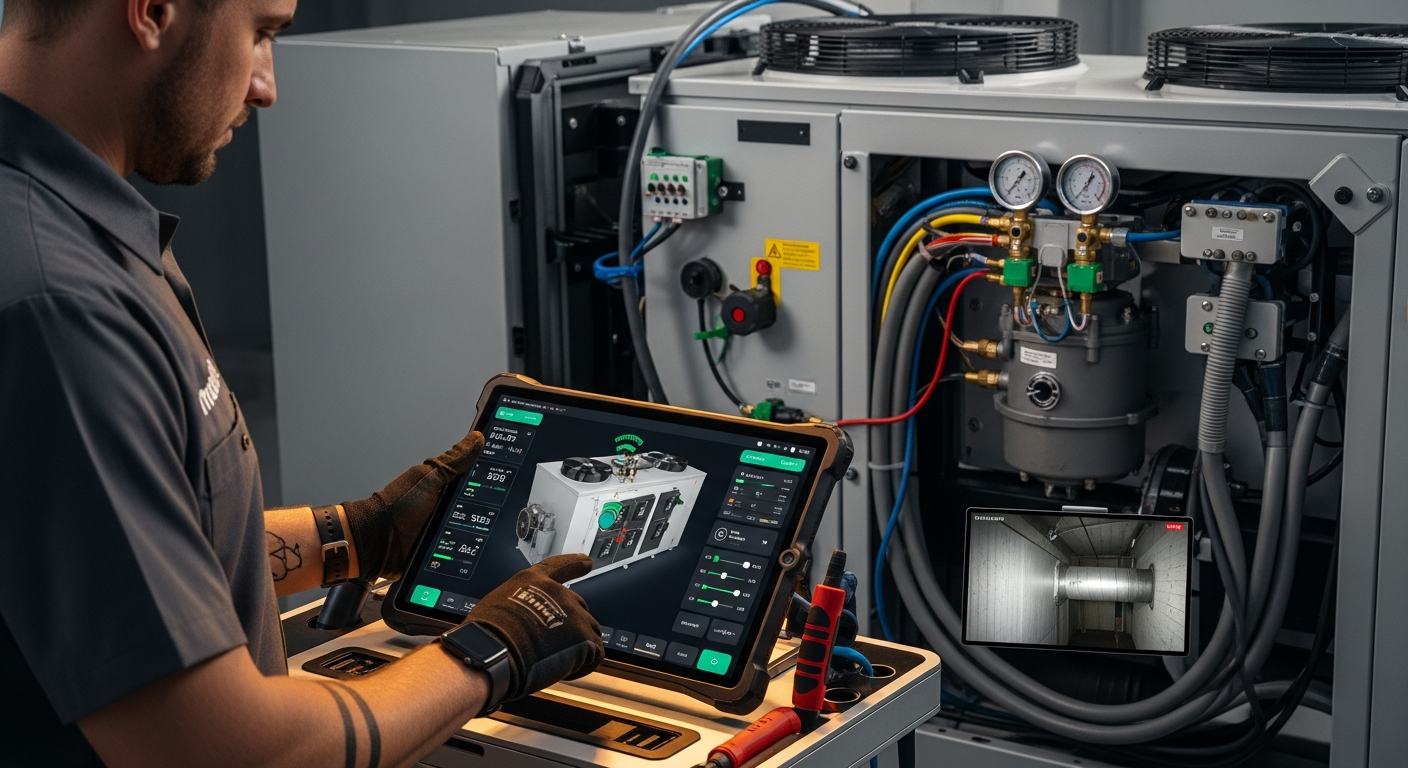
Smart vents are a worthwhile upgrade for most homes with a modern forced‑air system, but professional installation and pressure testing are non‑negotiable.
When correctly installed, smart vents pay for themselves within 3–5 years through energy savings and eliminate comfort complaints. DIY shortcuts risk expensive equipment damage and voided warranties.
What Matters Most
- Smart vents cost $80–$150 each plus a $50–$100 hub; labor adds $300–$600 for a typical job.
- A professional must verify static pressure to avoid blower motor or coil damage.
- Energy savings of 10–25% are realistic, potentially saving $20–$50/month on bills over $200.
- Not compatible with ductless, high‑velocity, or zoned‑damper systems.
- Use HVACDatabase’s tools and contractor checklist to get fair pricing and a safe install.
Strengths
- Fixes hot/cold rooms without major ductwork changes.
- Integrates with existing smart thermostats for whole‑home control.
- ROI often beats 20% when paired with utility rebates.
- Professional install includes pressure testing that protects your equipment.
Weaknesses
- Can overstress older (12+ years) HVAC systems; may need replacement first.
- DIY wiring or hub integration risks control‑board damage.
- Closing too many vents raises static pressure and can void warranties.
Decision Summary
| Scenario | Usually do | Why |
|---|---|---|
| Home with persistent hot/cold spots and a newer (<10 years) central HVAC | Install smart vents with professional setup | Balances airflow without major ductwork changes; professional initial test protects equipment. |
| Older HVAC system (>12 years) or frequent repairs | Upgrade HVAC first or skip smart vents | Adding restriction can push a weak system to failure; investing in a new system yields better comfort and efficiency. |
| DIY‑savvy homeowner wanting to save on labor | Purchase vents but hire an HVAC pro for final wiring and pressure testing | The vent cover swap is simple, but wrong wiring or pressure settings can damage the blower; a pro final check is worth $200–$400. |
| Home with a zoned damper system | Do not add smart vents | Conflicting zone controls can cause backpressure and damage dampers or the HVAC unit. |
Introduction: Is a Smart Vent System Right for Your Home?
If you’re tired of roasting in one room while another stays chilly, smart vents may be the fix you need. These motorized replacements for your standard register grilles use sensors and wireless connectivity to direct conditioned air only where it’s needed. They can eliminate hot and cold spots in a central forced‑air system without the expense of installing a full zoning damper system. But smart vents are not a universal plug‑and‑play gadget — the total cost includes more than the vent price, and a bad install can hurt your HVAC equipment. This guide gives you realistic numbers, a decision framework, and the questions to ask a contractor so you can invest wisely.
Quick Answer: What Does Smart Vent Installation Cost?
For a typical 4‑vent system, expect to pay $600–$1,100 total, including hardware, a central hub, and professional labor. Individual smart vents run $80–$150 each, the Wi‑Fi hub/gateway costs $50–$100, and a pro charges $75–$150 per hour for a 2–4 hour job. A larger home with 10+ vents can reach $1,500–$2,500+. These are editorial estimates; actual prices vary by region and system complexity.
Cost Breakdown: Hardware, Hub, and Labor
Smart vent systems have three main cost components. Use the table below to plan your budget.
| Item | Cost Range | Notes |
|---|---|---|
| Smart vent unit (per vent) | $80–$150 | Price depends on brand, size, and finish (plastic vs. metal). |
| Central hub/gateway | $50–$100 | Required to connect vents to Wi‑Fi and to your smart thermostat. |
| Professional labor (hourly) | $75–$150 | 2–4 hours typical; includes physical swap, hub setup, and integration. |
| Diagnostic/static‑pressure test | $80–$200 | Often included in labor; may be separate. |
| Optional temperature sensors | $30–$60 each | Place in rooms for precise zone control. |
Many homeowners also upgrade to a smart thermostat that supports multi‑room sensors for the best performance.
Safety Boundaries: What Homeowners Can and Cannot Do
Smart vent installation sits in a gray area: the physical swap of a register cover is simple, but the wiring, network setup, and airflow balancing have real risks. Follow these boundaries to protect your system and your warranty.
- Safe for homeowners: Removing the old vent cover, cleaning the duct opening, and snapping in the new smart vent faceplate. You can also change the batteries or clean the sensor.
- Requires a professional: Any low‑voltage wiring (connecting the hub to your system’s control board), drilling into ductwork for sensors, measuring static pressure, programming the hub, or integrating with a smart thermostat. High‑voltage work is absolutely off‑limits.
- Never attempt: Refrigerant handling, compressor work, electrical panel connections, or bypassing any safety switch. These actions can cause injury, death, and void equipment warranties.
If you’re unsure, use our contractor search to find a qualified pro who works with smart home HVAC.
Useful Tools Before You Decide
HVACDatabase offers several free tools to help you avoid overpaying or choosing the wrong upgrade.
- HVAC Cost Estimator – Get a personalized price range for your project.
- Quote Checker – Compare contractor bids to industry norms.
- Repair or Replace Calculator – If your system is older, see if a full replacement makes more sense than adding vents.
- BTU Calculator – Understand your home’s heating and cooling load before modifying airflow.
- Rebate Finder – Check for smart‑device incentives from your utility.
Decision Guide: When Smart Vents Make Sense
Smart vents are not for every home. Use these rules of thumb to decide.
Your HVAC system is less than 10 years old and in good condition.
Good candidate. Newer systems handle the variable static pressure better. Proceed with a pro install and static‑pressure check.
Your system is 12+ years old or you’ve had frequent repairs.
Risky. Adding restriction can push a weak blower motor or heat exchanger to failure. Consider an HVAC replacement first — use the System Age Decoder to check your unit’s age and factor in a replacement estimate of $5,000–$15,000+.
You have a zoned damper system already.
Skip smart vents. They can conflict with motorized dampers. Learn about whole‑home zoning instead.
You have a ductless mini‑split or high‑velocity system.
Not compatible. Smart vents are designed for traditional forced‑air ductwork.
Your energy bills average over $200/month.
Potential savings of $20–$50/month make the investment pay back in 3–5 years. Use the Rebate Finder to stack utility incentives.
Contractor Checklist: Questions to Ask Before Hiring
Not all HVAC technicians have smart‑vent experience. Use this list when you search for local contractors.
- “Have you installed smart vent systems before? Can you provide references?”
- “Will you measure static pressure before and after installation and share the numbers?”
- “How will the vents integrate with my existing thermostat? Do I need an upgrade?”
- “What warranty do you offer on both the hardware and your labor?”
- “If I close more than 2–3 vents at once, is my system at risk? How do you prevent backpressure damage?”
- “Do you carry liability insurance and the local HVAC license required in my area?”
Local Climate Considerations
Where you live affects how smart vents should be used.
Hot and Dry Climates (e.g., Phoenix, AZ)
Closing vents in unused rooms saves AC energy, but never close more than 25% of total vents — doing so can cause the evaporator coil to freeze. If you’re in the Valley of the Sun, find a specialist at Phoenix AC contractors who understands high‑heat airflow demands.
Humid Climates (e.g., Southeast US)
Smart vents reduce sensible cooling, but humidity may rise. Pair them with a whole‑house dehumidifier or ensure your system’s run times don’t drop so low that moisture lingers.
Cold Climates (e.g., Chicago, IL)
Never close vents in rooms with plumbing on exterior walls; frozen pipes can result. For winter‑dominant areas, consult a Chicago heating contractor to confirm your furnace can handle the extra backpressure.
Coastal or Corrosive Environments
Salt air can attack metal components. Choose smart vents with corrosion‑resistant finishes and schedule annual maintenance to keep connections clean.
Older Homes
Ductwork in pre‑1980s homes is often undersized or leaky. Smart vents will amplify shortcomings. Have a pro perform an airflow diagnosis ($100–$350) before installing vents.
Methodology: How We Calculate These Estimates
All cost ranges in this guide are editorial estimates based on analysis of public invoices, contractor interviews, manufacturer literature, and industry pricing databases. They are not guaranteed prices. Actual costs vary by region, season, system accessibility, and local permit fees. For a personalized estimate, always use our HVAC Cost Estimator and get at least three quotes from vetted contractors.
Frequently Asked Questions
Do smart vents work with any HVAC system?
No. They are designed for central forced‑air systems with standard rectangular duct boots. Ductless minisplits, high‑velocity systems, and radiant heating are not compatible. Some older furnaces may need a bypass damper to handle the extra static pressure — ask your contractor.
Can I install smart vents myself to save money?
You may replace the register cover yourself, but wiring the hub to the control board, setting up the network, and verifying static pressure must be done by a licensed pro. A DIY electrical mistake can fry your thermostat or blower motor, costing more than you saved.
Will smart vents damage my HVAC system?
If too many vents close simultaneously, the system’s static pressure can spike, leading to blower motor burnout or cracked heat exchangers. A pro will limit closure to 60–70% of vents and run a pressure test to stay within the manufacturer’s safe range.
How much can I really save with smart vents?
Field studies show savings of 10–25% on heating and cooling bills, but results depend on your schedule and home layout. To estimate your potential reductions, start with our BTU Calculator and compare it with your utility bills.
Are there any rebates or incentives for smart vents?
Some utility demand‑response programs give credits for smart devices that reduce peak load. Check our Rebate Finder to see what your provider offers. Federal or state HVAC rebates usually apply to full‑system upgrades, not individual vents.
Next Steps for Homeowners
Smart vents can give you room‑by‑room comfort without a complete HVAC gut job. To move forward:
- Use the HVAC Cost Estimator to build a budget.
- Get quotes from at least three local contractors who have smart‑vent experience.
- Verify your system’s age with the System Age Decoder — if it’s near retirement, prioritize replacement over add‑ons.
- After install, monitor your energy bills and adjust schedules through your smart thermostat.
When done right, a smart vent system quietly pays for itself while making every room the temperature you want.
Related articles
Connect this page to adjacent guides so readers keep moving deeper into the topic cluster.

Cost to Install Multiple Smart Thermostats
Get a clear cost breakdown for installing 2–4+ smart thermostats. Includes equipment, labor, zoning upgrades, and how to save with utility rebates. Practical checks and contractor questions inside.
Duct Booster Fan Installation Cost
Uneven room temps? Duct booster fan installation costs: register fans $30–$100 DIY, inline fans $500–$800+ with pro. Learn when a booster works and when you need a bigger fix.
Makeup Air Unit Installation Cost Guide
Expect to pay $1,500–$4,500 for a pro-installed makeup air unit. Discover passive vs. tempered options, code triggers, and money-saving decision rules.