Tips for Managing Commercial HVAC in Multi-Tenant Buildings
Managing multi-tenant HVAC? Use our expert tips on maintenance, zoning, cost planning, and tenant comfort to cut costs and extend equipment life. Includes decision rules and checklists.
Proactive Management Pays Off
Regular maintenance, smart zoning, and data-driven replacement decisions cut costs and keep tenants happy. Partner with qualified contractors and leverage remote monitoring to avoid emergencies.
What Matters Most
- Schedule twice-yearly professional maintenance to prevent 80% of major breakdowns.
- Use a repair-or-replace calculator when repairs exceed 50% of new unit cost or system age passes 15 years.
- Implement smart zoning to resolve thermostat wars and cut energy bills by up to 30%.
- Ask contractors for proof of commercial HVAC license, insurance, and references before signing.
Strengths
- Catches small issues before they turn into costly emergencies.
- Improves tenant retention with consistent comfort and air quality.
- Reduces energy waste through optimized scheduling and zoning.
Weaknesses
- Requires upfront investment in monitoring tools and maintenance plans.
- Zoning retrofits can be complex in older ductwork.
- Tenant education takes time but reduces unnecessary service calls.
HVAC Decision Summary
| Scenario | Usually do | Why |
|---|---|---|
| System age 15+ years | Plan replacement | New units are 30-50% more efficient; avoids escalating repair costs. |
| Repair cost >50% of new unit | Replace | Financially smarter long-term; new warranty included. |
| Uses R-22 refrigerant | Replace soon | R-22 phased out; refills extremely expensive and unreliable. |
| Frequent tenant complaints | Assess zoning & balance | Often caused by poor airflow or sensor placement, not equipment failure. |
| High humidity or odors | Inspect ventilation & IAQ | May need upgraded filters, UV lights, or fresh air intake adjustments. |
Multi-tenant buildings—whether apartments, offices, or mixed-use—run HVAC systems harder than single-family homes. Different schedules, conflicting thermostat preferences, and shared ductwork demand a proactive, data-driven approach. This guide gives property managers and owners actionable steps to balance comfort and cost, from maintenance schedules to replacement thresholds. Start with our quick-answer checklist below.
Quick Answer: Top Actions Now
- Schedule professional maintenance twice a year (spring/fall).
- Install smart thermostats with remote zone sensors.
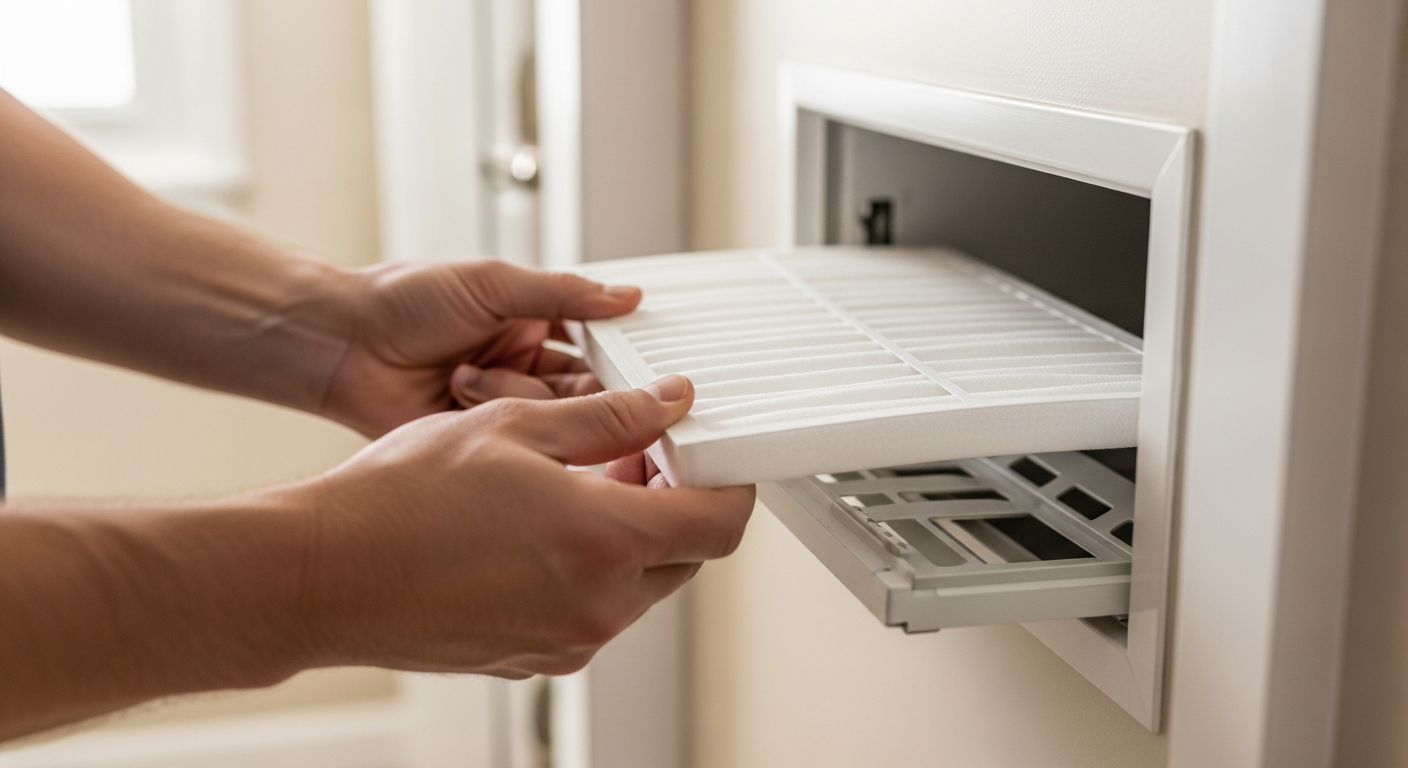
- Check and replace air filters monthly.
- Use a Repair or Replace Calculator for units over 12 years old.
- Budget 10–15% of annual rent roll for an HVAC reserve fund.
Safety Boundaries
Safe for Property Managers/Homeowners
- Check and replace filters.
- Inspect visible ductwork for obvious disconnects.
- Ensure thermostats are not blocked by furniture or heat sources.
- Keep outdoor condenser units clear of leaves and debris.
- Test airflow at supply vents.
Pro‑Only Work (Licensed Technician Required)
- Refrigerant handling, leak searches, or recharging
- Gas furnace, boiler, or combustion work
- Electrical component replacement: capacitors, contactors, compressors, control boards
- Any high‑voltage wiring
- Sealing or modifying ductwork
Commercial HVAC Service Costs
Below are editorial estimates based on industry data. Actual costs vary by location, system size, and accessibility. Always get multiple quotes.
| Service | Typical Range | Notes |
|---|---|---|
| Diagnostic visit | $80 – $200 | After‑hours or emergency may be higher |
| Standard maintenance visit | $80 – $250 | Per unit, per visit |
| Annual maintenance plan | $150 – $500 | 2 visits; may include priority service |
| Common small AC repair | $150 – $650 | e.g., thermostat, control board, minor electrical |
| Major repair (compressor/coil) | $1,500 – $4,000+ | Often triggers replacement decision |
Smart Tools for Better Decisions
Make data‑driven calls instead of guessing. Use these free HVACDatabase tools:
- Repair or Replace Calculator – compares repair cost vs. new system cost
- System Age Decoder – find your unit’s manufacture date from the serial number
- HVAC Cost Estimator – localized pricing before you call contractors
- Contractor Comparison – side‑by‑side profiles and reviews
Repair or Replace? Concrete Decision Rules
- Age > 15 years: Plan for full replacement; modern units cut energy bills 30–50%.
- Repair cost > 50% of new unit: Financially wiser to replace, especially if warranty is ending.
- Uses R‑22 refrigerant: Replace now; R‑22 is phased out and refill costs are skyrocketing.
- Rising energy bills despite maintenance: Efficiency has degraded; a properly sized upgrade pays back quickly.
- Frequent breakdowns (3+ per year): Reliability is gone; a new system with a warranty ends the cycle.
Contractor Hiring Checklist
Before signing, ask these questions. Use HVACDatabase’s directory to find licensed pros and check reviews.
- Are you licensed and insured for commercial HVAC work?
- What experience do you have with multi‑zone systems like ours?
- Can you provide references from properties similar to mine?
- Do you offer a preventive maintenance plan? What does it include?
- What is your emergency response time?
- Will you pull all required permits?
- Is your quote fixed, or time‑and‑materials? Ask for a not‑to‑exceed.
Climate‑Specific Considerations
Hot & Humid Regions
Oversized units short‑cycle and leave humidity behind. Work with a contractor who runs a proper load calculation (Manual J) and consider supplemental dehumidification for lobbies or gyms.
Cold Climates
Heat pumps need a defrost cycle; make sure backup heat strips or gas furnaces are tested before winter. For vacant units, follow vacation HVAC tips—set thermostats no lower than 55°F to prevent frozen pipes.
Coastal Areas
Salt air corrodes standard coils quickly. Specify factory‑treated or epoxy‑coated condenser coils and ask about marine‑grade warranties.
Older Buildings
Ductwork may contain asbestos or lead paint; remediation adds cost. Rooftop units on aging structures need a structural assessment before replacement. Look for contractors experienced in historic retrofits.
Methodology
Cost ranges are editorial estimates compiled from HVAC industry surveys, contractor data, and common market rates. They are not guaranteed quotes. Actual prices depend on equipment brand, building location, accessibility, local labor rates, permit fees, and seasonal demand. Always obtain at least three written quotes and verify contractor credentials before proceeding.
Frequently Asked Questions
How often should multi‑tenant HVAC be serviced?
Schedule professional maintenance at least twice a year: spring for cooling, fall for heating. High‑use systems or buildings with IAQ concerns may need quarterly visits. A preventive maintenance plan keeps costs predictable.
What’s the best way to handle tenant temperature disputes?
Install programmable thermostats with remote sensors. Educate tenants on not blocking vents or placing heat sources near thermostats. If disputes persist, hire a professional to perform an air balance test—duct issues often cause uneven temperatures.
Can I save money by skipping maintenance?
No. Skipped maintenance cuts efficiency by up to 15% and minor problems turn into major failures. A $200 tune‑up can prevent a $2,000 emergency repair.
When should I replace my commercial HVAC system?
Replace if the unit is over 15 years old, needs a repair costing more than half of new equipment, uses R‑22 refrigerant, or cannot maintain consistent comfort despite proper maintenance. Use the Repair or Replace Calculator for a financial analysis.
How do I find a reliable commercial HVAC contractor?
Use HVACDatabase’s search to find licensed pros with verified reviews. Compare them side‑by‑side with our Contractor Comparison tool, and always ask the seven hiring checklist questions above.
Practical Next Steps
- Write down the system age, brand, model number, thermostat setting, and exact symptom before calling.
- Take photos of visible ice, water, error codes, dirty filters, or unusual equipment conditions without opening sealed or electrical compartments.
- Use HVAC cost estimator, Quote checker, Repair or replace calculator to estimate the budget or compare next steps.
- Get at least two written quotes for major repairs or replacements, especially when the system is more than 8-10 years old.
The strongest quote is not always the cheapest. Look for a contractor who explains the cause, confirms whether the repair is durable, documents warranty coverage, and gives you a clear path if the first repair does not fully solve the issue.
Related articles
Connect this page to adjacent guides so readers keep moving deeper into the topic cluster.

Tips for Choosing a Smart Thermostat for a Heat Pump
Learn which smart thermostat features prevent expensive auxiliary heat mistakes, how to verify compatibility, and when to call a pro.

Understanding C Wire Adapters for Smart Thermostats
Missing the C wire for your smart thermostat? C wire adapters solve power issues without pulling new wiring. Compare types, costs, and installation options.

Best Smart Thermostats for Multi Zone Homes
Discover which smart thermostats deliver accurate zoning, remote sensors, and energy savings for homes with multiple HVAC zones. Our guide helps you pick the right model and avoid costly compatibility mistakes.